
News

Wall Lights vs Ceiling Lights: Which Works Better in Modern Australian Homes?
Lighting can completely change the way your home looks and feels. The same room can feel bright and practical during the day, then warm and relaxing at night—all depending on how it's lit. That's why one of the most common questions Australian homeowners ask is: Should I choose wall lights or ceiling lights? The truth is, there isn't a one-size-fits-all answer. Both lighting options have their strengths, and the best choice often depends on your room, your lifestyle, and the atmosphere you want to create. In this guide, we'll compare wall lights and ceiling lights, explore where each works best, and help you decide which option suits your modern Australian home. Why Lighting Matters More Than Ever Modern Australian homes are all about open-plan living, natural light, and creating comfortable spaces that work from morning to night. Lighting isn't just about visibility anymore—it's part of your interior design. The right lighting can: Make a small room feel larger Create a warm and inviting atmosphere Highlight artwork or architectural features Improve productivity in workspaces Help you relax after a long day That's why many designers recommend layering different light sources instead of relying on just one fixture. What Are Ceiling Lights Best For? Ceiling lights are the main source of illumination in most homes. They're designed to spread light evenly across an entire room, making them ideal for everyday activities. Advantages of Ceiling Lights Bright Overall Illumination Whether you're cooking dinner or cleaning the house, ceiling lights provide broad coverage that lights up the entire space. Perfect for Large Rooms Living rooms, kitchens, dining rooms, and open-plan areas usually benefit from ceiling-mounted fixtures because they distribute light more evenly. Huge Variety of Styles From modern flush mounts to statement pendants and elegant chandeliers, there's a ceiling light for every decorating style. Great for General Lighting Think of ceiling lights as your home's "main light switch." They're designed to handle everyday lighting needs. Where Ceiling Lights Fall Short Although ceiling lights are essential, they aren't always enough on their own. Some common issues include: Harsh shadows Flat-looking rooms Too much brightness in relaxing spaces Limited ability to highlight décor A single ceiling light often makes a room feel functional—but not necessarily cosy. Why Wall Lights Are Becoming More Popular Wall lights have become a favourite in modern Australian homes because they add depth, warmth, and personality. Instead of flooding a room with light, they create layers that make spaces feel softer and more inviting. Advantages of Wall Lights Better Mood Lighting Wall lights produce indirect lighting that reduces glare and creates a comfortable atmosphere. They're perfect for: Living rooms Bedrooms Reading corners Hallways Save Space Because they're mounted on the wall, wall lights free up bedside tables, desks, and shelves. This is especially useful in apartments or smaller homes. Highlight Design Features Wall sconces can draw attention to: Artwork Textured walls Decorative mirrors Built-in shelving They turn ordinary walls into design features. Stylish Without Being Overwhelming Modern wall lights come in countless styles, including: Scandinavian Japandi Contemporary Industrial Mid-century modern They act as both lighting and décor. Which Rooms Benefit Most from Wall Lights? Bedroom Wall lights replace bulky bedside lamps while creating a relaxing atmosphere before sleep. Hallway Instead of one bright ceiling light, multiple wall lights create a softer, more welcoming path through your home. Living Room Layered lighting helps create different zones for watching TV, reading, or entertaining guests. Home Office Wall-mounted lights reduce desk clutter while providing focused task lighting. Dining Area Used alongside pendant lighting, wall lights help create a more intimate dining experience. Why Many Designers Recommend Using Both Here's the secret: it's not wall lights or ceiling lights—it's wall lights and ceiling lights. Professional interior designers often combine both to create layered lighting that is functional and visually appealing. For example: Ceiling lights provide general illumination. Wall lights add warmth and reduce harsh shadows. Table lamps create cosy corners. Floor lamps provide flexible accent lighting. This layered approach allows you to adjust the mood depending on the time of day or the activity. Style Tips for Modern Australian Homes If you're designing a contemporary Australian interior, here are a few ideas: Coastal Homes Choose white, timber, or brushed brass wall lights paired with simple ceiling fixtures. Minimalist Interiors Matte black wall sconces work beautifully alongside clean-lined ceiling lights. Japandi Style Soft curves, natural wood, and warm LED lighting create a calm, balanced look. Industrial Spaces Combine black metal wall lights with exposed pendant lights for added character. Keeping finishes consistent throughout your home helps create a polished, cohesive design. Keep Every Light Looking Its Best No matter which type of lighting you choose, regular maintenance keeps it shining bright. If your home features pendant lights above the kitchen island or dining table, it's worth checking out Homezee's "How to Clean Pendant Lights: A Step-by-Step Maintenance Guide." Keeping your lighting fixtures clean not only improves their appearance but also helps maximise light output and extend their lifespan. So, Which One Should You Choose? If you need bright, practical lighting for everyday use, ceiling lights are essential. They're ideal for illuminating larger areas and providing the main source of light throughout your home. If you're looking to create a warm, inviting atmosphere with added style and flexibility, wall lights are hard to beat. They bring depth, highlight your décor, and make rooms feel more comfortable. For most modern Australian homes, the best solution is a combination of both. Ceiling lights handle the practical side, while wall lights add character, balance, and ambience. Together, they create a home that's not only functional but also beautiful to live in. FAQs 1. Are wall lights enough to light an entire room? Usually not. Wall lights are best used as accent or ambient lighting and work best alongside ceiling lights. 2. Do modern Australian homes still need ceiling lights? Yes. Ceiling lights remain the primary source of general lighting in most homes. 3. Which is more energy-efficient: wall lights or ceiling lights? Energy efficiency depends on the bulb rather than the fixture. LED wall lights and LED ceiling lights are both highly energy-efficient. 4. Are wall lights suitable for hallways? Yes. They're one of the best ways to make hallways feel brighter, warmer, and more stylish. 5. Should wall lights match ceiling lights? They don't need to be identical, but matching finishes or design styles creates a cohesive look.
Learn more
The Renter-Friendly Guide to Wall Lights: No Drilling, No Damaging Your Bond
Renting doesn't mean you have to live with boring lighting. If you've ever looked at your plain white walls and thought, "I'd love some stylish wall lights, but I also want my full bond back," you're definitely not alone. Modern renter-friendly wall lights have come a long way. You no longer need to drill holes, hire an electrician, or worry about expensive repairs when it's time to move out. Today, there are plenty of smart lighting solutions that can completely change the feel of your home without leaving a mark. Here's everything you need to know before upgrading your rental. Why Renters Love Wall Lights Lighting changes everything. A good wall light can make a small apartment feel bigger, add warmth to a bedroom, brighten a dark hallway, or create a cosy reading corner. Unlike ceiling lights that flood a room with light, wall lights help layer your lighting, making your home feel more comfortable and inviting. Best of all, many modern options are designed specifically for renters. Benefits include: No electrician required Easy DIY installation No permanent wall damage Easy to remove when moving Affordable compared to rewiring Can You Really Install Wall Lights Without Drilling? Absolutely. There are now several installation methods that don't require a single screw. 1. Rechargeable Wall Lights These have become incredibly popular in Australian homes. Most include: Built-in rechargeable batteries Magnetic mounting plates Remote controls Adjustable brightness Warm, cool, and daylight colour temperatures Simply attach the mounting plate using strong adhesive strips, snap the light onto the magnet, and you're done. No wiring. No tools. No stress. 2. Plug-In Wall Lights If your rental has nearby power outlets, plug-in wall lights are another excellent option. They usually include: Decorative fabric cords Wall-mounted brackets Easy installation with removable adhesive hooks or minimal hardware Since they don't require electrical work, they're perfect for renters who want a more permanent-looking setup without modifying the property's wiring. 3. Battery-Powered Wall Sconces Battery-powered sconces are ideal for: Hallways Rental bedrooms Reading nooks Home offices Entryways Many modern designs look almost identical to hardwired fixtures. Where Should You Place Wall Lights? One of the biggest advantages of renter-friendly lighting is flexibility. Here are some favourite locations. Beside the Bed Skip bulky bedside lamps. Wall-mounted lights free up valuable bedside table space while giving you focused lighting for reading. Above a Desk Working from home? Wall lights reduce desk clutter and provide excellent task lighting. In the Hallway Hallways often rely on one harsh ceiling light. Adding a pair of soft wall sconces instantly makes the space feel more welcoming. Around a Mirror Whether it's your bathroom (if allowed), bedroom, or dressing area, wall lights beside a mirror create flattering, even lighting. Living Room Accent Lighting Instead of relying only on overhead lighting, use wall lights to create different lighting zones. The room instantly feels warmer and more luxurious. Choosing Adhesive That Won't Damage Your Walls Not all adhesive strips are created equal. Look for products designed specifically for removable mounting. Before installing: Clean the wall thoroughly. Let the surface dry completely. Follow the weight limits. Wait the recommended curing time before hanging the light. Avoid using permanent construction adhesives unless your landlord has approved them. Pick the Right Light Temperature Colour temperature makes a huge difference. 2700K Warm White Perfect for: Bedrooms Living rooms Reading corners Creates a cosy atmosphere. 3000K Soft White A balanced choice for almost every room. 4000K Neutral White Great for: Kitchens Home offices Bathrooms Provides a cleaner, brighter look. Match the Style to Your Rental Wall lights should complement your furniture, not compete with it. Popular styles include: Scandinavian Simple lines. Natural finishes. Soft lighting. Perfect for minimalist apartments. Japandi A blend of Japanese simplicity and Scandinavian comfort. Works beautifully in modern rentals. Modern Black Matte black wall sconces create contrast against white walls. Great for industrial or contemporary interiors. Brass Finish Adds warmth without feeling overly traditional. Looks particularly elegant in bedrooms. Don't Forget Regular Cleaning Even the most beautiful wall lights lose their charm when covered in dust. If your home also features hanging fixtures in the kitchen or dining room, it's worth learning how to care for them properly. Homezee's guide, "How to Clean Pendant Lights: A Step-by-Step Maintenance Guide," walks through safe cleaning methods for glass, metal, and fabric pendant lights, helping them stay brighter and last longer. It's a handy companion for keeping all your lighting looking its best. A quick dust every couple of weeks and an occasional deeper clean will keep your lighting looking fresh. Common Mistakes Renters Should Avoid Even no-drill installations can go wrong. Avoid these mistakes: Hanging lights on dusty walls Ignoring adhesive weight limits Installing lights above heaters Forgetting to recharge battery-powered fixtures Choosing lights that are too large for small rooms A little planning saves a lot of frustration. Final Thoughts Creating a stylish home shouldn't depend on whether you own the property. Today's renter-friendly wall lights prove that you can completely transform your apartment without picking up a drill or risking your security bond. Whether you choose rechargeable sconces, plug-in designs, or battery-powered options, there are plenty of beautiful solutions that are easy to install, simple to remove, and perfect for rental living. The best part? When moving day finally arrives, your walls stay just as your landlord left them—and you can take your favourite lighting with you. FAQs 1. Can I install wall lights in a rental property? Yes. Many rechargeable, battery-powered, and plug-in wall lights are designed specifically for renters and require no drilling. 2. Are rechargeable wall lights bright enough? Many modern rechargeable wall lights offer brightness comparable to traditional bedside lamps and include adjustable brightness settings. 3. How long do rechargeable wall lights last? Depending on brightness settings, many models run between 8 and 30 hours before needing to be recharged. 4. Are plug-in wall lights better than battery-powered ones? If you have a nearby power outlet, plug-in wall lights provide continuous lighting without worrying about battery life. 5. Can wall lights make a small apartment feel bigger? Yes. Layered lighting reduces harsh shadows and adds depth, making smaller spaces feel more open and inviting.
Learn more
The Ultimate Wall Sconce Buying Guide for Aussie Renovators
Renovating your home is all about the details, and lighting is one of the easiest ways to change how a space feels. While furniture and finishes get most of the attention, the right wall sconce can add warmth, style, and personality to almost any room. For Australian renovators, wall sconces are a practical way to create beautiful layered lighting without taking up valuable floor space. Why Wall Sconces Are Worth Considering During a Renovation Wall sconces are more than just another light fixture. They are a design feature. A ceiling light usually provides general brightness, but wall sconces help create atmosphere. They add depth, reduce harsh shadows, and make rooms feel more comfortable and layered. Think about your favourite cafes, boutique hotels, or stylish restaurants. They rarely rely on one bright ceiling light. Instead, they use different lighting levels to create a warm and inviting mood. Your home deserves the same attention. Adding wall sconces can help you: Make small rooms feel more spacious Highlight artwork or architectural details Create cosy corners Improve nighttime visibility Add personality to plain walls A simple wall light can often have a bigger visual impact than people expect. Why Australian Homes Benefit From Wall Lighting Australian homes often focus on open layouts, natural materials, and indoor-outdoor living. While large windows bring in plenty of daylight, many homes still need better lighting once the sun goes down. Wall sconces work especially well because they provide soft, targeted illumination without making spaces feel overly bright. They are perfect for: Open-plan living areas Narrow hallways Coastal-style homes Apartment interiors Modern renovations Instead of filling a room with one strong light source, wall sconces create layers that make your home feel more comfortable throughout the day. Choosing the Right Style for Your Home The best wall sconce is one that matches your home's personality. Australian homes often feature relaxed, natural, and light-filled designs, so many homeowners prefer fixtures that feel simple yet stylish. Modern Minimalist Wall Sconces Perfect for contemporary apartments and newly renovated homes. These designs usually feature: Clean lines Neutral finishes Simple shapes Integrated LED technology They work especially well in living rooms, hallways, and home offices. Natural and Coastal Styles Popular in Australian coastal homes, these sconces often use materials such as: Wood Linen Rattan Soft metal finishes They create a relaxed feeling that works beautifully with natural textures and warm colours. Statement Wall Lights If you have an empty feature wall, a bold wall sconce can become a decorative centrepiece. Think sculptural shapes, artistic designs, or unique finishes that add character even when the light is switched off. Choosing the Right Material and Finish The material of a wall sconce affects both appearance and durability. Popular choices include: Metal Finishes Black, brass, and brushed nickel finishes are popular because they work well with modern interiors and age beautifully over time. Glass Shades Glass creates a softer appearance and allows light to spread more evenly throughout a room. Natural Materials Wood, rattan, and fabric details add warmth and work particularly well in relaxed Australian interiors. When choosing a finish, consider your existing hardware, furniture, and colour palette. Small details like matching metals across your home can create a more professional designer look. Consider the Room Before Buying One common mistake renovators make is choosing a wall sconce because it looks beautiful online without considering where it will actually be installed. Different rooms have different lighting needs. Living Room Wall sconces can create a relaxing environment for movie nights, conversations, and entertaining guests. Place them near: Sofas Feature walls Artwork Shelving They help create soft background lighting without making the room feel too bright. Bedroom Bedroom wall sconces are a great alternative to traditional bedside lamps. They save bedside table space and provide focused light for reading. Many homeowners choose adjustable sconces so they can direct light exactly where they need it. Hallways Hallways are often forgotten during renovations. However, a series of wall sconces can completely transform a narrow corridor into a stylish design feature. They add warmth and improve visibility, especially at night. Bathroom Wall lights beside mirrors can provide more balanced lighting compared with a single overhead fixture. They reduce shadows and make daily routines easier. Hardwired vs Plug-In Wall Sconces Before purchasing, consider installation. Hardwired Wall Sconces These are connected directly to your home's electrical system. Advantages include: Cleaner appearance No visible cords A more permanent finish They are ideal for major renovations where electrical work is already planned. Plug-In Wall Sconces These are easier to install and offer more flexibility. They are suitable for: Renters Quick room updates Homes without existing wiring They allow you to enjoy the look of wall lighting without major changes. Choosing the Right Size and Placement Size matters more than many people realise. A tiny wall sconce can disappear on a large wall, while an oversized fixture may overwhelm a small space. Before buying, consider: Wall size Ceiling height Furniture placement Viewing distance Placement is equally important. A wall sconce should feel naturally positioned rather than randomly attached to the wall. For bedrooms, they should provide comfortable reading light without shining directly into your eyes. For hallways, they should create a balanced rhythm along the wall. Don't Forget About Your Pets If you have cats or dogs at home, lighting choices should also consider safety. Pets are naturally curious. They explore, jump, climb, and sometimes knock things over. When choosing lighting for a pet-friendly home, look for: Secure installation Durable materials Safe wiring Easy-to-clean surfaces For more practical advice on selecting lighting that works well in homes with pets, this guide from Homezee is worth reading. A beautiful home should also be a safe and comfortable space for every member of the family — including furry ones. How Wall Sconces Improve the Feeling of Your Home Great lighting is not just about brightness. It's about emotion. The right wall sconce can make your home feel: Warmer after sunset More relaxing after a busy day More stylish when entertaining guests More personalised and complete This is why professional designers often use multiple light sources instead of relying only on ceiling fixtures. Layered lighting creates a richer and more comfortable atmosphere. Budget Tips for Renovators You don't need to completely redesign your home to enjoy better lighting. Small upgrades can create a big difference. Try: Adding sconces to a blank wall Replacing outdated fixtures Using warm LED bulbs Installing lights in forgotten areas Mixing different lighting styles A thoughtful lighting upgrade can make your renovation feel much more premium without requiring a huge budget. Final Thoughts Wall sconces may seem like a small detail, but they have the power to completely change how your home looks and feels. They add warmth, improve functionality, save space, and bring personality to your rooms. For Australian renovators, choosing the right wall sconce is about finding the balance between design and everyday living. The perfect wall light doesn't just brighten your home. It helps create the atmosphere you want to live in every day. FAQs 1. Are wall sconces suitable for Australian weather conditions? Indoor wall sconces are designed for interior use, while outdoor-rated versions should be selected for patios, balconies, and exterior areas. 2. Are LED wall sconces better than traditional wall lights? LED wall sconces are generally more energy-efficient, longer-lasting, and available in many modern designs. 3. How many wall sconces should I install in a hallway? The number depends on hallway length, wall size, and the amount of existing lighting. 4. Can wall sconces work in apartments? Yes. Wall sconces are especially useful in apartments because they provide lighting without taking up floor or table space. 5. Are dimmable wall sconces worth buying? Yes. Dimmable options allow you to adjust brightness depending on the time of day and activity.
Learn more
Step-by-Step Guide to Layering Light with Portable Table Lamps
Good lighting can completely change how a home feels. But you don’t always need expensive renovations or new wiring to create a cosy atmosphere. A few well-placed portable table lamps can add warmth, improve functionality, and make your space look more stylish. The key is layered lighting — using different light sources at different heights to create the right mood for every room. In this guide, we’ll show you how to layer light step by step and use portable lamps to make your home feel more comfortable and inviting. What Is Layered Lighting? Layered lighting means combining different types of lighting instead of relying on one ceiling light. A room with only overhead lighting can often feel flat and cold. By adding smaller light sources, you create depth and make different areas feel more purposeful. There are three main types of layered lighting: Ambient Lighting Ambient lighting is the main source of light in a room. Ceiling lights, pendant lights, and large floor lamps usually provide overall brightness. Task Lighting Task lighting helps you focus on specific activities, such as reading, working, cooking, or studying. A portable table lamp beside your sofa or desk is a simple example. Accent Lighting Accent lighting adds personality by highlighting artwork, shelves, plants, or decorative features. Portable table lamps are flexible because they can easily move between these lighting roles depending on your needs. Step 1: Look at Your Existing Lighting First Before adding new lamps, check how your current lighting works. Many homes depend only on ceiling lights, which can create strong shadows and make rooms feel less relaxing. Instead of replacing your main lights, use portable lamps to soften the space. For example, a bright living room ceiling light may help you see clearly, but adding a warm table lamp next to the sofa creates a much more comfortable area for reading, chatting, or relaxing. The goal is not to make every corner equally bright. Great lighting creates balance, contrast, and atmosphere. Step 2: Add Lamps at Different Heights One simple trick designers use is mixing lighting heights. A room feels more natural when light comes from different levels: Ceiling lights brighten from above Floor lamps add middle-height lighting Table lamps create a warm glow closer to eye level Portable table lamps make this easy because you can move them around until the room feels right. Try placing one: Beside your bed for a relaxing evening glow On a side table near your sofa On a bookshelf to highlight decorations On an entryway table to create a welcoming first impression Small changes can make a surprisingly big difference. Step 3: Choose the Right Light Colour The colour of your light affects the entire mood of your home. Warm white lighting is usually the best choice for bedrooms, lounges, and dining areas because it creates a calm and comfortable feeling. Cool white lighting works better for areas where you need concentration, such as home offices or kitchens. For a cosy home atmosphere, bulbs around 2700K–3000K are a popular choice. Step 4: Use Portable Lamps to Brighten Dark Corners Every home has spaces that feel forgotten — an empty corner, a dark hallway, or a shelf that needs more personality. A portable table lamp can instantly bring those areas back to life. Unlike fixed lighting, portable lamps allow you to change your setup whenever your lifestyle changes. You can move the same lamp from your bedroom to your living room or even use it for outdoor entertaining. If you are considering a cordless option, this guide on portable night lamps and whether they are worth it is a helpful resource for understanding their convenience, design benefits, and everyday uses. Step 5: Match Your Lamps with Your Home Style A lamp is not just a light source — it is also part of your interior design. Choose styles that match your home: Minimalist lamps for modern spaces Natural materials for warm, relaxed interiors Decorative designs for adding personality The right portable table lamp can work like a small piece of furniture, adding character even when it is switched off. Step 6: Create Different Lighting Zones Instead of lighting your whole home the same way, create different zones for different activities. Living Room Zone Use a portable lamp beside your sofa to create a comfortable reading or relaxing corner. Bedroom Zone Soft bedside lighting can make your nighttime routine feel calmer. Work Zone A brighter lamp can improve focus when working from home. Entertainment Zone Multiple smaller lamps can make gatherings feel warmer and more inviting. Why Portable Table Lamps Work So Well in Australian Homes Portable lamps suit modern Australian lifestyles because they are flexible and practical. They are especially useful for: Apartments with limited space Rental homes where permanent changes are difficult Open-plan living areas Outdoor entertaining spaces Homes that need flexible lighting solutions Rechargeable portable lamps are also becoming popular because they reduce cable clutter and allow you to place lighting wherever you need it. Common Mistakes When Layering Light Avoid these mistakes when creating your lighting setup: Using Only One Light Source A single ceiling light rarely creates a warm atmosphere. Choosing Bulbs That Are Too Bright Overly bright lighting can make relaxing spaces feel uncomfortable. Ignoring Lamp Placement Even a beautiful lamp will not work well if it is placed in the wrong position. Adding Too Many Lights Good lighting is about balance, not filling every corner with lamps. Final Thoughts Creating a warmer and more stylish home does not need to be complicated. With a few portable table lamps and the right placement, you can completely change the mood of your space. Layered lighting gives your home more comfort, depth, and personality. Whether you are decorating a new house, upgrading a rental apartment, or simply making your living room feel better, portable lamps are one of the easiest lighting improvements you can try. FAQs 1. Can portable lamps replace ceiling lights? They usually cannot replace ceiling lights completely but can reduce reliance on harsh overhead lighting. 2. Where is the best place for a portable table lamp? Popular spots include bedside tables, desks, bookshelves, entry tables, and sofa side tables. 3. Are rechargeable portable lamps practical? Yes. They are convenient because they can be moved easily without worrying about cables. 4. Can portable lamps be used outdoors? Some models are suitable for outdoor use. Always check the product specifications before using them outside. 5. Do table lamps improve home design? Yes. They add both functional lighting and decorative style.
Learn more
WFH Hack: Stop Screen Glare with Wall Lights
You've been working from home for a while now. Your setup is decent – good laptop, comfy chair, maybe even a standing desk if you're fancy. But something's still off. By 3pm, your eyes feel like sandpaper. You're squinting at your screen. You've adjusted your brightness three times already. And you can't figure out why. Here's the thing. It's probably not your screen. It's your lighting. The biggest WFH mistake most people make? Relying on ceiling lights or desk lamps that create glare on your screen. Your eyes have to work harder to see through that reflection – and the result is eye strain, headaches, and a general afternoon slump. But there's a simple fix: wall lights. Wall lights, or sconces, are the unsung heroes of home office lighting. They soften the room, reduce glare, and make your workspace feel like a proper office – without the harsh overheads. Here's how they work, and why you need them in your WFH setup. Why Your Desk Lamp Is Causing Glare Here's a scenario you'll recognise. You're working at your desk. Your desk lamp is on, pointing at your keyboard. It's bright enough to see, and you think it's helping. But every time you glance at your screen, there's a reflection. Maybe it's the lamp itself. Maybe it's the window behind you. Either way, you're squinting. The problem: Most desk lamps are directional. They point light straight down or straight across – and if that light hits your screen at the wrong angle, you get glare. Your pupils constrict. Your eye muscles tense. Your brain works overtime to compensate. The fix: Move your task light away from direct screen reflection. But here's the trick – you still need light in the room. That's where wall lights come in. Wall lights cast soft, indirect light that fills the room without creating harsh reflections. They bounce light off the wall and into the room, so your screen stays clear and your eyes stay comfortable. Add a dimmable bedroom wall light behind your monitor, and you've got the perfect balance of brightness without glare. For more on reducing eye strain, check out our guide on what kind of light reduces eye strain. How Wall Lights Reduce Glare Wall lights, also called sconces or lights on wall in bedroom and living areas, are mounted on the wall and cast light upward or outward. That indirect light reduces harsh contrasts and reflections. The science: Glare happens when a direct light source reflects off your screen and into your eyes. Wall lights, because they bounce light off the wall first, create an even, ambient glow that doesn't reflect the same way. The light is softer, more diffused, and easier on your eyes. The result: Less squinting, fewer headaches, more productive afternoons. Where to Position Wall Lights for WFH Positioning matters more than you think. The best setup for a home office is to place wall lights on either side of your monitor. This illuminates your work surface and surrounding area without creating harsh reflections. How to set it up: One wall light on each side of your screen, mounted at eye level or slightly above Use dimmable warm bulbs (2700K) so you can adjust brightness as the day changes Angle the shades slightly outward to cast light across the room, not directly toward your screen This setup is called layered lighting. The wall lights provide ambient illumination, while your desk lamp (if needed) provides targeted task lighting. Together, they reduce glare and eye strain. For a deeper dive into layering, our guide on layered lighting for Australian homes walks you through the process. Wall Lights vs. Desk Lamps Some people worry that wall lights won't be bright enough for detailed work. But the truth is, they serve a different purpose than desk lamps. Desk lamps are for task lighting – focusing light directly onto your keyboard, documents, or crafts. They're great for close-up work, but they often create glare on screens. Wall lights are for ambient lighting – softening the overall room, reducing contrast, and making your workspace feel more comfortable. When you use both together, you get the best of both worlds: bright enough to see, soft enough to avoid glare. Choose Dimmable Wall Lights One of the best things about wall lights is that you can dim them as the day changes. Bright in the morning, softer in the afternoon, cosy in the evening. That flexibility makes them perfect for WFH setups. Pro tip: Use warm bulbs (2700K) in your wall lights and cool bulbs (4000K) in your desk lamp for a balanced setup. Your eyes will thank you. When you're shopping for lamps for sale, look for dimmable options – they're worth the extra cost for the control they give you. The 2026 WFH Way Working from home isn't going away. But it's evolving. In 2026, people aren't just setting up a desk and hoping for the best. They're designing their workspaces for comfort, productivity, and long-term health. Wall lights are a big part of that. They reduce glare, which reduces eye strain. They create a more comfortable environment, which means you can work for longer without feeling drained. And they make your home office look more professional – an added bonus for Zoom calls. Quick Checklist: WFH Wall Light Setup Do this right now: Check your current lighting setup for glare spots on your screen Move your desk lamp if it's causing direct reflection Add a wall light on each side of your monitor Buy this next: A pair of dimmable wall lights with warm bulbs A desk lamp with an adjustable arm for task lighting A dimmer switch or smart plug to adjust brightness The Bottom Line Your WFH setup should work for you, not against you. If your eyes feel tired and your screen is covered in reflections, it's time to rethink your lighting. Wall lights are a simple, effective solution. They reduce glare, eliminate eye strain, and make your workspace feel more comfortable. Add a desk lamp for task lighting, and you've got the perfect WFH setup. Ready to upgrade your home office? Explore our collection of wall lights, soft light lamps, and dimmable floor lamps at Homezee today. FAQs 1. What's the best lighting setup for a home office? A mix of ambient, task, and accent lighting – with warm bulbs and dimmers. Start with a pair of wall lights for ambient illumination, add a desk lamp for task lighting, and keep overhead lights on a dimmer for flexibility. 2. Do I need a desk lamp if I have wall lights? Yes. Wall lights are for ambient illumination, while desk lamps are for focused tasks. Use both for the best results. 3. How do I position wall lights to avoid screen glare? Place one wall light on each side of your screen, mounted at eye level or slightly above. Angle the shades outward to cast light across the room, not directly toward your screen. 4. Can I use wall lights in a rental property? Yes. Plug-in wall lights are a great option for renters – they don't require hardwiring and can be easily moved. 5. What's the ideal colour temperature for WFH lighting? Use warm bulbs (2700K) for ambient lighting and cool bulbs (4000K) for task lighting. This balances comfort and productivity.
Learn more
15-Minute Lighting Fixes to Instantly Elevate Your Aussie Home’s Luxury Vibe
Most of us think creating a luxury-looking home means spending thousands on designer furniture or renovating the entire space. But here's a little secret interior designers have known for years: Lighting changes everything. In fact, you can make your home feel more expensive in as little as 15 minutes, without picking up a paintbrush or knocking down a single wall. Whether you're living in a Melbourne apartment, a Sydney townhouse, or a spacious Queensland home, these quick lighting upgrades can instantly create that warm, high-end atmosphere you see in interior magazines. 1. Turn Off the "Big Light" We've all done it. You walk into the living room, flick on the ceiling light, and suddenly the whole space feels...flat. Luxury homes rarely rely on one bright overhead light. Instead, they use layered lighting to create depth and warmth. Tonight, try this: Switch off the ceiling light. Turn on a floor lamp. Add a table lamp. Light a corner with a small accent lamp. You'll be surprised how much softer—and more luxurious—the room instantly feels. 2. Fill Dark Corners Dark corners are one of the biggest reasons a room feels unfinished. They make spaces appear smaller and less inviting. A simple floor lamp placed in an empty corner adds height, warmth, and balance. It also draws your eyes around the room, making everything feel larger. It's one of the easiest upgrades with the biggest visual payoff. 3. Add an Arc Floor Lamp for Instant Designer Style If there's one lighting piece that instantly says "designer home," it's an arc floor lamp. Its sweeping curved arm creates the look of a custom ceiling pendant—without needing an electrician or any rewiring. An arc lamp works beautifully: Over a sofa Above a dining table Next to a reading chair In open-plan living rooms Because it provides overhead-style lighting while standing on the floor, it creates a sophisticated hotel-like atmosphere that many Australian homeowners love. Proper placement makes all the difference, though. This guide, How to Fit an Arc Floor Lamp in Your House, explains how to choose the right size, position the base safely, avoid blocking walkways, and achieve the perfect balance between style and function. 4. Swap Cool Bulbs for Warm White This might be the fastest luxury upgrade of all. Many homes still use cool white bulbs that make living rooms feel more like offices. Instead, switch to warm white LEDs (2700K–3000K). Warm lighting instantly creates: A cozier atmosphere Softer skin tones Richer furniture colours A welcoming evening mood It's a tiny change that has a surprisingly big impact. 5. Use Dimmable Lighting Luxury isn't always about brightness. It's about having the right brightness. A dimmable lamp lets you adjust the mood throughout the day. Bright enough for reading. Soft enough for movie night. Relaxing enough for dinner with friends. Many modern floor lamps now include built-in dimmers or work with smart bulbs for effortless control. 6. Light from Different Heights One common mistake is placing every light source at the same level. Instead, mix different heights to add depth. For example: Floor lamp Table lamp Wall light Pendant light Your eyes naturally travel around the room, making the space feel professionally designed. Interior designers call this visual layering—and it works in almost every home. 7. Let Your Lamp Be the Statement Piece Sometimes the lamp itself becomes the décor. Instead of hiding your lighting, choose one sculptural piece that becomes the room's focal point. An elegant arc floor lamp, a minimalist metal design, or a beautiful fabric shade can instantly lift an ordinary room. Modern Australian interiors increasingly use statement lighting as functional artwork rather than just another household item. 8. Don't Forget the Dining Area Many people focus on the living room and completely ignore the dining space. Yet the dining table is where families gather, guests chat, and celebrations happen. If you can't install a pendant light, an arc floor lamp positioned beside the table creates the same overhead effect while remaining renter-friendly. It's an easy trick that instantly makes dinner feel more special. 9. Hide the Cords Nothing ruins a luxury look faster than messy cables. Take five minutes to: Tuck cords behind furniture. Use cable clips. Hide wires under rugs where appropriate. Bundle excess cable neatly. It's a tiny detail, but clean lines make a room feel much more polished. 10. Create Small Pools of Light Instead of trying to make every inch of the room equally bright, create several cozy lighting zones. For example: A reading corner A softly lit sofa A glowing console table A warm bookshelf display These "pools of light" add depth and make your home feel inviting rather than overly illuminated. Ironically, multiple soft lights often make a room feel brighter than one harsh ceiling fixture. Luxury Is More About Atmosphere Than Price Here's the thing. When people walk into a beautiful home, they rarely notice the lighting directly. They notice how the home feels. Comfortable. Relaxing. Elegant. Expensive. Lighting is what quietly creates all of those emotions. You don't need marble floors or designer furniture to achieve that feeling. Sometimes, all it takes is moving one lamp, changing a few bulbs, or placing an arc floor lamp exactly where it belongs. Final Thoughts Creating a luxurious home doesn't have to involve major renovations or a huge budget. With just 15 minutes and a few smart lighting adjustments, you can completely transform the mood of your living space. Start by replacing harsh overhead lighting with layered light sources, warm up your bulbs, brighten forgotten corners, and introduce a statement floor lamp that adds both function and style. The best part? These upgrades are simple, affordable, and easy to change as your style evolves. Because at the end of the day, luxury isn't about having more things—it's about creating a home that feels warm, welcoming, and beautifully lit. Frequently Asked Questions 1. What is the quickest way to make my home look more luxurious? Switch off harsh overhead lighting and use layered lighting with floor lamps and table lamps to create a warm, inviting atmosphere. 2. Why are arc floor lamps so popular? Arc floor lamps provide overhead-style lighting without ceiling wiring, making them perfect for modern Australian homes and rental properties. 3. Is layered lighting better than one ceiling light? Yes. Combining ambient, task, and accent lighting creates more depth, comfort, and visual interest. 4. How many light sources should a living room have? Most designers recommend at least three different light sources to create a balanced, welcoming space. 5. What's the biggest lighting mistake homeowners make? Relying on a single overhead light. Adding multiple light sources at different heights instantly makes a room feel warmer, more stylish, and more luxurious.
Learn more
The “Cave Effect”: How Poor Lighting Drains Energy Indoors
Have you ever walked into a room in the middle of the day and instantly felt tired—even though you had a full night's sleep? You're not imagining it. Interior designers often call this the "Cave Effect." It's that heavy, gloomy feeling you get when a room doesn't have enough light, has too many dark corners, or relies on a single harsh ceiling fixture. Instead of feeling cozy, your home starts to feel closed in. The good news? You don't need a full renovation to fix it. In many cases, changing the way you light your home can completely transform how the space feels—and even how you feel. Let's dive into why poor lighting drains your energy and how you can brighten your home without breaking the bank. What Is the "Cave Effect"? The Cave Effect happens when a room lacks balanced lighting. Instead of light spreading evenly throughout the space, you end up with bright spots surrounded by deep shadows. Your eyes constantly work harder to adjust, making the room feel smaller, darker, and less welcoming. Common causes include: Only using one ceiling light Small windows or limited natural light Dark-colored walls and furniture Poor lamp placement Empty corners with no secondary lighting Even a beautifully decorated room can feel lifeless if the lighting isn't right. Why Poor Lighting Makes You Feel Tired Lighting doesn't just help you see—it affects your mood and energy. When your home is too dim, your brain receives fewer visual cues that keep you alert. Over time, this can make you feel sleepy, less productive, and even less motivated to spend time in certain rooms. Think about how you feel in a bright café compared to a dark basement. The furniture might be equally comfortable, but the lighting changes everything. That's why good lighting is one of the most overlooked parts of home design. Signs Your Home Has the Cave Effect Not sure if your home suffers from it? Here are a few telltale signs: You always switch on lights during the daytime. Corners disappear into darkness. Your room looks smaller than it actually is. Colors feel dull instead of vibrant. Photos of your room look darker than they should. You naturally avoid spending time in certain areas. If several of these sound familiar, your lighting layout may need an upgrade. Layered Lighting Is the Secret Professional interior designers rarely rely on one light source. Instead, they combine three different layers of lighting: Ambient Lighting This is your main source of light, usually ceiling fixtures. Task Lighting Reading lamps, desk lamps, or kitchen lighting that helps with specific activities. Accent Lighting Decorative lighting that highlights artwork, shelves, plants, or architectural details while creating depth. When these layers work together, your room feels brighter without feeling harsh. Don't Ignore Empty Corners One of the biggest reasons rooms feel cave-like is because corners stay dark. Dark corners visually "pull" the walls inward, making the room appear much smaller. A simple floor lamp can completely change that perception. Even better, choose a lamp that throws light across the room instead of straight upward. Why Arc Floor Lamps Work So Well An arc floor lamp is one of the easiest ways to eliminate the Cave Effect. Unlike standard floor lamps, the curved arm extends the light exactly where you need it without requiring ceiling wiring. It can brighten: Sofas Reading chairs Dining tables Empty corners Open-plan living rooms Because the light reaches over furniture, it creates a soft overhead glow that fills the room naturally. If you're wondering where an arc lamp works best, this practical guide explains exactly how to position one for maximum effect. It covers everything from choosing the right size and ceiling clearance to placing the lamp over sofas, dining tables, and reading nooks while avoiding common layout mistakes. Choose Warm Light Instead of Cold Light Brightness isn't the only factor. Color temperature matters too. For living rooms and bedrooms, warm white bulbs (around 2700K–3000K) create a relaxing atmosphere that feels inviting rather than clinical. Cool white light has its place in offices and kitchens, but using it everywhere can make a home feel sterile. A dimmable lamp gives you even more flexibility, allowing you to switch from productive daytime lighting to cozy evening lighting in seconds. Reflect More Light Around the Room You don't always need brighter bulbs. Sometimes you simply need to help existing light travel further. Easy tricks include: Place mirrors opposite windows. Use glass or metallic décor. Choose lighter rugs. Add white or neutral curtains. Keep lamp shades clean. Avoid blocking windows with bulky furniture. Small adjustments can make a surprising difference. Create "Pools of Light" Instead of flooding an entire room with one bright fixture, create several smaller lighting zones. For example: A floor lamp beside the sofa A table lamp on the console Soft shelf lighting A reading lamp near your favorite chair These separate pools of light make a room feel layered, warm, and inviting. Ironically, using multiple softer lights often makes a room feel brighter than relying on one powerful ceiling light. Lighting Is About Emotion People often spend thousands on furniture but overlook lighting. Yet lighting is what determines how every piece of furniture actually looks. A beautiful sofa hidden in shadows won't feel luxurious. A simple room with thoughtful lighting, however, instantly feels expensive, comfortable, and welcoming. Good lighting doesn't just illuminate your home. It changes how you experience it every single day. Final Thoughts The Cave Effect isn't caused by having a small house—it's usually caused by poor lighting choices. The good news is that it's one of the easiest design problems to fix. By layering your lighting, brightening dark corners, choosing warmer bulbs, and using statement pieces like an arc floor lamp in the right location, you can make your home feel larger, brighter, and far more inviting without major renovations. Sometimes, the difference between a room that drains your energy and one that lifts your mood is simply where you place the next lamp. FAQs 1. What is the Cave Effect in interior design? The Cave Effect refers to the feeling of fatigue, gloom, or confinement caused by poor indoor lighting and excessive shadows. 2. Can poor lighting affect my mood? Yes. Dim environments can make people feel less energetic, less productive, and less comfortable spending time indoors. 3. Are arc floor lamps good for small spaces? Yes. Since the base stays off to the side while the light reaches overhead, arc floor lamps provide excellent illumination without needing ceiling installation. 4. Should every room have more than one light source? In most cases, yes. Multiple light sources reduce harsh shadows and improve both functionality and atmosphere. 5. What's the easiest way to eliminate the Cave Effect? Start by adding a floor lamp to a dark corner, use warm white bulbs, and layer your lighting instead of relying on a single overhead fixture.
Learn more
Replace TikTok Scrolling with the Warmth of an Amber Lamp
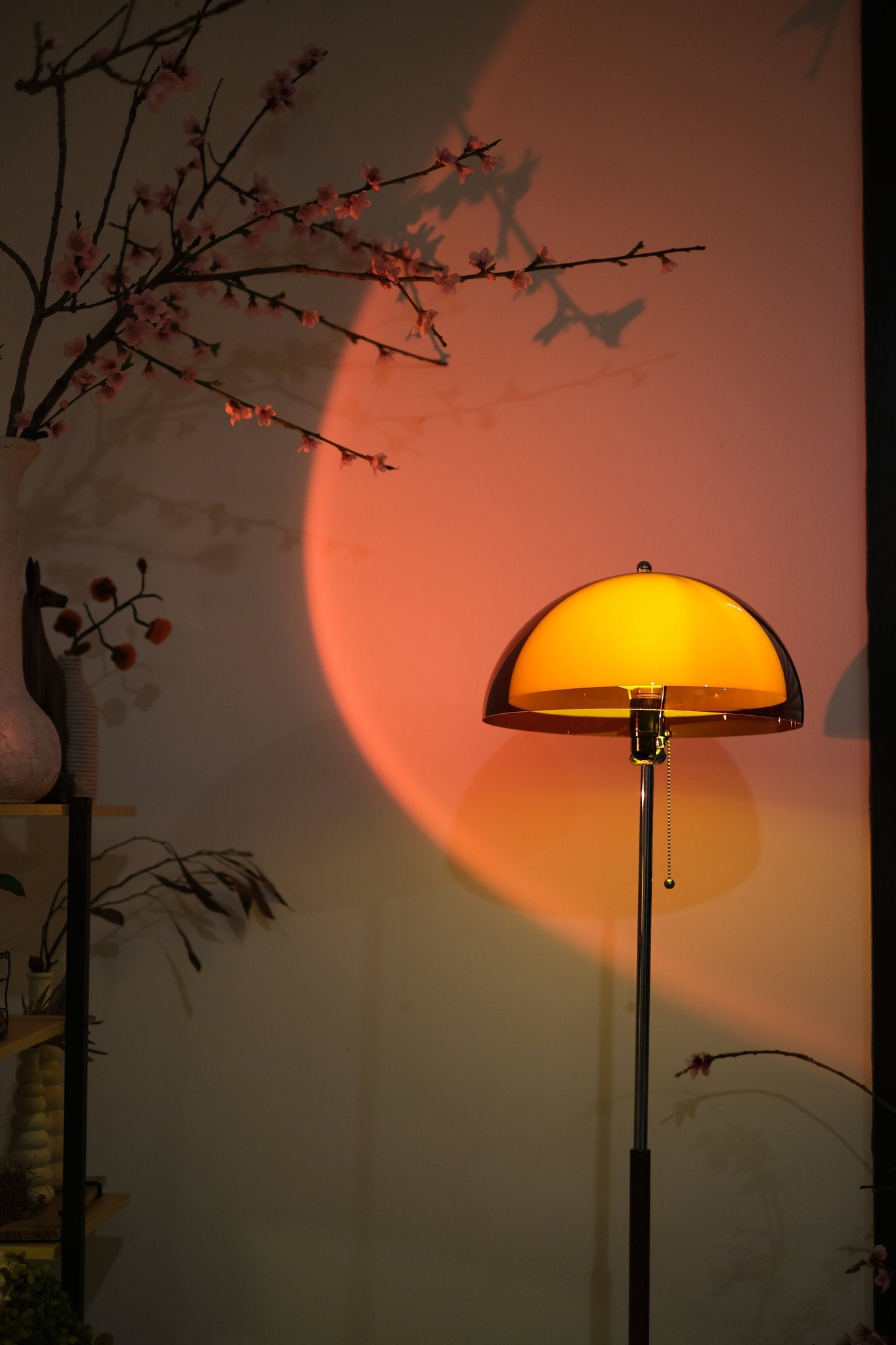
You've done it. We've all done it. You pick up your phone "just for a second" – and suddenly it's 45 minutes later, you've watched 17 cooking videos, three life hacks you'll never use, and a dog wearing sunglasses. And your eyes feel like sandpaper. The blue glow of screens is everywhere. It's in our hands, on our desks, in our beds. It keeps us alert when we want to relax, and it fills our evenings with noise when we crave quiet. But here's the thing. There's a different kind of glow waiting for you. It doesn't scroll. It doesn't notify. It doesn't demand your attention. It just… sits there, warm and steady, reminding you that the real world is still here. That's the magic of an amber lamp. And it might be exactly what your evenings need in 2026. Why Your Brain Craves Amber Light There's a reason firelight feels so good. Our ancestors gathered around fires for hundreds of thousands of years. That warm, flickering glow meant safety, connection, and rest. Your brain still associates amber light with those things – even if you're just sitting on your sofa in 2026. What amber light does: Triggers melatonin production (the sleep hormone) Lowers cortisol (the stress hormone) Slows your heart rate Signals your brain that the day is done What your phone does: Suppresses melatonin Keeps cortisol humming Keeps your brain alert and reactive Tricks your body into thinking it's still midday The difference isn't subtle. It's biological. When you swap the blue glow of scrolling for the warm glow of an amber lamp, you're not just changing the lighting. You're changing how your entire nervous system responds to the end of the day. The Scroll Trap Here's how it usually goes. You finish dinner. You sit down on the sofa. You pick up your phone "just to check something." And then you're gone. TikTok. Instagram. News. More TikTok. Each video is designed to keep you watching. The endless scroll is literally engineered to be addictive. And the blue light keeps your brain awake, even while you're "relaxing." The cost: Tired, strained eyes Poor sleep quality Increased anxiety Lost time with actual humans in your actual home The alternative: Leave your phone in the other room. Turn on an amber lamp. Let the warm, steady glow fill the space. And just… be. It sounds simple because it is. But simple doesn't mean easy. That's why creating a separate "evening zone" with amber light helps – it physically shifts you out of screen mode. For more on setting up calming evening spaces, our guide on the Screen-Free Hour: Lamps That Help You Unwind has plenty of ideas. The Kinetic Warmth of Amber Light Here's something designers talk about but most people don't notice. Amber light isn't just warm – it's active. Not in a flashy, move-your-eyes way, but in how it plays with surfaces. It catches the grain in timber. It softens the edges of furniture. It makes shadows feel like part of the room, not an absence of light. The light itself feels alive, even though it's perfectly still. That's what designers mean by "kinetic warmth." The light doesn't move, but the room feels different. You feel different. There's a quiet energy in the space that never existed under harsh overheads. Try this: Light only with an amber lamp for one evening. No overheads. No other lamps. Watch how the shadows change as you move around the room. Notice how your own body feels different in that light. Where to Use Amber Lamps The Bedroom This is where amber light really shines. Replace your cool bedside lamp with an amber lamp. Read under it. Scroll under it (if you must). Notice how much easier it is to fall asleep after. The Living Room Ditch the overheads. Use an amber floor lamp beside the sofa. Pair it with a small amber lamp on a side table. Create a zone where screens are optional and presence is the default. The Dining Room Dinner under warm amber light feels like a restaurant, not a cafeteria. It makes food look better, people look better, and conversations flow more easily. Use a dimmable table lamp or pendant with an amber bulb. The Home Office During the day, bright light helps you work. But when the sun goes down, switch to amber. It signals your brain that work is over – even if you're still sitting at the same desk. Explore our collection of soft light lamps and amber lamps for each of these spaces. Amber Lamps vs. Blue Light Glasses You've probably heard of blue light glasses. Maybe you even own a pair. They filter out the blue wavelengths from screens, supposedly reducing eye strain and improving sleep. They're not useless. But they treat the symptom, not the cause. An amber lamp treats the cause. Instead of filtering the light from your screen, it replaces the entire lighting environment with something fundamentally different. It shifts your room – and your brain – from "work/alert" mode to "rest/recover" mode. The difference: Blue light glasses: Wear something on your face, keep doing the same thing Amber lamp: Change your environment, change your behaviour One is a band-aid. The other is a ritual. For more on eye-healthy lighting, our guide on what kind of light reduces eye strain covers the research. The Ritual of Turning Off Here's a simple practice to try. Every evening, at a specific time (say 8pm), do this: Put your phone face-down on a table Turn off every cool-white light in the room Turn on your amber lamp Sit with it for a few minutes. No phone. No book. Just the light. That's it. It's not complicated. But that small ritual marks the end of "screen time" and the beginning of "your time." Your brain will start to associate that amber lamp with the feeling of permission to relax. It becomes a trigger – a healthy, beautiful trigger – that says: "You're done. Rest now." What to Look For in an Amber Lamp Not all amber lamps are created equal. Here's what matters. Colour Temperature Aim for 2200K to 2400K – that's true amber territory, not just "warm white." It mimics candlelight and firelight. Dimmability Amber light is best at low brightness. Always choose a dimmable lamp or bulb. Shade Material Fabric, paper, or frosted glass all work well. Avoid anything that lets you see the bare bulb – the light should be diffused. Size and Placement One small amber lamp is enough to transform a room. Place it at eye level (on a side table, shelf, or desk) for maximum effect. Browse our range of retro lamps to find your perfect evening companion. Quick Checklist: Making the Switch Tonight: Turn off every cool-white light after dinner Light only with an amber lamp or warm lamp (2700K or lower) Leave your phone in another room for at least one hour This week: Buy one amber lamp for your bedside or living room Swap any cool bulbs in your evening spaces for warm amber bulbs Set a "screen cut-off" time and use your amber lamp as the signal The Bottom Line Your phone is designed to keep you scrolling. Your brain is designed to respond to amber light. Right now, the phone is winning. But it doesn't have to. One amber lamp won't solve everything. But it can shift your evening from "more screen time" to "time for you." It can replace the blue glow of distraction with the warm glow of presence. And honestly? The real world – the one with the lamp, the room, and you in it – is way more interesting than anything on TikTok. Ready to swap scrolling for something better? Explore our collection of amber lamps and soft light lamps at Homezee today. Start with our collection of warm, diffusing lamps – perfect for creating that gentle, kinetic glow in your living space. And for those quiet, screen-free moments, browse our selection of all lighting – each one designed to cast beautiful, eye-comforting amber light exactly where you need it. FAQs 1. What's the difference between an amber lamp and a warm white lamp? Amber lamps sit at the warmest end of the spectrum – around 2200K to 2400K – mimicking candlelight and firelight. Warm white is 2700K, which is still warm but more versatile. Amber is specifically for evening relaxation and winding down, while warm white works for general cosy lighting. 2. Can an amber lamp help me sleep better? Yes. Amber light contains very little blue wavelength, which means it doesn't suppress melatonin production. Using an amber lamp in the hour before bed helps your brain transition naturally toward sleep. 3. Is amber light bright enough to read by? Yes, but you'll want a brighter amber lamp (400+ lumens) for reading. For just relaxing, a lower brightness is fine. Always choose a dimmable amber lamp so you can adjust based on your activity. 4. Do I need to replace all my lamps with amber ones? No. Just use amber lamps in your evening spaces – the bedroom, living room, and any area where you wind down. Keep warm white or cool white for daytime and task-specific areas. 5. Can I use an amber lamp with a smart bulb? Yes. Many smart bulbs allow you to adjust colour temperature all the way to amber (2200K). Just set an evening routine that automatically switches your lights to amber at sunset. Still have questions about amber lighting? Our Homezee team is here to help. And if you're looking for lamps for sale that bring warm, screen-free glow to your home, we've got you covered.
Learn more
How Lighting Shapes Everyday Family Moments
Think about your favourite family memory from the past year. Maybe it's dinner around the table, everyone laughing at something silly. Maybe it's bedtime stories with the kids, all piled on the sofa. Maybe it's a quiet Sunday morning, coffee in hand, watching the sunlight filter through the curtains. Now think about the light in that memory. Chances are, it wasn't harsh overheads or fluorescent tubes. It was warm. Soft. Gentle. The kind of light that makes you want to stay a little longer. We don't usually notice lighting when it's right. We only notice when it's wrong – when it's too bright, too dim, or casting weird shadows across someone's face. But the truth is, lighting shapes every single family moment. It sets the tone. It changes how we feel. It makes the ordinary feel special. Here's how to get it right. Morning: Gentle Light for Gentle Beginnings Mornings in Australian homes can be chaotic. Kids need to get ready. Partners are rushing for coffee. And everyone's trying to wake up without being grumpy about it. The mistake is flicking on bright, cool ceiling lights the second you wake up. That harsh jolt of blue-toned light is like an alarm clock for your nervous system – stressful and abrupt. The fix is to use a dimmable small lamp or bedside table lamp to wake up gradually. Warm light (2700K) at low brightness signals your brain that it's time to wake up, but gently. If you have a smart bulb, set it to gradually brighten over 15 minutes – like a sunrise. The family moment? Your kids wake up to soft, warm light instead of harsh brightness. They start the day calmer. You start the day less frazzled. The morning rush still happens, but without the frantic edge. Breakfast: Light That Makes Everyone Feel Welcome The kitchen and dining area are the heart of the home. But if the lighting is wrong, even the best breakfast feels rushed and uninviting. The mistake is relying on one bright overhead light that flattens everything and makes everyone look tired. The fix is to layer your breakfast lighting. Use a dimmable overhead light for general visibility, plus a small lamp or table lamp on the bench or sideboard for warmth. Even in the morning, a touch of warm accent light changes the whole vibe. The family moment? Breakfast becomes a moment of connection, not just fuel. The light is warm enough to feel cosy, bright enough to see the toast. Conversations flow more easily. No one's squinting. Afternoon: Light That Transitions with You Afternoons are transitional. Work ends. School finishes. The house shifts from quiet to busy. Your lighting should shift too. The mistake is leaving the same lighting setup all day – too bright for winding down, too dim for homework or activities. The fix is to use dimmable floor lamps and smart bulbs that you can adjust as the afternoon progresses. Start with brighter ambient light while kids do homework or you prep dinner, then gradually dim as everyone transitions into evening mode. The family moment? The after-school chaos feels manageable. Kids can see their homework, but the room doesn't feel like a hospital. And when it's time to relax, you're already halfway there. Dinner: Light That Brings Everyone Together Dinner time is sacred. It's when families actually sit down together, if you can get everyone off their screens. And the lighting makes or breaks it. The mistake is bright, unflattering overhead light that makes everyone look exhausted and washes out your food. The fix is to dim the overheads. Use a small lamp or table lamp near the dining area, or a dimmable floor lamp positioned to cast warm glow across the table. For extra points, add a soft light lamp on a sideboard for depth. The family moment? The food looks better. Everyone looks better. The conversation feels more intimate, less like a meeting. You stay at the table longer because the room makes you want to stay. Evening: Light for Winding Down Together Evenings are for connection – reading, chatting, watching something together. But the lighting needs to support that, not fight it. The mistake is keeping bright lights on until everyone goes to bed. Your brain stays alert, and winding down feels like a chore. The fix is to gradually dim your lights as the evening progresses. Start with moderate brightness for activities, then drop to low, warm glow for relaxation. Use small lamps and soft light lamps for that cosy, intimate feeling. The family moment? Movie night on the sofa feels like a cinema. Reading together feels peaceful, not hurried. The kids actually relax before bed, and you feel like you've spent quality time together – not just been in the same room. For more on creating evening atmosphere, our article on the science of cozy explains why warm light helps you relax. Bedtime: Light That Signals Sleep Bedtime routines are crucial for kids and adults. The right lighting helps everyone transition from awake to asleep. The mistake is bright overhead lights right up until lights-out. This suppresses melatonin and makes falling asleep harder. The fix is to use warm, dim bedside lamps or wall lights for bedtime reading and winding down. For kids, a small lamp with a low-wattage bulb or a dimmer helps them feel safe without disrupting sleep. The family moment? Bedtime feels calm, not chaotic. Kids settle faster. You get some quiet time before your own bedtime. The house transitions from "active" to "rest" with a gentle glow. For more bedtime lighting tips, our guide on how many lumens for a bedroom covers the perfect brightness levels. The Weekend: Light for Slow Mornings Weekends are for taking it slow – no alarms, no rush. And the light should match that mood. The mistake is the same morning routine as weekdays – bright lights, fast pace. The fix is to keep your floor lamps and table lamps on dim. Use natural light where possible, and supplement with warm lamps when needed. The goal isn't brightness – it's comfort. The family moment? Slow mornings together – coffee, pancakes, stories. The light stays soft, the mood stays relaxed, and everyone actually feels like they've had a break. The Family Lighting Checklist For every room: Warm bulbs (2700K) everywhere Dimmers on your most-used lamps At least three light sources per living area Soft light lamps with fabric or linen shades For every moment: Morning: Gentle, gradual light Breakfast: Layered warmth Afternoon: Transitional, adjustable Dinner: Intimate, low glow Evening: Dim and cosy Bedtime: Soft, sleep-ready The Bottom Line Lighting doesn't just help you see. It helps you feel. It shapes the moments that become memories – the shared meals, the quiet conversations, the lazy Sunday mornings. When you get the light right, you don't notice it. You just notice that the room feels better. The family feels closer. The moments feel more precious. And that's the whole point. Ready to shape your family's best moments with better lighting? Explore our collection of warm, dimmable floor lamps, table lamps, and small lamps at Homezee today. Start with our collection of warm, diffusing Acrylic lamps– perfect for anchoring your living space with that gentle, inviting glow. And for layered, intimate lighting, browse our selection of table lamps – each one designed to cast beautiful, eye-comforting light exactly where you need it. FAQs 1. What type of lighting is best for family living rooms? A mix of ambient, task, and accent lighting – with warm bulbs (2700K) and dimmers. Start with a floor lamp near seating for reading and cosiness, add a small lamp on a sideboard or shelf, and keep overhead lights on a dimmer for flexibility. 2. How can I make my dining room feel cosier for family dinners? Dim your overheads and add warm accent lighting. Use a table lamp or floor lamp positioned to cast gentle glow across the table. Keep the light warm (2700K or lower) and consider using a dimmer to adjust throughout the meal. 3. What's the best light for kids' bedtime routines? Warm, dim light with no blue content. Use bedside lamps with warm bulbs (2700K) and keep brightness low. Avoid overhead lights during the wind-down phase, and consider a small lamp with a dimmer for gradual dimming. 4. Can good lighting really change how my family interacts? Yes. Warm, layered lighting makes spaces feel more inviting, intimate, and comfortable. When people feel comfortable, they relax, talk more, and stay longer. Harsh overhead lights create tension – even if you don't notice it consciously. 5. How do I transition from daytime to evening lighting in my home? Use dimmers or smart bulbs to gradually reduce brightness as the sun sets. Start dimming your main lights around sunset, then switch to lamps only after dinner. Use warm bulbs everywhere. This gradual transition helps everyone in the family wind down naturally. Still have questions about lighting your family's best moments? Our Homezee team is here to help. And if you're looking for lamps for sale that bring warmth and connection, we've got you covered.
Learn more