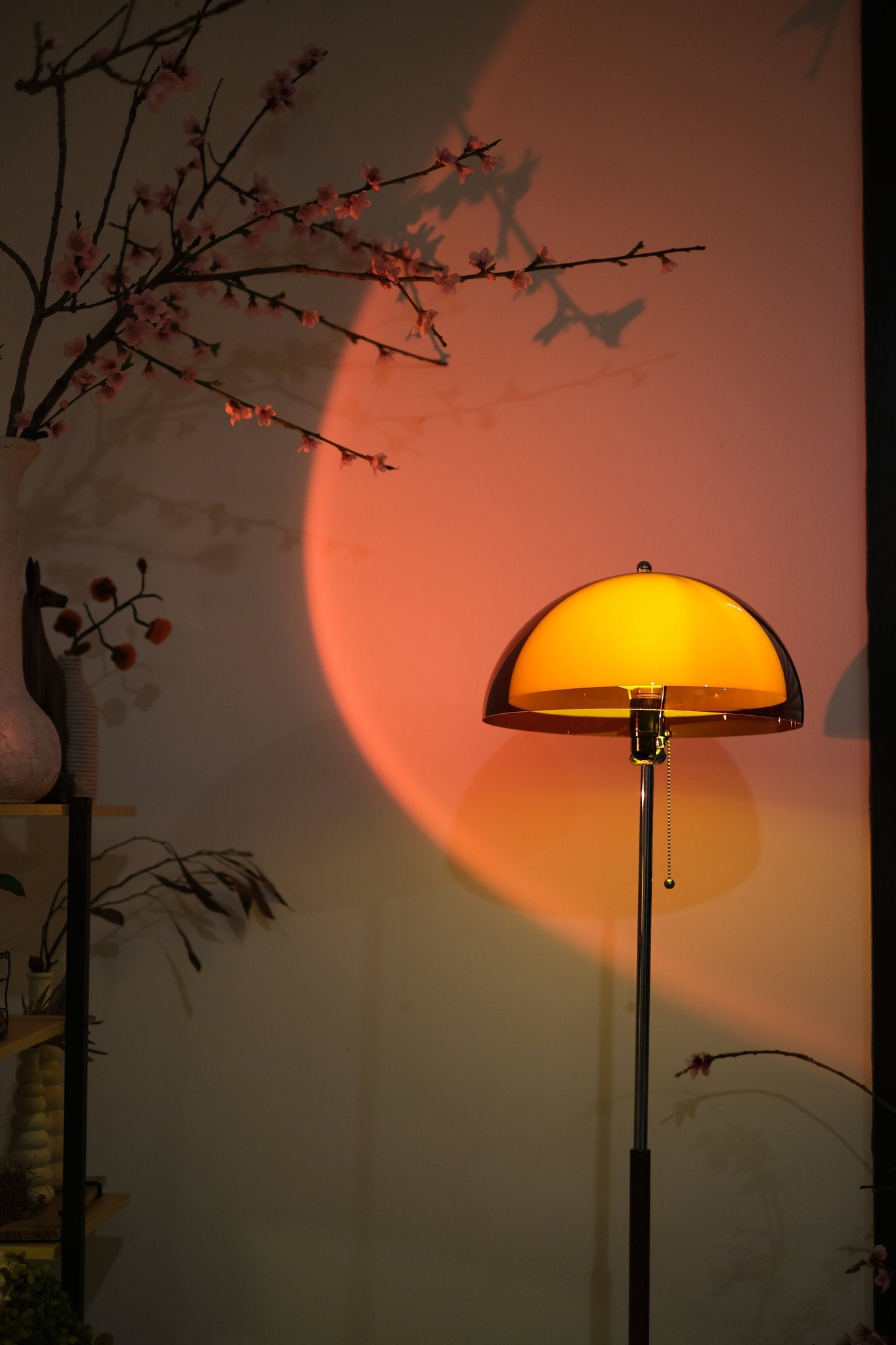

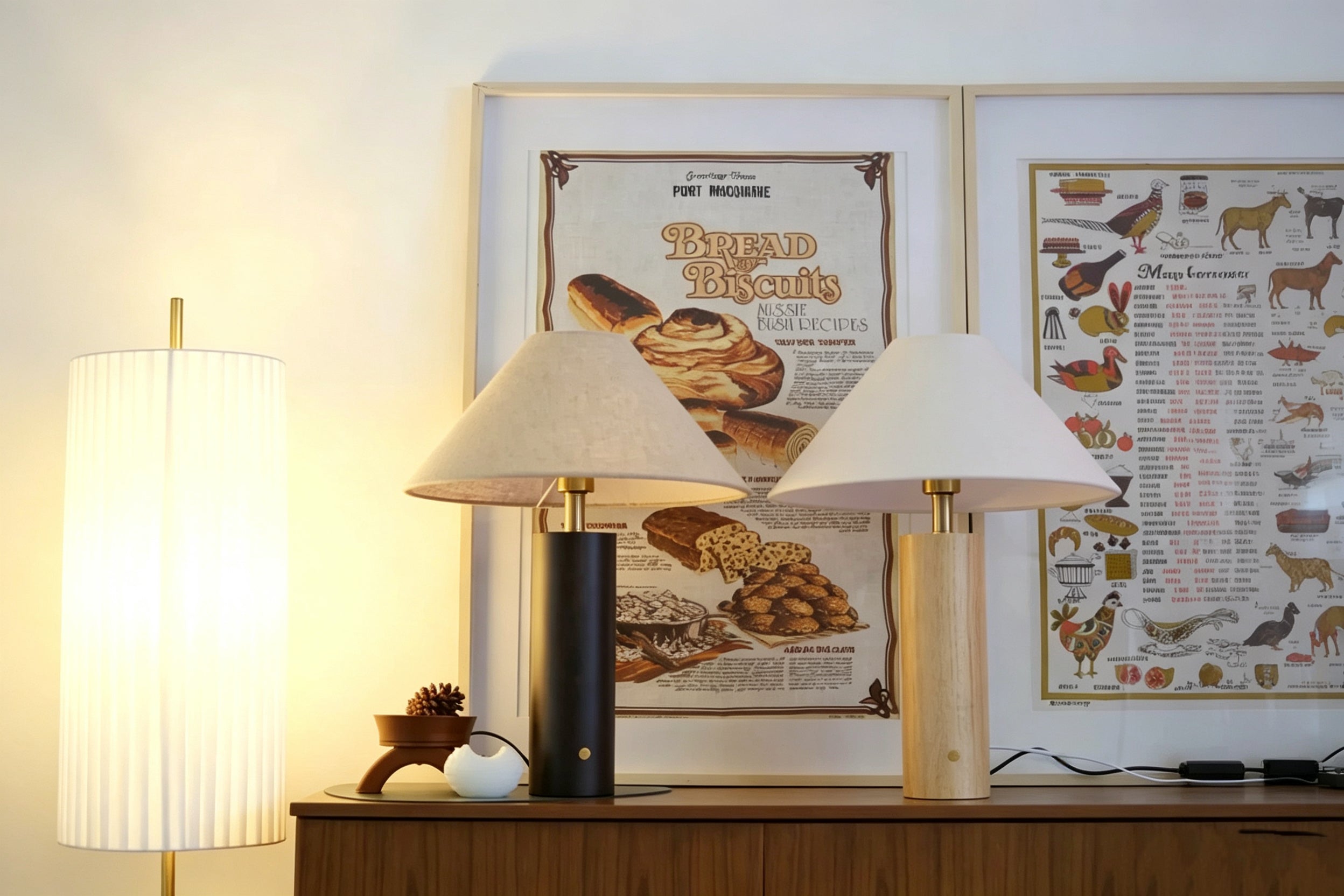
You know the feeling.
You close your laptop. You push your chair in. You walk away from your desk. But your brain? Still there. Still running through that email. Still planning tomorrow's to-do list. Still thinking about what you should have said in that meeting.
Work doesn't end just because you stop working. It lingers. It buzzes in the background like an app you can't quite close.
But here's the thing. Your environment can help you close that app. And one of the most effective tools for doing that is a Japandi lamp.
Japandi – the blend of Japanese minimalism and Scandinavian warmth – is having a serious moment in Australian homes in 2026. And for good reason. The design philosophy is built around calm, simplicity, and intentionality. Exactly what you need when you're trying to leave the workday behind.
Let's talk about how a Japandi lamp can help you switch off – and why it's more than just a nice-looking light.
What Is Japandi Lighting?

Japandi isn't just about furniture. It's a philosophy.
It combines the clean lines and minimalism of Japanese design with the warmth, texture, and coziness (hygge) of Scandinavian interiors. The result? Spaces that feel calm, uncluttered, and deeply human.
In lighting, Japandi means:
-
Natural materials – timber, bamboo, paper, linen
-
Warm, diffused light – never harsh or glaring
-
Simple, sculptural shapes – functional art
-
Soft, neutral tones – beige, taupe, charcoal, warm white
-
Intentional placement – every lamp has a purpose
A Japandi lamp isn't there just to light a room. It's there to change how the room feels. And how you feel in it.
Why Japandi Helps You Switch Off
Here's the thing about modern life. Everything is designed to keep your attention. Your phone. Your email. Your notifications. They're all screaming for a piece of your brain.
A Japandi lamp is the opposite. It doesn't demand attention. It doesn't flash or buzz or notify. It just sits there, warm and steady, reminding you that the present moment is enough.
The psychology:
-
Natural materials signal safety and calm (our brains associate timber, paper, and linen with nature and shelter)
-
Warm light (2700K or lower) triggers melatonin production and lowers cortisol – the stress hormone
-
Simple shapes reduce visual noise, giving your brain room to rest
-
Intentional design feels purposeful – you're not just turning on a light, you're beginning a ritual
That last point matters more than you think. When you consciously turn on a Japandi lamp after work, you're drawing a line. You're saying: "Now I'm done." The physical act of switching the lamp on becomes a psychological switch-off signal.
For more on how warm light affects your brain, our guide on the science of cozy covers the biology behind it.
Where to Put Your Japandi Lamp
The Bedside

Your bedside is the most important spot for a Japandi lamp. It's the last thing you see before sleep and the first thing you see when you wake. Choose a lamp with natural timber or ceramic, a linen or paper shade, and a dimmer. It signals "rest" to your brain every single day.
The Living Room Corner

Place a Japandi floor lamp next to your favourite chair. It creates a designated "switch-off zone" – a spot where you relax, read, or just exist without screens.
The Entryway
Your home's entrance sets the tone. A Japandi lamp on a console table says "you're home now" before you've even made it to the sofa.
The Home Office

When you're not in work mode, turn on your Japandi lamp instead of the overheads. It's a visual cue that the space is no longer for work – even if it's the same room.
For more placement ideas, our article on floor lamp placement tips has plenty of practical advice.
The Ritual: How to Use Your Lamp to Switch Off

Here's a simple evening ritual using your Japandi lamp.
Step 1: Close your laptop. Put your phone face-down.
Step 2: Turn off every cool-white overhead light in the room.
Step 3: Turn on your Japandi lamp. Watch the warm glow spread across the room.
Step 4: Sit with it for a minute. No phone. No screen. Just the light and the room.
Step 5: Do whatever you do to unwind – read, chat, cook, or just be.
That's it. It's not complicated. But that deliberate shift from "work lighting" to "rest lighting" is powerful. Your brain will start to associate that particular lamp with permission to stop.
What to Look For in a Japandi Lamp
Not every lamp qualifies as Japandi. Here's what to look for.
Materials
Timber, bamboo, rice paper, linen, ceramic – anything natural and warm. Avoid plastic, shiny metals, and synthetic finishes.
Colour
Neutral tones – beige, warm white, charcoal, taupe, soft cream. Nothing bright or bold.
Shape
Simple, sculptural, organic. Think cylindrical, spherical, or gently curved. Nothing fussy or ornate.
Light Quality
Warm (2700K or lower), diffused, dimmable. The lamp should never glare – the light should be soft and indirect.
Dimmability
Non-negotiable. You need control over brightness as your mood shifts.
Japandi vs. Other Lighting Styles
Scandi is warmer and more textural, but it still leans heavily on bright white walls and functional minimalism. Japandi is softer, more organic, and more intentional about natural materials.
Japanese minimalist can feel sparse and uninviting on its own. Japandi adds the Scandinavian warmth that makes minimalism feel human.
Industrial is all about metal, concrete, and exposed bulbs. It's bold and structured – the opposite of the soft, calming glow of a Japandi lamp.
Boho is colourful, layered, and eclectic. Japandi is restrained, neutral, and intentional. Both are beautiful – but only one is designed to help you switch off.
The 2026 Shift: Lighting as a Ritual

In 2026, Australians aren't just buying lamps for light. They're buying them for feeling.
More people are choosing their lighting based on how they want to feel at the end of the day. Not just "bright enough to see," but "soft enough to relax." Not just "functional," but "intentional."
A Japandi lamp fits this shift perfectly. It's not a trend – it's a response to a world that never stops demanding our attention. It's a tiny rebellion against the endless scroll, the constant notifications, the pressure to always be "on."
You turn on a Japandi lamp, and you're saying: "This is my time now."
Quick Checklist: Switching Off with Your Japandi Lamp
Tonight:
-
Close your laptop and put your phone away at a set time
-
Turn off all cool-white lights
-
Turn on your Japandi lamp (warm, dim, diffused)
-
Spend at least 30 minutes in its glow without screens
-
Notice how you feel. Calmer? More present? That's the point.
This week:
-
Buy one Japandi lamp for your living room or bedside
-
Replace harsh bulbs with warm, dimmable ones
-
Create a designated "switch-off zone" near your lamp
The Bottom Line
You can't always control how much work you have. But you can control your environment. And your environment can control how you feel.
A Japandi lamp is more than a light. It's a signal to your brain that the workday is over. It's a reminder that the real world – the one with warmth, texture, and presence – is still here. And it's waiting for you.
So tonight, after work, try it. Close the laptop. Turn off the overheads. Light a Japandi lamp. And just be.
Start with our collection of warm, diffusing floor lamps – perfect for creating that gentle, intentional glow in your switch-off zone.
FAQs
1. What makes a lamp Japandi?
A Japandi lamp uses natural materials (timber, paper, linen, ceramic), warm diffused light, simple sculptural shapes, and neutral tones. It prioritises calm and intentionality over flash or fashion.
2. Can I use a Japandi lamp with my existing decor?
Yes. Japandi's neutral palette and simple forms make it incredibly versatile. It works with Scandi, minimalist, coastal, and even modern interiors. The warm natural materials complement most Australian homes.
3. Is Japandi lighting bright enough for reading?
Yes, but it depends on the lamp. Look for a Japandi lamp with 400+ lumens and a shade that directs light downward or at an angle. For heavier reading, consider pairing it with a task lamp that matches the Japandi aesthetic.
4. How do I know if a lamp is good quality?
Check the materials. Solid timber or high-quality ceramic. A well-made shade. A sturdy base. The lamp should feel substantial but not heavy. And it should use warm, diffused light that's easy on the eyes.
5. How many Japandi lamps do I need?
Start with one. See how it feels in your space. Then add a second for layering. The goal is warm, even illumination, not clutter. In a medium living room, two or three well-placed lamps are usually enough.
Still have questions about Japandi lighting? Our Homezee team is here to help.