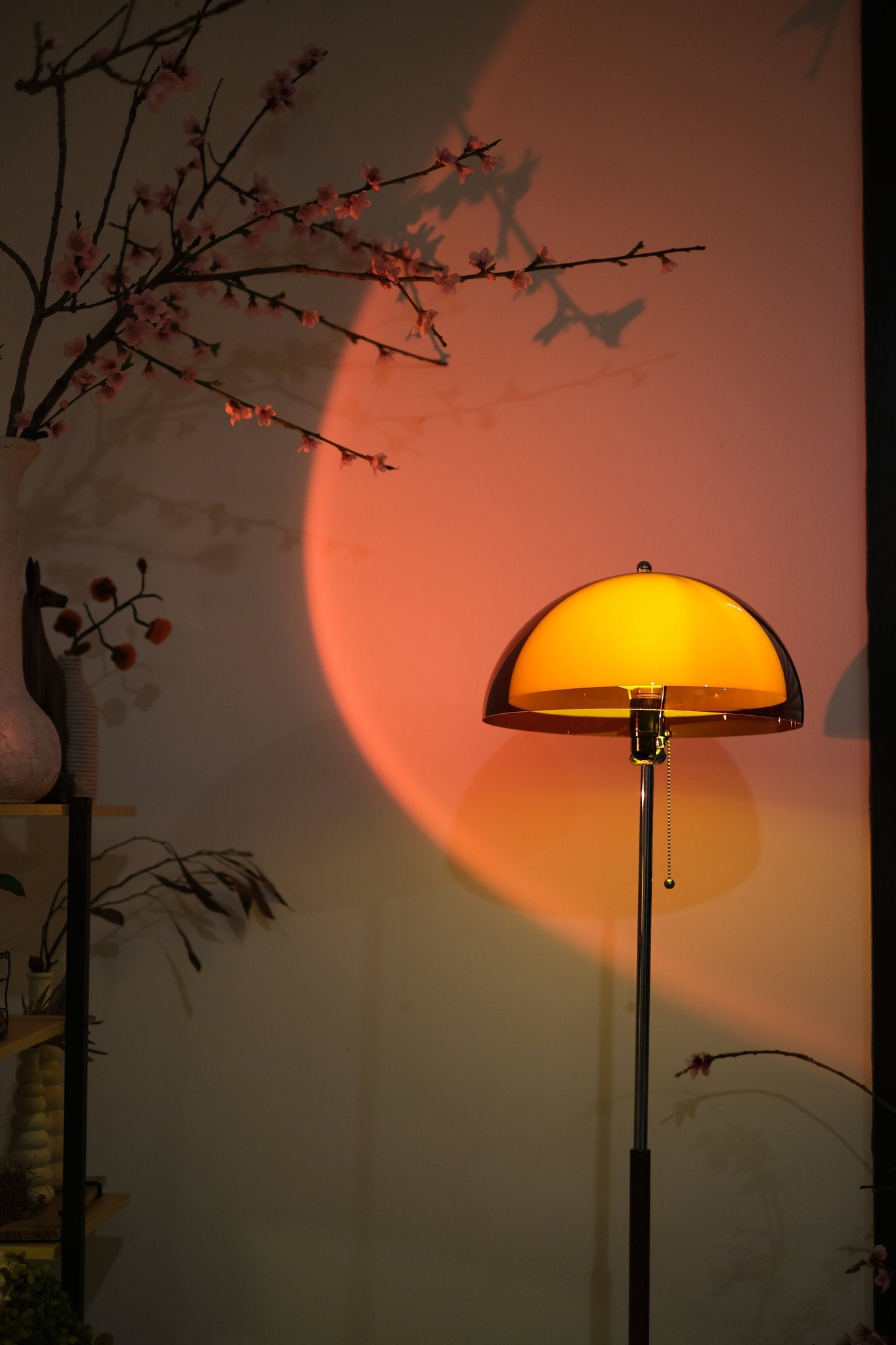

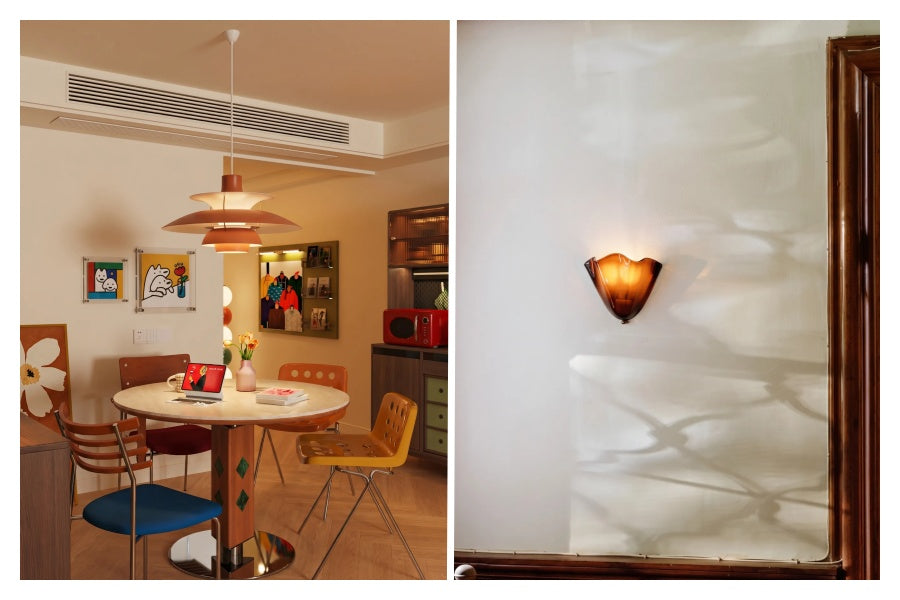
Lighting can completely change the way your home looks and feels. The same room can feel bright and practical during the day, then warm and relaxing at night—all depending on how it's lit. That's why one of the most common questions Australian homeowners ask is: Should I choose wall lights or ceiling lights?
The truth is, there isn't a one-size-fits-all answer. Both lighting options have their strengths, and the best choice often depends on your room, your lifestyle, and the atmosphere you want to create.
In this guide, we'll compare wall lights and ceiling lights, explore where each works best, and help you decide which option suits your modern Australian home.
Why Lighting Matters More Than Ever
Modern Australian homes are all about open-plan living, natural light, and creating comfortable spaces that work from morning to night. Lighting isn't just about visibility anymore—it's part of your interior design.
The right lighting can:
-
Make a small room feel larger
-
Create a warm and inviting atmosphere
-
Highlight artwork or architectural features
-
Improve productivity in workspaces
-
Help you relax after a long day
That's why many designers recommend layering different light sources instead of relying on just one fixture.
What Are Ceiling Lights Best For?

Ceiling lights are the main source of illumination in most homes. They're designed to spread light evenly across an entire room, making them ideal for everyday activities.
Advantages of Ceiling Lights
Bright Overall Illumination
Whether you're cooking dinner or cleaning the house, ceiling lights provide broad coverage that lights up the entire space.
Perfect for Large Rooms
Living rooms, kitchens, dining rooms, and open-plan areas usually benefit from ceiling-mounted fixtures because they distribute light more evenly.
Huge Variety of Styles
From modern flush mounts to statement pendants and elegant chandeliers, there's a ceiling light for every decorating style.
Great for General Lighting
Think of ceiling lights as your home's "main light switch." They're designed to handle everyday lighting needs.
Where Ceiling Lights Fall Short

Although ceiling lights are essential, they aren't always enough on their own.
Some common issues include:
-
Harsh shadows
-
Flat-looking rooms
-
Too much brightness in relaxing spaces
-
Limited ability to highlight décor
A single ceiling light often makes a room feel functional—but not necessarily cosy.
Why Wall Lights Are Becoming More Popular

Wall lights have become a favourite in modern Australian homes because they add depth, warmth, and personality.
Instead of flooding a room with light, they create layers that make spaces feel softer and more inviting.
Advantages of Wall Lights
Better Mood Lighting
Wall lights produce indirect lighting that reduces glare and creates a comfortable atmosphere.
They're perfect for:
-
Living rooms
-
Bedrooms
-
Reading corners
-
Hallways
Save Space
Because they're mounted on the wall, wall lights free up bedside tables, desks, and shelves.
This is especially useful in apartments or smaller homes.
Highlight Design Features
Wall sconces can draw attention to:
-
Artwork
-
Textured walls
-
Decorative mirrors
-
Built-in shelving
They turn ordinary walls into design features.
Stylish Without Being Overwhelming
Modern wall lights come in countless styles, including:
-
Scandinavian
-
Japandi
-
Contemporary
-
Industrial
-
Mid-century modern
They act as both lighting and décor.
Which Rooms Benefit Most from Wall Lights?
Bedroom
Wall lights replace bulky bedside lamps while creating a relaxing atmosphere before sleep.
Hallway
Instead of one bright ceiling light, multiple wall lights create a softer, more welcoming path through your home.
Living Room
Layered lighting helps create different zones for watching TV, reading, or entertaining guests.
Home Office
Wall-mounted lights reduce desk clutter while providing focused task lighting.
Dining Area
Used alongside pendant lighting, wall lights help create a more intimate dining experience.
Why Many Designers Recommend Using Both
Here's the secret: it's not wall lights or ceiling lights—it's wall lights and ceiling lights.
Professional interior designers often combine both to create layered lighting that is functional and visually appealing.
For example:
-
Ceiling lights provide general illumination.
-
Wall lights add warmth and reduce harsh shadows.
-
Table lamps create cosy corners.
-
Floor lamps provide flexible accent lighting.
This layered approach allows you to adjust the mood depending on the time of day or the activity.
Style Tips for Modern Australian Homes
If you're designing a contemporary Australian interior, here are a few ideas:
Coastal Homes
Choose white, timber, or brushed brass wall lights paired with simple ceiling fixtures.
Minimalist Interiors
Matte black wall sconces work beautifully alongside clean-lined ceiling lights.
Japandi Style
Soft curves, natural wood, and warm LED lighting create a calm, balanced look.
Industrial Spaces
Combine black metal wall lights with exposed pendant lights for added character.
Keeping finishes consistent throughout your home helps create a polished, cohesive design.
Keep Every Light Looking Its Best

No matter which type of lighting you choose, regular maintenance keeps it shining bright.
If your home features pendant lights above the kitchen island or dining table, it's worth checking out Homezee's "How to Clean Pendant Lights: A Step-by-Step Maintenance Guide."
Keeping your lighting fixtures clean not only improves their appearance but also helps maximise light output and extend their lifespan.
So, Which One Should You Choose?

If you need bright, practical lighting for everyday use, ceiling lights are essential. They're ideal for illuminating larger areas and providing the main source of light throughout your home.
If you're looking to create a warm, inviting atmosphere with added style and flexibility, wall lights are hard to beat. They bring depth, highlight your décor, and make rooms feel more comfortable.
For most modern Australian homes, the best solution is a combination of both. Ceiling lights handle the practical side, while wall lights add character, balance, and ambience. Together, they create a home that's not only functional but also beautiful to live in.
FAQs
1. Are wall lights enough to light an entire room?
Usually not. Wall lights are best used as accent or ambient lighting and work best alongside ceiling lights.
2. Do modern Australian homes still need ceiling lights?
Yes. Ceiling lights remain the primary source of general lighting in most homes.
3. Which is more energy-efficient: wall lights or ceiling lights?
Energy efficiency depends on the bulb rather than the fixture. LED wall lights and LED ceiling lights are both highly energy-efficient.
4. Are wall lights suitable for hallways?
Yes. They're one of the best ways to make hallways feel brighter, warmer, and more stylish.
5. Should wall lights match ceiling lights?
They don't need to be identical, but matching finishes or design styles creates a cohesive look.