
You find the perfect lamp online. It looks stunning in the photos – warm, elegant, exactly what your room needs. You order it. You wait. You unbox it. You plug it in.
And then… it looks completely different.
The shade seems darker. The light is cooler than you expected. The whole vibe is off. Suddenly, you're wondering if you made a mistake.
Here's the thing. You probably didn't. Lamps just look different when they're turned on than when they're off. And there are perfectly good reasons for that – reasons you can actually control once you understand them.
Let's break down why your lamp changes personality when you flip the switch.
The Bulb: The Biggest Culprit

Here's a scenario that happens all the time. You buy a lamp with a beautiful glass shade. It looks perfect when it's off. You screw in a bulb and turn it on – and the glass looks muddy, or the light is harsh, or the whole thing just feels wrong.
The problem: The bulb you chose changed everything.
Not all bulbs are the same. The colour temperature (how warm or cool the light is), the brightness (lumens), and even the shape of the bulb affect how the lamp looks when it's on.
What to look for:
-
Colour temperature: A 2700K warm white bulb makes glass shades look rich and inviting. A 4000K cool white bulb makes the same glass look flat and clinical. Some shades, especially coloured or opal glass, look completely different under different temperatures.
-
Brightness: A high-wattage bulb can wash out the colour of a glass shade, making it look almost white or translucent. A lower-wattage bulb lets the true colour of the shade shine through.
-
Bulb shape: If the bulb is visible (like in a clear glass shade), the shape matters. Globe bulbs, candle bulbs, and vintage filament bulbs all create different visual effects.
The fix: Experiment with different bulbs. Swap a cool bulb for a warm one. Try lower wattage. Play with bulb shapes. You'd be amazed what a simple bulb change can do.
For more on choosing the right bulb, our guide on what kind of light reduces eye strain covers colour temperature and brightness in detail.
The Glass Shade: Not All Glass Is the Same

Glass shades are beautiful. But they're also tricky. The way light interacts with glass depends on colour, texture, thickness, and even how the glass was made.
The science: Glass shades that are hand-blown or layered can have subtle variations in thickness and colour. These differences might not be visible when the lamp is off – but when the light comes on, they become much more obvious.
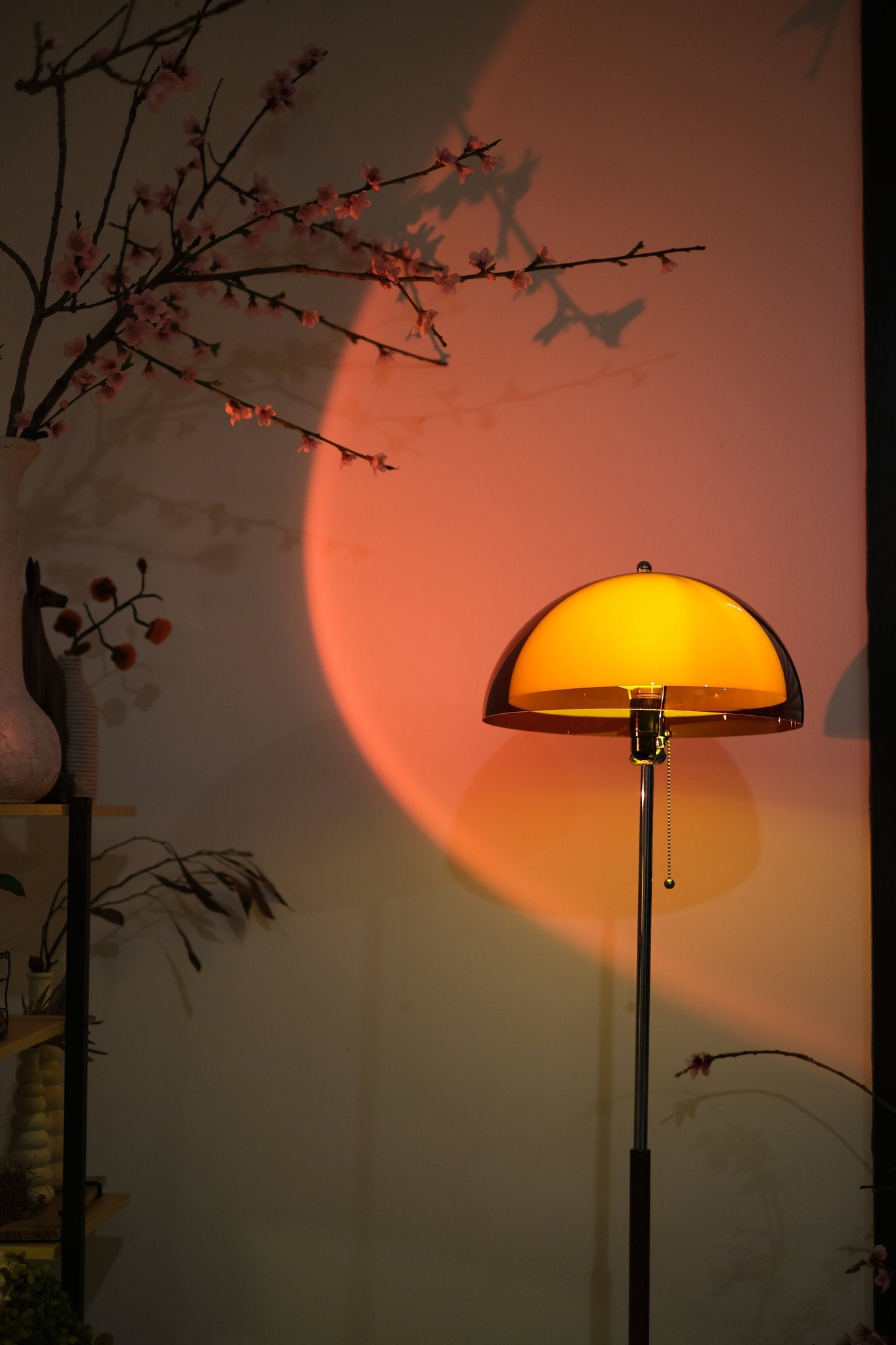
Coloured glass can look dramatically different when lit. A shade that appears deep amber when off might glow a warm honey colour when on. A dark green shade might look almost black when unlit but come alive with a rich, jewel-like glow when switched on.
Texture matters too. Ribbed glass, frosted glass, and clear glass all interact with light differently. Ribbed or frosted glass diffuses light softly, creating a gentle, even glow. Clear glass lets the bulb be the star – which means the bulb choice matters even more.
The fix: If you can, see the shade lit before you commit. If you're buying online, read reviews and check if customers have posted photos of the lamp turned on. And remember – the true colour of a glass shade is best evaluated when it's actually lit.
For more on how materials affect light quality, our article on soft light lamps covers the differences between shade types.
The Room: Walls, Floors, and Light Surfaces

Here's something most people don't think about. Your room changes how your lamp looks.
The problem: Light doesn't exist in a vacuum. It bounces off walls, floors, ceilings, and furniture. Those surfaces affect the colour, brightness, and overall feel of the light.
How it works:
-
Light-coloured walls reflect light, making the room feel brighter and the lamp's light more diffused.
-
Dark-coloured walls absorb light, making the same lamp seem dimmer and more intimate.
-
Glossy surfaces (like tiles or polished furniture) reflect light in unpredictable ways, sometimes creating glare or hotspots.
-
Matte surfaces absorb light softly, creating a more even, gentle glow.
The fix: Consider your room's colours and surfaces before you blame the lamp. A lamp that looks perfect in a bright, white showroom might feel completely different in your navy-blue living room. That's not the lamp's fault – it's just physics.
Surrounding Light Sources

Your new lamp isn't working alone. It's competing with other light sources in the room.
The problem: If your room has multiple light sources with different colour temperatures, they'll clash. A warm lamp next to a cool ceiling light will look muddy and off. A bright lamp near a dim one will create uneven, jarring contrast.
Mixed light sources can make even the most beautiful lamp look wrong. That's why designers recommend consistency – keep the same colour temperature across all your lights in a room.
The fix: If your lamp looks wrong, check your other lights. Are they all warm white? All cool? If they're mixed, choose one temperature and stick with it. Your lamp will thank you – and your eyes will too.
For more on how to layer light sources effectively, our guide on layered lighting for Australian homes covers the basics.
The "Studio" Effect
Here's a dirty little secret of product photography. The lamp you bought online looked perfect in the photos because it was photographed in a studio – under controlled lighting, against perfect backgrounds, with professional cameras and editing.
The problem: Your home isn't a studio. It has different lighting, different walls, different everything. That gorgeous lamp that looked like art in the photo might look like, well, just a lamp in your living room.
The fix: Manage your expectations. Product photos are a guide, not a guarantee. When the lamp arrives, give it time. Move it around. Change the bulb. See how it works in your actual space. Most lamps just need a little adjustment to feel right.
Quick Checklist: What to Check If Your Lamp Looks "Wrong"
Start with the bulb:
-
Is it warm white (2700K) or cooler? Swap to warm.
-
Is it the right brightness? Try lower or higher lumens.
-
Is it the right shape? Clear or frosted? Visible or hidden?
Check the shade:
-
Is the glass coloured? Remember, colour changes when lit.
-
Is the texture diffusing or directing light?
-
Is the shade clean? Dust can dull the glow.
Look at the room:
-
Are your walls light or dark? They affect the light.
-
Are there other light sources? Are they the same temperature?
-
Is the lamp in the right spot? Move it around before you give up.
The Bottom Line

A lamp that looks different when it's turned on isn't broken. It's just being honest about how light works.
The bulb changes everything. The glass shade has its own secrets. The room and its colours play a huge role. And other light sources can either help or hurt the effect.
The good news? Most of these factors are within your control. Swap the bulb. Move the lamp. Change the shade. Experiment until it feels right.
And remember – a lamp doesn't have to look perfect in every situation. It just needs to look perfect in yours.
Ready to find a lamp that looks stunning on and off? Explore our collection of warm, diffusing floor lamps, table lamps, and wall lights at Homezee today.
Start with our collection of all lamps – perfect for anchoring your living space with that warm, beautiful glow.
And for layered, ambient lighting, browse our selection of table lamps – each one designed to look just as good on as it does off.
FAQs
1. Why does my lamp look different in the room compared to the product photos?
Product photos are shot in studios with controlled lighting and backgrounds. Your room has different colours, surfaces, and existing light sources – all of which affect how the lamp looks when it's on. It's not the lamp's fault; it's just a different environment.
2. Can a bulb change how my glass shade looks?
Absolutely. A warm bulb (2700K) makes glass shades look rich and inviting. A cool bulb (4000K) can make the same shade look flat or washed out. Brightness also matters – higher wattage can make coloured glass appear lighter or almost clear.
3. What's the best bulb colour temperature for a coloured glass shade?
Stick to warm white (2700K). It enhances the rich tones in coloured glass. Cool light (4000K+) often makes coloured glass look dull or muddy. If you want the true colour of the shade to shine, go warm and low-wattage.
4. Why does my glass shade look lighter when the lamp is on than when it's off?
Coloured glass shades allow light to pass through, which changes their appearance. When the light is off, you see the glass colour as it is. When it's on, the light passes through and illuminates the glass, making it appear lighter, more vibrant, or completely different.
5. How do I make my lamp look right in my home?
Start by checking the bulb – warm white (2700K) is usually the best choice. Consider your room's colours and surfaces – they affect how the light behaves. Try moving the lamp to a different spot. And give it time – sometimes you just need to get used to it. If all else fails, ask our team – we're here to help.