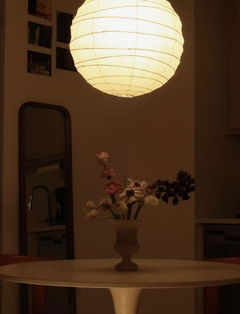



Bring Home the Glow
The festive season is made for warmer nights, good company and a home that feels just right.
Spend A$399 & get a FREE Sunset Lamp — valued at $99.90.
A little extra glow, on us.
The Ultimate Lamp Guide
From cozy corners to statement pieces, discover lighting designs that transform the way your home feels.
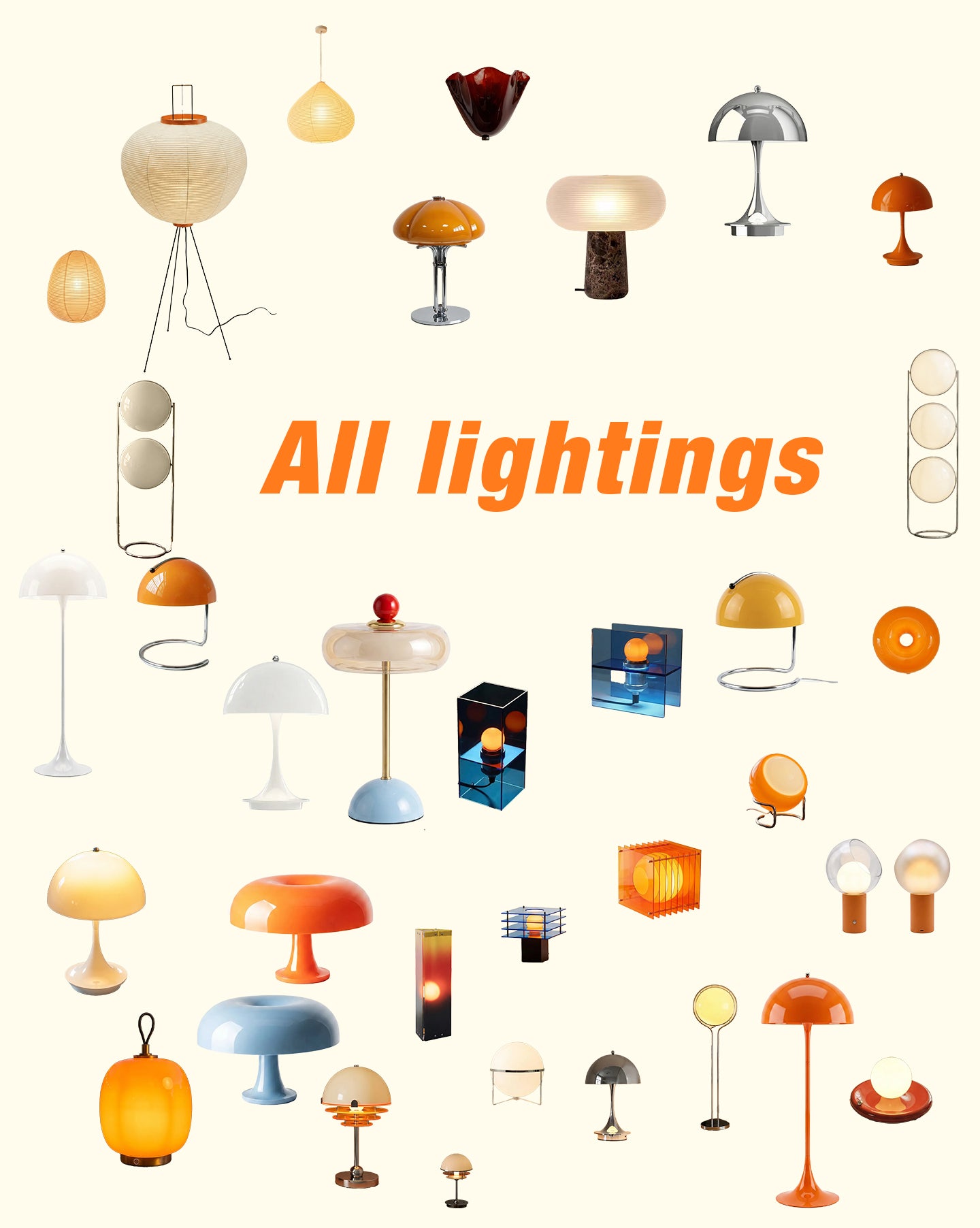
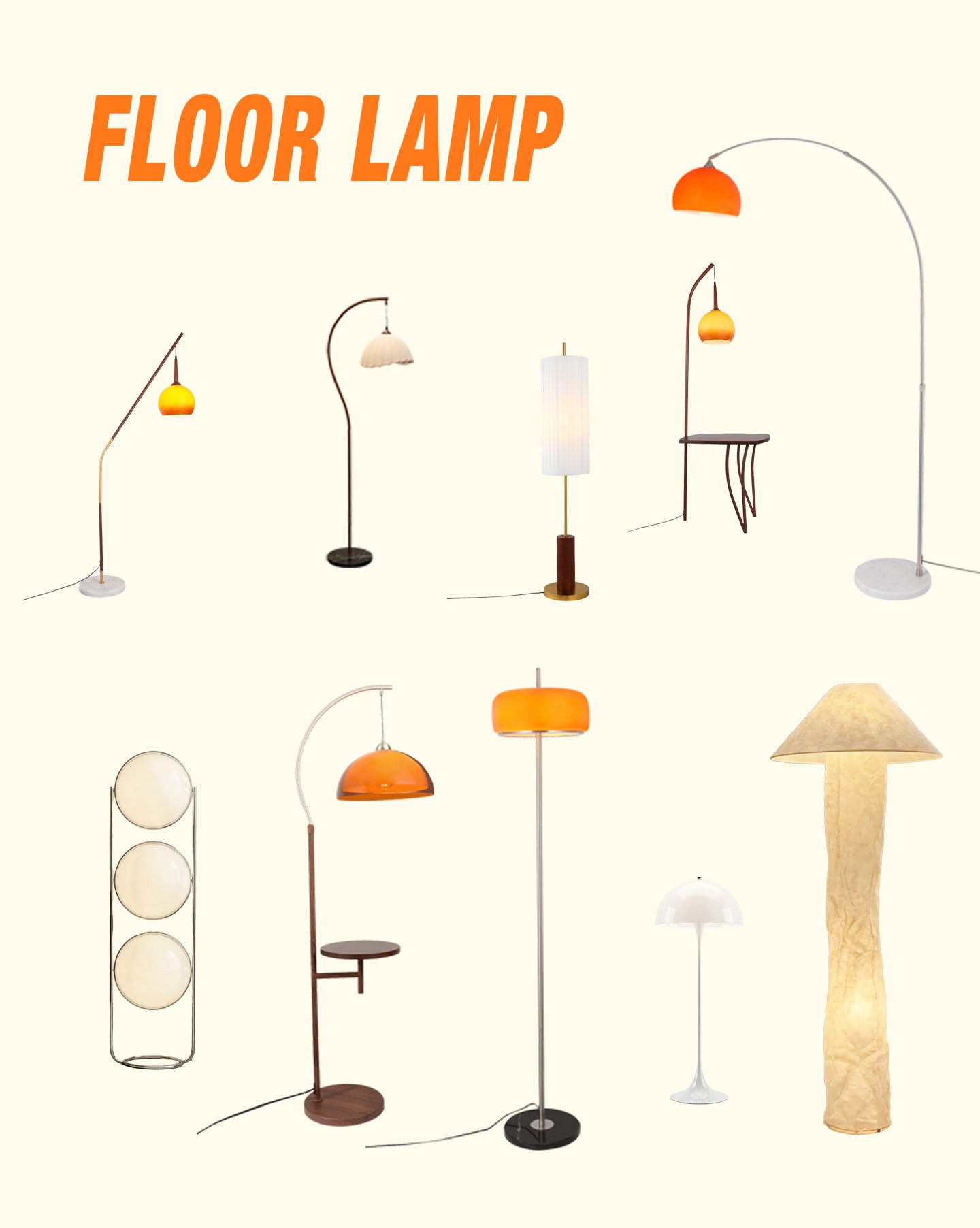
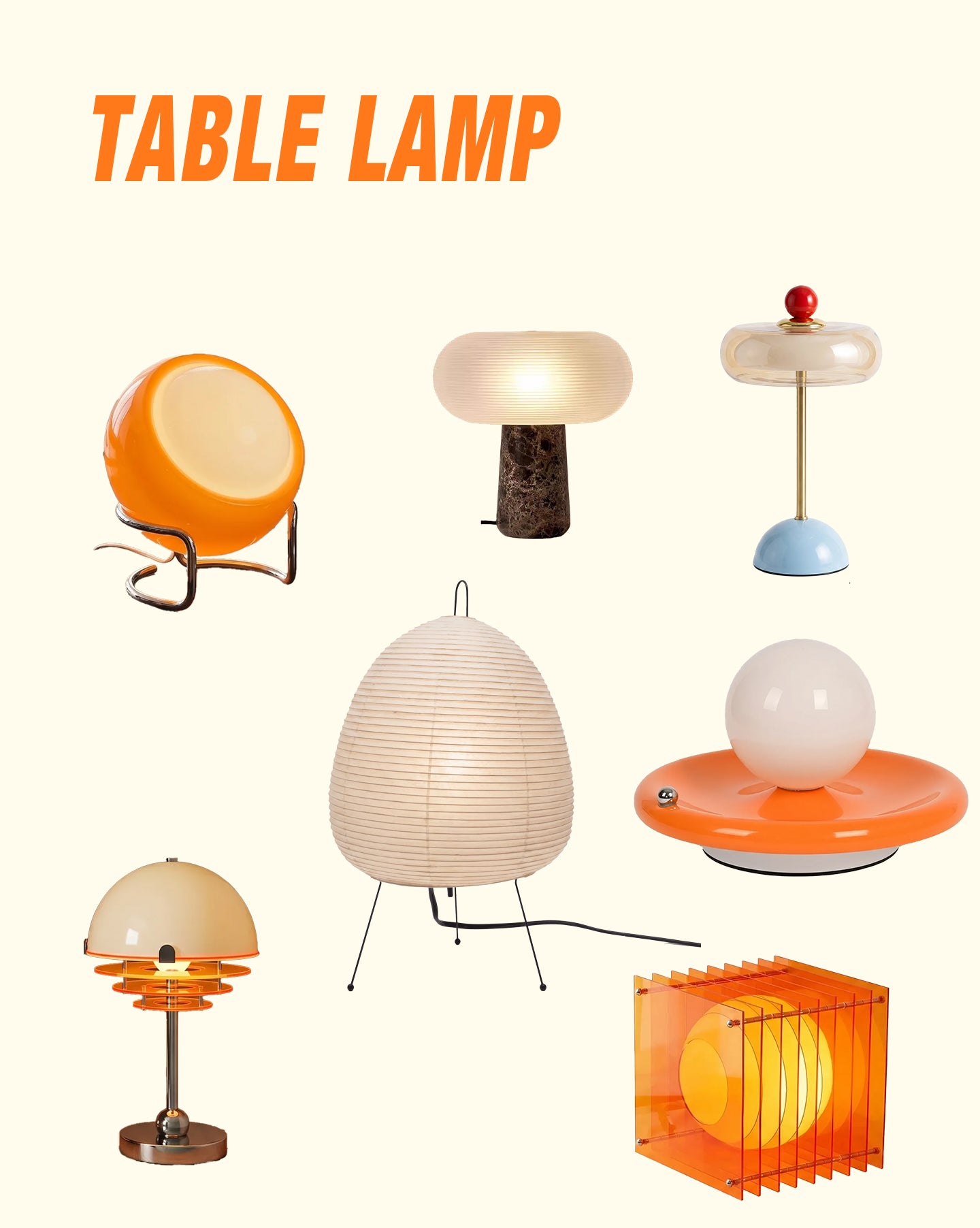
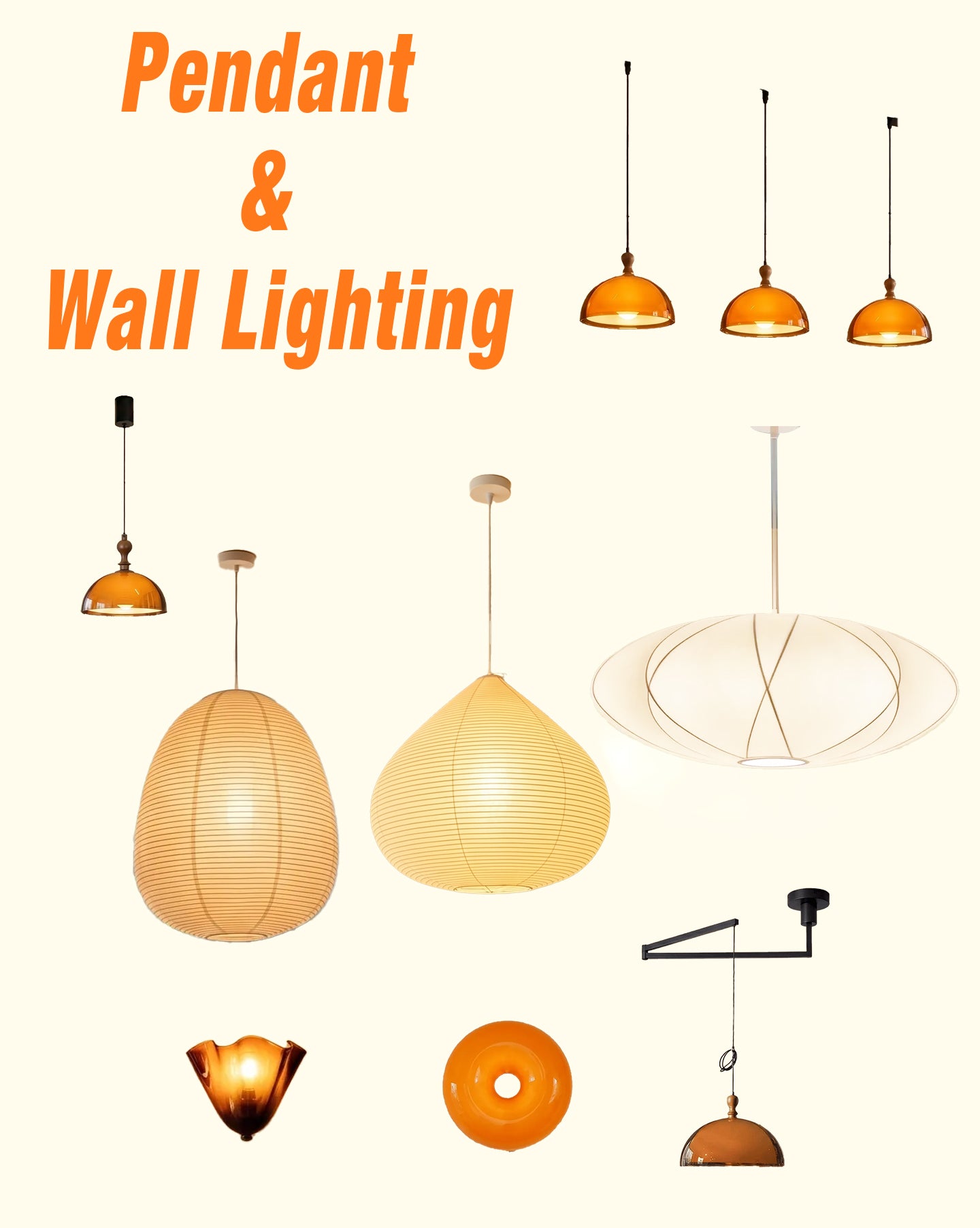
New Arrivals


Vendor: Homezee
Type: Table Lamp
Luca Bauhaus Candle Warmer Table Lamp


Vendor: Homezee
Type: Floor Lamp
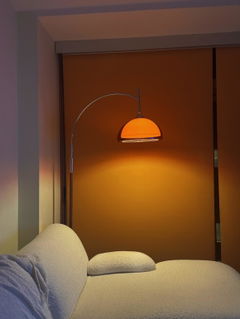
Coby Grand Arc Floor Lamp With Optional Side Table


Vendor: Homezee
Type: Floor Lamp
Mandarin Retro Floor Lamp Teak Wood Accent Orange Orange Amber Gradient


Vendor: Homezee
Type: Table Lamp
Quadrifoglio Pumpkin Table Lamp Retro - Touch Dimmable


Vendor: Homezee
Type: Floor Lamp
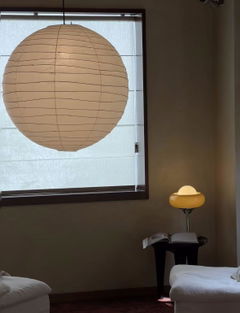
Akita Wavy Rice Paper Floor Lamp


Vendor: Homezee
Type: Table Lamp
Chloe Marble Portable Rechargeable Table Lamp - Touch Control


Vendor: Homezee
Type: Table Lamp
Guzzi Acrylic Moon Layered Table Lamp


Vendor: Homezee
Type: Table Lamp
Lampara Ovni Ufo Portable Rechargeable Table Lamp - Touch Control


Vendor: Homezee
Type: Table Lamp
Guzzi Sunset Multi-Layer Table Lamp


Vendor: Homezee
Type: Floor Lamp
Akita Rice Paper Gourd Floor Lamp


Vendor: Homezee
Type: Pendant
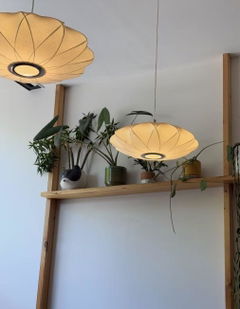
Nelson Silk Cocoon Wabi-Sabi Cloud Pendant Light


Vendor: Homezee
Type: Table Lamp
Dopino Candy Color Mushroom Rechargeable Table Lamp
Best Sellers
Homezee, we specialize incurated, retro-inspired lightingthat transforms any room into a cozy, inviting sanctuary.

Shop this look

Coby+ Mushroom Floor Bauhaus Lamp & Pull Chain Lamp

Shop this look

Nelson Saucer Bubble Japandi Pendant Light

Shop this look

Amelia Hand-Blown Glass Floor Lamp Champagne Amber Orange

Shop this look

Olivia Mushroom Table & Floor Lamp Set - Orange Lamps

Shop this look

Coby Double Shade Mushroom Arc Floor Lamp

Shop this look

Sneedville+ Arched Floor Lamp Chrome Arc XL Shade

Shop this look

Zen Art Japandi Floor Lamp Pleated Fabric Shade

Shop this look

Layla Table Lamp Marble Base - Frosted Ribbed Glass
Shop by Style


Vendor: Homezee
Type: Floor Lamp
Sneedville+ Arched Floor Lamp Chrome Arc XL Shade
Vendor: Homezee
Type: Floor Lamp
Coby Grand Arc Floor Lamp With Optional Side Table


Vendor: Homezee
Type: Floor Lamp
Coby Arc Floor Lamp with Table & Coby+ Mid Century Table Lamp Set


Vendor: Homezee
Type: Floor Lamp
Bella Arc Floor Lamp Glass Shade Bauhaus Minimalist
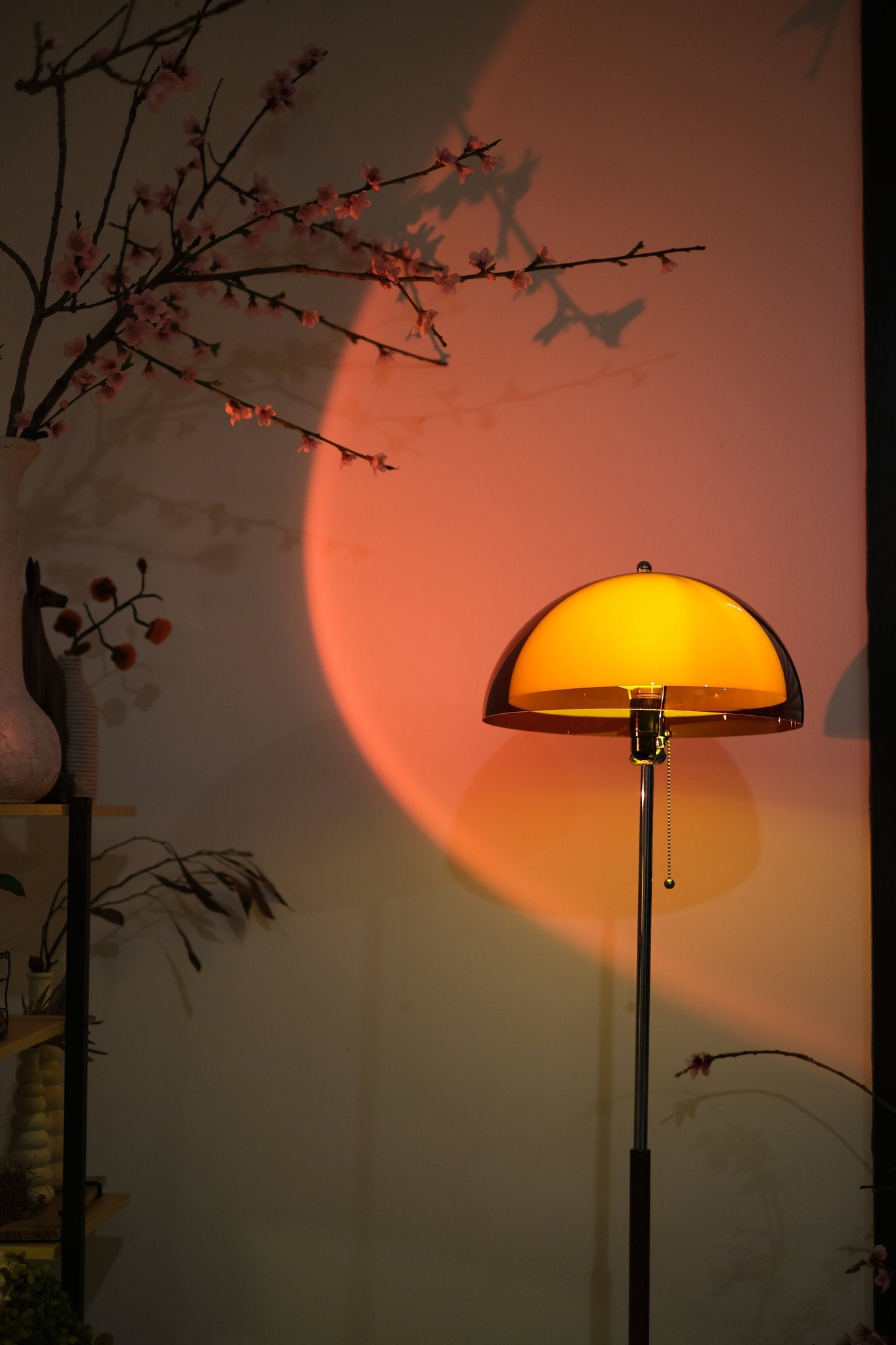

Vendor: Homezee
Type: Floor Lamp
Coby+ Mushroom Floor Bauhaus Lamp & Pull Chain Lamp


Vendor: Homezee
Type: Table Lamp
Olivia Mushroom Table & Floor Lamp Set - Orange Lamps


Vendor: Homezee
Type: Floor Lamp
Dori Drop Wavy Mushroom Floor Lamp - Mocha/Olive Green/Butter Yellow
Vendor: Homezee
Type: Table Lamp
Luca Bauhaus Candle Warmer Table Lamp


Vendor: Homezee
Type: Floor Lamp
Coby Double Shade Mushroom Arc Floor Lamp
Vendor: Homezee
Type: Floor Lamp
Coby Grand Arc Floor Lamp With Optional Side Table


Vendor: Homezee
Type: Floor Lamp
Carla Arc Floor Lamp with Side Table Glass Shade
Vendor: Homezee
Type: Floor Lamp
Coby Arc Floor Lamp with Table & Coby+ Mid Century Table Lamp Set


Vendor: Homezee
Type: Floor Lamp
Garreau Globe Bauhaus Floor-to-Ceiling Lamp - Replica 70s‘ Design


Vendor: Homezee
Type: Floor Lamp
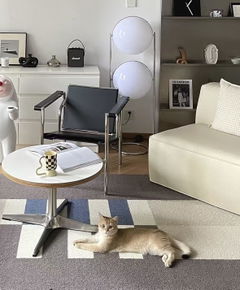
Garreau Two Globe Bauhaus Floor Lamp - Replica 70s‘ Design


Vendor: Homezee
Type: Floor Lamp
Garreau Single Globe Bauhaus Floor Lamp - Replica 70s‘ Design
Vendor: Homezee
Type: Floor Lamp
Coby+ Mushroom Floor Bauhaus Lamp & Pull Chain Lamp


Vendor: Homezee
Type: Floor Lamp
Carla Floor Lamp & Olivia Table Lamp Set


Vendor: Homezee
Type: Floor Lamp
Suki Chinoiserie Arc Floor Lamp - Hemp Fabric Shade


Vendor: Homezee
Type: Floor Lamp
Hulusi Hanging Arc Floor Lamp Walnut Orange Glass


Vendor: Homezee
Type: Table Lamp
Every Egg Tart Floor Lamp & Table Lamp Set
Vendor: Homezee
Type: Table Lamp
Every Egg Tart Floor Lamp & Table Lamp Set


Vendor: Homezee
Type: Floor Lamp
Coby Arc Floor Lamp Chrome & Wood Grain


Vendor: Homezee
Type: Floor Lamp
Fazzoletto Floating Handkerchief Floor & Table Lamp Set


Vendor: Homezee
Type: Table Lamp
Olivia Bell Pull Chain Table Lamp for Bedside - Gradient Glass


Vendor: Homezee
Type: Floor Lamp
Akita Willow Rice Paper Floor Lamp


Vendor: Homezee
Type: Floor Lamp
Akita Polygon Rice Paper Tripod Floor Lamp


Vendor: Homezee
Type: Table Lamp
Akita Rice Paper Square Table Lamp
Vendor: Homezee
Type: Floor Lamp
Akita Wavy Rice Paper Floor Lamp


Shop by Material
Looking for that perfect lamp to add warmth, character, and a touch of nostalgia to your space?


Preorder & Save
Pre-order now for 30% off — cancel anytime before your order ships.


Vendor: Homezee
Type: Floor Lamp
Rocco Rocket Tripod Floor Lamp


Vendor: Homezee
Type: Floor Lamp
Coby Floating Wavy Shade Arc Floor Lamp


Vendor: Homezee
Type: Floor Lamp
Milo Memphis Arc Floor Lamp


Vendor: Homezee
Type: Floor Lamp
Nelson Gatto Japandi Table & Floor Lamp


Vendor: Homezee
Type: Table Lamp
Josie Latticefield Retro Red Gingham Fabric Table Lamp


Vendor: Homezee
Type: Table Lamp
Isla Pear Portable Glass Table Lamp Rechargeable
A Cohesive Look, Better Value
Create a well-balanced space with matching floor and table lamps, bundled for better value.


Vendor: Homezee
Type: Floor Lamp
Coby+ Double Dome Floor Lamp & Table Lamp Set


Vendor: Homezee
Type: Table Lamp
Coby Double Shade Mushroom Table and Floor Lamp Set


Vendor: Homezee
Type: Floor Lamp
Coby Arc Floor Lamp & Coby+ Table Lamp Set without Shelf
Vendor: Homezee
Type: Table Lamp
Every Egg Tart Floor Lamp & Table Lamp Set


Vendor: Homezee
Type: Floor Lamp
Zen Art Japandi Floor Lamp Pleated Fabric Shade
Vendor: Homezee
Type: Floor Lamp
Coby Arc Floor Lamp with Table & Coby+ Mid Century Table Lamp Set
Vendor: Homezee
Type: Table Lamp
Olivia Mushroom Table & Floor Lamp Set - Orange Lamps
Vendor: Homezee
Type: Floor Lamp
Carla Floor Lamp & Olivia Table Lamp Set
Loved by Our Customers.

★★★★★
“The paper shade is surprisingly sturdy – survived a clumsy bump from my toddler. Love the soft light.”
★★★★★
“The paper shade is surprisingly sturdy – survived a clumsy bump from my toddler. Love the soft light.”
Flora G
Vendor: Homezee
Type: Floor Lamp
Akita Wavy Rice Paper Floor Lamp

★★★★★
“Looks stunning. Worth the effort.”
★★★★★
“Looks stunning. Worth the effort.”
Jade T
Vendor: Homezee
Type: Table Lamp
Guzzi Acrylic Moon Layered Table Lamp

★★★★★
“I was worried it might be too bold, but it fits perfectly and feels timeless.”
★★★★★
“I was worried it might be too bold, but it fits perfectly and feels timeless.”
Vendor: Homezee
Type: Table Lamp
Luca Bauhaus Candle Warmer Table Lamp

★★★★★
“Soft warm light, perfect wabi-sabi pendant lamp.”
★★★★★
“Soft warm light, perfect wabi-sabi pendant lamp.”


Vendor: Homezee
Type: Pendant
Nelson Bubble Saucer Criss Cross Retro Pendant Light

★★★★★
“Looks even better in real life. The glow is so warm and cozy.”
★★★★★
“Looks even better in real life. The glow is so warm and cozy.”


Vendor: Homezee
Type: Floor Lamp
Coby Double Dome Retro Mushroom Floor Lamp

★★★★★
“Solid quality and stunning design. Everyone who visits notices it.”
★★★★★
“Solid quality and stunning design. Everyone who visits notices it.”


Vendor: Homezee
Type: Table Lamp
Every Egg Tart Table Lamp

★★★★★
“Didn’t expect it to make such a big difference — my room feels completely transformed.”
★★★★★
“Didn’t expect it to make such a big difference — my room feels completely transformed.”
Vendor: Homezee
Type: Floor Lamp
Carla Arc Floor Lamp with Side Table Glass Shade

★★★★★
“It completely changed my living room. So cozy and stylish.”
★★★★★
“It completely changed my living room. So cozy and stylish.”
Vendor: Homezee
Type: Floor Lamp
Garreau Single Globe Bauhaus Floor Lamp - Replica 70s‘ Design

★★★★★
“The photos don’t do it justice. It’s beautiful, warm, and very well made.”
★★★★★
“The photos don’t do it justice. It’s beautiful, warm, and very well made.”
Vendor: Homezee
Type: Floor Lamp
Sneedville+ Arched Floor Lamp Chrome Arc XL Shade
Let customers speak for us
Love it! Match with my window blinds. Have took tons of pics.
The cable suits my apartment ceiling, and the silk shade gives a soft glow without harsh glare.
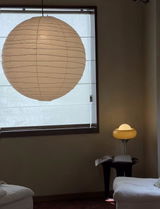
Rice paper globe looks way nicer than a plastic shade.
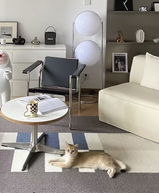
Sits nicely in our reading corner. Soft white light, and the chrome doesn't feel cheap at all.
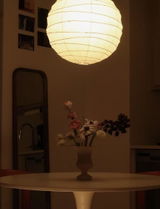
Small enough for my apartment and doesn't crowd the room. Soft paper light makes it feel bigger.
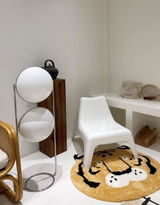
Two frosted globes give our new lounge a soft, even glow.
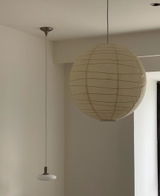
Dimmed right down, it's a lovely night light.
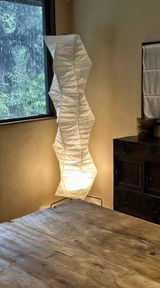
Light is even and doesn't wash out colours.
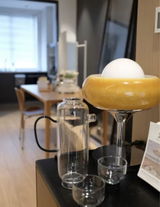
The orange glass gives a soft warm glow, perfect for winding down after night shift.
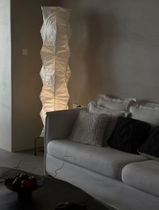
Got the tall one for my corner. The wavy paper shade gives a gentle light, and the base feels sturdy.
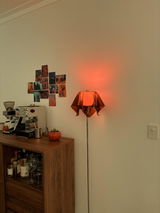
Beautiful lamp, fast delivery!!
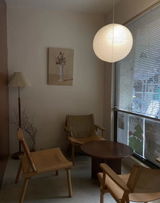
Put two above the counter at my cafe. Customers love the soft glow, and it fits the whole vibe.
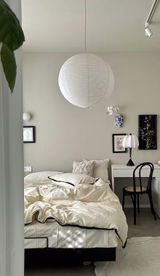
Looks great in my room, the round shape feels calm and doesn't glare at all.
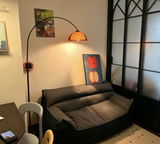
Double shade spreads the light evenly, and the slim base tucks into a tight corner nicely.
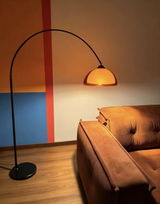
The amber shade warms the corner without glare.
Blog posts

Illuminating Small Spaces: The Ultimate Lighting Guide for Small Homes & Apartments
Living in a compact home or studio apartment often feels like a balancing act between style and functionality. One of the most frequent challenges homeowners face is dealing with dark corners, low ceilings, and cluttered floor spaces. When square footage is limited, lighting acts as your most powerful "invisible space expander." Strategic light placement eliminates gloomy shadows, stretches vertical boundaries, and visually opens up your floor plan without requiring a single structural wall removal. Whether you are remodeling a cozy condo or looking for non-invasive upgrades for a rented apartment, this complete guide breaks down the essential rules, room-by-room layouts, and smart hacks to transform your small space. The 4 Golden Rules of Small Space Lighting To make a small room feel airy and expansive, professional interior designers rely on four core techniques: 1. Master the "Layered Lighting" Technique Relying on a single overhead ceiling fixture flattens a room and casts heavy shadows around the perimeter, making spaces feel instantly smaller. Instead, combine three layers of light: Ambient Lighting: Your base illumination, provided by dimmable flush mounts, indirect cove lighting, or flush recessed spots. Task Lighting: Focused light where specific work happens, such as under-cabinet strip lights in the kitchen or an adjustable reading lamp. Accent Lighting: Feature lighting that draws the eye to artwork, shelving, or architectural textures, adding visual depth. 2. Clear Floor and Surface Space Traditional bulky floor lamps and wide table lamp bases consume precious real estate. Swap footprint-heavy fixtures for space-saving alternatives: Install wall-mounted sconces beside beds or sofas. Hang slim pendant lights over nightstands and side tables. Integrate concealed LED strip lights under floating shelves or inside joinery. 3. Eliminate Shadowed Corners & Draw the Eye Upward Dark corners make room boundaries collapse inward. Pointing light upward and washing walls with light stretches the room: Use wall washers or upward-shining sconces to reflect light off the ceiling, visually raising low ceiling heights. Position soft uplights or slim corner lamps in shadowy nooks to make walls recede visually. 4. Leverage Reflective Surfaces and Materials Light travels further when paired with the right finishes. Bounce daylight and lamplight around small quarters by placing light sources near oversized mirrors, glass tabletop surfaces, polished metals, or satin-finish paint. Room-by-Room Practical Lighting Guide Small Livingrooms Keep ceiling planes clean with recessed LED spots or slim flush mounts. Pair them with swing-arm wall sconces near seating areas and a narrow floor lamp to illuminate forgotten corners. Avoid heavy, low-hanging chandeliers that overpower the room's scale. Small Bedrooms Free up nightstand surfaces by hardwiring wall-mounted sconces or hanging slender pendant lights on both sides of the bed. Adding a hidden LED strip beneath a floating bed frame creates a soft, weightless nightlight effect while adding dimensional depth. Compact Kitchens & Bathrooms Overhead lights alone cast facial shadows at vanity mirrors and dark spots on kitchen countertops. Install hand-sweep under-cabinet LED strips across prep counters to banish shadows. Place vertical sconces on both sides of mirror cabinets at face height for balanced, shadow-free task lighting. Studio Apartments & Open-Plan Layouts In multipurpose studio units, light serves as an invisible room divider: Use crisp 3500K–4000K neutral light over desk spaces to promote focus. Transition to warm 2700K light in lounge and sleeping areas to establish a cozy, relaxing environment. Technical Parameters & Common Mistakes to Avoid Maintain Color Temperature (CCT) Harmony In compact or open-plan homes, mismatched light colors create visual discord. Stick to a unified warmth of 2700K to 3000K (Warm White) across adjoining living areas to maintain a seamless, relaxed flow. Mind Scale and Proportion An oversized fixture clutters sightlines, while an undersized lamp looks out of place. Choose sleek profiles with open frames, glass globes, or slender metal stems to preserve open visual space. 3 Major Mistakes to Avoid: ✖ The "Single Ceiling Light" Trap: Depending on one bright fixture creates extreme contrast and dark perimeters. ✖ Ignoring Task Zones: Neglecting focused lighting beneath kitchen cabinets or reading chairs causes unnecessary eye strain. ✖ Mixing Color Temperatures: Combining cool daylight bulbs (6000K) with warm bulbs (2700K) in the same view washes out interior finishes. Renter-Friendly & Low-Budget Lighting Hacks You don't need expensive rewiring projects to upgrade apartment lighting: No-Drill Strip Lights: Apply adhesive, USB-rechargeable or battery-operated LED puck lights under kitchen cabinets, inside closets, and along bookshelves. Smart Bulbs: Install smart Wi-Fi bulbs into existing lamps to adjust brightness levels and color temperatures right from your smartphone. Plug-In Sconces: Choose wall sconces with attractive cord covers that plug directly into wall outlets, avoiding hardwiring entirely. Frequently Asked Questions (FAQ) 1. What color temperature is best for a small apartment? A warm white color temperature between 2700K and 3000K is ideal. It keeps small spaces feeling cozy, soft, and inviting without feeling harsh or industrial. 2. How can I make my low ceiling look higher with light? Use uplighting fixtures, wall washers, or tall, slender lamps that bounce light off the ceiling. Illuminating the ceiling plane draws the eye upward and visually increases room height. 3. Are recessed lights good for small rooms? Yes, recessed LED lights are excellent because they sit flush against the ceiling surface, saving overhead space. Ensure they are paired with dimmers and accent lights to avoid a flat "grid" look. 4. How do I illuminate dark corners without taking up floor space? Install wall-mounted sconces, attach adhesive LED strips behind furniture/shelving, or place small floor uplights directly behind plants or decorative pieces. 5. How do mirrors help expand small-space lighting? Mirrors bounce natural light from windows and artificial light from lamps deeper into dark corners, reflecting visual depth and effectively making rooms feel twice as bright.
Learn more
A Room-by-Room Guide to Mood & Wellbeing Lighting
You don't just want a bright room. You want a room that feels right. A living room that makes you exhale after a long day. A bedroom that helps you switch off. A bathroom that doesn't blind you at 6am. A home office that keeps you focused without feeling clinical. The thing is, most homes get lighting wrong because they treat every room the same way. One overhead light, one lamp, done. But each room has a different job. And the lighting should match. Here's your room-by-room guide to mood and wellbeing lighting – what to use, where to put it, and why it matters. Living Room: The Unwind Zone Your living room is where you decompress. It's where you watch TV, read, chat, or just exist without a screen in your face. The lighting needs to support all of that. What you need: Layered, warm, and dimmable. A mix of ambient, task, and accent lighting – all with warm bulbs (2700K) and full control over brightness. Where to put it: A floor lamp beside the sofa for reading and ambient glow A small lamp on a side table or console for depth and warmth A dimmable overhead light (or skip it entirely after dark) A soft light lamp in the corner to fill shadows Why it works: Warm, layered lighting tells your brain it's time to relax. It lowers cortisol, supports melatonin production, and makes the room feel like a sanctuary instead of a waiting room. For more on getting the living room right, our guide on living room lamp buying guide has plenty of practical advice. Bedroom: The Sleep Sanctuary Your bedroom has one main job: helping you sleep. Everything else – reading, getting dressed, scrolling your phone – is secondary. And the lighting needs to respect that. What you need: Warm, dimmable, and low-glare. No cool white. No bright overheads after dark. Just gentle, sleep-friendly light that helps you wind down and wake up softly. Where to put it: A bedside table lamp or bedroom wall light on each side of the bed A dimmable floor lamp in the corner for ambient glow A small lamp on a dresser or shelf for gentle accent light A dimmer switch on everything – especially the overhead Why it works: Warm light (2700K or lower) supports melatonin production. Dimmable lamps let you transition from reading brightness to sleep-ready glow without getting out of bed. And low-glare shades prevent that harsh bright light that wakes you up too fast. Our guide on how to choose bedside table lamps covers the details. Kitchen and Dining: The Gathering Space The kitchen is where everyone ends up. It's where you cook, eat, chat, and occasionally do homework. The dining room is where you connect over meals. Both need lighting that's functional and welcoming. What you need: Bright, focused light for cooking and prep. Warm, dimmable light for eating and conversation. Ideally, these are separate – so you can turn one off and the other on. Where to put it: Under-cabinet LEDs for prep areas (bright, cool white is fine here) A pendant light over the dining table (dimmable, warm white) A small lamp on a sideboard or buffet for ambient glow A dimmable overhead light for general illumination Why it works: Cooking needs brightness and clarity. Eating needs warmth and intimacy. When you separate these functions, you stop trying to make one light do everything – and both spaces feel better. Bathroom: The Wake-Up and Wind-Down Zone Bathrooms are tricky. You need bright, clear light in the morning. You need soft, flattering light at night. And you need to see what you're doing without blinding yourself. What you need: Layered lighting with a dimmer. Bright overhead for mornings. Warm, low-level lighting for evening baths and wind-down routines. And if possible, separate switches for each layer. Where to put it: A bright overhead light on a dimmer (4000K for morning function, dimmable to 2700K for evening) A bedroom wall light or sconce beside the mirror (warm, flattering for faces) A small lamp on a bathroom shelf or vanity (battery or plug-in, safely away from water) A nightlight or dim floor light for midnight trips Why it works: Different times of day need different light. A dimmer lets you switch from "wake up and go" to "soothe and wind down" without changing a single bulb. Home Office: The Focus Zone If you work from home, your office lighting needs to support concentration without draining your energy. And if you're in a multi-use room, it needs to switch off when work is done. What you need: Task lighting for focused work. Ambient lighting that reduces contrast and glare. And a way to transition from "work mode" to "rest mode" when the day ends. Where to put it: A desk lamp with adjustable arm and brightness (400–600 lumens, warm white) A floor lamp in the corner for ambient fill light A small lamp on a shelf or side table for background warmth A dimmable overhead light – but don't rely on it alone Why it works: Focused task lighting reduces eye strain during long work sessions. Ambient fill light reduces contrast on your screen. And when you switch to warm lamps only, your brain gets the signal that the workday is over. For more on rental-friendly hallway lighting, our guide on the renter-friendly guide to wall lights covers the details. Hallway and Entry: The Transition Zone Hallways are easy to ignore. But they're the first thing you see when you come home – and the last thing you see when you leave. They set the tone for your entire home. What you need: Warm, welcoming, and motion-activated if possible. Not too bright, not too dim. Just enough light to guide the way without feeling clinical. Where to put it: A floor lamp at the end of the hallway or beside a console A small lamp on an entry console for a welcoming glow Plug-in wall lights or sconces for a layered look A motion-sensor nightlight for midnight trips to the kitchen Why it works: A lit hallway says "welcome home" better than any doormat. It guides your eye, softens the transition between outdoors and indoors, and makes your home feel intentional from the moment you walk in. Quick Room-by-Room Checklist Living room: Floor lamp, small lamp, dimmable overhead, all warm white. Bedroom: Bedside lamps or wall lights, dimmable everything, no cool white. Kitchen/dining: Under-cabinet task lighting, pendant over table, dimmable warm bulbs. Bathroom: Bright overhead on dimmer, warm wall lights by mirror, nightlight. Home office: Desk lamp, floor lamp, dimmable overhead, warm white everywhere. Hallway/entry: Floor lamp, small lamp, plug-in sconces, motion sensor. The Bottom Line Lighting isn't just about seeing. It's about feeling. Each room in your home has a different job, and the lighting should support that job – not fight it. Warm bulbs. Dimmers everywhere. Layered sources. Low-glare shades. The right lamp in the right spot. That's all it takes to turn a house into a home that actually feels good to be in. Ready to upgrade your home's mood and wellbeing lighting? Explore our collection of floor lamps, table lamps, and wall lights at Homezee. FAQs 1. What's the most important room for mood and wellbeing lighting? The bedroom. It's where you sleep, and sleep affects everything else. Getting the lighting right here – warm, dimmable, low-glare – makes the biggest difference to your overall wellbeing. 2. Can I use the same lamps in every room? You can, but it's better to adapt. A floor lamp that works in your living room might be too tall for your bedroom. A small lamp that's perfect for your hallway might be too dim for your home office. Consider what each room needs before you buy. 3. How many lamps does a typical room need? Aim for three layers: ambient (overhead or floor lamp), task (desk lamp or reading lamp), and accent (small lamp or wall light). That's usually enough to create a flexible, comfortable space. 4. What colour temperature is best for mood and wellbeing? Warm white (2700K) is ideal for most rooms – it's gentle on the eyes and supports relaxation. Use cool white (4000K) only for task lighting in kitchens, bathrooms, or home offices, and always on a dimmer. 5. Do I need dimmers in every room? Ideally, yes. Dimmers give you control over brightness and mood. They're especially important in bedrooms, living rooms, and bathrooms – anywhere you want to transition from bright to dim without turning the light off. Still have questions about room-by-room lighting? Our Homezee team is here to help. And if you're looking for lamps for sale that support mood, wellbeing, and style in every room, we've got you covered.
Learn more
Where Is My Homezee Order? Your Guide to Tracking, Missed Deliveries, Lost Parcels & More
Hi Homezee Customer, we want to make sure your new lights arrive safely and smoothly. While we rely on reputable national and regional courier partners to deliver your order, we know that shipping issues can occasionally happen. We’re here to help. You can often manage delivery preferences directly through your courier’s tracking portal. For redelivery, collection or eligible delivery changes, the courier is usually the quickest first contact. However, if your parcel is missing, significantly delayed, damaged, incorrect or incomplete—or the courier cannot resolve the issue—please contact Homezee via hello@homezee.com.au. As the seller, we’ll review the issue and coordinate with the courier where appropriate. Please note that delivery estimates are provided by the courier and are not guaranteed delivery dates. Weather events, public holidays, peak shopping periods, regional delivery routes and operational disruptions may affect delivery timeframes. Business days generally exclude weekends and public holidays unless the courier states otherwise. 1. Where Is My Homezee Order? Find Your Tracking Details After your order ships, we’ll email you a shipping confirmation with your tracking number and the name of the assigned courier—for example, Australia Post, CouriersPlease, Aramex or Allied Express. Please ensure you enter your valid email address at checkout. If no email is provided when placing your order, we will not be able to send these shipping notifications to you. Track Online Click the tracking link in your email or paste your tracking number directly into the courier’s official tracking page. Can’t Find Your Email? Check your spam or junk folder first. If you still can’t locate it, contact our Homezee Support team via hello@homezee.com.au with your full name and email address used for the order. Be Aware of Delivery Scams Please be cautious of unexpected SMS messages or emails asking you to pay a fee to release, redirect or redeliver your parcel. Always check updates through the tracking link in your Homezee shipping email or by entering your tracking number on the courier’s official website. If unsure, do not click the message link or enter payment details; contact the courier through its official website. 2. Understanding Your Tracking Status Delivery statuses can sometimes be confusing. Here is a quick reference guide to what your status means and what to do. Tracking Status What It Means What You Should Do Label Created / Information Received The shipping label has been generated, but the parcel may not have received its initial scan yet. Allow time for the first scan. If the status remains unchanged for several business days, contact Homezee via hello@homezee.com.au. Picked Up / In Transit The courier has accepted your parcel and it is moving through their network. Monitor the estimated time of arrival. Onboard for Delivery Your parcel is on the vehicle and scheduled for delivery today. Keep an eye out for intercoms, doorbells or delivery notifications. Delivery Attempted The driver tried to deliver, but was unable to complete it safely. Check driver notes, any card left, or the tracking link for redelivery or collection options. Awaiting Collection Your parcel is held at a local depot, newsagency or post office. Check location, opening hours, ID and collection deadline. If you cannot collect it, check redelivery options. Delivered The parcel is marked as delivered by the courier system. Check safe-drop spots, building areas and household members; review proof of delivery. If still missing, follow the checklist below. Exception / Delayed Transport delays, access issues or other delivery interruptions have occurred. Please contact the relevant courier directly for the latest delivery updates and assistance with any delays, access issues or other delivery interruptions. Return to Sender / RTS The parcel is being returned to our warehouse. Contact Homezee via hello@homezee.com.au as soon as possible to confirm your address details and discuss next steps. No Recent Tracking Update Courier scans can occasionally be delayed, particularly during busy periods or between depot transfers. Continue checking tracking. If there has been no update for several business days after dispatch, please contact the relevant courier directly for assistance. Address Issue / Unable to Deliver The courier may need more information, may be unable to access the address, or may have identified an incomplete address. Please contact the relevant courier directly to confirm the delivery address details and resolve any access issues or missing information. 3. Common Delivery Issues & Solutions A. Delivered, But I Haven’t Received My Parcel If your tracking says Delivered but you cannot locate your parcel, please complete this quick checklist before contacting us: 1. Check safe-drop locations: Look behind outdoor pots, pillars, side gates, meter boxes, garages or other sheltered areas near your entrance. 2. Check with others: Ask household members, neighbours or anyone who may have accepted the delivery for you. 3. Check shared building areas: If you live in an apartment or shared building, check the foyer, mailroom, reception, concierge or building manager. 4. Check Proof of Delivery: Open your courier tracking link to view any delivery photo, signature or driver notes. 5. Contact Homezee: If you have completed these checks and still cannot find the parcel, contact Homezee via hello@homezee.com.au with your order number. We can review the delivery details and, where appropriate, request further information from the courier. B. I Only Received Part of My Order Some lighting orders may be shipped in multiple cartons or separate consignments to help protect fragile, oversized or individual items during transit. ● Check your shipping confirmation email for multiple tracking numbers. ● Review the tracking status for every parcel. ● Please allow for separate cartons to arrive on different days; delivery timing can vary by parcel and courier route. Track each consignment separately. If all tracking numbers show as delivered but an item is still missing, please contact Homezee via hello@homezee.com.au with your order number, photos and videos of everything you received. C. Tracking Has Not Updated for Several Days Courier tracking may not update immediately after dispatch, particularly when a shipping label has been created, during depot transfers or in busy delivery periods. Please check the courier tracking page for the latest scan, estimated delivery date and any service-disruption notices. If tracking has not updated for several business days after dispatch, or the estimated delivery date has passed without a useful update, contact Homezee via hello@homezee.com.au with your order number. D. Delivery Attempted or Unable to Deliver If your tracking shows Delivery Attempted or Unable to Deliver, the driver may have been unable to access the property, obtain a safe place to leave the parcel or complete the delivery at that time. Please check the tracking link for: ● Driver notes or a missed-delivery notice ● Redelivery options ● Collection point, depot or post office details ● Any action required to complete delivery If you live in an apartment, unit or shared building, make sure your unit number, building name, intercom details and access instructions are included in your address. Please note that drivers may not always call before delivery. If the courier portal does not provide a workable solution, please contact Homezee via hello@homezee.com.au with your order and tracking details. If you believe the attempted-delivery scan is incorrect, tell the courier and keep a screenshot of the status. E. Parcel Lost in Transit If your tracking has stopped updating for an extended period, or the courier has advised that your parcel may be missing, please contact Homezee via hello@homezee.com.au. Please include your order number, courier name and a screenshot of the latest tracking update. We will review the case and, where appropriate, lodge an enquiry with the courier and discuss the next steps with you. F. Return to Sender (RTS) If your tracking shows Return to Sender, the courier is sending your parcel back to our warehouse. This can happen due to an incomplete address, unsuccessful delivery attempts, an uncollected parcel, access issues or courier restrictions. Please contact Homezee via hello@homezee.com.au as soon as possible with your order number. Once the parcel returns to our warehouse, we will review the delivery details and discuss the available next steps with you. Please note that any reshipment arrangements and costs will depend on the circumstances. We’ll explain the available options after reviewing the return; any applicable consumer rights remain unaffected. G. Incorrect Address or Need to Change Address After Dispatch If you notice an incorrect delivery address after your order has been dispatched, please contact Homezee via hello@homezee.com.au immediately. Address changes, redirections and delivery instructions are subject to courier rules and cannot be guaranteed once a parcel is in transit. Some couriers may offer eligible redirection options through their tracking portal, depending on the courier, parcel type and delivery stage. Please do not assume that updating your address in a courier account will automatically update an existing delivery. H. Awaiting Collection at a Depot, Post Office or Collection Point If your parcel is marked as Awaiting Collection, please check the courier tracking link for: ● The collection location ● Opening hours ● Collection deadline ● Identification requirements ● Any collection card or reference number required Please collect your parcel within the timeframe provided by the courier. If you cannot get to the collection point, check whether redelivery or collection by an authorised person is available. Uncollected parcels may be returned to sender. I. My Tracking Number Cannot Be Found If your tracking number does not return any results, please first check that it has been entered correctly and try again through the courier’s official website. A tracking number may also take time to become active after the shipping label is created. If it remains unavailable after a reasonable period, please contact Homezee via hello@homezee.com.au with your order number and the email address used at checkout. J. My Parcel or Product Arrived Damaged We take care when packaging our lighting products. However, if your carton arrives visibly damaged, or if the item inside is broken or damaged: ● Take clear photos of the outer carton, shipping label, internal packaging and damaged item. ● Keep all cartons, packaging materials and damaged components. ● Do not install, wire, use or dispose of damaged electrical products. ● Contact Homezee via hello@homezee.com.au with your order number, clear photos and videos. Please inspect all lighting products before installation. If the carton appears opened or tampered with, photograph it before unpacking where possible, then photograph the contents and any missing or damaged parts. Keep the original packaging; it helps us review the issue and, where appropriate, raise an enquiry with the courier. K. My Parcel Was Delivered to Someone Else or an Unknown Location If the courier’s proof-of-delivery photo, signature or driver note does not appear to match your address, please take screenshots of the tracking page and proof of delivery. Before contacting us, check with neighbours, household members, nearby units and common building areas where appropriate. If the parcel is still missing, contact Homezee via hello@homezee.com.au with your order number, and screenshots. We will review the information and contact the carrier where appropriate. L. Delivery to Regional, Remote or Special-Access Areas Delivery timeframes may vary for regional or remote locations, islands, rural properties, gated communities, construction sites and addresses with limited courier access. Please ensure your order includes complete address details, including unit numbers, building names, gate codes or delivery notes where relevant. The courier may contact you, redirect the parcel to a collection point or request further instructions if delivery access is limited. For larger or bulky lighting products, delivery may be made to the front entrance, ground floor or another safe accessible area only. Please ensure there is suitable access and arrange for someone to be available where possible. M. My Pre-Order Does Not Have Tracking Yet Tracking is only sent once your pre-order item has been dispatched. If your order contains a pre-order item, please refer to the estimated dispatch timeframe shown on the relevant product page or your order confirmation. Once your item leaves our warehouse, you will receive a shipping confirmation email with tracking details. N. Can I Upgrade to Express Delivery or Request Earlier Delivery? Please contact Homezee via hello@homezee.com.au as soon as possible if you would like to ask about express delivery or an earlier dispatch request. Express delivery availability, pricing and timeframes depend on the product, warehouse, delivery address and courier service. We cannot guarantee an upgrade or earlier delivery once a parcel has been dispatched. O. I Received a Suspicious Delivery SMS or Email Please be cautious of unexpected messages asking you to pay a fee to release, redirect or redeliver a parcel. Always check delivery updates through the tracking link in your Homezee shipping confirmation email or by entering your tracking number directly on the courier’s official website. Do not click unknown links or provide payment details through an unverified message. 4. Major Courier Contact & Support Information For delivery options such as redelivery, collection or eligible redirection, start with the courier’s official tracking page. Contact details and support hours can change, so please use the official links below for the latest information. Courier Partner Contact Number Support Hours (AEST) Direct Tracking / Support Australia Post eParcel 13 76 78 Mon–Fri, 8:00 AM–6:00 PM Track / Help: auspost.com.au CouriersPlease 1300 36 1000 Mon–Fri, 8:00 AM – 5:30 PM Help Centre: support.couriersplease.com.au Aramex Australia 1300 327 892 Mon–Fri, 8:00 AM–5:00 PM Contact / tracking: aramex.com.au/contact-us Allied Express 13 13 73 Mon–Fri, 9:00 AM – 5:00 PM Tracking / contact: alliedexpress.com.au For delivery-related requests such as redelivery, collection, safe-drop preferences or eligible redirection, the courier’s tracking portal is usually the fastest option. Have your tracking/consignment number ready. If the issue concerns a missing, lost, damaged or incomplete order and remains unresolved, contact Homezee via hello@homezee.com.au as well. Availability varies by courier, parcel type and delivery stage. Not every parcel is eligible for Safe Drop, redirection or redelivery, and bulky items may have different options. 5. When & How to Contact Homezee If your tracking status shows an unexpected error, a Return to Sender status, significant delays past the estimated delivery window, or if your package arrived damaged, please reach out to us via hello@homezee.com.au. Please Contact Homezee If: ● Your tracking has not updated for several business days after dispatch, or the estimated delivery date has passed without a useful update. ● Your estimated delivery date has passed and the courier has not provided a useful update. ● The parcel, product or component arrived damaged, incorrect or incomplete. ● Your tracking shows Return to Sender. ● The courier has requested action that you cannot complete, or the courier cannot resolve the issue. What Information Should You Provide? To help our support team resolve your enquiry as quickly as possible, please include: ● Your Homezee order number, for example, #801525 ● A brief summary of the issue, such as missing box, damaged item or RTS status ● Clear photos or videos if reporting damage or tracking errors When reporting a delivery issue, please send screenshots of the tracking page and proof of delivery where available. For damaged, incorrect or incomplete orders, please also include photos of the carton, shipping label, internal packaging and affected item. Providing these details in your first message helps our team review your case faster and reduces the need for follow-up emails. We’re Always Working for You While shipping networks operate independently, Homezee is committed to supporting you from checkout to installation. You can contact the courier directly for delivery options, but if your parcel is lost, damaged, incorrect or incomplete, please contact us. Email hello@homezee.com.au with your order number and we’ll review the issue and work towards an appropriate solution. Please inspect all parcels and lighting products before installation, especially if your order contains fragile glass, shades, fittings or electrical components. Keeping the original packaging until you have confirmed that everything is correct and undamaged will help us assist you if an issue arises. —The Homezee Team
Learn more
How the 5-7 Lighting Rule Makes Your Home Feel Instantly Cozier
Have you ever turned on your main ceiling fixture at night, only to feel like your living room was instantly transformed into a cold, sterile waiting room? You are not alone. Across interior design circles and home decor blogs, a unanimous consensus has emerged: relying on a single overhead light flattens your space, casts harsh shadows, and strips away evening warmth. If you want to create an inviting, magazine-worthy sanctuary, it is time to switch off the "big light" and embrace the 5-7 Lighting Rule. By layering 5 to 7 different light sources across varying heights and functional types, you can instantly add visual depth, character, and cozy vibes to any room. Here is your step-by-step guide to mastering the art of layered home illumination. 1. Layer 1: Ambient Lighting (Setting the Warm Base Layer) Ambient lighting provides the general foundation of illumination in a room, replacing harsh top-down glares with a soft, uniform glow. Instead of blinding spotlighting, ambient light should gently bounce off walls and ceilings to establish a relaxing backdrop. Bulb Specifications: Stick to warm color temperatures between 2700K and 3000K. Higher kelvin ratings (above 3500K) cast blue-toned, clinical light that hinders nighttime relaxation. Check out our complete guide to get more details about how to choose a light bulb. Fixture Recommendations: Opt for dimmable paper lantern pendants, flush-mount fabric drum shades, or indirect cove lighting. Dimmers are essential here—they allow you to lower the base brightness as night falls. 2. Layer 2: Accent Lighting (Adding Depth, Artistry & Focal Points) Accent lighting is where the magic happens. By directing subtle pools of light onto specific architectural features, artwork, or decorative vignettes, you draw the eye around the space and create captivating visual contrast. Creating "Pockets of Light": Place mini accent lamps or puck lights on bookshelves, credenzas, or inside display cabinets to eliminate dark corners. No-Rewiring Hack: If you don't have built-in cabinet wiring, use stick-on, rechargeable LED puck lights under shelves or behind art frames to achieve a high-end custom look on a budget. 3. Layer 3: Task Lighting (Targeted Illumination for Daily Life) Functionality is just as important as aesthetics. Task lighting delivers concentrated beam paths right where you need them most, eliminating eye strain during activities like reading, cooking, or writing. Ergonomic Positioning: Place adjustable floor lamps or reading sconces directly beside armchair setups or desks. Glare Prevention: Ensure the shade or shade rim sits below eye level when you are seated so you enjoy bright, focused light without looking directly into an exposed bulb. 4. Height & Placement: Scattering Light Across Multi-Level Heights A common decorating mistake is keeping all light sources at the exact same horizontal plane. To achieve true three-dimensional depth, distribute your 5 to 7 fixtures across three distinct vertical levels: Low Level: Baseboard strip lights, floor lamps, or low-profile plant uplights. Eye Level: Table lamps on sideboards, desk lamps, and wall sconces mounted at eye level. High Level: Overhead pendants, high wall sconces, or tall arc floor lamps. Design Tip on Mixing Finishes: Your lamps do not need to match perfectly! Treat your fixtures like "coordinated cousins, not identical twins." Mixing brass, matte black metal, linen, and ceramic textures creates a rich, lived-in feel. 5. Atmosphere Control: Using Smart Bulbs for Flexible Mood Swaps Static lighting limits your room’s potential. Equipping your lamps with smart LED bulbs lets you customize brightness and tone effortlessly throughout the day. Automated Routines: Program your smart lighting ecosystem to shift from 3000K (bright, energized focus) during daytime hours down to 2200K (a warm, dim candlelight glow) two hours before bedtime. This gradual transition supports your circadian rhythm and signals your body to wind down. 6. Putting It All Together: The 5-7 Lighting Rule Formula Applying the 5-7 rule is simple once you break down the headcount for a typical living room or bedroom: 1 Ambient Source: Soft paper or fabric pendant overhead. 2 Task Sources: One arched floor lamp by the sofa + one reading lamp on a side table. 3 Accent Sources: Two small shelf lights + one decorative mushroom table lamp on a credenza. 1 Extra Layer: Dimmable headboard or wall sconce. Combined, these 7 light sources weave a warm, balanced tapestry of light that turns an ordinary space into a cozy haven. FAQs Q1: What if I don't have enough wall outlets for 5–7 lights? You don't need dozens of wall sockets! Incorporate cordless rechargeable table lamps, battery-operated LED puck lights, or plug-in wall sconces attached to multi-outlet smart surge protectors paired with sleek cord covers. Q2: Do all lamps and shades in the room need to match in style? Not at all. Mixing materials—such as pairing a pleated fabric shade with a smooth ceramic base alongside a sleek brass metal floor lamp—adds architectural depth and personality. Just keep bulb color temperatures uniform (2700K) across all fixtures. Q3: How do I apply this rule in a rental apartment without drilling holes? Focus on portable, freestanding fixtures. Rely heavily on floor lamps, table lamps, clip-on reading lights, and non-damaging adhesive LED strip lights under kitchen cabinets or bed frames. Q4: Will running 5–7 lights increase my electric bill significantly? No. Modern LED bulbs consume remarkably little power—typically between 4 to 9 watts each. Running 5 to 7 low-wattage LED lights simultaneously often uses less energy than a single legacy 100-watt incandescent ceiling bulb. Q5: Can I ever use my main overhead ceiling light again? Yes, but reframe its purpose! Treat overhead lights as functional "utility lights" for cleaning, searching for dropped items, or packing. For evening relaxation, entertaining guests, or watching movies, switch off the big light and let your layered 5-7 lighting setup shine.
Learn more
Unlock Exclusive Trade Pricing
Enjoy special trade pricing across our modern lighting collections, with exclusive savings available for approved trade members.
Whether you're sourcing for a single space or a larger project, Homezee makes it easier to access stylish lighting at better value.