
Have you ever walked into a room in the middle of the day and instantly felt tired—even though you had a full night's sleep?
You're not imagining it.
Interior designers often call this the "Cave Effect." It's that heavy, gloomy feeling you get when a room doesn't have enough light, has too many dark corners, or relies on a single harsh ceiling fixture. Instead of feeling cozy, your home starts to feel closed in.
The good news? You don't need a full renovation to fix it. In many cases, changing the way you light your home can completely transform how the space feels—and even how you feel.
Let's dive into why poor lighting drains your energy and how you can brighten your home without breaking the bank.
What Is the "Cave Effect"?
The Cave Effect happens when a room lacks balanced lighting.
Instead of light spreading evenly throughout the space, you end up with bright spots surrounded by deep shadows. Your eyes constantly work harder to adjust, making the room feel smaller, darker, and less welcoming.
Common causes include:
-
Only using one ceiling light
-
Small windows or limited natural light
-
Dark-colored walls and furniture
-
Poor lamp placement
-
Empty corners with no secondary lighting
Even a beautifully decorated room can feel lifeless if the lighting isn't right.
Why Poor Lighting Makes You Feel Tired

Lighting doesn't just help you see—it affects your mood and energy.
When your home is too dim, your brain receives fewer visual cues that keep you alert. Over time, this can make you feel sleepy, less productive, and even less motivated to spend time in certain rooms.
Think about how you feel in a bright café compared to a dark basement. The furniture might be equally comfortable, but the lighting changes everything.
That's why good lighting is one of the most overlooked parts of home design.
Signs Your Home Has the Cave Effect
Not sure if your home suffers from it?
Here are a few telltale signs:
-
You always switch on lights during the daytime.
-
Corners disappear into darkness.
-
Your room looks smaller than it actually is.
-
Colors feel dull instead of vibrant.
-
Photos of your room look darker than they should.
-
You naturally avoid spending time in certain areas.
If several of these sound familiar, your lighting layout may need an upgrade.
Layered Lighting Is the Secret

Professional interior designers rarely rely on one light source.
Instead, they combine three different layers of lighting:
Ambient Lighting
This is your main source of light, usually ceiling fixtures.
Task Lighting
Reading lamps, desk lamps, or kitchen lighting that helps with specific activities.
Accent Lighting
Decorative lighting that highlights artwork, shelves, plants, or architectural details while creating depth.
When these layers work together, your room feels brighter without feeling harsh.
Don't Ignore Empty Corners

One of the biggest reasons rooms feel cave-like is because corners stay dark.
Dark corners visually "pull" the walls inward, making the room appear much smaller.
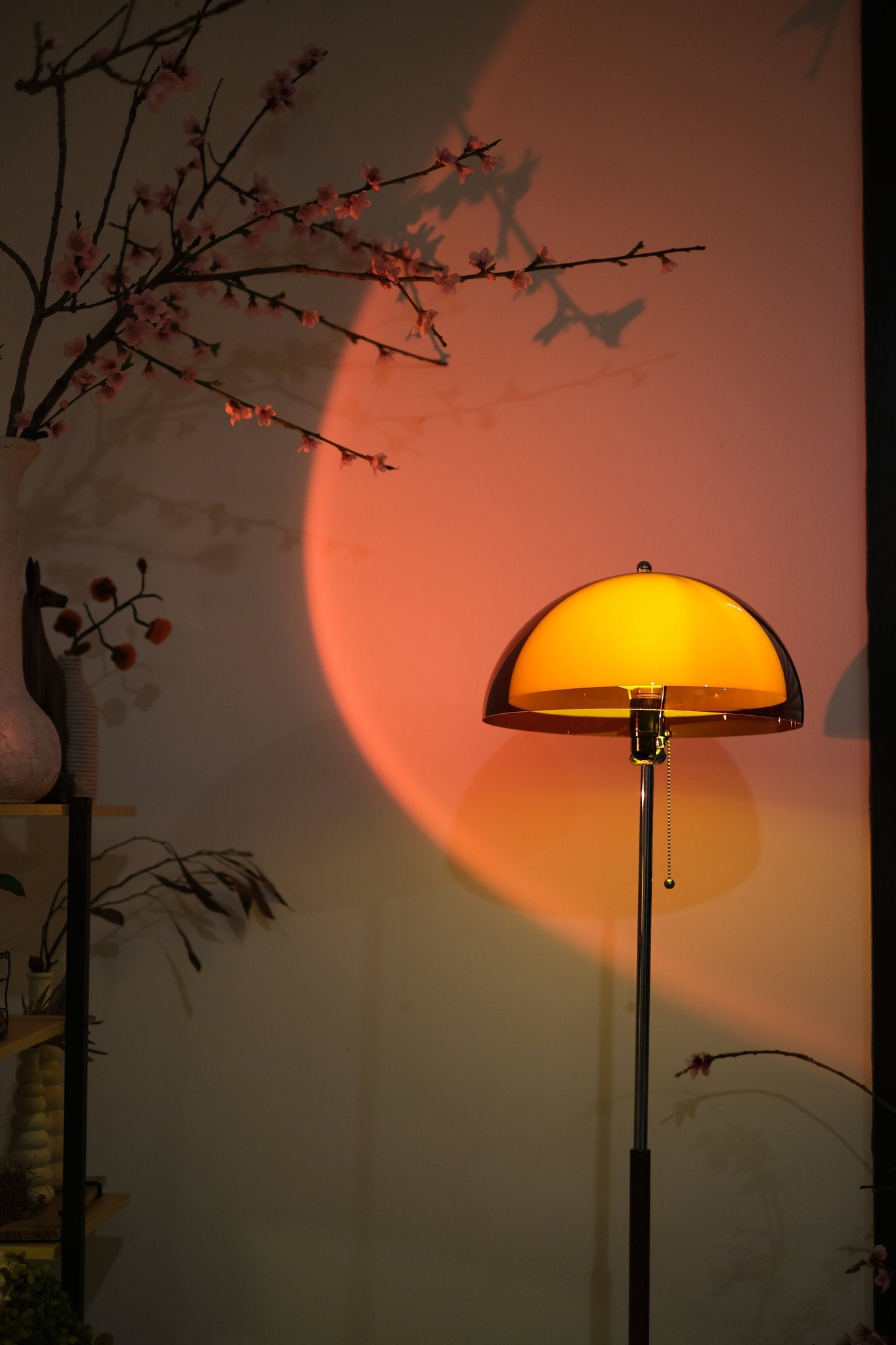
A simple floor lamp can completely change that perception.
Even better, choose a lamp that throws light across the room instead of straight upward.
Why Arc Floor Lamps Work So Well

An arc floor lamp is one of the easiest ways to eliminate the Cave Effect.
Unlike standard floor lamps, the curved arm extends the light exactly where you need it without requiring ceiling wiring.
It can brighten:
-
Sofas
-
Reading chairs
-
Dining tables
-
Empty corners
-
Open-plan living rooms
Because the light reaches over furniture, it creates a soft overhead glow that fills the room naturally.
If you're wondering where an arc lamp works best, this practical guide explains exactly how to position one for maximum effect. It covers everything from choosing the right size and ceiling clearance to placing the lamp over sofas, dining tables, and reading nooks while avoiding common layout mistakes.
Choose Warm Light Instead of Cold Light

Brightness isn't the only factor.
Color temperature matters too.
For living rooms and bedrooms, warm white bulbs (around 2700K–3000K) create a relaxing atmosphere that feels inviting rather than clinical.
Cool white light has its place in offices and kitchens, but using it everywhere can make a home feel sterile.
A dimmable lamp gives you even more flexibility, allowing you to switch from productive daytime lighting to cozy evening lighting in seconds.
Reflect More Light Around the Room
You don't always need brighter bulbs.
Sometimes you simply need to help existing light travel further.
Easy tricks include:
-
Place mirrors opposite windows.
-
Use glass or metallic décor.
-
Choose lighter rugs.
-
Add white or neutral curtains.
-
Keep lamp shades clean.
-
Avoid blocking windows with bulky furniture.
Small adjustments can make a surprising difference.
Create "Pools of Light"

Instead of flooding an entire room with one bright fixture, create several smaller lighting zones.
For example:
-
A floor lamp beside the sofa
-
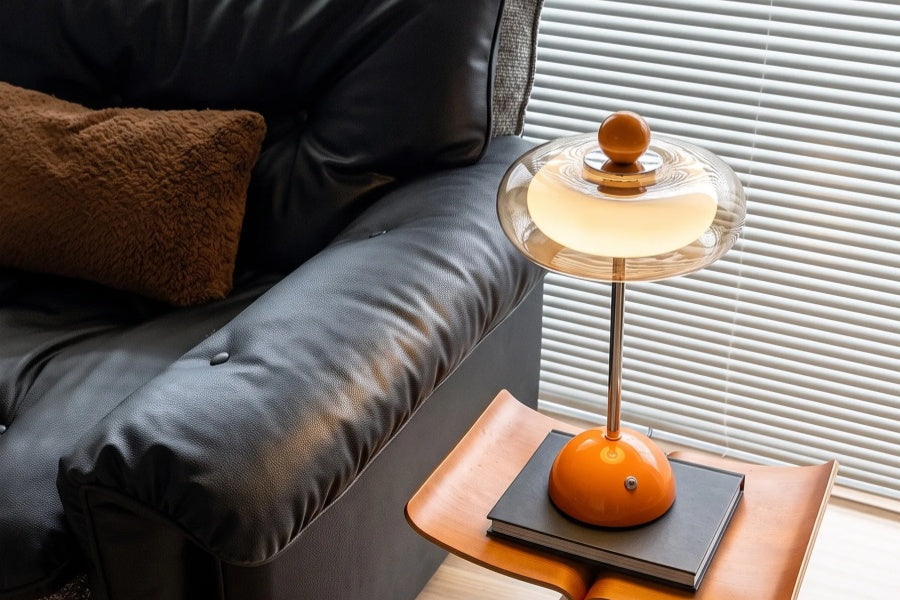
A table lamp on the console
-
Soft shelf lighting
-
A reading lamp near your favorite chair
These separate pools of light make a room feel layered, warm, and inviting.
Ironically, using multiple softer lights often makes a room feel brighter than relying on one powerful ceiling light.
Lighting Is About Emotion
People often spend thousands on furniture but overlook lighting.
Yet lighting is what determines how every piece of furniture actually looks.
A beautiful sofa hidden in shadows won't feel luxurious.
A simple room with thoughtful lighting, however, instantly feels expensive, comfortable, and welcoming.
Good lighting doesn't just illuminate your home.
It changes how you experience it every single day.
Final Thoughts
The Cave Effect isn't caused by having a small house—it's usually caused by poor lighting choices.
The good news is that it's one of the easiest design problems to fix.
By layering your lighting, brightening dark corners, choosing warmer bulbs, and using statement pieces like an arc floor lamp in the right location, you can make your home feel larger, brighter, and far more inviting without major renovations.
Sometimes, the difference between a room that drains your energy and one that lifts your mood is simply where you place the next lamp.
FAQs
1. What is the Cave Effect in interior design?
The Cave Effect refers to the feeling of fatigue, gloom, or confinement caused by poor indoor lighting and excessive shadows.
2. Can poor lighting affect my mood?
Yes. Dim environments can make people feel less energetic, less productive, and less comfortable spending time indoors.
3. Are arc floor lamps good for small spaces?
Yes. Since the base stays off to the side while the light reaches overhead, arc floor lamps provide excellent illumination without needing ceiling installation.
4. Should every room have more than one light source?
In most cases, yes. Multiple light sources reduce harsh shadows and improve both functionality and atmosphere.
5. What's the easiest way to eliminate the Cave Effect?
Start by adding a floor lamp to a dark corner, use warm white bulbs, and layer your lighting instead of relying on a single overhead fixture.