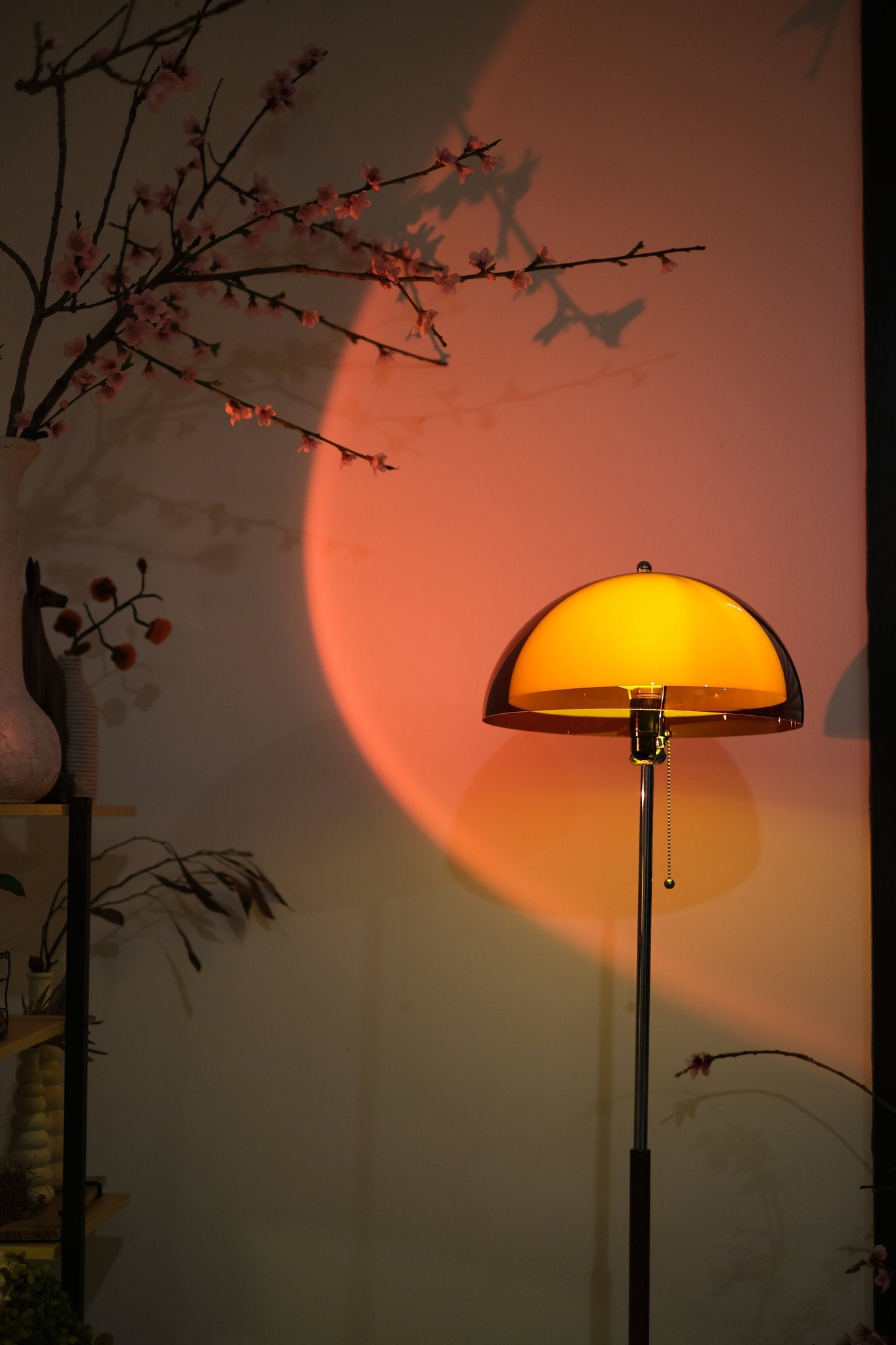

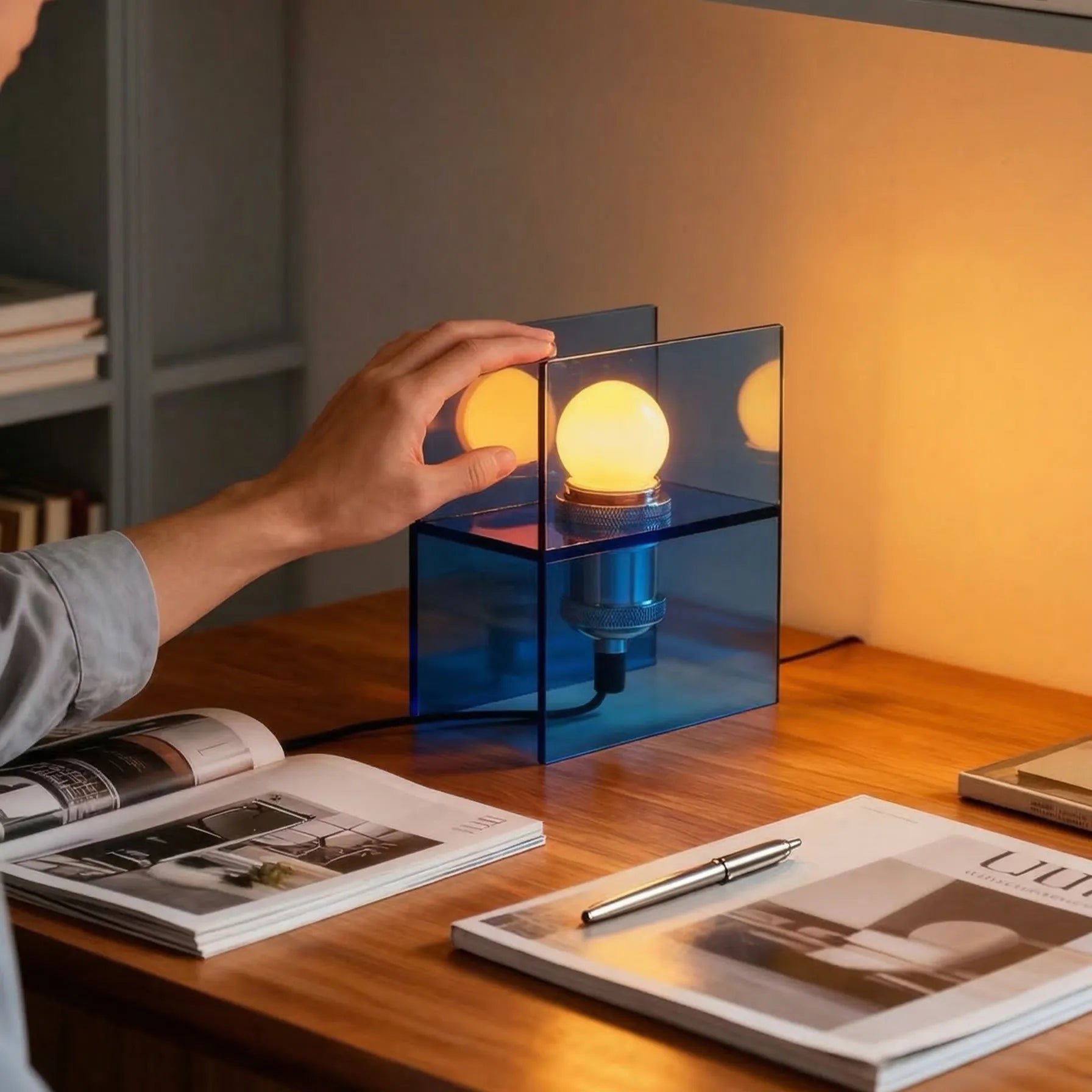
Think about your favourite family memory from the past year.
Maybe it's dinner around the table, everyone laughing at something silly. Maybe it's bedtime stories with the kids, all piled on the sofa. Maybe it's a quiet Sunday morning, coffee in hand, watching the sunlight filter through the curtains.
Now think about the light in that memory. Chances are, it wasn't harsh overheads or fluorescent tubes. It was warm. Soft. Gentle. The kind of light that makes you want to stay a little longer.
We don't usually notice lighting when it's right. We only notice when it's wrong – when it's too bright, too dim, or casting weird shadows across someone's face. But the truth is, lighting shapes every single family moment. It sets the tone. It changes how we feel. It makes the ordinary feel special.
Here's how to get it right.
Morning: Gentle Light for Gentle Beginnings
Mornings in Australian homes can be chaotic. Kids need to get ready. Partners are rushing for coffee. And everyone's trying to wake up without being grumpy about it.
The mistake is flicking on bright, cool ceiling lights the second you wake up. That harsh jolt of blue-toned light is like an alarm clock for your nervous system – stressful and abrupt.
The fix is to use a dimmable small lamp or bedside table lamp to wake up gradually. Warm light (2700K) at low brightness signals your brain that it's time to wake up, but gently. If you have a smart bulb, set it to gradually brighten over 15 minutes – like a sunrise.
The family moment? Your kids wake up to soft, warm light instead of harsh brightness. They start the day calmer. You start the day less frazzled. The morning rush still happens, but without the frantic edge.
Breakfast: Light That Makes Everyone Feel Welcome

The kitchen and dining area are the heart of the home. But if the lighting is wrong, even the best breakfast feels rushed and uninviting.
The mistake is relying on one bright overhead light that flattens everything and makes everyone look tired.
The fix is to layer your breakfast lighting. Use a dimmable overhead light for general visibility, plus a small lamp or table lamp on the bench or sideboard for warmth. Even in the morning, a touch of warm accent light changes the whole vibe.
The family moment? Breakfast becomes a moment of connection, not just fuel. The light is warm enough to feel cosy, bright enough to see the toast. Conversations flow more easily. No one's squinting.
Afternoon: Light That Transitions with You

Afternoons are transitional. Work ends. School finishes. The house shifts from quiet to busy. Your lighting should shift too.
The mistake is leaving the same lighting setup all day – too bright for winding down, too dim for homework or activities.
The fix is to use dimmable floor lamps and smart bulbs that you can adjust as the afternoon progresses. Start with brighter ambient light while kids do homework or you prep dinner, then gradually dim as everyone transitions into evening mode.
The family moment? The after-school chaos feels manageable. Kids can see their homework, but the room doesn't feel like a hospital. And when it's time to relax, you're already halfway there.
Dinner: Light That Brings Everyone Together

Dinner time is sacred. It's when families actually sit down together, if you can get everyone off their screens. And the lighting makes or breaks it.
The mistake is bright, unflattering overhead light that makes everyone look exhausted and washes out your food.
The fix is to dim the overheads. Use a small lamp or table lamp near the dining area, or a dimmable floor lamp positioned to cast warm glow across the table. For extra points, add a soft light lamp on a sideboard for depth.
The family moment? The food looks better. Everyone looks better. The conversation feels more intimate, less like a meeting. You stay at the table longer because the room makes you want to stay.
Evening: Light for Winding Down Together
Evenings are for connection – reading, chatting, watching something together. But the lighting needs to support that, not fight it.
The mistake is keeping bright lights on until everyone goes to bed. Your brain stays alert, and winding down feels like a chore.
The fix is to gradually dim your lights as the evening progresses. Start with moderate brightness for activities, then drop to low, warm glow for relaxation. Use small lamps and soft light lamps for that cosy, intimate feeling.
The family moment? Movie night on the sofa feels like a cinema. Reading together feels peaceful, not hurried. The kids actually relax before bed, and you feel like you've spent quality time together – not just been in the same room.
For more on creating evening atmosphere, our article on the science of cozy explains why warm light helps you relax.
Bedtime: Light That Signals Sleep

Bedtime routines are crucial for kids and adults. The right lighting helps everyone transition from awake to asleep.
The mistake is bright overhead lights right up until lights-out. This suppresses melatonin and makes falling asleep harder.
The fix is to use warm, dim bedside lamps or wall lights for bedtime reading and winding down. For kids, a small lamp with a low-wattage bulb or a dimmer helps them feel safe without disrupting sleep.
The family moment? Bedtime feels calm, not chaotic. Kids settle faster. You get some quiet time before your own bedtime. The house transitions from "active" to "rest" with a gentle glow.
For more bedtime lighting tips, our guide on how many lumens for a bedroom covers the perfect brightness levels.
The Weekend: Light for Slow Mornings
Weekends are for taking it slow – no alarms, no rush. And the light should match that mood.
The mistake is the same morning routine as weekdays – bright lights, fast pace.
The fix is to keep your floor lamps and table lamps on dim. Use natural light where possible, and supplement with warm lamps when needed. The goal isn't brightness – it's comfort.
The family moment? Slow mornings together – coffee, pancakes, stories. The light stays soft, the mood stays relaxed, and everyone actually feels like they've had a break.
The Family Lighting Checklist
For every room:
-
Warm bulbs (2700K) everywhere
-
Dimmers on your most-used lamps
-
At least three light sources per living area
-
Soft light lamps with fabric or linen shades
For every moment:
-
Morning: Gentle, gradual light
-
Breakfast: Layered warmth
-
Afternoon: Transitional, adjustable
-
Dinner: Intimate, low glow
-
Evening: Dim and cosy
-
Bedtime: Soft, sleep-ready
The Bottom Line
Lighting doesn't just help you see. It helps you feel. It shapes the moments that become memories – the shared meals, the quiet conversations, the lazy Sunday mornings.
When you get the light right, you don't notice it. You just notice that the room feels better. The family feels closer. The moments feel more precious.
And that's the whole point.
Ready to shape your family's best moments with better lighting? Explore our collection of warm, dimmable floor lamps, table lamps, and small lamps at Homezee today.
Start with our collection of warm, diffusing Acrylic lamps– perfect for anchoring your living space with that gentle, inviting glow.
And for layered, intimate lighting, browse our selection of table lamps – each one designed to cast beautiful, eye-comforting light exactly where you need it.
FAQs
1. What type of lighting is best for family living rooms?
A mix of ambient, task, and accent lighting – with warm bulbs (2700K) and dimmers. Start with a floor lamp near seating for reading and cosiness, add a small lamp on a sideboard or shelf, and keep overhead lights on a dimmer for flexibility.
2. How can I make my dining room feel cosier for family dinners?
Dim your overheads and add warm accent lighting. Use a table lamp or floor lamp positioned to cast gentle glow across the table. Keep the light warm (2700K or lower) and consider using a dimmer to adjust throughout the meal.
3. What's the best light for kids' bedtime routines?
Warm, dim light with no blue content. Use bedside lamps with warm bulbs (2700K) and keep brightness low. Avoid overhead lights during the wind-down phase, and consider a small lamp with a dimmer for gradual dimming.
4. Can good lighting really change how my family interacts?
Yes. Warm, layered lighting makes spaces feel more inviting, intimate, and comfortable. When people feel comfortable, they relax, talk more, and stay longer. Harsh overhead lights create tension – even if you don't notice it consciously.
5. How do I transition from daytime to evening lighting in my home?
Use dimmers or smart bulbs to gradually reduce brightness as the sun sets. Start dimming your main lights around sunset, then switch to lamps only after dinner. Use warm bulbs everywhere. This gradual transition helps everyone in the family wind down naturally.
Still have questions about lighting your family's best moments? Our Homezee team is here to help. And if you're looking for lamps for sale that bring warmth and connection, we've got you covered.