
The Homezee Edit

What Is Ink Silk? The Story Behind Ink Silk Pendant Lights
There’s something special about a light that feels almost like artwork. That is exactly the charm of Ink Silk. By bringing the expressive beauty of ink-inspired artistry onto a delicate textile surface, Ink Silk turns an everyday pendant light into something warmer, softer, and much more personal. But what makes this craft so beautiful? And why does it work so naturally with modern pendant lighting? Let’s get into the story behind it. What Is Ink Silk? Ink Silk is a decorative textile craft that brings the visual language of traditional ink art onto a silk-like fabric surface. Think flowing brushstrokes, subtle tonal changes, organic shapes, and the beautiful balance between darker and lighter areas. Instead of creating a perfectly uniform surface, the technique allows the material to carry a sense of movement and artistic expression. The result is a lampshade with depth. During the day, the Ink Silk surface adds texture and visual interest to the room. Once the light is switched on, the fabric takes on a completely different character as the warm glow gently passes through it. That transformation is one of the most beautiful things about Ink Silk pendant lights. The Artistic Inspiration Behind Ink Silk The story of Ink Silk is closely connected to the long tradition of ink art on silk. Silk has been used as an artistic surface in Asia for centuries, while ink painting developed its own distinctive visual language through expressive strokes, tonal variation, and an appreciation of space. Historical silk paintings demonstrate how naturally ink and silk can work together as an artistic medium. Ink art isn't simply about drawing a picture. It is about rhythm, balance, movement, and atmosphere. A single brushstroke can feel energetic. A softer wash can suggest distance or mist. An area of untouched space can be just as important as the ink itself. When these ideas are translated into lighting, the pendant shade becomes more than a covering for a bulb. It becomes a surface where light and artistry meet. Why Silk Makes Such a Beautiful Lighting Material Silk has a naturally elegant appearance, but its relationship with light is what makes it particularly fascinating for pendant lamps. A textile shade can soften the light source and create a gentler atmosphere. Silk adds its own delicate texture and subtle sheen, giving the illuminated surface a refined, almost glowing quality. This is why silk pendant lighting has such a distinctive presence in interiors. Contemporary silk lighting is often designed around the idea of creating soft, diffused illumination while keeping the fixture visually sculptural. With Ink Silk, there is another layer. The artwork interacts with the light. The darker ink-inspired details become part of the glow, while lighter areas allow more illumination to come through. The same pendant can therefore look slightly different depending on the time of day and whether the light is switched on. It feels alive. The Beauty Is in the Brushwork One of the things that makes Ink Silk so appealing is its artistic quality. Ink-inspired patterns don't have to be perfectly symmetrical. In fact, their beauty often comes from the movement of the brush and the relationship between different shades. A flowing mark can create a sense of motion. A soft wash can make the shade feel lighter. A deeper stroke can give the design a visual anchor. Together, these details create a pendant light that feels considered without feeling overly decorative. This is especially beautiful in homes where people want lighting to have personality rather than simply provide illumination. From Traditional Art to Modern Lighting This is where Ink Silk becomes particularly exciting. Traditional artistic techniques don't have to stay in traditional interiors. Today, designers are increasingly interested in bringing craftsmanship, natural textures, and cultural influences into contemporary homes. We can see the same idea in modern lighting collections that reinterpret traditional textile techniques through clean, contemporary forms. Ink Silk fits beautifully into that movement. Imagine a simple dining room with a timber table, neutral walls, soft linen curtains, and an Ink Silk pendant hanging above the centre. The furniture keeps the room clean and modern. The Ink Silk shade adds the story. That balance is what makes the material so versatile. Why Ink Silk Pendant Lights Feel So Warm Good lighting changes how a room feels. A cold, overly bright ceiling light can make a room feel purely functional. A softer pendant can make the same space feel more intimate. Ink Silk takes this one step further by adding visual softness to the light itself. The textile surface helps create a gentle glow, while the ink-inspired pattern adds subtle shadows and tonal depth. This makes Ink Silk pendant lights particularly suited to spaces where atmosphere matters: Dining rooms Living rooms Bedrooms Reading corners Entryways Kitchen islands Relaxed hospitality spaces Above a dining table, for example, an Ink Silk pendant can create a natural focal point while making evening meals feel warmer and more inviting. Ink Silk Works Beautifully With Modern Interiors You don't need a traditional home to appreciate Ink Silk. In fact, the contrast between contemporary furniture and an artistic textile pendant can be incredibly beautiful. Japandi Interiors Natural timber, neutral colours, simple furniture, and soft lighting make an ideal backdrop for Ink Silk. Minimalist Homes When the rest of the room is deliberately simple, an Ink Silk pendant can introduce texture without overwhelming the space. Organic Modern Interiors Stone, wood, linen, ceramics, and other natural materials naturally complement the tactile quality of Ink Silk. Contemporary Dining Spaces An Ink Silk pendant above a dining table can act as both lighting and artwork, giving the room a strong focal point without making it feel overly formal. And if you're thinking about how to keep pendant lighting contemporary rather than overly trend-driven, Homezee's guide on how to use pendant lights in 2026 without looking dated offers some useful styling ideas. Ink Silk Is More Than a Pattern It can be tempting to look at an Ink Silk pendant and simply describe it as “a patterned lampshade.” But that misses the point. The beauty of Ink Silk comes from the relationship between material, craftsmanship, artistry, and light. The fabric provides the surface. The ink-inspired design provides expression. The pendant structure gives it form. And the light brings everything together. When these elements work as one, the result feels much more like a decorative object than an ordinary lighting fixture. That is the magic of this craft. How Ink Silk Changes After Dark Perhaps the best moment to experience an Ink Silk pendant is after sunset. During daylight hours, you can appreciate the surface, pattern, and texture. Then the bulb comes on. Suddenly, the shade becomes part of the lighting itself. The pattern takes on greater depth. The textile appears warmer. The room around it becomes softer. It is almost like watching an artwork change when illuminated. This is why Ink Silk works particularly well as a feature light. It has something to offer both when the light is off and when the room comes alive at night. How to Style an Ink Silk Pendant Light The easiest approach is to let the pendant breathe. You don't need to fill the room with competing patterns. Pair an Ink Silk pendant with natural textures such as: Light or dark timber Linen Cotton Stone Ceramic Rattan Neutral upholstery For colour, warm whites, beige, taupe, soft grey, natural brown, and muted earth tones can create a calm backdrop that allows the Ink Silk artwork to stand out. If the shade has stronger ink-inspired details, keep the surrounding décor relatively simple. Think of the pendant as the artwork in the room. Everything else can support the story. Why Ink Silk Belongs in Modern Homes Modern interiors are moving toward spaces that feel personal rather than perfectly staged. People want homes that feel comfortable, warm, tactile, and individual. That is exactly where Ink Silk fits. It brings craftsmanship into an everyday object. It combines an artistic tradition with contemporary lighting. And most importantly, it creates a pendant that can be appreciated for more than its shape. There is a story behind it. There is texture. There is movement. There is the interaction between ink-inspired artwork and warm light. That gives an Ink Silk pendant a character that is difficult to achieve with a completely ordinary lampshade. The Story Continues With Every Light Perhaps the most beautiful thing about Ink Silk is that the story doesn't end when the craft is finished. It continues every time you switch on the light. In the morning, the shade can feel quiet and decorative. During the afternoon, natural light reveals its texture and artistic details. At night, the warm illumination brings the ink-inspired design to life again. It becomes part of everyday moments: dinner with family, a late-night conversation, a quiet cup of tea, or simply coming home after a long day. That is what makes Ink Silk more than a lighting technique. It is a way of bringing art into everyday life. And that is the story behind Ink Silk pendant lights. FAQs 1. Why is Ink Silk suitable for pendant lights? The textile surface works beautifully with illumination. When the pendant is switched on, light interacts with the fabric and enhances the depth and character of the ink-inspired design. 2. Are Ink Silk pendant lights suitable for modern homes? Yes. Their combination of artistic texture and contemporary lighting makes them suitable for minimalist, Japandi, organic modern, Scandinavian, and contemporary interiors. 3. Does Ink Silk look different when the light is switched on? Yes. Illumination can reveal different tonal qualities and make the artwork appear deeper and more expressive than it does under natural daylight. 4. What furniture works well with Ink Silk lighting? Natural wood, linen, stone, ceramics, rattan, and neutral-coloured furniture all pair beautifully with the organic and artistic character of Ink Silk. 5. Why choose an Ink Silk pendant light? Because it offers more than illumination. Ink Silk combines craftsmanship, artistic inspiration, soft texture, and beautiful light to create a pendant that feels personal and timeless.
Learn more
How to Make Your Home More Comfortable with Dimmable Touch Lamps?
There's nothing worse than getting settled into bed, book in hand, only to realise the light is too bright. Or too dim. Or you have to fumble around for a tiny switch in the dark. It's a small annoyance. But it happens every single night. Now imagine this. You tap the base of your lamp once, and it glows softly. Tap again, and it brightens. Hold your finger down, and it dims to exactly the level you want. No fumbling. No getting out of bed. Just perfect light, exactly when you need it. That's the magic of dimmable touch lamps. And honestly? Once you've used one, you'll wonder how you ever lived without it. Why Touch Lamps Are a Game-Changer Here's the thing about traditional lamps. They're either on or off. Full brightness or nothing. But life isn't just on or off. Sometimes you want bright light for reading. Sometimes you want a soft glow for winding down. Sometimes you want something in between. A dimmable touch lamp gives you that control – with literally the tap of a finger. The technology: A touch lamp works by sensing the electrical capacitance of your skin. When you tap the base, you complete a circuit, and the lamp responds. No switches, no buttons, no fiddling in the dark. The benefit: You can adjust brightness without looking. Without reaching. Without getting up. It's the kind of convenience that sounds small – but makes a huge difference every single day. For more on how the right controls improve your daily routine, check out our guide on how to choose the right table lamps for bedside. How Dimmers Change Your Evening Lighting isn't just about seeing. It's about feeling. When you have a dimmable lamp, you can match your light to your mood. Bright for reading. Medium for relaxing. Low for winding down. And that gradual transition from bright to dim helps your brain shift from "day mode" to "night mode." The science: As the evening progresses, your brain needs less light to trigger melatonin production. A dimmable touch lamp lets you reduce brightness gradually – mimicking the natural sunset. This signals your body that it's time to rest. The result: Easier sleep, less eye strain, and a more relaxing evening overall. Our guide on the science of cozy explains why this gradual dimming matters for your nervous system. Where to Use Dimmable Touch Lamps The beauty of dimmable touch lamps is that they work in almost every room. The Bedside This is where touch lamps really shine. No more fumbling for a switch in the dark. Just tap the base, and you've got gentle light for midnight trips or early mornings. Perfect for bedside reading, too – you can adjust brightness as your eyes get tired. Browse our selection of bedside lamps to find the right fit. The Home Office A dimmable touch lamp on your desk gives you control over brightness throughout the day. Brighter for focused work, dimmer for creative tasks or video calls. The Entryway A touch lamp on a console table by the door is perfect for coming home late. Tap it on as you walk in – no need to find a switch in the dark. Choosing the Right Touch Lamp Not all touch lamps are created equal. Here's what to look for. Sensitivity: The touch sensor should be responsive but not too sensitive. You shouldn't have to tap hard, but it also shouldn't trigger accidentally. Dimming Range: Look for lamps that dim smoothly from very low (5–10 per cent) to full brightness. A wide range gives you more control. Brightness Levels: Some touch lamps have three or four preset brightness levels. Others dim continuously as you hold your finger down. Both work – choose based on your preference. Bulb Compatibility: Make sure the lamp takes standard bulbs (E27 or E14) and is compatible with dimmable LEDs. Some touch lamps have integrated LEDs – check the specifications. Style: Touch lamps come in all styles – modern, retro, minimalist, sculptural. Choose one that fits your space. Pairing Touch Lamps with Other Lighting A single touch lamp is great. But when you combine it with other light sources, your home becomes truly comfortable. The Layered Setup Touch lamp on the bedside table for adjustable, personal light Floor lamp in the corner for ambient glow Overhead light on a dimmer for general illumination Small lamp on a shelf for accent light When you can control each layer independently, you can create exactly the mood you want. And when one of those layers is a dimmable touch lamp, it becomes the most convenient part of your setup. For more on layering, our guide on layered lighting for Australian homes covers the basics. The Ritual of Dimming Here's a small ritual that makes a big difference. Step 1: At sunset, turn on your touch lamp to full brightness. Step 2: As the evening progresses, tap it down one level. Step 3: Tap it down again when you're ready to wind down. Step 4: Leave it on the lowest setting for those late-night moments. This gradual reduction in brightness mimics the natural sunset, helping your brain transition from day to night. And because you're using a touch lamp, it takes almost no effort at all. Quick Checklist: Making Your Home More Comfortable with Touch Lamps Do this today: Replace your bedside lamp with a dimmable touch lamp Place a touch lamp on a side table in your living room Try using only your touch lamps (no overheads) for one evening Buy this next: A dimmable touch lamp for your bedside or living room A warm white LED bulb (2700K) if the lamp takes standard bulbs A second touch lamp for another room – the convenience is addictive The Bottom Line Comfort is about control. And when it comes to lighting, few things give you more control than a dimmable touch lamp. Tap to turn it on. Tap to dim. Tap to brighten. No fumbling, no reaching, no getting up. It's the kind of convenience that makes your home feel truly yours. And in 2026, when more Australians are investing in their home environments than ever before, a dimmable touch lamp is one of the easiest upgrades you can make. Ready to make your home more comfortable? Explore our collection of dimmable touch lamps and warm lighting at Homezee today. FAQs 1. How do dimmable touch lamps work? Touch lamps sense the electrical capacitance of your skin. When you tap the metal base, you complete a circuit, and the lamp responds by turning on, off, or changing brightness. It's simple, reliable, and works without any mechanical switches. 2. Can I use a dimmable touch lamp with any bulb? Most touch lamps work with standard bulbs, but they must be dimmable. If you use a non-dimmable LED, it will flicker or not dim properly. Check the lamp specifications and use dimmable bulbs only. 3. Are touch lamps safe? Yes. Touch lamps use very low voltage for the sensor, and the switching mechanism is fully enclosed. They're safe for bedside use, even if you accidentally tap them while half-asleep. 4. What's the ideal brightness for a bedside touch lamp? For reading, aim for 400–600 lumens at full brightness. For winding down, you want to be able to dim it to 50–100 lumens. Look for a lamp with a wide dimming range so you have full control. 5. Can I use a touch lamp in a living room? Absolutely. A dimmable touch lamp on a side table or console gives you adjustable ambient light – bright for reading, dim for TV watching, medium for conversation. Still have questions about dimmable touch lamps? Our Homezee team is here to help. And if you're looking for lamps for sale that give you total control over your comfort, we've got you covered.
Learn more
A Guide to Lamp Switch Options: Pull Chain, Foot Switch, and Touch Controls
When you're shopping for a new lamp, it's easy to focus on the colour, shape or size. But here's something many people overlook until the lamp arrives: How do you actually turn it on? It might sound like a small detail, but the type of lamp switch can make a big difference to how convenient your lamp is to use every day. A pull chain might be perfect beside your favourite reading chair. A foot switch can save you from bending down every evening. And if you love modern convenience, a touch control lamp might quickly become your favourite piece of furniture. If you've never thought much about lamp switches before, don't worry. Here's a simple guide to the most common options and how to choose the one that fits your lifestyle. Why the Lamp Switch Matters More Than You Think A lamp isn't something you use once in a while—it's part of your daily routine. You switch it on before reading in bed, when you're relaxing on the sofa, working from home, or winding down at night. If the switch is awkward to reach, hidden behind furniture or simply inconvenient, you'll notice it every single day. That's why it's worth spending a few extra minutes choosing the right switch style before you buy. 1. Pull Chain Lamps: Simple, Reliable and Timeless The pull chain is one of the oldest and most recognisable lamp switch designs. Instead of searching for a tiny switch on the power cord, you simply pull the hanging chain to turn the light on or off. Why people like pull chain lamps Easy to find, even in the dark Simple mechanical design Adds a classic or vintage look No need to reach for the power cord They're especially popular on traditional table lamps, bedside lamps and vintage-inspired floor lamps. If your lamp sits beside a chair or sofa, the chain is usually within easy reach, making it a practical everyday choice. Best places for a pull chain lamp Reading corner Living room Bedside table Library or study Traditional interiors 2. Foot Switch Lamps: The Hands-Free Favourite If you've ever tried turning on a floor lamp while carrying a cup of coffee or a pile of books, you'll understand why foot switches are so popular. Instead of reaching down with your hand, you simply tap the switch on the cord with your foot. It couldn't be much easier. Why choose a foot switch? No bending down Convenient for floor lamps Easy to operate when your hands are full Great for taller lamps Many modern floor lamps now include a foot switch because they're often placed beside sofas or in room corners where the switch would otherwise be difficult to reach. Best places for a foot switch lamp Living room Lounge Reading chair Bedroom corner Home office If you're considering adding a floor lamp to your home, placement also plays a big role in how useful it feels. Homezee has a helpful guide called Different Types of Lamps and Using Guide, which explains where different lamp styles work best around the home. 3. Touch Control Lamps: Modern Convenience Touch control lamps have become increasingly popular over the last few years, and it's easy to see why. Instead of looking for a switch, you simply touch part of the lamp base or body. Some models even let you tap multiple times to adjust brightness. It feels surprisingly natural after you've used one for a few days. Why people love touch lamps Extremely easy to use Clean, minimalist appearance Often includes dimming levels Perfect for bedside use If you've ever fumbled around in the dark looking for a switch, a touch lamp solves that problem immediately. Just tap. Done. Best places for touch lamps Bedside tables Guest rooms Home office Children's rooms Modern apartments 4. Which Lamp Switch Is Best for a Bedroom? Bedrooms are probably where switch choice matters the most. Nobody enjoys climbing into bed only to realise the switch is awkwardly positioned. Here's a simple guide: Like traditional style? Choose a pull chain. Want convenience? A touch control lamp is hard to beat. Using a floor lamp beside your bed? A foot switch makes switching on and off effortless. The right option depends on where your lamp will sit and how you normally use it. 5. Which Switch Is Best for a Living Room? Living rooms often have several light sources working together. A floor lamp beside the sofa. A table lamp on the side table. Maybe even a decorative lamp in the corner. For these spaces: Foot switches work brilliantly on floor lamps. Pull chains suit classic table lamps. Touch controls are ideal if you like a clean, modern look. Rather than thinking about which switch is "best," think about which one is easiest to use from where you'll be sitting. 6. What About Dimmable Touch Lamps? One reason touch lamps have become so popular is that many also include dimming functions. Instead of simply turning the lamp on and off, you can often cycle through different brightness levels with a gentle tap. This gives you more flexibility throughout the day. For example: Bright light for reading Medium light for relaxing Soft light before bed It's a small feature that can make one lamp suitable for several different situations. 7. Which Switch Is the Most Durable? All three switch types can last for years when they're made with quality components. Generally speaking: Pull chain A simple mechanical design that's easy to operate. Foot switch Designed for frequent daily use, especially on floor lamps. Touch control Uses electronic components and often offers additional features like dimming. The overall build quality of the lamp is usually more important than the switch style itself. 8. Which Lamp Switch Is Best for Older Adults? Ease of use is especially important if mobility is a concern. Many people find: Touch control lamps easiest beside the bed. Foot switches easiest for floor lamps. Pull chains easiest when seated close to the lamp. The best option depends on where the lamp is placed and how easy it is to reach comfortably. 9. Choosing the Right Lamp Is About More Than the Switch While the switch is important, it shouldn't be the only thing you consider. Also think about: Lamp height Shade material Brightness Colour temperature Room size Interior style A beautiful lamp that's awkward to use isn't the right choice. Likewise, the most convenient switch won't help if the lamp doesn't provide the kind of lighting your room needs. If you're comparing different lighting styles, Homezee's Different Types of Lamps and Using Guide is a great starting point. It explains the purpose of table lamps, floor lamps, pendant lights and more, making it easier to match the right lamp to each room before deciding on the switch style. Why Homezee Offers Lighting for Every Lifestyle Whether you prefer the simplicity of a pull chain, the practicality of a foot switch or the convenience of touch controls, the best lamp is the one that fits naturally into your daily routine. That's why Homezee offers a wide range of lighting designed for your homes, from elegant bedside lamps and modern floor lamps to portable lighting and statement pieces. Rather than focusing only on appearance, Homezee combines thoughtful design with practical everyday usability, helping you find lighting that's comfortable to live with as well as beautiful to look at. No matter your decorating style—modern, Japandi, retro or classic—choosing the right switch can make your favourite lamp even better. Final Thoughts A lamp switch might seem like a tiny detail, but it's something you'll use every single day. If you love traditional charm, a pull chain is a timeless choice. If convenience is your priority, a foot switch makes floor lamps effortless to use. And if you enjoy modern technology, touch controls offer one of the easiest lighting experiences available. The best switch isn't the newest one—it's the one that suits your space, your routine and the way you actually live. FAQs 1. What are the main types of lamp switches? The most common options are pull chain switches, foot switches, touch controls, rotary switches and inline cord switches. 2. Are touch control lamps reliable? Yes. Modern touch lamps are designed for everyday use and many include multiple brightness settings. 3. Is a pull chain better than a touch switch? Neither is universally better. Pull chains suit traditional styles, while touch switches offer greater convenience for modern living 4. Can touch lamps be dimmable? Many touch control lamps include two or three brightness levels, allowing you to adjust the light with repeated taps. 5. Which lamp switch is best for a bedside table? A touch control switch is often the most convenient because it can be operated with a simple tap, even in the dark.
Learn more
How to Use a Candle Warmer Lamp for the Best Fragrance?
Have you ever melted a candle under a warmer lamp and wondered why the scent seemed weak—or surprisingly strong? The truth is, getting the most out of a candle warmer lamp isn't just about switching it on. Small details like wax depth, lamp height, room size, and even the type of candle you choose all affect how well your home smells. In this guide, you'll learn exactly how to use a candle warmer lamp for the best fragrance, avoid common mistakes, and make every candle last longer. What Is a Candle Warmer Lamp? Unlike traditional candle burning, a candle warmer lamp uses a halogen or warming bulb to gently melt the wax from the top down. Since there's no open flame, you still enjoy the fragrance without producing smoke or soot. Benefits include: Safer around children and pets No smoke stains on walls or ceilings Longer candle lifespan More even fragrance release Lower fire risk Many people also notice that premium scented candles perform better under a warmer because the wax melts more evenly. Step 1: Choose the Right Candle Not every candle performs the same under a warmer lamp. For the strongest fragrance: Large jar candles work best Soy wax melts more gently Coconut wax provides excellent scent throw High-quality fragrance oils outperform cheaper candles If your candle barely smells when lit normally, a warmer lamp won't magically fix it. Step 2: Adjust the Lamp Height This is probably the biggest mistake beginners make. If the bulb sits too high: Wax melts slowly Fragrance is weak If it's too close: Wax overheats Essential oils evaporate too quickly Candle life becomes shorter The ideal distance allows only the top 1–2 cm of wax to melt. Step 3: Don't Melt the Entire Candle More melted wax does not mean a stronger scent. Actually, the opposite happens. A shallow melted layer concentrates fragrance into the air. If the entire jar liquefies: Scent becomes diluted Wax overheats Fragrance oils break down faster For most candles, melting the top layer is all you need. Step 4: Warm for Two to Four Hours Running your warmer all day isn't necessary. A good schedule is: Small room: 2 hours Living room: 3 hours Large open space: 4 hours maximum After that, switch it off and let the wax solidify. This helps preserve the fragrance oils for future use. Step 5: Use the Right Room Size Even the strongest candle has limits. As a rough guide: Small Bedroom One medium candle is enough. Living Room Choose a larger three-wick candle. Open Floor Plan Use two candle warmer lamps at opposite ends. Trying to scent a huge room with one tiny candle usually leads to disappointment. Step 6: Keep Dust Away Dust acts like a lid on fragrance. Before warming: Wipe the jar Remove loose debris Trim away hardened wax edges if needed A clean candle melts more evenly and smells fresher. Step 7: Replace the Top Wax Eventually Many people think the candle is finished once the scent disappears. Actually, the wax often remains. Over time: Fragrance oils evaporate Wax loses scent Color may darken Simply remove the top 1–2 cm of unscented wax once it cools. The fresh scented wax underneath often smells almost new again. Step 8: Pick the Right Bulb Candle warmers need heat, not light, to melt wax. For candle-warming use, a heat-producing halogen bulb (max 40w) is required. Halogen bulbs work like mini heaters—over 90% of their energy turns into heat, which beams directly down to melt the wax and release the scent. LED and smart bulbs are designed not to get hot, so they will never melt your candle. Step 9: Match Fragrance to the Season Different scents perform differently depending on temperature. Spring Floral Cotton Fresh linen Summer Citrus Coconut Ocean breeze Autumn Pumpkin Cinnamon Apple Winter Vanilla Cedarwood Pine Amber Rotating fragrances throughout the year keeps your home feeling fresh. Step 10: Pair Your Warmer Lamp with Cozy Lighting A candle warmer lamp isn't only about fragrance—it also adds warmth and ambience. To make your space feel even more relaxing: Use warm white lighting (around 2700K) Avoid harsh ceiling lights Add a table lamp or floor lamp nearby Dim surrounding lights during the evening If you're exploring home lighting beyond candle warmers, Homezee's guide to smart lighting specifications explains how brightness, colour temperature, and smart features can improve comfort in every room:. Common Mistakes to Avoid Avoid these habits if you want the strongest fragrance: Leaving the warmer on all day Using low-quality candles Melting the entire jar Choosing the wrong bulb wattage Expecting one candle to scent a very large room Forgetting to replace scentless surface wax Placing the warmer near open windows or fans Final Thoughts A candle warmer lamp can make your favourite scented candles last longer while creating a safer and cleaner home environment. The secret isn't using more heat—it's using the right amount of heat for the right amount of time. By choosing quality candles, adjusting the lamp height, avoiding overheating, and refreshing old wax when needed, you'll enjoy stronger fragrance and get much better value from every candle. Combined with warm ambient lighting, a candle warmer lamp can easily become one of the coziest additions to your home. FAQs 1. Does a candle warmer lamp make candles smell stronger? Yes. A candle warmer lamp melts wax evenly from the top, often releasing fragrance more consistently than a traditional flame. 2. Can I use any candle with a candle warmer lamp? Most jar candles work well, especially soy, coconut, and blended wax candles. 3. Is a candle warmer lamp safer than burning candles? Yes. Since there's no open flame, candle warmer lamps reduce fire risk and eliminate smoke and soot. 4. Which wax works best with a candle warmer lamp? Soy wax and coconut wax are popular because they melt evenly and provide excellent fragrance. 5. Can I leave a candle warmer lamp on overnight? It's not recommended. Turn it off after several hours and never leave electrical appliances unattended for extended periods.
Learn more
The Best Pleated Floor Lamp Setup for Cozy Evenings
It's evening. The sun has set. You're curled up on the sofa with a cup of tea, a book, or maybe just your thoughts. The only light in the room comes from a single lamp – warm, soft, and gentle on your eyes. That's the magic of a great floor lamp. And if that lamp happens to have a pleated shade? Even better. Pleated floor lamps are having a moment in Australian homes right now. And honestly, it makes sense. They combine the warmth of traditional design with a clean, modern silhouette. They're sculptural but soft, statement-making but not overwhelming. But here's the thing – even the most beautiful lamp won't create cosy evenings unless you set it up right. Placement, bulb choice, and layering all matter. Let's walk through how to create the perfect floor lamp setup for those long, relaxing evenings. Why Pleated Shades Are Perfect for Cozy Lighting There's something about a pleated shade that just feels… right. The design: The folds create texture and depth, catching light and shadow in ways that flat shades can't. When the lamp is on, the pleats glow softly. When it's off, they add visual interest to the room. The light: Pleated shades are usually made from fabric – linen, cotton, or a blend – which diffuses light beautifully. The light that comes through is warm, even, and completely glare-free. The vibe: There's a reason pleated shades are often described as "timeless." They work in modern spaces, traditional spaces, and everything in between. They feel familiar but never dated. If you're looking for a floor lamp that creates warm, inviting evenings, a pleated shade is one of the best choices you can make. For more on how diffused lighting helps you relax, our guide on why soft lighting heals your brain covers the science behind it. Where to Place Your Pleated Floor Lamp A beautiful lamp in the wrong spot won't do you any favours. Here's where pleated floor lamps work best. In a Corner A corner lamp adds depth to a room. Place your pleated floor lamp in a corner and angle the shade slightly outward. The light will wash across the walls and ceiling, making the whole room feel larger and more inviting. Behind an Armchair This is a designer trick that most people don't know. Place the lamp directly behind an armchair, with the shade rising above the backrest. The light creates a halo effect around the chair – perfect for reading or just relaxing. Near a Window If you have a window with no overhead light nearby, a floor lamp can fill the gap. Place it next to the window and let the warm glow complement the natural light from outside. On dark evenings, the lamp becomes the star of the space. Choosing the Right Bulb for Your Pleated Floor Lamp Even the perfect pleated lamp will feel wrong if the bulb is wrong. Colour TemperatureStick to warm white (2700K) for all cosy lighting tasks. Avoid anything above 3000K – it will feel harsh and clinical. Brightness (Lumens)For a floor lamp that's used for reading, aim for 400–600 lumens. For ambient-only lamps, 200–300 lumens is plenty. Dimmable bulbs are ideal – you can adjust brightness as the evening progresses. Shade CompatibilitySome pleated shades are designed to work with specific bulb shapes. For an even glow, look for bulbs that sit fully inside the shade – not sticking out the bottom. CRI (Colour Rendering Index)Aim for 80 or higher. High-CRI bulbs make colours look natural, which matters more than you think for cosy evenings. Our guide on what kind of light reduces eye strain covers colour temperature and CRI in detail. Layering Your Pleated Floor Lamp with Other Light Sources One lamp is good. Two or three is better. The Setup Your pleated floor lamp provides warm, diffused ambient light A small table lamp on a side table adds intimacy and depth A dimmed overhead light (if you must use one) fills the gaps A candle or two – because nothing says "cosy" like candlelight When these layers work together, the room feels warm, inviting, and completely intentional. How to Style a Pleated Floor Lamp Let's be honest – a beautiful lamp can look a little lost if it's just standing there on its own. The magic happens when it becomes part of a little scene. Start with the lamp itself. Your pleated floor lamp is already a statement piece, so let it be the star. Make sure it has room to breathe – don't crowd it with too much furniture or clutter. The pleats want to be seen, and the warm glow needs space to spread. Consider what's around it. A stack of books or magazines on the floor beside the lamp adds a casual, lived-in feel. It anchors the lamp visually and makes the whole setup feel intentional rather than accidental. If you have a small side table, pull it close – this gives you somewhere to put your cup of tea, your glasses, or a candle. The table doesn't need to be fancy; it just needs to belong there. Think about texture and contrast. The soft folds of a pleated shade pair beautifully with natural materials – a wooden side table, a woven rug, a leafy plant. Placing a tall plant on the opposite side of the lamp creates balance and softens the overall look. On the floor, a sheepskin or small rug under the lamp adds warmth and protects your floorboards while tying the whole corner together. Don't forget the light itself. A dimmer is your best friend here. Being able to turn the brightness down as the evening deepens transforms a functional lamp into a mood-setting centrepiece. The same lamp can be bright enough for reading at 7pm and gently glowing at 10pm – it's all about control. And finally, let it feel like you. The best styling isn't about following rules – it's about making the lamp feel like it belongs in your home, not a showroom. Add a quirky object you love, a candle you actually burn, or a book you're currently reading. The lamp becomes part of your daily life, not just a prop. For more on how to build a layered, personal space, our guide on the beauty of a room seen only under warm lamp light might give you a fresh perspective. The Evening Ritual Here's a simple way to use your pleated floor lamp to mark the transition from day to evening. Step 1: At sunset, turn off any cool-white overhead lights. Step 2: Turn on your pleated floor lamp. Notice how the light fills the room. Step 3: Dim the lamp to about 60–70 per cent brightness – warm, but bright enough to see. Step 4: As the evening progresses, gradually dim the lamp lower. Step 5: When it's time for bed, keep only a dim glow or switch to a small lamp for the final wind-down. This ritual signals your brain that the day is over and it's time to relax. And the pleated shade makes it feel even more intentional. Our guide on the science of cozy explains why warm, gradual light helps you switch off. Quick Checklist: Pleated Floor Lamp Setup Do this today: Place your pleated floor lamp beside the sofa, in a corner, or behind a chair Swap any cool bulbs for warm white (2700K) Add a dimmer if your lamp doesn't have one Layer your lamp with a small table lamp or candle Buy this next: A pleated floor lamp (if you don't already own one) A dimmable warm bulb (400–600 lumens) A small side table or plant to complete the corner The Bottom Line Cozy evenings don't happen by accident. They're created – by the light, the furniture, and the rituals we build around them. A pleated floor lamp is one of the best tools for creating that warm, inviting glow. The textured shade, the diffused light, the timeless design – it all adds up to an evening that feels calm, intentional, and deeply comfortable. Whether you're reading, chatting, or just sitting quietly, the right lamp makes all the difference. Ready to create your perfect cozy corner? Explore our collection of floor lamps and warm lighting at Homezee today. FAQs 1. What's the ideal height for a pleated floor lamp? For a standard sofa or armchair, the bottom of the shade should sit at or slightly above shoulder height when you're seated – roughly 120–140cm from the floor. This puts the light where you need it without glaring in your eyes. 2. What bulb should I use in a pleated floor lamp? Use a warm white LED bulb (2700K) with 400–600 lumens for reading, or 200–300 lumens for ambient light. Make sure it's dimmable if your lamp has a dimmer. Look for bulbs that sit fully inside the shade for the best light quality. 3. Can I use a pleated floor lamp for reading? Yes, as long as it has a bulb with 400+ lumens and the shade is positioned correctly. Place the lamp beside your seating area, not behind or in front of you, and angle the shade slightly down toward your book or phone. 4. How do I clean a pleated shade? Use a soft brush attachment on your vacuum or a lint roller to gently remove dust. For deeper cleaning, use a fabric steamer at a distance – the steam will release wrinkles and freshen the fabric. Avoid water or cleaning sprays – they can stain or shrink the fabric. 5. Can I use a pleated floor lamp in a small room? Absolutely. Pleated floor lamps come in various sizes – choose a narrower design if space is tight. The fabric shade and warm light will make a small room feel cosier and more intimate. Still have questions about creating the perfect cozy setup? Our Homezee team is here to help. And if you're looking for lamps for sale that bring warmth and comfort, we've got you covered.
Learn more
How a Pleated Lamp Creates Softer Light Than Ordinary Lamps
Ever switched on a lamp at night and thought, “Why does this feel so harsh?” The problem might not be the bulb. It could be the lampshade. A pleated lamp can make a surprisingly big difference because its fabric shade helps soften, spread and filter the light before it reaches the room. Instead of creating one strong pool of brightness, it gives you a warmer, more diffused glow that feels much easier on the eyes. And honestly, that’s exactly what many Australian homes need after a long day. So, what makes pleated lighting different from an ordinary lamp? Let’s break it down. What Makes a Pleated Lamp Different? The most obvious difference is the shade. Traditional lamps can use smooth fabric, glass, metal or plastic shades. Depending on the material, light may pass through directly, bounce strongly off surfaces, or create fairly defined shadows. A pleated lampshade has folds running across its surface. These folds create more texture and depth between the bulb and the surrounding room. The result? The light feels less direct. Instead of looking straight at a bright bulb or getting a sharp beam of light across a wall, the pleated shade helps distribute that brightness more gradually. Think of it like putting a soft filter between you and a bright light source. The bulb is still doing the work, but the shade changes how that light reaches you. 1. The Fabric Helps Diffuse Harsh Light One of the biggest reasons pleated lamps create softer lighting is the material used for the shade. Fabric shades naturally diffuse light. Rather than allowing the bulb's brightness to hit your eyes directly, the material scatters some of the light and reduces the feeling of glare. This is particularly useful in spaces where you want to relax. Think: Bedroom Living room Reading corner Home office Dining area Lounge area Instead of a sharp, bright beam, you get something that feels more gentle and atmospheric. That’s why pleated lamps are often associated with cosy interiors. They aren't just decorative pieces — their construction can genuinely change the quality of light in a room. 2. The Pleats Add More Layers Between You and the Bulb Here’s where things get interesting. A pleated shade isn't completely flat. The folds create small changes in the surface of the fabric, which can affect how light travels through and around the shade. You can think of each fold as creating another little variation in the way light spreads. The result is a more layered visual effect. Instead of: Bulb → straight light → your eyes you get something closer to: Bulb → fabric → filtered light → surrounding surfaces → softer room glow That difference might sound small, but you can notice it when the lamp is switched on. It’s one reason pleated lighting can feel much more inviting than a bare bulb or exposed light source. 3. Pleated Lamps Create Softer Shadows Light isn't only about brightness. Shadows matter too. A very direct light source can create strong shadows behind furniture, plants and decorative objects. That can make a room feel dramatic — which isn't necessarily bad — but it can also make a small space feel harder and less relaxed. A pleated lamp tends to produce softer transitions between light and shadow. This gives your room a more natural-looking glow. For example, place a pleated floor lamp beside your sofa and the surrounding wall may gradually brighten rather than suddenly becoming a bright patch of light. The result is subtle, but that's actually the point. Good ambient lighting shouldn't always announce itself. It should simply make the room feel better. 4. The Right Bulb Makes a Pleated Lamp Even Softer Of course, the lampshade isn't the only thing that matters. Your bulb matters too. If you're trying to create a warm, comfortable atmosphere, a warm-white LED bulb is generally a better choice than an extremely cool white bulb. A warm bulb paired with a fabric pleated shade can create a lovely evening glow. For different situations, think about it like this: Warm light Great for bedrooms, living rooms and relaxing. Neutral light Better for work areas and everyday tasks. Cool light Useful when you need a brighter, more energetic environment, but it can feel less cosy. If your goal is soft lighting, don't automatically choose the brightest bulb available. You want the lamp to create comfortable illumination, not turn your living room into a supermarket. 5. Pleated Floor Lamps Are Great for Larger Rooms If you love the look of pleated lighting but want something more substantial, consider a pleated floor lamp. Floor lamps have one big advantage: height. Instead of lighting only a small area around a table, a floor lamp can spread light higher up the wall and across a larger section of your room. Placement makes a huge difference here. Try putting your floor lamp: Behind a sofa Next to an armchair Beside a bookshelf In an empty corner Near a reading chair The idea isn't necessarily to point the light directly at the centre of the room. Sometimes allowing light to wash gently across a wall creates a much softer effect. If you're interested in getting more from your floor lamp placement, Homezee has also put together a useful guide on Floor Lamp Placement Tips for a Softer, More Inviting Australian Home. It's worth a read if you're not sure where your floor lamp should actually go. 6. A Pleated Lamp Can Make a Room Feel Warmer There’s also a visual reason pleated lamps feel soft. The folds in the shade add texture. And texture matters in interior design. A room filled with smooth surfaces — glass, metal, glossy furniture and plain walls — can sometimes feel a little cold. Adding a pleated lamp introduces another tactile element. The combination of: fabric + folds + warm light creates a softer visual balance. This works particularly well with interiors that use natural materials such as timber, linen, rattan and wool. You don't need to completely redesign your room. Sometimes adding one textured lamp is enough to make the space feel more layered. 7. Pleated Lamps Work Beautifully With Australian Interior Styles Australian interiors often lean towards natural materials, neutral colours and relaxed spaces. That makes pleated lamps a surprisingly easy match. For a coastal-inspired home, try a light-coloured pleated shade with timber furniture. For a Japandi-style room, keep the shape simple and pair it with natural wood and neutral tones. For a modern apartment, choose a sculptural pleated lamp as a statement piece. For a classic interior, traditional pleated shades can add a timeless touch. And if you're going for a cosy, relaxed look, combine the lamp with warm textiles and low-level lighting. The nice thing about pleated lamps is that they don't need to dominate the room. They can quietly fit in. 8. Why Soft Lighting Feels Better at Night Ever notice how a room can feel completely different at 8pm compared with 8am? That's largely because lighting changes how we experience the space. During the day, natural daylight does most of the work. At night, however, harsh overhead lighting can make a room feel overly bright and functional. That's not exactly the mood most people want when they're relaxing on the sofa. Soft ambient lighting creates a more intimate atmosphere. Instead of illuminating every corner equally, it creates areas of brightness and shadow. A pleated lamp can become part of that evening lighting setup. Turn off the main ceiling light, switch on your floor lamp and table lamps, and suddenly the same room feels completely different. It's one of the easiest ways to make your home feel more inviting without changing your furniture. 9. Don't Use Just One Light Source Here's another simple trick: don't expect one lamp to do everything. The best lighting setups usually combine several sources. For example: Ceiling light: General illumination. Table lamp: Focused or bedside lighting. Pleated floor lamp: Soft ambient lighting. Pendant light: Decorative and functional lighting. Portable lamp: Flexible accent lighting. This is known as layered lighting, and it allows you to change the mood of a room depending on what you're doing. Cooking dinner? Turn on the brighter lights. Watching a movie? Turn off the ceiling light and use your floor lamp. Reading? Add a table lamp. Having friends over? Use several warm light sources together. Your home doesn't need to look exactly the same every evening. 10. Why Homezee Pleated Lighting Is Worth Considering If you're looking for a softer, more decorative lighting style, Homezee is a great place to explore. Homezee focuses on lighting that isn't simply functional. Its collection includes styles designed to bring warmth, texture and personality into Australian homes. Pleated designs work particularly well if you want something softer than a traditional exposed-bulb lamp but still want the lamp itself to make a design statement. And because lighting is such a visual part of your home, choosing a lamp with the right shape and shade can make a bigger difference than you might expect. Take your time when choosing one. Think about where you'll put it, what kind of light you want and how you'll use the room after dark. Then choose a design that you genuinely enjoy looking at. Because you're going to see it every day. How to Choose the Right Pleated Lamp for Your Room Before buying a pleated lamp, ask yourself four simple questions. Where will it go? A bedside table needs a different size from a living room floor lamp. How much light do I need? For ambient lighting, you don't necessarily need maximum brightness. What colour is your room? Neutral shades are versatile, while darker or warmer shades can make the lamp feel more dramatic. Do I want the lamp to blend in or stand out? If your furniture is already visually busy, choose a simpler lamp. If your room is minimal, a sculptural pleated lamp can become a beautiful focal point. Final Thoughts: Soft Lighting Doesn't Have to Be Complicated You don't need expensive renovations or a complete interior makeover to make your home feel more comfortable. Sometimes, the simplest change is the most noticeable. A pleated lamp softens the experience of artificial light by combining a diffusing fabric shade with a textured, folded design. Add the right warm bulb, place it thoughtfully and combine it with other light sources, and you can create a room that feels warmer, calmer and much more inviting. And that's really the beauty of good lighting. You shouldn't necessarily notice the technology behind it. You should simply walk into the room and think: “This feels nice.” FAQs 1. Are pleated lamps good for bedrooms? Yes. Pleated lamps are particularly suitable for bedrooms because their diffused glow can create a warm and relaxing atmosphere. 2. What bulb should I use with a pleated lamp? A warm-white LED bulb is generally a good choice if you want a cosy and relaxing atmosphere. 3. Where should I place a pleated floor lamp? Try placing it beside a sofa, reading chair, bookshelf or in an empty corner. Positioning it near a wall can also help create a softer indirect glow. 4. Are pleated lamps suitable for modern interiors? Definitely. Simple pleated designs can work beautifully with modern, Japandi, Scandinavian, coastal and minimalist interiors. 5. Can a pleated lamp replace a ceiling light? Usually, no. A pleated lamp is better suited to ambient or accent lighting. For general room illumination, it works best alongside your main light source.
Learn more
Afterpay Day Lighting Guide: Which Lamp Should You Buy First?
If you’re planning to shop for lighting during Afterpay Day, here’s the easiest advice: don’t start by asking which lamp looks the coolest. Start by asking which part of your home needs better lighting. Need a cosy bedside setup? Get a table lamp. Want your living room to feel warmer? Go for a floor lamp. Working from home? Choose a lamp that gives your desk some proper task lighting. And if you’re renovating or simply want a bigger visual change, a pendant light could be the one. Afterpay Day is a popular Australian shopping event that takes place twice a year, with deals across categories including homewares. The official Afterpay site confirms that the event returns in August 2026. So, before you fill your cart, let’s figure out which lamp you should actually buy first. First Things First: What Does Your Home Need? It’s surprisingly easy to buy lighting based purely on looks. You see a gorgeous mushroom lamp, a sculptural floor lamp or a retro pendant and immediately think, “Yep, that would look amazing in my house.” And honestly? We get it. But good lighting is about more than aesthetics. The best lamp is the one that solves an actual problem in your home. Ask yourself three quick questions: Is my room too dark at night? Do I rely too much on one harsh ceiling light? Which area of my home feels the least inviting? Your answer will tell you where to start. For most homes, we recommend thinking about lighting in layers: general lighting, task lighting and ambient lighting. You don’t need to replace everything at once. One well-chosen lamp can already make a noticeable difference. 1. Buy a Table Lamp First If Your Bedroom Feels Too Bright If your first lighting upgrade is for the bedroom, a table lamp is probably the easiest place to start. There’s something about switching off the big ceiling light and turning on a small bedside lamp that immediately makes the room feel more relaxed. A table lamp works well for: Bedside tables Reading corners Console tables Home offices Small living rooms Entryway furniture You also don’t need a huge lamp. In fact, a smaller lamp can work better on a compact bedside table. Homezee has plenty of options if this is where you want to start, including mushroom lamps, glass table lamps, portable LED lamps and Japandi-inspired designs. The current Homezee table lamp collection includes options such as the Coby Double Dome Mushroom Table Lamp, Layla Marble Base Table Lamp, Olivia Mushroom Table Lamp and rechargeable portable lamps. Our pick: Start with a table lamp if you want the easiest, lowest-effort way to make your bedroom or small living area feel warmer. 2. Choose a Floor Lamp If Your Living Room Needs More Personality If your living room already has a decent ceiling light but still feels a little… meh, a floor lamp could make a bigger difference. This is especially useful if you have an empty corner beside your sofa. Instead of adding another piece of furniture, a floor lamp fills that awkward corner while adding height and visual interest. Try placing one: Beside the sofa Behind an armchair Next to a bookshelf In an empty living room corner Beside a TV unit Arc floor lamps are particularly useful because they can extend light over a sofa or side table without taking up much floor space around the seating area. And if you like retro, Bauhaus or mid-century interiors, this is where things get fun. Homezee currently has a wide selection of floor lamps, including arc lamps, mushroom designs, Bauhaus-inspired pieces and retro styles. Our pick: Choose a floor lamp first if your living room feels empty, flat or overly dependent on overhead lighting. 3. Go for a Portable Lamp If You Like Flexibility Not sure where you’ll want extra light tomorrow? Then don’t buy a lamp that permanently lives in one spot. A portable rechargeable lamp can be moved from your dining table to the balcony, bedside table, kitchen bench or reading corner whenever you need it. This is especially handy for: Apartment living Rental homes Small spaces Dinner parties Outdoor entertaining Bedside reading Homezee offers rechargeable portable LED table lamps with touch controls, including the Dori and Bobbi designs. The best part? You’re not committing to one location. Move it around. Try it somewhere else. Change your mind. That’s kind of the point. Our pick: Buy portable lighting first if you want one lamp that can do several jobs around your home. 4. Choose a Pendant Light If You Want the Biggest Visual Change Want to make your room look noticeably different rather than simply brighter? A pendant light can be the better investment. Pendant lights naturally draw attention because they hang within your eye line rather than sitting on the floor or furniture. They work particularly well above: Dining tables Kitchen islands Breakfast bars Entryways Living room areas A well-chosen pendant can become part of the room’s personality. You don’t necessarily need a complicated design either. Sometimes a simple sculptural shape is enough. The only catch is installation. Unlike table or portable lamps, pendant lights generally require more planning and installation. So if you’re renting or want something you can set up immediately, start with a table or floor lamp instead. Our pick: Choose a pendant first if you’re decorating a new home or renovating and want lighting to become a major part of the interior design. 5. What About Mushroom Lamps? If you’ve spent any time looking at modern home interiors recently, you’ve probably noticed mushroom lamps everywhere. And there’s a reason. Their rounded shape feels playful without looking childish, while the diffused light creates a soft glow that works beautifully in bedrooms, living rooms and reading corners. They’re also surprisingly easy to style. Pair one with: A timber side table Neutral walls A boucle chair Indoor plants Vintage accessories Warm-toned furniture Homezee has an extensive mushroom lamp range, including both table and floor versions. If you’re looking for a lamp that can function as both lighting and decor, mushroom lamps are a very safe place to start. 6. Want a More Designer Look? Try Bauhaus Lighting If your taste leans towards clean lines, geometric shapes and statement pieces, take a look at Bauhaus-inspired lamps. Bauhaus lighting is a great choice if you want your lamp to feel like part of the furniture rather than something you bought simply because you needed more light. Homezee's lighting collection includes a large selection of Bauhaus-inspired designs alongside Japandi, retro and modern styles. The trick here is not to overdo it. One statement lamp can be enough. If you already have bold furniture, choose something simple. If your room is mostly neutral, a sculptural lamp can become the feature. 7. So, Which Homezee Lamp Should You Buy First? Still stuck? Here’s the simple version: Your problem Start with Bedroom feels too bright Table lamp Living room feels empty Floor lamp You need flexible lighting Portable lamp Dining area needs an upgrade Pendant light You want cosy ambient light Mushroom lamp You love statement interiors Bauhaus lamp You work from home Table/task lamp You want to decorate a corner Floor lamp If you’re shopping for your first piece during Afterpay Day, don’t try to redesign your entire home in one go. Pick the room you use most. Then choose the lamp that solves the biggest problem in that room. That’s usually the smartest purchase. Why Homezee Is Worth Checking Out This Afterpay Day There are plenty of places to buy lamps in Australia, so why check out Homezee? For starters, Homezee focuses heavily on retro, modern, Bauhaus, Japandi and designer-inspired lighting, rather than generic lamps that look like they could belong anywhere. The brand is Melbourne-based and currently offers more than 100 lighting products across categories including table lamps, floor lamps, pendant lights, mushroom lamps and Bauhaus lamps. But the practical stuff matters too. Homezee says its lighting meets Australian electrical safety standards with SAA and RCM certification, offers a 2-year warranty, and provides 30-day no-questions-asked returns. It also offers free standard shipping Australia-wide on orders over $50, subject to terms. That makes it easier to shop for something a little more design-focused without feeling like you’re taking a huge gamble. You can explore the full collection at Homezee Lighting. And if you're shopping specifically for Afterpay Day, it's worth checking the latest promotion and payment terms before purchasing. Afterpay confirms that participating retailers may offer special deals during the event, while retailer-specific terms can vary. Don’t Let Afterpay Day Turn Into “I Bought Five Lamps” Let’s be honest. Sales are great at making us think we suddenly need everything. You probably don’t. The smartest way to shop lighting during Afterpay Day is to decide what you actually need before browsing. Measure the space, think about how you use the room, and decide whether you need ambient, task or decorative lighting. Then look for the lamp that fits the job. If you’re still unsure, start small with a table or portable lamp. If you love the difference it makes, you can build your lighting setup from there. And if you’re ready to go bigger, a floor lamp or pendant can completely change the feel of a room. The goal isn’t to have more lamps. It’s to have better lighting. And that’s exactly where a brand like Homezee can make the process more fun. FAQs 1. What type of lamp should I buy first? Start with the type of lighting your home needs most. A table lamp is usually the easiest first purchase, while a floor lamp works well for larger living areas. 2. Is a table lamp or floor lamp better? It depends on your space. Table lamps are great for bedrooms, desks and smaller areas, while floor lamps are better for adding light and height to living rooms. 3. Are mushroom lamps still a good choice? Absolutely. Mushroom lamps work particularly well if you want soft ambient lighting combined with a distinctive decorative shape. 4. What lamp is best for a small apartment? A table lamp or portable lamp is usually the easiest choice because it provides useful lighting without taking up much space. 5. Is Afterpay Day a good time to buy a lamp? It can be a good opportunity to shop if a lamp you already want is included in a participating retailer’s promotion. However, always compare the final price and check the current promotion terms before buying.
Learn more
Sunset Lamp Ideas for Small Apartments
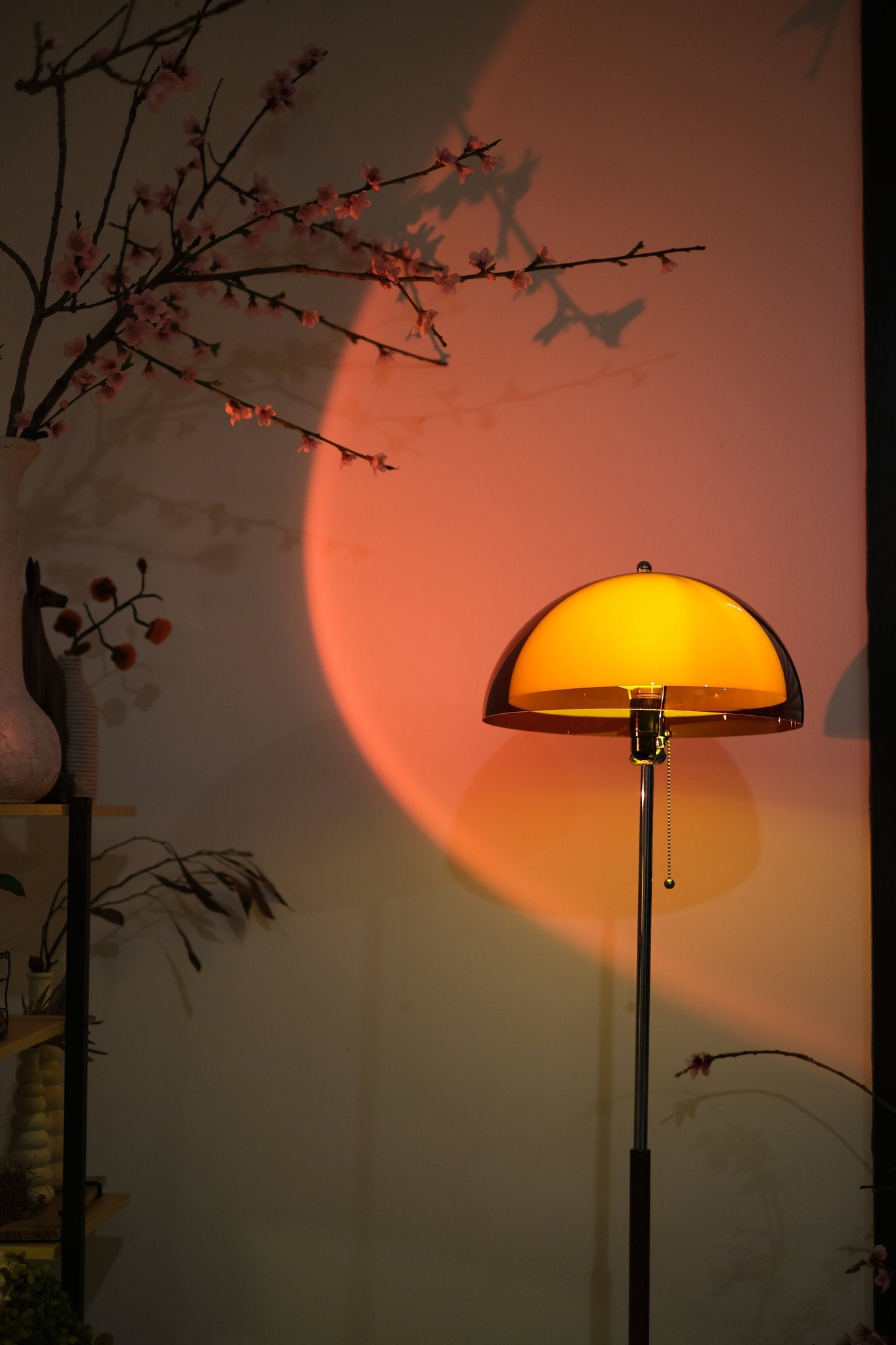
Living in a small apartment doesn’t mean you have to sacrifice style, comfort, or atmosphere. Sometimes, one simple lighting change can completely transform how your home feels. A sunset lamp is one of those small additions that can make a bedroom, living room, or reading corner feel warmer, calmer, and much more personal. Unlike traditional lighting that only focuses on brightness, sunset lamps are designed to create a mood. Their soft orange and golden tones mimic the feeling of a beautiful evening sky, helping your apartment feel more relaxing after a busy day. Whether you live in a studio apartment, a rental unit, or a compact city home, a sunset lamp can add personality without taking up much space. Here are some creative sunset lamp ideas to make your small apartment feel bigger, warmer, and more inviting. Why Sunset Lamps Are Perfect for Small Apartments Small apartments often have one common problem: they can feel a little flat. A single ceiling light usually creates strong shadows and makes the room feel less comfortable. Adding different layers of lighting can create more depth and make a small space feel thoughtfully designed. A sunset lamp works especially well because it provides: A Warm and Relaxing Atmosphere The biggest advantage of a sunset lamp is its cozy glow. The warm orange light creates a calming environment that feels perfect for evenings, movie nights, reading, or simply relaxing on the sofa. After a long day, switching from bright overhead lighting to a softer sunset glow can instantly change the mood of your apartment. A Stylish Decoration Without Cluttering Your Space When space is limited, every piece of furniture matters. Large decorations can make a small apartment feel crowded, but a compact sunset lamp adds visual interest without taking up much room. Place it on a bedside table, bookshelf, desk, or side cabinet, and it becomes both a lighting solution and a decorative feature. An Affordable Apartment Makeover You don’t always need new furniture or a complete renovation to refresh your home. Lighting is one of the easiest ways to upgrade your interior style. A simple lamp can change the atmosphere of an entire room. For more ideas on making small spaces brighter and more comfortable, you can also explore Homezee’s guide on 7 Lighting Hacks for Apartment Living, which shares practical ways to use lighting to create a more inviting apartment. 1. Create a Cozy Sunset Bedroom Corner Your bedroom is probably the best place for a sunset lamp. Small bedrooms can sometimes feel plain, especially when they rely only on one ceiling light. Try placing a sunset lamp on your bedside table or a small shelf near your bed. The warm glow creates a relaxing atmosphere and gives your room a boutique hotel feeling. Pair it with: Neutral bedding Soft blankets Wooden furniture Warm-toned decorations Indoor plants The result is a peaceful space where you actually want to spend time. 2. Turn a Small Living Room Into a Relaxing Lounge A compact living room doesn’t need many decorations. The right lighting placement can make a bigger difference than adding more furniture. Place a sunset lamp near: Your sofa corner A small coffee table A bookshelf A plant stand The light creates a comfortable focal point and helps define different areas in an open-plan apartment. Instead of one bright ceiling light covering the whole room, use layered lighting with different heights and positions. This makes the apartment feel more dynamic and spacious. 3. Build a Minimalist Desk Setup Many apartment residents now work from home, but small desks can easily feel boring. A sunset lamp can instantly make your workspace more inspiring. Place one beside your monitor, books, or laptop area. During the evening, the warm glow creates a softer working environment and makes your desk look more stylish. For a modern minimalist setup, combine: A simple wooden desk A neutral chair A small plant A sunset lamp with warm tones It creates a cozy workspace without overwhelming your room. 4. Use a Sunset Lamp for Small Apartment Photography Sunset lamps have become popular because they create beautiful lighting effects for photos and videos. If you enjoy taking pictures of your home, creating social media content, or simply capturing everyday moments, a sunset lamp can add: Warm shadows Golden backgrounds Artistic wall effects A relaxing atmosphere Even a simple corner of your apartment can look completely different with the right lighting. 5. Combine Sunset Lamps With Other Lighting Styles A sunset lamp works best when combined with other types of lighting instead of being your only light source. A balanced small apartment lighting setup could include: Main lighting: A ceiling light for general brightness. Task lighting: A desk lamp or reading lamp for focused activities. Accent lighting: A sunset lamp to create atmosphere. This layered approach helps your apartment feel more comfortable and professionally designed. 6. Add a Sunset Lamp to Unexpected Places You don’t have to limit sunset lamps to bedrooms or living rooms. Try using one in: A Small Entryway Create a warm welcome when you walk through the door. A Reading Corner Make a tiny corner feel like your personal escape. A Dressing Area Add soft lighting for a more relaxing morning routine. A Balcony or Indoor Plant Area Combine warm light with greenery for a cozy natural feeling. Small details like these can make your apartment feel more like home. 7. Choose the Right Sunset Lamp Style for Your Apartment Not every sunset lamp creates the same feeling. Consider your existing interior style. Modern Apartment Choose simple designs with clean shapes and minimal details. Scandinavian Style Pair soft sunset lighting with light wood, beige tones, and natural textures. Vintage Interior Look for lamps with artistic shapes and warm amber tones. Minimalist Home A small portable sunset lamp can add atmosphere without creating visual clutter. The key is choosing a lamp that matches your lifestyle, not just your decoration style. Final Thoughts: Small2 Lamp, Big Difference A small apartment doesn’t need expensive furniture or major renovations to feel beautiful. Sometimes, changing the lighting is enough to completely transform the atmosphere. A sunset lamp adds warmth, personality, and comfort while taking up very little space. Whether you want a relaxing bedroom, a cozy living room, or a stylish workspace, this simple lighting upgrade can help your apartment feel more like your own. Good lighting is not only about seeing better — it is about creating a space where you enjoy spending time. FAQs 1. What is a sunset lamp? A sunset lamp is a decorative light designed to project warm orange, red, or golden tones that imitate the appearance of a sunset. 2. Can a sunset lamp replace my main room light? Usually not. Sunset lamps are designed mainly for mood lighting and work best together with your main lighting. 3. Do sunset lamps use a lot of electricity? Most modern sunset lamps use LED technology, which makes them energy-efficient for everyday use. 4. Are sunset lamps suitable for bedrooms? Yes. Their warm glow creates a relaxing environment that works well for bedrooms, especially during evening hours. 5. What colours do sunset lamps usually create? Most sunset lamps create warm orange, yellow, pink, red, or amber tones depending on the model.
Learn more
The Homezee Lamp Guide: Find the Perfect Light for Every Space
Lighting does more than brighten a room—it creates atmosphere, highlights your personal style, and makes every corner feel more inviting. At Homezee, we believe the right lamp should be both functional and beautiful, becoming a natural part of your everyday life. Whether you're decorating a new home, refreshing a single room, or searching for that one statement piece, this guide introduces our five most popular lighting collections. From timeless table lamps to sculptural Bauhaus designs, there's a Homezee lamp for every home and every mood. Table Lamps Everyday Lighting with Style Table lamps are among the most versatile lighting pieces in any home. They provide soft ambient lighting while doubling as decorative accents for bedside tables, desks, shelves, and sideboards. What You'll Find at Homezee Guzzi Sunset Hourglass Horizon Table Lamp Guzzi Sunset Ocean Horizon Table Lamp Acrylic Guzzi Acrylic Moon Layered Table Lamp Guzzi Sunset Interactive Gradient Light Best For Bedside lighting Reading corners Home offices Living room styling Console tables Discover more table lamps. Portable Lamps Flexible Lighting That Goes Anywhere Portable lamps give you complete freedom to light your space without being limited by power outlets. Whether you're entertaining outdoors, moving between rooms, or simply changing your décor, portable lighting offers convenience without sacrificing style. What You'll Find at Homezee Dopino Candy Color Mushroom Rechargeable Table Lamp Nesso Retro Donut Mushroom Table Lamp Radiohus Portable LED Rechargeable Table Lamp - Touch Control Lampara Ovni Ufo Portable Rechargeable Table Lamp - Touch Control Nabila Portable Rechargeable Table Lamp Why Customers Love Them Easy to move Wireless convenience Perfect for renters Great for balconies and patios Creates instant atmosphere anywhere Discover more portable lamps. Pendant & Wall Lights Elevate Your Space from Above Pendant and wall lighting do more than illuminate—they define the character of a room. Whether suspended above a dining table or mounted beside a bed, these fixtures create layers of light that make interiors feel thoughtfully designed. What You'll Find at Homezee Coby Triple Pendant Light - Bar-Mount 3 Light Pendant Coby Modern Pendant Lights Woodgrain Coby Swing Arm Double Dome Adjustable Pendant Light Coby Pull-Down Modern Pendant Light "Skirt Hem" American Retro Colorful Berry Glass Wall Sconce Perfect for: Dining rooms Kitchen islands Entryways Staircases Available in styles such as: Modern Scandinavian Retro Minimalist Sculptural Whether you're adding subtle mood lighting or highlighting artwork, wall lights help create a balanced and inviting home. Layering pendant, wall, and table lighting is one of the easiest ways to achieve a warm, designer-inspired interior. Discover more pendant & wall lights. Paper Lighting Soft Light, Timeless Warmth Paper lighting brings a calm, organic feel to modern interiors. Inspired by traditional Japanese craftsmanship and contemporary minimalist design, paper lamps gently diffuse light to create a peaceful atmosphere. What You'll Find at Homezee Akita Rice Paper Japandi Drop Pendant Light Akita Rice Paper Japandi Tilted Pendant Light Akita Rice Paper Japandi lantern Shaped Pendant Light Akita Rice Paper Gourd Floor Lamp Why Choose Paper Lighting? Soft, diffused glow Lightweight yet eye-catching Perfect for Japandi interiors Creates a relaxing ambience Timeless aesthetic that never feels overwhelming Best suited for bedrooms, living rooms, meditation spaces, and cosy reading corners. Discover more paper lighting. Bauhaus Lamps Where Art Meets Function Bauhaus lighting is one of Homezee's signature collections. Defined by geometric forms, balanced proportions, and timeless materials, these lamps transform everyday lighting into sculptural décor. Whether you're drawn to iconic mushroom lamps, chrome finishes, or bold globe designs, Bauhaus lighting offers a perfect blend of practicality and artistic expression. What You'll Find at Homezee Garreau Single Globe Bauhaus Table Lamp Garreau Two Globe Bauhaus Floor Lamp Garreau Trio Globe Bauhaus Floor Lamp Garreau Globe Bauhaus Floor-to-Ceiling Lamp Duo Perfect For Modern apartments Mid-century interiors Creative workspaces Design-focused living rooms Statement corners Many customers choose Bauhaus lamps not only for illumination but also as conversation-starting design pieces that instantly elevate a room. Discover more bauhaus lighting. Final Thoughts At Homezee, lighting is about more than brightness—it's about creating spaces that feel warm, welcoming, and uniquely yours. Whether you prefer timeless table lamps, versatile portable lights, elegant pendant lighting, calming paper lamps, or iconic Bauhaus designs, every collection is curated to help you build a home you'll love coming back to. Explore the Homezee collection and discover lighting that fits your style, your space, and the way you live.
Learn more