
The Homezee Edit

Warm Table Lamps That Keep Your Cat Off Your Keyboard
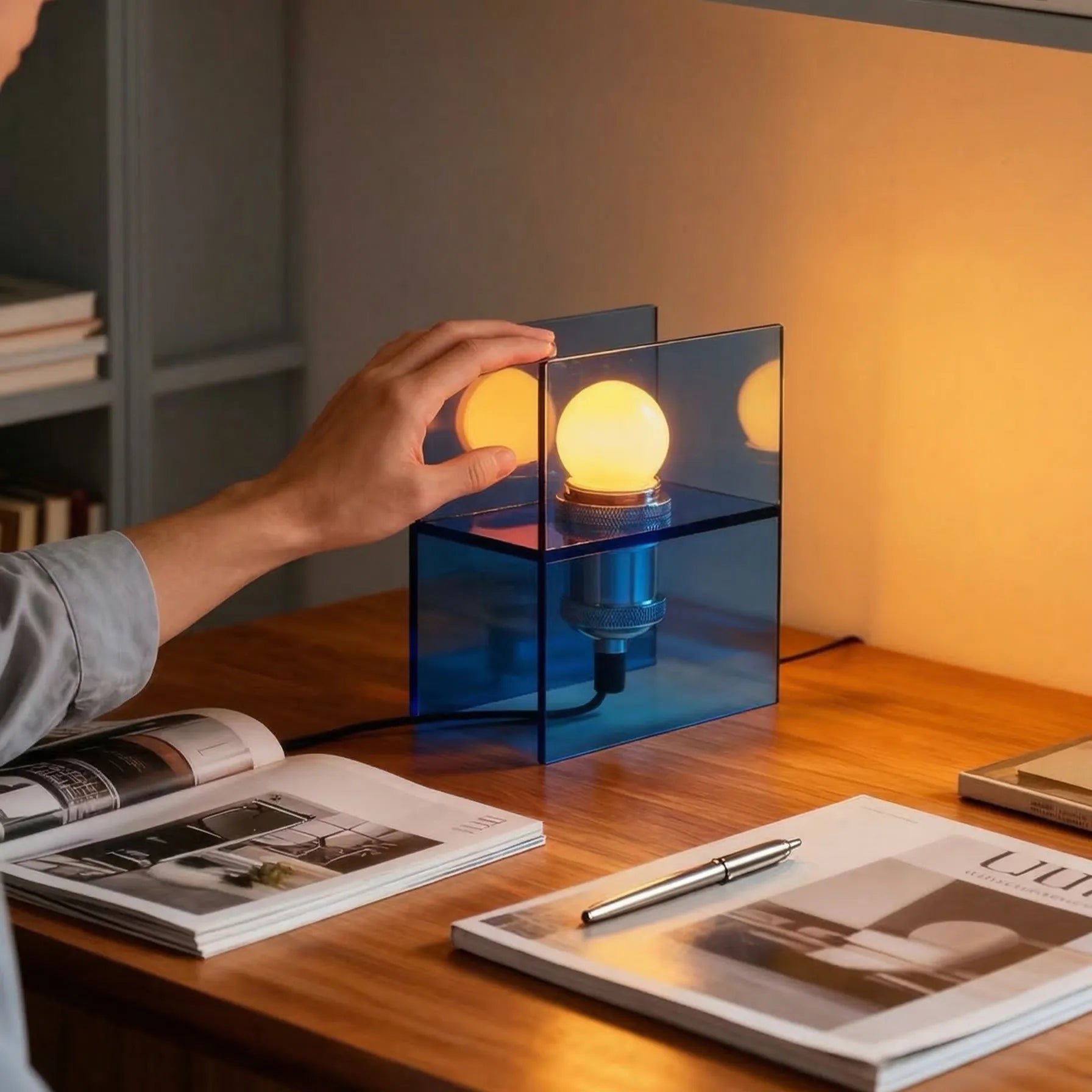
If you live with a cat, you know the struggle. The moment you sit down to work, your furry companion decides your keyboard is the perfect place to nap. While you may not be able to completely stop this behavior, you can encourage your cat to spend time elsewhere. One surprisingly effective solution is a warm table lamp. By creating a cozy, inviting corner, the right lamp can attract your cat away from your desk while making your home feel more comfortable and stylish. Here's how warm table lamps can improve your workspace—and possibly save your keyboard from daily cat takeovers. Why Cats Love Your Keyboard So Much Before solving the problem, it's worth understanding why cats are drawn to keyboards in the first place. Cats naturally seek out: Warm surfaces Places that smell like their humans Elevated viewpoints Areas that get attention Your keyboard checks every box. It's slightly warm from your computer, located directly in front of you, and guaranteed to get a reaction every time your cat jumps on it. From your cat's perspective, it's premium real estate. The trick isn't to stop your cat from seeking comfort—it's to offer an even better alternative. How Warm Table Lamps Create a Cat-Friendly Space Cats are experts at finding the coziest spot in any room. A warm table lamp can help create a dedicated area that naturally attracts your cat away from your workspace. Soft ambient lighting creates an environment that feels calm and comfortable. When paired with a cat bed, blanket, perch, or window seat, a warm lamp can turn an ordinary corner into your cat's favorite hangout. Instead of fighting for space on your desk, your cat may happily relocate to a cozy, well-lit corner nearby. It's a simple solution that benefits both of you. The Magic of Warm Light Not all lighting feels the same. Bright cool-white bulbs often feel harsh and clinical, making a room feel more like an office than a home. Warm lighting, on the other hand, creates a relaxing atmosphere that encourages comfort and rest. For both people and pets, warm light can make a space feel: More inviting More peaceful Less stressful More comfortable during evening hours A table lamp with a warm LED bulb between 2700K and 3000K is usually ideal for creating a cozy environment without being overly bright. The result is a workspace that feels balanced, productive, and comfortable. Choosing the Right Lampshade for a Cozy Space Many people focus on the bulb and forget about the lampshade. The shade plays a major role in how light spreads throughout a room. Fabric lampshades tend to diffuse light softly, creating a gentle glow that feels relaxing. Frosted glass shades can also provide comfortable ambient lighting without producing harsh glare. For homes with pets, avoid delicate materials that could be easily damaged by curious paws. Durable shades are often the most practical choice for everyday use. The Best Places to Set Up a Cat Corner Location matters just as much as lighting. Many cats enjoy resting near windows where they can watch birds, people, and outdoor activity. A warm table lamp placed near a window perch can make the area even more appealing during the evening. Other popular locations include: Beside a bookshelf Next to a favorite armchair Near a cat tree In a quiet corner of a home office Beside a cozy pet bed The goal is to create a destination that feels more attractive than your desk. Why Table Lamps Work Better Than Overhead Lighting Overhead lights brighten an entire room evenly, but they rarely create cozy spaces. Table lamps are different. They provide localized pools of light that make specific areas feel more inviting. This is exactly why table lamps work so well in cat-friendly homes. A table lamp can: Highlight a cat bed Illuminate a window perch Create a relaxing reading nook Add warmth to a quiet corner These focused areas often become natural resting spots for curious cats. Meanwhile, your keyboard remains available for its intended purpose. Safety Matters in Pet-Friendly Lighting When choosing lighting for a home with cats, safety should always come first. Cats are curious by nature. They jump, climb, investigate, and occasionally knock things over. That's why it's important to look for table lamps with: Stable, weighted bases Durable construction LED bulbs that stay cooler Protected power cords Secure lampshades If you're looking for more detailed advice on choosing lighting that works well in homes with pets, our guide offers excellent recommendations: It covers practical considerations that can help create a safer environment for both pets and people. Table Lamps Improve Your Workspace Too The benefits aren't just for your cat. A warm table lamp can significantly improve your own work environment. Many people find that softer lighting reduces eye strain during long hours at a desk. It also helps create a more relaxed atmosphere compared to relying solely on bright ceiling lights. A well-positioned table lamp can: Improve visual comfort Reduce harsh shadows Add depth to your room Enhance your décor Make evening work sessions more enjoyable Warm Table Lamps Beyond the Home Office These lamps aren't only useful for workspaces. They can also improve comfort in: Living Rooms Create a cozy evening atmosphere for relaxing and entertaining. Bedrooms Provide soft bedside lighting that feels calming before sleep. Reading Corners Offer focused illumination for books without overwhelming brightness. Pet Spaces Help create designated areas where cats and dogs feel secure and comfortable. Choosing the Right Table Lamp Not every table lamp is ideal for a cat-friendly workspace. Look for adjustable brightness, warm LED bulbs, sturdy construction, and a style that complements your décor. The best lamps combine safety, comfort, and functionality while helping create an environment that both you and your pet can enjoy. Final Thoughts Living with cats means embracing a little unpredictability. But with the right setup, you can encourage better habits without sacrificing comfort. A warm table lamp does more than illuminate a room. It creates atmosphere, defines cozy spaces, and helps redirect your cat's attention away from your keyboard. Sometimes the simplest home upgrades make the biggest difference. Frequently Asked Questions (FAQ) 1. Do cats prefer light or dark places for sleeping? Most cats enjoy having options. They often nap in warm, softly lit areas during the day and may seek darker, quieter spots when they want uninterrupted rest. 2. Can table lamps help create a better routine for indoor cats? Yes. Consistent lighting can help establish comfortable activity and rest zones, making your home environment feel more predictable and secure. 3. Are smart table lamps useful for pet owners? Smart lamps can be convenient because you can adjust brightness and schedules remotely, helping maintain a comfortable environment even when you're away. 4. Can lighting affect the appearance of pet fur indoors? Yes. Warm lighting can make fur colors appear richer and softer, while cooler lighting may emphasize contrast and detail. 5. How can I stop my cat from chewing lamp cords? Cord covers, cable management sleeves, and keeping excess wiring out of reach can help discourage chewing and improve safety.
Learn more
How Poor Lighting Makes Your Home Feel Less Inviting
Have you ever walked into a home that looked perfectly decorated but somehow felt cold or unwelcoming? The furniture was beautiful. The walls were freshly painted. Everything seemed to be in the right place. Yet something felt off. More often than not, the problem is lighting. Lighting affects how we experience a space far more than most people realize. Even the most stylish room can feel dull, uncomfortable, or smaller than it actually is when the lighting isn't right. On the other hand, thoughtful lighting can make an ordinary room feel warm, inviting, and full of character. Let's explore how poor lighting can negatively impact your home and what you can do to create a more welcoming atmosphere. Your Home Feels Smaller Than It Really Is One of the biggest effects of poor lighting is that it can make rooms appear smaller. Dark corners, uneven illumination, and insufficient light create visual boundaries that make spaces feel closed in. When certain areas of a room remain in shadow, your eyes naturally perceive the space as being more limited. This is especially noticeable in apartments, smaller living rooms, and homes with limited natural light. Adding multiple light sources throughout a room helps distribute light evenly and creates a greater sense of openness. Guests May Feel Less Comfortable Good lighting influences emotions. People naturally feel more relaxed in spaces that are warm and well-lit. Harsh overhead lighting can make a room feel sterile, while insufficient lighting can create an atmosphere that feels gloomy or neglected. When guests enter your home, lighting is one of the first things they subconsciously notice. A welcoming combination of ambient, task, and accent lighting can instantly make visitors feel more comfortable and at ease. Beautiful Décor Goes Unnoticed You've invested time and money into your home. Maybe you've chosen artwork, decorative furniture, textured fabrics, or stylish accessories. Poor lighting can hide all of those details. Without proper illumination, colors appear muted, textures lose depth, and design features fail to stand out. Lighting acts like a spotlight for your interior design. It helps showcase the elements that make your home unique. Dark Corners Create an Unfinished Look Many homes rely on a single ceiling fixture to light an entire room. While this provides general illumination, it often leaves corners dark and unused. These shadowy areas can make a room feel incomplete. Floor lamps, table lamps, and wall lights help eliminate dark zones while adding depth and visual balance. Even a small lamp placed strategically in a neglected corner can dramatically improve the overall atmosphere. Poor Lighting Can Affect Your Mood Lighting doesn't only change how a room looks—it changes how it feels. Studies have shown that lighting influences mood, energy levels, and overall comfort. Spaces that are too dim may feel depressing or draining, while excessively bright lighting can feel stressful and overwhelming. Warm, balanced lighting creates an environment that feels calm, welcoming, and relaxing. This is particularly important in living rooms, bedrooms, and family spaces where comfort is a priority. Your Home May Feel Less Cozy at Night Natural daylight often hides lighting problems during the day. Once the sun goes down, however, poor lighting becomes much more noticeable. A room illuminated by a single overhead fixture can feel flat and uncomfortable during the evening. Layered lighting creates a completely different experience. Combining ceiling lights with table lamps, floor lamps, and accent lighting helps create a warm atmosphere that encourages relaxation. This is one reason why restaurants, hotels, and luxury spaces rarely rely on one light source alone. Uneven Lighting Creates Visual Discomfort Have you ever noticed how some rooms feel awkward without knowing exactly why? The problem is often uneven lighting. When one area is extremely bright and another is unusually dark, the contrast can create visual discomfort. Balanced lighting helps the eye move naturally throughout a space. It creates harmony and makes rooms feel more cohesive. This principle applies to virtually every area of the home, from kitchens and dining rooms to hallways and bedrooms. Lighting Impacts First Impressions Whether you're welcoming friends, hosting family gatherings, or even selling your home, lighting matters. First impressions happen quickly. A well-lit entrance immediately feels more inviting than a dimly lit one. Likewise, a bright and welcoming living room often feels more spacious and attractive than an identical room with poor lighting. Real estate professionals frequently use lighting upgrades because they know how much it influences perception. Improving Your Lighting Doesn't Have to Be Expensive Many homeowners assume that improving lighting requires a major renovation. Fortunately, that's not always true. Simple changes such as adding table lamps, upgrading bulbs, introducing floor lamps, or using warm-toned LEDs can make a significant difference without breaking the budget. If you're looking for affordable ways to improve your home's atmosphere, this helpful guide offers practical ideas and inspiration: You'll find plenty of cost-effective solutions that can instantly make your home feel brighter and more inviting. The Power of Layered Lighting One of the most effective lighting strategies is layering. Layered lighting combines three types of illumination: Ambient Lighting The primary source of light that fills a room. Task Lighting Focused lighting used for activities like reading, cooking, or working. Accent Lighting Decorative lighting that highlights artwork, shelves, plants, or architectural features. When these layers work together, the result feels balanced, welcoming, and visually interesting. Common Signs Your Home Needs Better Lighting You may need to rethink your lighting if: Rooms feel gloomy despite being clean and organized Certain corners always seem dark Guests rarely spend time in particular areas Your décor doesn't stand out Spaces feel smaller than expected You frequently rely on maximum brightness from ceiling fixtures Your home feels less comfortable after sunset Recognizing these signs is the first step toward creating a more inviting environment. Final Thoughts Lighting is one of the most powerful tools in home design, yet it's often overlooked. Poor lighting can make a beautiful home feel smaller, colder, and less welcoming than it truly is. The good news is that improving your lighting doesn't always require a large investment. A few thoughtful changes can transform the atmosphere of your space, highlight your décor, and create a home that feels warm and inviting from the moment someone walks through the door. Sometimes the difference between an ordinary room and a memorable one is simply better light. FAQs 1. Can lighting influence how clean a room appears? Yes. Proper lighting helps reveal colors, textures, and details, often making spaces appear cleaner and more well-maintained. 2. Which room benefits most from lighting upgrades? Living rooms typically see the biggest impact because they serve multiple functions, including relaxing, entertaining, and socializing. 3. Are LED lights better than traditional bulbs for home interiors? LEDs are generally more energy-efficient, longer-lasting, and available in a wider range of color temperatures. 4. How many light sources should a typical living room have? Many designers recommend at least three separate light sources to create balanced layered lighting. 5. Can lighting affect the color of furniture and paint? Absolutely. Different bulbs can make colors appear warmer, cooler, brighter, or more muted.
Learn more
The Beauty of a Room Seen Only Under Warm Lamp Light
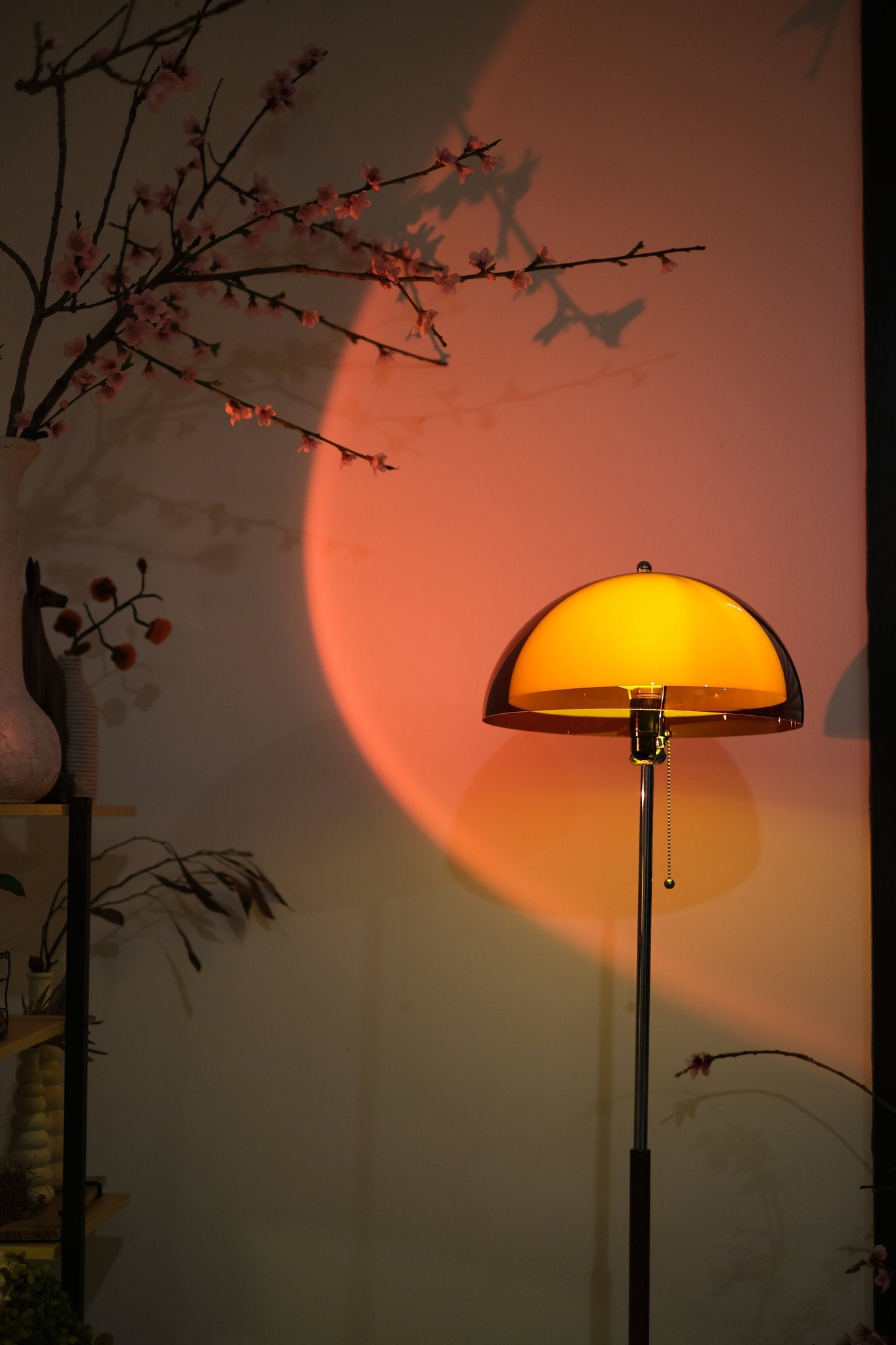
You know that moment. It's evening. You've turned off the overhead light. Maybe you've lit a candle. Your favourite floor lamp is on, casting a gentle glow across the room. And suddenly, everything looks different. The sofa looks softer. The colours in your rug seem richer. Even the shadows feel friendly – like they're part of the room, not hiding something. This isn't just in your head. A room seen only under warm lamp light is a completely different space from the same room under harsh overheads. And understanding why changes how you think about your home. Let's talk about the quiet magic of warm lamp light – and why it makes everything feel better. The Overhead Light Lies to You Here's something designers know but don't always say. Overhead lights are liars. They flatten everything. They cast shadows straight down, erase texture, and make colours look washed out. That beautiful timber coffee table? Under a ceiling light, it looks flat and lifeless. Under a warm lamp? You see the grain, the depth, the character. The problem: Most of us see our rooms almost entirely under overhead light. We wake up, turn on the big light, and judge our homes by that harsh, dishonest illumination. The fix: Try this. When the sun goes down, turn off every overhead light in your living room. Light only with floor lamps, table lamps, and small lamps. Then sit down and look around. What you're seeing is what your room actually looks like when it's treated with care. Warm Light Brings Out the Best in Everything Colour changes under warm light. And not just a little – dramatically. What happens: Warm light (2700K) enhances reds, oranges, and yellows. It makes timber glow. It warms up cool greys and blues. Even white walls look creamier and more inviting. What cool light does: Cool light (4000K+) enhances blues and greens. That's fine for a hospital. But in your living room, it makes warm tones look muddy, timber look grey, and your skin look tired. The result: A room lit by warm lamps looks richer, deeper, and more expensive than the same room under cool light. You don't need new furniture – you just need better light. Shadows Become Beautiful (Not Scary) Here's something most people get wrong. They think good lighting means no shadows. But without shadows, a room is flat and boring. Warm lamp light creates intentional shadows. Gentle, soft shadows that give depth and drama without feeling harsh. The lamp on your bedside table casts a warm pool of light on your book. The shadows beyond that pool feel cosy, not threatening. Why it works: Our eyes need contrast to see depth. Too much light kills contrast. Warm lamp light creates just enough contrast to make a room feel three‑dimensional, without the harsh edges that overhead lights produce. Try this: Place a small lamp on a low shelf, pointed at the wall. The light will wash upward, casting soft shadows across the texture of the wall. Suddenly, a blank wall becomes interesting. For more on placing lamps for beautiful shadows, our article on floor lamp placement tips has practical advice. Warm Light Changes How You Feel (Not Just How You See) This is where it gets really interesting. What happens in your brain: Warm, dim light signals safety. It's the light of fire, of candles, of sunset. Your brain evolved to associate this light with rest, protection, and home. What happens under cool, bright light: Your brain thinks it's midday. You're alert, stressed, ready to work. Cortisol stays high. Melatonin (the sleep hormone) stays low. The 2026 shift: More Australians are choosing their evening lighting based on how they want to feel, not just how they want to see. Warm lamp light isn't just nicer – it's actively better for your nervous system. This is why layering with soft light lamps and dimmers matters so much. You can go from "work mode" to "rest mode" with a single switch. Our guide on the science of cozy goes deeper into the biology of warm light. The Ritual of Turning Overhead Lights Off There's also something almost ritualistic about switching from overheads to lamps. The action: You reach up. You click off the ceiling light. The room darkens for a moment – and then you turn on your small table lamp or floor lamp. The warm glow spreads across the room, and suddenly you exhale. Why it matters: That act – turning off the big light and choosing the soft one – is a signal to yourself. Work is over. Daylight is over. It's time to relax, be still, be home. In a world where we're always on, that small ritual is surprisingly powerful. And it only works if you have lamps worth turning on. How to Create the Warm Light Effect You don't need expensive fixtures. You just need the right bulbs, the right placement, and the right shades. What you need: Warm bulbs everywhere. 2700K as a baseline. 2200–2400K for lamps you use in the evening. Shades that diffuse. Fabric, linen, frosted glass, or paper. Nothing transparent or reflective. Dimmers. Control over brightness = control over mood. Multiple sources. One lamp creates shadows. Three lamps create atmosphere. Where to put them: A floor lamp beside the sofa for reading and ambient glow A small lamp on a sideboard for depth A table lamp on a bookshelf for accent light A bedroom wall light above your bed for wind‑down light The One Room That Benefits Most If you try this in only one room, make it your living room. Why: This is where you decompress after work, where you host friends, where you spend your evenings. It's the room that most needs to feel warm, welcoming, and undeniably yours. The setup: Overhead light off. Never on. Two floor lamps on opposite sides of the room – one near the sofa, one in a corner. One small lamp on a console or shelf. Dim them all low for movie nights, medium for conversation, slightly higher for reading. Spend one evening in this room. Notice how the conversation flows differently. How you don't want to leave. How the room feels like a hug. That's the beauty of warm lamp light. Quick Checklist: Seeing Your Room in Warm Light Tonight: Turn off every overhead light after sunset Light only with warm lamps (2700K or lower) Use at least two or three sources – not just one Sit in the middle of the room. Look around. Notice what you've been missing. This week: Swap any cool bulbs for warm white (2700K) Move a lamp into a dark corner and angle it outward Add a dimmer to your most‑used lamp Buy one small lamp for a spot that's always been dark The Bottom Line There's nothing quite like a room seen only under warm lamp light. The colours are richer. The shadows are softer. The room feels like it belongs to you – not to some designer, not to a magazine, but to you and the way you actually live. Overhead lights are for function. Lamps are for feeling. And in 2026, more Australians are choosing feeling. Ready to see your home in its best light? Start with our collection of warm, diffusing floor lamps – perfect for anchoring your living space with that gentle, inviting glow. And for layered, intimate lighting, browse our selection of table lamps – each one designed to cast beautiful, eye‑comforting light exactly where you need it. Explore them all at Homezee today. FAQs 1. Why does my room look better under lamp light than overhead light? Overhead lights cast harsh, downward shadows that flatten textures and wash out colours. Warm lamp light comes from multiple directions, creates gentle contrast, and enhances warm tones in your furniture and walls. The result is depth, richness, and a softer overall feel. 2. What colour temperature should I use for warm lamp light? Aim for 2700K as your baseline. For evening lamps (bedside, living room accent), go even warmer – 2200K to 2400K mimics candlelight and is incredibly flattering. Avoid anything above 3000K for spaces where you want to relax. 3. Can I get the same effect with LED bulbs? Absolutely. LED bulbs now come in a wide range of warm temperatures. Look for "warm white" (2700K) or "extra warm" (2200K). Make sure they're dimmable if you want control over brightness. Avoid LEDs labelled "cool white" or "daylight" – those are over 4000K. 4. How many warm lamps do I need to light a living room? Aim for at least three sources: one floor lamp beside the sofa, one floor lamp or small lamp in a corner, and one table lamp on a sideboard or shelf. You can mix heights, shapes, and bulb types – the goal is even, layered illumination. 5. Can I mix warm lamps with cool ceiling lights in the same room? You can, but it gets tricky. Mixing colour temperatures creates visual tension – warm lamp light next to cool overheads can look muddy or off‑putting. For the most beautiful effect, go all‑in on warm light. Turn off the overheads and use lamps only. Still have questions about creating beautiful warm light in your home? Our Homezee team is here to help. And if you're looking for lamps for sale that create that magical evening glow, we've got you covered.
Learn more
The Way a Floor Lamp Quietly Changes the Mood of a Living Room
When people think about transforming a living room, they usually focus on big-ticket items. A new sofa. A fresh coat of paint. Maybe a statement coffee table or an expensive rug. But here's something most people overlook: a floor lamp. It sounds simple, almost too simple. Yet the right floor lamp can completely change how a living room feels without requiring a major renovation or a huge budget. In fact, lighting is often the difference between a room that looks good and a room that actually feels good. A living room isn't just a place where furniture sits. It's where people relax after work, watch movies with family, host friends, read a book, or simply unwind at the end of a long day. The atmosphere matters. And few things influence the atmosphere more than lighting. Why Overhead Lighting Often Falls Short Most living rooms rely heavily on ceiling lights. While they provide plenty of brightness, they rarely create warmth. Bright overhead lighting tends to illuminate everything equally. It removes shadows, flattens textures, and often makes a room feel more like an office than a comfortable home. That's why interior designers frequently recommend layered lighting. Instead of depending on a single light source, they combine different lamps throughout the room to create depth and balance. Floor lamps are one of the easiest ways to achieve this layered effect. They provide soft, indirect illumination that instantly makes a space feel more welcoming. Research and lighting experts often emphasize layering light sources to create a more comfortable and adaptable living environment. The Quiet Power of a Floor Lamp Unlike dramatic furniture pieces that demand attention, a floor lamp works quietly in the background. It doesn't need to be the center of attention to make a significant impact. Place a floor lamp beside a sofa, and suddenly the seating area feels more intimate. Position one in a dark corner, and the entire room appears larger and more balanced. Use a warm-toned bulb, and the space immediately feels calmer and more relaxing. Many homeowners are surprised by how much a single floor lamp can change the mood of a room. That's because lighting directly influences how we perceive comfort, warmth, and even the size of a space. Creating Cozy Corners One of the biggest advantages of floor lamps is their ability to create dedicated zones within a living room. Modern homes often feature open-plan layouts where the living room flows into dining areas, kitchens, or home offices. While this creates a spacious feel, it can sometimes make a room feel undefined. A floor lamp helps solve this problem. For example: Place a floor lamp beside an armchair to create a reading nook. Position one near a bookshelf to highlight your favorite collection. Use a lamp behind a sofa to establish a cozy conversation area. Add a lamp near a window to balance natural and artificial light. These small lighting zones help a room feel more intentional and inviting. Warm Light Changes Everything Not all light is created equal. The color temperature of a bulb has a huge impact on mood. Cool white light is excellent for productivity and focus, but it can feel harsh in a living room. Warm light, typically between 2700K and 3000K, creates a softer, more relaxing environment. It's the kind of light people naturally associate with comfort, sunsets, fireplaces, and candlelight. Lighting guides consistently recommend warmer color temperatures for living spaces because they encourage relaxation and make interiors feel more welcoming. A floor lamp paired with a warm LED bulb can instantly transform a room from bright and functional to cozy and inviting. Floor Lamps Add Visual Depth Lighting isn't just about brightness. It's also about contrast. When light comes from multiple heights and directions, a room gains dimension. Shadows become softer. Textures become more noticeable. Furniture appears more sculptural. A floor lamp introduces vertical interest into a space while creating subtle layers of light. This is especially valuable in living rooms with: High ceilings Minimalist décor Neutral color palettes Large open spaces Without layered lighting, these rooms can sometimes feel cold or unfinished. A strategically placed floor lamp helps soften the environment and make it feel lived-in. Style Meets Function Another reason floor lamps are so popular is that they serve two purposes at once. They're practical lighting solutions, but they're also decorative pieces. Today's floor lamps come in countless styles: Mid-century modern Japandi Bauhaus Industrial Scandinavian Contemporary minimalist The right lamp can complement your existing décor while adding personality to the room. Whether you prefer clean lines, curved silhouettes, or bold statement designs, a floor lamp can act as both a light source and a design feature. Many modern lighting collections now offer floor lamps specifically designed to balance aesthetics and functionality. Don't Forget About Pets If you share your home with cats or dogs, lighting choices require a little extra consideration. A playful puppy or an energetic cat can quickly turn a lightweight lamp into a safety hazard. That's why it's important to choose floor lamps with sturdy, weighted bases and durable materials. Wide bases reduce the risk of tipping, while protected cords help prevent chewing and accidental damage. If you're looking for more practical tips, this helpful guide on pet-safe lighting offers excellent advice on choosing lighting that works for both your home and your furry family members. A beautiful living room should also be a safe one. Small Change, Big Impact One of the best things about floor lamps is how easy they are to incorporate into an existing space. Unlike built-in lighting or electrical renovations, a floor lamp requires no installation, no rewiring, and no major commitment. You simply place it where it works best and plug it in. The effect, however, can feel surprisingly dramatic. Many homeowners spend thousands updating furniture while overlooking the single element that determines how the room actually feels every day. The truth is that mood doesn't come from furniture alone. It comes from light. And a thoughtfully chosen floor lamp has the power to quietly transform an ordinary living room into a warm, welcoming retreat. Final Thoughts A floor lamp may not be the first thing people notice when they walk into a living room, but it's often the reason the room feels inviting. It softens harsh lighting. It creates cozy corners. It adds depth and atmosphere. It helps define spaces and showcase your personal style. Most importantly, it changes how people experience the room. Sometimes the most powerful design upgrades aren't the loudest ones. Sometimes they're as simple as switching on a lamp and letting the room glow. Frequently Asked Questions (FAQ) 1. Why is a floor lamp important in a living room? A floor lamp provides layered lighting, adds warmth, and helps create a more comfortable and inviting atmosphere. 2. Where should I place a floor lamp in my living room? Popular locations include beside a sofa, next to an armchair, near a bookshelf, or in a dark corner that needs balancing. 3. Are floor lamps good for reading? Absolutely. Many floor lamps are specifically designed to provide focused task lighting for reading. 4. What style of floor lamp works best in modern homes? Minimalist, Japandi, Scandinavian, and mid-century modern floor lamps are popular choices for contemporary interiors. 5. Are floor lamps safe for homes with pets? Yes, as long as you choose models with heavy bases, durable materials, and protected cords.
Learn more
How to Balance Natural Light and Artificial Light in Australian Homes?
Australia is famous for its beautiful sunshine. Whether you live in Sydney, Melbourne, Brisbane, Perth, or a coastal town, natural light is one of the biggest advantages of Australian homes. But while sunlight can make a space feel bright and welcoming during the day, relying on it alone isn't enough. The secret to creating a comfortable, functional, and cozy home is learning how to balance natural light with artificial lighting. And when it comes to artificial lighting, lamps often play the most important role. In this guide, we'll show you how to create the perfect lighting balance in your Australian home, why lamps are essential for every room, and how thoughtful lighting choices can improve both comfort and style. Why Lighting Balance Matters Many homeowners make the mistake of thinking that more light automatically means better lighting. In reality, good lighting is about balance. Too much direct sunlight can cause: Harsh glare Eye strain Faded furniture and flooring Overheated rooms during summer On the other hand, relying solely on overhead artificial lights can create: Flat, lifeless spaces Uncomfortable shadows A cold and sterile atmosphere The goal is to combine natural daylight with layered artificial lighting so your home feels inviting from morning until night. Start by Maximizing Natural Light Before adding lamps and other fixtures, make the most of the daylight already available. Keep Windows Unobstructed Heavy curtains and bulky furniture can block valuable sunlight. Consider: Sheer curtains Light-filtering blinds Minimal window coverings in living areas This allows sunlight to spread deeper into the room while still providing privacy. Use Mirrors to Reflect Daylight Mirrors are one of the easiest ways to increase natural brightness. Position a mirror opposite a window to bounce sunlight throughout the space. This simple trick can make smaller Australian homes and apartments feel significantly brighter and larger. Choose Light-Coloured Surfaces Walls, ceilings, and furniture in lighter shades naturally reflect more daylight than darker finishes. White, beige, soft grey, and natural timber tones help maximize available sunlight and reduce the need for artificial lighting during the day. Why Lamps Are Essential for Balancing Light Natural light changes constantly throughout the day. A room that feels bright at 10 AM can suddenly become dim by late afternoon. This is where lamps become indispensable. Unlike harsh ceiling lights, lamps provide flexible and targeted illumination exactly where you need it. The biggest advantage of lamps is that they allow you to layer light gradually rather than flooding a room with a single bright source. Floor Lamps Fill Dark Corners Many Australian homes have corners that never receive enough daylight. A well-placed floor lamp can: Brighten neglected areas Create visual balance Add warmth during evening hours Reduce contrast between bright and dark zones Floor lamps are particularly effective in living rooms where natural light fades after sunset. Table Lamps Create Cozy Atmospheres Table lamps are one of the easiest ways to soften a room. Instead of relying on one overhead fixture, place table lamps on: Side tables Console tables Bedside tables Shelving units The result is a more comfortable and inviting environment that feels far more relaxing than a bright ceiling light. Reading Lamps Improve Functionality Natural light is ideal for reading during the day, but evenings require focused illumination. Reading lamps provide targeted task lighting without overwhelming the entire room. This allows family members to enjoy different activities while maintaining a comfortable overall ambiance. Layer Your Lighting Like a Designer Professional interior designers rarely rely on a single light source. Instead, they use a layered lighting approach that combines three key elements. Ambient Lighting This is your general room lighting. Examples include: Ceiling fixtures Large floor lamps Wall sconces Ambient lighting provides the overall brightness level. Task Lighting Task lighting helps you perform specific activities. Examples include: Desk lamps Reading lamps Kitchen lighting These lamps focus light exactly where it's needed. Accent Lighting Accent lighting adds mood and visual interest. Examples include: Decorative table lamps Wall lights Display cabinet lighting Together, these layers create depth and flexibility throughout the day. Choose the Right Bulb Temperature Not all light looks the same. The color temperature of your bulbs has a huge impact on how natural your artificial lighting feels. Morning and Daytime Choose cooler bulbs around: 4000K to 5000K These mimic daylight and support focus and productivity. Evening and Night Switch to warmer bulbs around: 2700K to 3000K Warm light feels softer and more relaxing, making it ideal for winding down after work. Many modern lamps now support smart bulbs that automatically adjust throughout the day. Don't Forget Pet-Friendly Lighting If you share your home with pets, lighting choices become even more important. Cats, dogs, and curious pets can easily knock over lightweight lamps or chew exposed cords. When selecting lamps, consider sturdy bases, hidden cables, and durable materials. If you're looking for more guidance, check out our helpful guide on pet-safe lighting. It offers practical tips for creating a well-lit home that's both stylish and safe for your furry companions. Room-by-Room Lighting Tips Living Room Combine: Natural daylight from windows A floor lamp near the sofa Table lamps on side tables This creates flexibility throughout the day. Bedroom Natural light is important during the morning, but softer lighting is essential at night. Use: Bedside lamps Warm bulbs Dimmable lighting Avoid relying solely on bright ceiling fixtures. Home Office Place your desk near a window whenever possible. Supplement daylight with: Adjustable desk lamps Neutral white bulbs Anti-glare positioning Dining Room Natural light works beautifully during daytime meals. In the evening, combine: Pendant lighting Table lamps on nearby consoles Accent lighting for atmosphere Final Thoughts Balancing natural light and artificial light isn't about choosing one over the other—it's about making them work together. Natural daylight brings energy, openness, and connection to the outdoors. Lamps bring warmth, flexibility, and comfort when the sun disappears. By layering floor lamps, table lamps, and task lighting throughout your home, you can create spaces that feel bright during the day and cozy at night. The best Australian homes don't simply have more light—they have better-balanced light. And in most cases, the secret ingredient is a thoughtfully chosen lamp. FAQs 1. Why are lamps better than relying only on ceiling lights? Lamps create layered lighting, reduce harsh shadows, and make rooms feel warmer and more inviting. 2. What type of lamp is best for a living room? Floor lamps and table lamps work best together to create balanced ambient lighting. 3. How can I make a dark room feel brighter naturally? Use mirrors, light-coloured surfaces, and keep windows clear of heavy coverings. 4. How do I choose pet-friendly lamps? Look for heavy bases, durable materials, and concealed cords to improve safety. 5. What's the biggest lighting mistake homeowners make? Relying on a single ceiling light instead of combining natural light with multiple lamp sources.
Learn more
The Stay-In Date Night: Setting a Moody, Restaurant-Vibe Glow at Home
There’s something special about date night at a great restaurant. The soft lighting, cozy atmosphere, and intimate vibe can instantly make an ordinary evening feel memorable. But what if you could recreate that same experience without leaving your house? More couples are choosing stay-in date nights, and honestly, it's easy to see why. No reservations, no crowded dining rooms, and no rushing through dessert because another table is waiting. The best part? You have complete control over the ambiance. If you want your living room, dining area, or even your patio to feel like a chic restaurant, lighting is the secret ingredient. In fact, the right lighting can completely transform your space and set the mood for connection, conversation, and relaxation. Let's explore how to create that perfect restaurant-vibe glow at home. Why Lighting Is Important for Date Night Think about your favorite restaurant. Chances are, you don't remember the exact color of the walls or the style of the chairs. What you probably remember is how the space made you feel. Lighting plays a huge role in creating that feeling. Bright overhead lights are great for working, cleaning, or cooking. But they don't exactly scream romance. Restaurants understand this, which is why they often use softer, warmer lighting to create a welcoming and intimate environment. Warm, dim lighting helps: Create a sense of comfort Encourage relaxation Reduce visual distractions Make conversations feel more personal Add warmth and depth to a room In short, lighting helps turn a regular evening into an experience. Start by Turning Off the Big Light The first rule of creating restaurant-style lighting at home? Turn off the main ceiling light. Most overhead fixtures are designed to provide maximum visibility, not atmosphere. They tend to flatten a room and create a sterile feeling. Instead, rely on multiple smaller light sources around the space. This creates layers of light, which instantly feels more inviting and sophisticated. A combination of table lamps, floor lamps, wall sconces, and accent lighting can completely change the mood of a room. Choose Warm Color Temperatures One of the biggest differences between a restaurant and a typical home is color temperature. Restaurants rarely use bright daylight-colored bulbs. Instead, they favor warm lighting that mimics candlelight and sunset tones. For a cozy date-night atmosphere, look for bulbs between: 2200K and 2700K for a candlelit feel 2700K to 3000K for a warm, inviting glow Warm lighting softens the room and creates a flattering environment that feels comfortable and relaxed. Use Dimmers Whenever Possible If there’s one upgrade that instantly improves your lighting setup, it’s a dimmer switch. Dimmers allow you to control brightness based on the mood you're trying to create. Preparing dinner? Keep the lights slightly brighter. Serving dessert and opening a bottle of wine? Lower the brightness for a more intimate feel. Many modern smart bulbs also offer dimming features directly from your smartphone, making it easy to adjust the atmosphere throughout the evening. Bring in Candlelight Nothing says romance quite like candles. There's a reason restaurants have used candlelight for decades. The soft flicker creates movement, warmth, and visual interest that standard lighting simply can't replicate. Place candles on: Dining tables Coffee tables Shelves Window ledges Outdoor patios If real candles aren't practical, flameless LED candles can provide a similar effect while offering added safety and convenience. The goal isn't necessarily brightness—it's atmosphere. Highlight the Dining Area Whether you're serving homemade pasta or ordering takeout from your favorite restaurant, the dining area deserves special attention. A focused light source above or near the table creates a sense of importance and intimacy. Try: Pendant lighting above the table A table lamp nearby Candle centerpieces LED strip lighting under shelves or cabinets The idea is to create a visual focal point that draws attention to the dining experience. Add Accent Lighting for Depth Restaurant designers know that great lighting isn't just about illuminating a room. It's about creating layers and depth. Accent lighting helps achieve that effect. Consider highlighting: Artwork Bookshelves Indoor plants Wine racks Decorative wall features Small pockets of light throughout the room make the space feel richer and more luxurious. Don't Forget the Music and Lighting Connection Lighting and music work together to create an immersive experience. Imagine soft jazz, acoustic guitar, or mellow lounge music paired with warm ambient lighting. The combination immediately feels intentional and relaxing. Many smart home systems allow you to synchronize lighting scenes with playlists, helping create a seamless date-night atmosphere. It's a small detail that makes a big difference. Create a Signature Date-Night Lighting Scene One of the easiest ways to elevate future date nights is by creating a dedicated lighting preset. With smart lighting, you can save a custom scene that automatically adjusts: Brightness levels Color temperature Accent lighting Decorative lighting At the tap of a button, your home can instantly shift from everyday living to romantic evening mode. Learn more about what specs matter when buying smart lights. Final Thoughts A memorable date night isn't about spending a fortune at a fancy restaurant. It's about creating an environment where you can relax, connect, and enjoy each other's company. The good news is that achieving that restaurant-style atmosphere at home is easier than most people think. By focusing on warm lighting, layered illumination, candles, and thoughtful accents, you can transform almost any room into a cozy, romantic retreat. The next time you're planning a stay-in date night, don't just think about the menu. Think about the lighting. Because sometimes the glow around the table is just as important as what's on it. FAQs 1. How can I make my home feel like a restaurant? Use layered lighting, dimmers, candles, soft music, and warm-toned bulbs to recreate a restaurant-style ambiance. 2. Are smart bulbs good for date-night lighting? Yes. Smart bulbs allow you to adjust brightness and color temperature to create customized lighting scenes. 3. Are candles necessary for creating a romantic atmosphere? Not necessarily, but candles add warmth, movement, and intimacy that enhance the overall mood. 4. How many light sources should a room have for a cozy feel? Using three to five different light sources often creates a balanced and inviting atmosphere. 5. How can I create restaurant-style lighting on a budget? Use warm LED bulbs, affordable dimmable lamps, flameless candles, and strategically placed accent lighting to achieve a high-end look without spending much.
Learn more
From Work Mode to Wine Time: The Power of Lighting
Have you ever noticed how a room can completely change your mood without you even realizing it? One minute you're focused on answering emails and finishing deadlines, and the next you're relaxing with a glass of wine, enjoying a quiet evening. The secret behind this transformation often comes down to one simple element: lighting. Lighting is much more than just a practical necessity. It has the power to influence our emotions, productivity, energy levels, and even how we connect with the people around us. Whether you're working from home, hosting friends, or simply unwinding after a long day, the right lighting can help you transition seamlessly from work mode to wine time. Why Lighting Matters More Than You Think Most people spend a significant amount of time indoors, especially with the rise of remote work and flexible schedules. Yet many homeowners overlook the impact that lighting has on their daily lives. Bright, cool-toned lighting helps keep us alert and focused. That's why offices, coworking spaces, and study areas often use cooler white light. On the other hand, warm lighting creates a sense of comfort, relaxation, and intimacy. Think about your favorite restaurant, wine bar, or cozy living room—they rarely use harsh bright lights. Lighting affects: Productivity and concentration Mood and emotional well-being Sleep quality Interior aesthetics Social atmosphere The ability to adjust lighting throughout the day allows a space to serve multiple purposes without requiring any major changes to furniture or décor. Creating the Perfect Work Environment When it's time to work, your lighting should help you stay energized and focused. For a productive workspace, consider: Use Bright Task Lighting A dedicated desk lamp can reduce eye strain and improve visibility. Look for lighting that closely resembles natural daylight, typically between 4000K and 5000K color temperature. Maximize Natural Light Natural sunlight remains one of the best productivity boosters available. Position your desk near a window whenever possible. Exposure to daylight helps regulate your body's internal clock and can improve overall focus. Reduce Shadows and Glare Poor lighting can cause headaches and fatigue. Use layered lighting, combining ambient and task lighting, to eliminate dark spots and create a balanced environment. The goal during working hours is simple: keep the space bright enough to support concentration without feeling harsh or uncomfortable. The Transition: Shifting from Work to Relaxation One of the biggest challenges of working from home is mentally separating work life from personal life. This is where lighting becomes a powerful tool. As your workday ends, gradually changing the lighting signals to your brain that it's time to relax. Simple adjustments include: Dimming overhead lights Switching to warm-toned bulbs Turning on accent lighting Using table lamps instead of ceiling lights Incorporating candles or decorative lighting These small changes can create a psychological boundary between professional responsibilities and personal time. Wine Time: Setting the Mood with Warm Lighting Imagine pouring your favorite glass of wine under bright office lighting. It doesn't quite feel right, does it? Warm lighting instantly changes the atmosphere. Choose Warm Color Temperatures For relaxation spaces, lighting between 2200K and 3000K creates a cozy and inviting ambiance. The softer glow encourages conversation and helps reduce stress. Highlight Key Areas Accent lighting can draw attention to wine shelves, artwork, bookshelves, or decorative pieces. This adds depth and character to your space while creating a more sophisticated environment. Layer Different Light Sources The most inviting rooms rarely rely on a single light source. Combine: Floor lamps Table lamps Wall sconces Pendant lights LED strip lighting Layering creates visual interest and allows greater flexibility depending on the occasion. Smart Lighting: The Modern Solution Technology has made it easier than ever to switch between work mode and relaxation mode. Smart lighting systems allow you to: Adjust brightness instantly Change color temperatures Create custom lighting scenes Schedule automatic transitions Control lighting from your smartphone With a single tap, you can transform a bright workspace into a cozy evening retreat. Many homeowners now create presets such as: Focus Mode Meeting Mode Dinner Mode Movie Night Mode Wine Time Mode Learn more about what specs matter when buying smart lights. Lighting and Emotional Well-Being The connection between lighting and mental health is increasingly recognized by designers and wellness experts. Exposure to bright light during the day supports alertness and productivity. Meanwhile, warmer lighting in the evening encourages relaxation and prepares the body for restful sleep. By intentionally adjusting your lighting throughout the day, you're not just improving the appearance of your home—you're supporting your overall well-being. Final Thoughts The journey from work mode to wine time doesn't require a complete home makeover. Sometimes, the most effective transformation comes from simply changing the way you light your space. Whether you're working remotely, entertaining guests, or enjoying a quiet evening alone, thoughtful lighting design can elevate every moment. Bright lighting helps you stay productive when it's time to focus, while warm lighting creates the perfect atmosphere for relaxation and connection. At the end of the day, great lighting isn't just about seeing better—it's about living better. FAQs 1. What type of lighting is best for working from home? Cool white lighting between 4000K and 5000K is ideal because it promotes focus and reduces fatigue. 2. Are smart lights worth the investment? For many homeowners, smart lighting offers convenience, energy efficiency, and customizable settings that enhance daily living. 3. How can I make my living room feel more inviting? Use warm lighting, multiple light sources, and dimmable fixtures to create a welcoming atmosphere. 4. Is natural light better than artificial light? Natural light is generally preferred for daytime productivity and overall well-being, but artificial lighting can effectively supplement it. 5. Can lighting improve sleep quality? Yes. Reducing exposure to bright, cool-toned light in the evening can help support healthy sleep patterns.
Learn more
Why Paper Lamps Are Gentle on Tired Eyes?
You know that feeling. You’ve been on screens all day – work laptop, phone, maybe a bit of TV. Your eyes feel dry, heavy, like they’ve run a marathon. The last thing you want is a harsh light blasting your face when you finally try to relax. Here’s the thing: most standard lamps make tired eyes work even harder. But paper lamps? They’re different. Paper lamps have been around for centuries, and there’s a reason they’re making a serious comeback in 2026. It’s not just about how they look – although they do look beautiful. It’s about how they make your eyes feel. Soft. Calm. Rested. Let’s talk about why paper lamps are one of the smartest choices for anyone who spends all day looking at screens. Paper Creates Perfectly Diffused Light Here’s the science bit – but we’ll keep it simple. When light hits a bare bulb or a shiny metal shade, it travels in straight, intense rays. Those rays hit your eyes directly, creating glare and harsh contrast. Your pupils have to constantly adjust, and your focusing muscles work overtime. Paper does the opposite. The fibrous, slightly translucent surface scatters light in every direction. It breaks up those harsh rays into a soft, even glow that fills the room gently. Why it helps: Diffused light means no bright spots, no sharp shadows, no glare. Your eyes don’t have to work hard to process what they’re seeing. It’s like the difference between staring at the sun and looking at a cloudy sky. For anyone dealing with tired, strained eyes, that gentle diffusion is a game‑changer. Pair a paper lamp with warm bulbs (2700K) and you’ve got one of the most eye‑friendly setups possible. No Glare, No Headaches Glare is the enemy of comfortable vision. It’s that uncomfortable brightness that makes you squint, turn your head, or reposition your lamp for the tenth time. Paper lamps are naturally glare‑free. Because the light source is wrapped in soft, diffusing material, you never see the bulb itself. The light reaches you after it’s already bounced through millions of tiny paper fibres. The result: You can look directly at a paper lamp without feeling that sharp sting in your eyes. It’s calm, even, and remarkably comfortable – even in a dark room. This makes paper lamps perfect for: Bedside tables (no harsh light when you wake up at 3am) TV rooms (reduces contrast between the screen and the room) Home offices (soft background light without screen glare) For more on reducing eye strain, check out our guide on what kind of light reduces eye strain – it covers colour temperature and positioning in detail. Warmth That Mimics Natural Light Most paper lamps use warm, amber‑toned paper that naturally filters light to a cosy, golden glow. Combine that with a warm LED bulb (2700K or lower), and you get light that feels incredibly close to candlelight or sunset. Why that matters: Warm light signals your brain to relax. It lowers cortisol (stress hormone) and helps your eyes transition from “work mode” to “rest mode”. Cool light (4000K+) keeps your brain alert – great for offices, terrible for evenings. Paper lamps practically force the light to be warm and gentle, which is exactly what tired eyes need after a long day. Paper Reduces Blue Light Exposure You’ve heard about blue light from screens. But here’s something you might not know: cool white LEDs also emit significant blue light, even when they’re not in a screen. How paper helps: The warm, amber colour of traditional paper lanterns naturally filters out blue wavelengths. The light that passes through is much warmer, with far less blue content. Is it a replacement for blue‑blocking glasses? No. But it’s a meaningful reduction, especially in the hours before bed. Less blue light = better melatonin production = easier sleep = happier eyes. Pro tip: Pair your paper lamp with a dimmer. Lower brightness + warm paper filter = the most eye‑friendly evening light you can get without candles. Light That Wraps Around the Room Unlike a spotlight or a directional reading lamp, paper lamps throw light in all directions. The spherical or cylindrical shape means light escapes upward, downward, and sideways all at once. What that feels like: The room isn’t “lit” in a harsh, flat way. Instead, the light wraps around furniture, softens edges, and fills corners gently. Your eyes never have to jump between a bright spot and a dark shadow. Why eyes love this: High contrast forces your pupils to constantly dilate and contract. That’s exhausting. Even, wraparound light keeps your pupils stable, so your eye muscles can actually relax. This is why paper lamps are so popular for meditation spaces, yoga rooms, and bedrooms. The light doesn’t demand attention – it just supports whatever you’re doing. Lightweight and Easy to Move Tired eyes don’t just need good light – they need light in the right place. And sometimes the right place changes depending on what you’re doing. The beauty of paper: Most paper lamps are incredibly lightweight. You can easily move one from your desk to your bedside, from the living room to a quiet corner. Why that helps: You’re not stuck with one harsh overhead light. You can put gentle, eye‑friendly light exactly where you are – reading, scrolling, knitting, whatever. When you move, the light moves with you. Explore our range of paper lamps – many use paper or rice‑paper shades for that lightweight, portable magic. Style That Calms the Mind (Not Just the Eyes) There’s something about the look of a paper lamp that feels different from metal or plastic. It’s organic. Soft. Quiet. The psychology: Our brains associate natural, matte, slightly imperfect textures with calm and safety. Shiny, reflective surfaces feel alert and active. A paper lamp literally looks more relaxing – and that visual calm translates to less eye strain. The bonus: Paper lamps work with almost any decor – Scandi, Japandi, Boho, coastal, even modern minimalist. You’re not sacrificing style for comfort. Quick Checklist: Using Paper Lamps for Tired Eyes Do this: Place a paper lamp on your bedside table for evening wind‑down Use a warm bulb (2700K or lower) – never cool white Add a dimmer so you can turn it down as your eyes get more tired Move it around – take it from desk to bedside as your day changes Avoid this: Using a bare bulb inside a paper lamp (always use a covered bulb or LED filament) Placing it where pets or kids might knock it (paper can tear) Expecting task‑level brightness – paper lamps excel at ambient, not focused reading light The Bottom Line Tired eyes need a break. And one of the easiest, most beautiful ways to give them one is with a paper lamp. The soft diffusion. The lack of glare. The warm, blue‑light‑reducing filter. The gentle, wraparound glow. Every single thing about a paper lamp is designed to be easy on your visual system. You don’t need to throw out all your other lights. Just add one paper lamp to your evening routine – beside your bed, next to your favourite chair, or on your desk for background warmth. Your eyes will thank you in the morning. Ready to bring gentle, eye‑friendly light into your home? Explore our collection of paper lamps and soft light lamps at Homezee today. FAQs 1. Are paper lamps bright enough for reading? Paper lamps are best for ambient, diffused light, not focused task lighting. For reading, you’ll want a dedicated reading lamp with an adjustable arm (400‑600 lumens). But a paper lamp beside that reading lamp provides perfect background fill light that reduces overall eye strain. 2. Do paper lamps get hot? Are they a fire risk? Modern paper lamps use LED bulbs, which run cool. As long as you use a low‑wattage LED (under 10 watts) and keep the bulb away from direct contact with the paper, they’re perfectly safe. Never use old incandescent bulbs in a paper lamp – those get dangerously hot. 3. How do I clean a paper lamp? Gently dust with a soft, dry cloth or a feather duster. For deeper cleaning, use compressed air (the kind you use for keyboards) to blow dust off without touching the paper. Never use water or cleaning sprays – paper absorbs moisture and can warp or stain. 4. Can I use a paper lamp in a humid bathroom? Probably not. Paper absorbs moisture from the air, which can cause sagging, yellowing, or mould over time. Stick to fabric, glass, or metal shades in bathrooms. For other rooms, paper lamps are perfectly fine. 5. Will my paper lamp yellow over time? Over many years, natural paper can yellow slightly, especially if exposed to direct sunlight. Keep your lamp out of harsh sun, and choose treated or mulberry paper lamps (like rice‑paper lanterns) that resist yellowing longer. Even if they do age, many people love the warm, vintage patina. Still have questions about paper lamps or soft lighting for tired eyes? Our Homezee team is here to help – just reach out. And if you’re looking for lamps for sale that are as gentle on your eyes as they are on your home, we’ve got you covered.
Learn more
A Guide to Choosing Pet-Friendly Lighting
Look, we get it. You love your dog or cat more than most things in your house. But they don’t exactly have… spatial awareness. One excited tail wag and your favourite floor lamp is on the floor. One midnight zoomie and a ceramic table lamp becomes a crime scene. And don’t even get us started on dangling cords that look suspiciously like chew toys. The good news? You don’t have to choose between a well‑lit home and a happy pet. You just need smarter, tougher lighting. Here’s your guide to choosing pet‑friendly lighting that can handle the chaos – and still look good. Go for Weighted, Wide Bases (No Tip‑Overs) The number one cause of lamp death in pet homes? A top‑heavy lamp and a poorly aimed tail. What to look for: A floor lamp with a heavy, wide base. Think solid timber, thick metal, or weighted concrete. The wider and heavier the base, the harder it is to knock over. What to avoid: Lightweight tripod lamps with skinny legs. Feline parkour will take them down instantly. Pro tip: If you already own a lightweight lamp, you can buy adhesive weighted discs to stick under the base. Instant stability. Browse our collection of floor lamps for living room – many come with sturdy, pet‑proof bases. Choose Unbreakable or Shatter‑Resistant Materials Glass shades are beautiful until your cat uses your shelf as a launchpad. Shards everywhere. Vet trip. Heartbreak. What to look for: Fabric or linen shades – soft, diffused light, and they won’t shatter Metal shades – industrial look, basically indestructible Frosted acrylic or polycarbonate – looks like glass, bounces like plastic Sealed LED fixtures – no separate bulb to break What to avoid: Thin blown glass, exposed bulbs, or any shade that would turn into dangerous shards if knocked. Pro tip: If you love the look of glass, choose opal or frosted glass over clear – it’s often thicker and less prone to dramatic shattering. For soft lighting that’s also pet‑safe, our range of soft light lamps with fabric shades is a great place to start. Hide or Cover Those Cords To a puppy or a bored cat, a dangling cord looks exactly like a toy. Chewing cords is dangerous – electric shock, burns, or worse. What to do: Run cords behind furniture so they’re not visible Use cord covers (plastic tubing that hides and protects) Tape cords to the floor or baseboards with double‑sided tape (pets hate the sticky feeling) Buy cordless rechargeable lamps – no cord, no problem Use floor lamps with cords that come straight down the centre of the base, not trailing from the side Pro tip: For table lamps, coil excess cord and secure it under the base with a cord wrap or Velcro strap. Out of sight, out of mouth. Pick Durable Finishes (Scratch‑Resistant) Cats climb. Dogs lean. Nails scratch. If your lamp has a soft timber finish or delicate paint, it’ll look like a scratching post within a month. What to look for: Powder‑coated metal – tough, scratch‑resistant, easy to wipe Dark or distressed timber – hides wear better than pale, perfect finishes Matte or textured surfaces – fingerprints and scratches don’t show Lacquered or sealed finishes – add a protective layer What to avoid: Soft, raw timber, high‑gloss lacquer (shows every tiny mark), or delicate hand‑painted ceramics. Pro tip: If you already own a wooden lamp, apply a protective wax or polyurethane coat to seal and strengthen the surface. Consider Wall Lights (Completely Out of the Way) The safest lamp is the one your pet can’t reach at all. What to try: Plug‑in wall sconces or hardwired bedroom wall lights mounted high enough that even your most ambitious cat can’t get to them. Why it works: No base to knock over. No cord at pet level. No shade to break. Just soft, beautiful light coming from above. Where to use them: Hallways, above bedside tables (freeing up nightstand space), or flanking a sofa. Check out our collection of lights on wall in bedroom and living areas – many are plug‑in and renter‑friendly. Avoid Dangling Pendants Over Pet Zones That beautiful pendant light hanging low over your dining table? Your cat sees it as a jungle gym. The fix: If you have active pets, make sure your pendant lights hang at least 2.1 metres from the floor, or position them over areas pets don’t access (like kitchen islands they can’t jump onto). Alternative: Use flush or semi‑flush ceiling lights instead of pendants. No dangly bits = no temptation. For more on ceiling light options, our article on pendant lights vs ceiling lights covers the trade‑offs. Say Yes to Dimmers (Emergency Brightness Control) Sometimes your pet is the problem. Sometimes they’re the victim – like when a bright light suddenly flicks on and startles them. The fix: Use dimmable lamps or smart bulbs. Start with the light very low, then gradually increase brightness. No sudden blinding. Why it works: Gradual changes give your pet time to adjust or move away. Less stress, fewer startled jumps, less chance of them knocking something over in panic. Pro tip: Set up smart routines so your living room soft light gradually brightens around sunset – peaceful for everyone. Quick Checklist: Pet‑Proofing Your Lamps Today Do this right now: Check every lamp base – is it wobbly? Add weight. Look at every cord – can your pet reach it? Hide or cover it. Examine every shade – would it shatter dangerously? Consider swapping for fabric or metal. Position lamps away from cat launchpads (sofa arms, window sills, tall scratch posts). Buy this next: A heavy‑base floor lamp from our pet‑friendly range A cord cover kit (under $20 at hardware stores) A small lamp with a metal or fabric shade for vulnerable spots The Bottom Line Having pets doesn’t mean you can’t have beautiful lighting. It just means you need to be a bit smarter about what you bring home. Heavy bases. Tough materials. Hidden cords. Wall‑mounted options. Dimmers. Choose well, and your lamps will survive the zoomies, the tail wags, and the curious paws – and your home will stay warm, welcoming, and wonderfully lit. Ready to find pet‑friendly lighting that actually looks good? Explore our collection of durable floor lamps at Homezee today. FAQs 1. What’s the most pet‑friendly type of lamp? A heavy‑base floor lamp with a fabric or metal shade and a cord that’s tucked away or covered. Wall lights (sconces) are even safer because they’re completely out of reach. For table lamps, choose short, squat designs with wide, weighted bases. 2. Are LED bulbs safe if my pet knocks the lamp over? LED bulbs are safer than old incandescents because they run much cooler – less burn risk. But they can still shatter. Use lamps with enclosed shades or shatter‑resistant acrylic bulbs for extra safety. Always unplug a knocked‑over lamp before touching it. 3. How do I stop my cat from knocking over my lamp? Three tips: add weight to the base (adhesive wheel weights work well), place the lamp in a corner where it’s protected on two sides, and use a wide, heavy base that’s hard to tip. Also, keep the lamp away from cat highways – windowsills, sofa arms, and high shelves they use as launchpads. 4. Can I use a floor lamp if I have a large, active dog? Yes, but choose carefully. Look for a low‑centre‑of‑gravity design – think a wide, heavy base and a short, sturdy pole. Avoid lightweight tripod lamps or anything with a skinny profile. Place the lamp behind furniture or in a corner where your dog’s tail can’t easily reach it. 5. What’s the best way to hide lamp cords from pets? Use adhesive cord covers (plastic tubing that sticks to walls or floors), run cords under rugs (but avoid tripping hazards), tape cords to baseboards with double‑sided tape, or – best of all – buy cordless rechargeable lamps. For table lamps, you can also use a cord shortener or wind excess cord around the base and secure it. Still have questions about lighting with pets? Our Homezee team is happy to help – just reach out. And if you’re looking for lamps for sale that can survive your furry family members, we’ve got you covered.
Learn more