
Have you ever walked into a home that looked perfectly decorated but somehow felt cold or unwelcoming?
The furniture was beautiful. The walls were freshly painted. Everything seemed to be in the right place. Yet something felt off.
More often than not, the problem is lighting.
Lighting affects how we experience a space far more than most people realize. Even the most stylish room can feel dull, uncomfortable, or smaller than it actually is when the lighting isn't right. On the other hand, thoughtful lighting can make an ordinary room feel warm, inviting, and full of character.
Let's explore how poor lighting can negatively impact your home and what you can do to create a more welcoming atmosphere.
Your Home Feels Smaller Than It Really Is
One of the biggest effects of poor lighting is that it can make rooms appear smaller.
Dark corners, uneven illumination, and insufficient light create visual boundaries that make spaces feel closed in.
When certain areas of a room remain in shadow, your eyes naturally perceive the space as being more limited. This is especially noticeable in apartments, smaller living rooms, and homes with limited natural light.
Adding multiple light sources throughout a room helps distribute light evenly and creates a greater sense of openness.

Guests May Feel Less Comfortable
Good lighting influences emotions.
People naturally feel more relaxed in spaces that are warm and well-lit.
Harsh overhead lighting can make a room feel sterile, while insufficient lighting can create an atmosphere that feels gloomy or neglected.
When guests enter your home, lighting is one of the first things they subconsciously notice.
A welcoming combination of ambient, task, and accent lighting can instantly make visitors feel more comfortable and at ease.

Beautiful Décor Goes Unnoticed
You've invested time and money into your home.
Maybe you've chosen artwork, decorative furniture, textured fabrics, or stylish accessories.
Poor lighting can hide all of those details.
Without proper illumination, colors appear muted, textures lose depth, and design features fail to stand out.
Lighting acts like a spotlight for your interior design. It helps showcase the elements that make your home unique.
Dark Corners Create an Unfinished Look

Many homes rely on a single ceiling fixture to light an entire room.
While this provides general illumination, it often leaves corners dark and unused.
These shadowy areas can make a room feel incomplete.
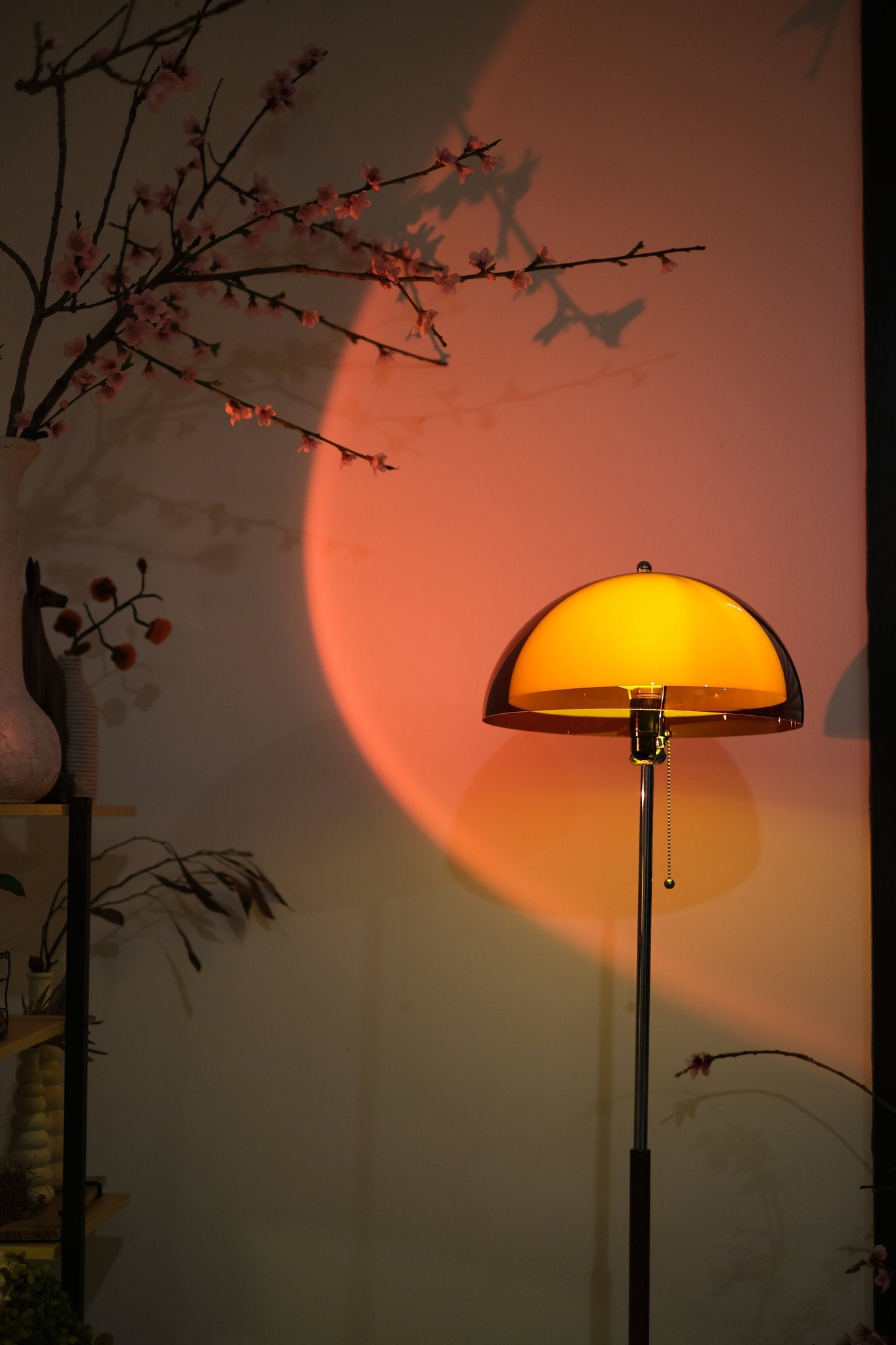
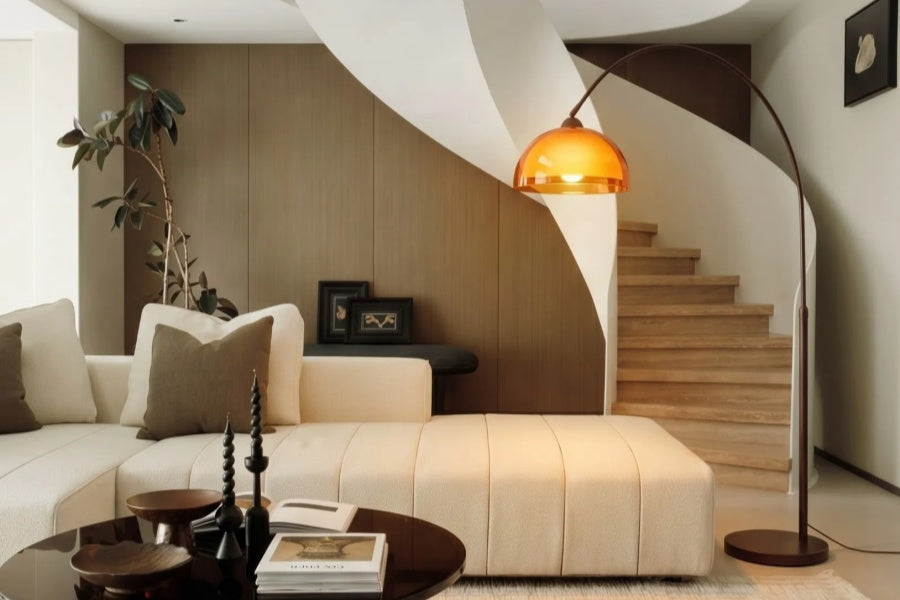
Floor lamps, table lamps, and wall lights help eliminate dark zones while adding depth and visual balance.
Even a small lamp placed strategically in a neglected corner can dramatically improve the overall atmosphere.
Poor Lighting Can Affect Your Mood

Lighting doesn't only change how a room looks—it changes how it feels.
Studies have shown that lighting influences mood, energy levels, and overall comfort.
Spaces that are too dim may feel depressing or draining, while excessively bright lighting can feel stressful and overwhelming.
Warm, balanced lighting creates an environment that feels calm, welcoming, and relaxing.
This is particularly important in living rooms, bedrooms, and family spaces where comfort is a priority.
Your Home May Feel Less Cozy at Night
Natural daylight often hides lighting problems during the day.
Once the sun goes down, however, poor lighting becomes much more noticeable.
A room illuminated by a single overhead fixture can feel flat and uncomfortable during the evening.
Layered lighting creates a completely different experience.
Combining ceiling lights with table lamps, floor lamps, and accent lighting helps create a warm atmosphere that encourages relaxation.
This is one reason why restaurants, hotels, and luxury spaces rarely rely on one light source alone.
Uneven Lighting Creates Visual Discomfort
Have you ever noticed how some rooms feel awkward without knowing exactly why?
The problem is often uneven lighting.
When one area is extremely bright and another is unusually dark, the contrast can create visual discomfort.
Balanced lighting helps the eye move naturally throughout a space.
It creates harmony and makes rooms feel more cohesive.
This principle applies to virtually every area of the home, from kitchens and dining rooms to hallways and bedrooms.
Lighting Impacts First Impressions
Whether you're welcoming friends, hosting family gatherings, or even selling your home, lighting matters.
First impressions happen quickly.
A well-lit entrance immediately feels more inviting than a dimly lit one.
Likewise, a bright and welcoming living room often feels more spacious and attractive than an identical room with poor lighting.
Real estate professionals frequently use lighting upgrades because they know how much it influences perception.
Improving Your Lighting Doesn't Have to Be Expensive

Many homeowners assume that improving lighting requires a major renovation.
Fortunately, that's not always true.
Simple changes such as adding table lamps, upgrading bulbs, introducing floor lamps, or using warm-toned LEDs can make a significant difference without breaking the budget.
If you're looking for affordable ways to improve your home's atmosphere, this helpful guide offers practical ideas and inspiration:
You'll find plenty of cost-effective solutions that can instantly make your home feel brighter and more inviting.
The Power of Layered Lighting

One of the most effective lighting strategies is layering.
Layered lighting combines three types of illumination:
Ambient Lighting
The primary source of light that fills a room.
Task Lighting
Focused lighting used for activities like reading, cooking, or working.
Accent Lighting
Decorative lighting that highlights artwork, shelves, plants, or architectural features.
When these layers work together, the result feels balanced, welcoming, and visually interesting.
Common Signs Your Home Needs Better Lighting
You may need to rethink your lighting if:
-
Rooms feel gloomy despite being clean and organized
-
Certain corners always seem dark
-
Guests rarely spend time in particular areas
-
Your décor doesn't stand out
-
Spaces feel smaller than expected
-
You frequently rely on maximum brightness from ceiling fixtures
-
Your home feels less comfortable after sunset
Recognizing these signs is the first step toward creating a more inviting environment.
Final Thoughts
Lighting is one of the most powerful tools in home design, yet it's often overlooked.
Poor lighting can make a beautiful home feel smaller, colder, and less welcoming than it truly is. The good news is that improving your lighting doesn't always require a large investment.
A few thoughtful changes can transform the atmosphere of your space, highlight your décor, and create a home that feels warm and inviting from the moment someone walks through the door.
Sometimes the difference between an ordinary room and a memorable one is simply better light.
FAQs
1. Can lighting influence how clean a room appears?
Yes. Proper lighting helps reveal colors, textures, and details, often making spaces appear cleaner and more well-maintained.
2. Which room benefits most from lighting upgrades?
Living rooms typically see the biggest impact because they serve multiple functions, including relaxing, entertaining, and socializing.
3. Are LED lights better than traditional bulbs for home interiors?
LEDs are generally more energy-efficient, longer-lasting, and available in a wider range of color temperatures.
4. How many light sources should a typical living room have?
Many designers recommend at least three separate light sources to create balanced layered lighting.
5. Can lighting affect the color of furniture and paint?
Absolutely. Different bulbs can make colors appear warmer, cooler, brighter, or more muted.