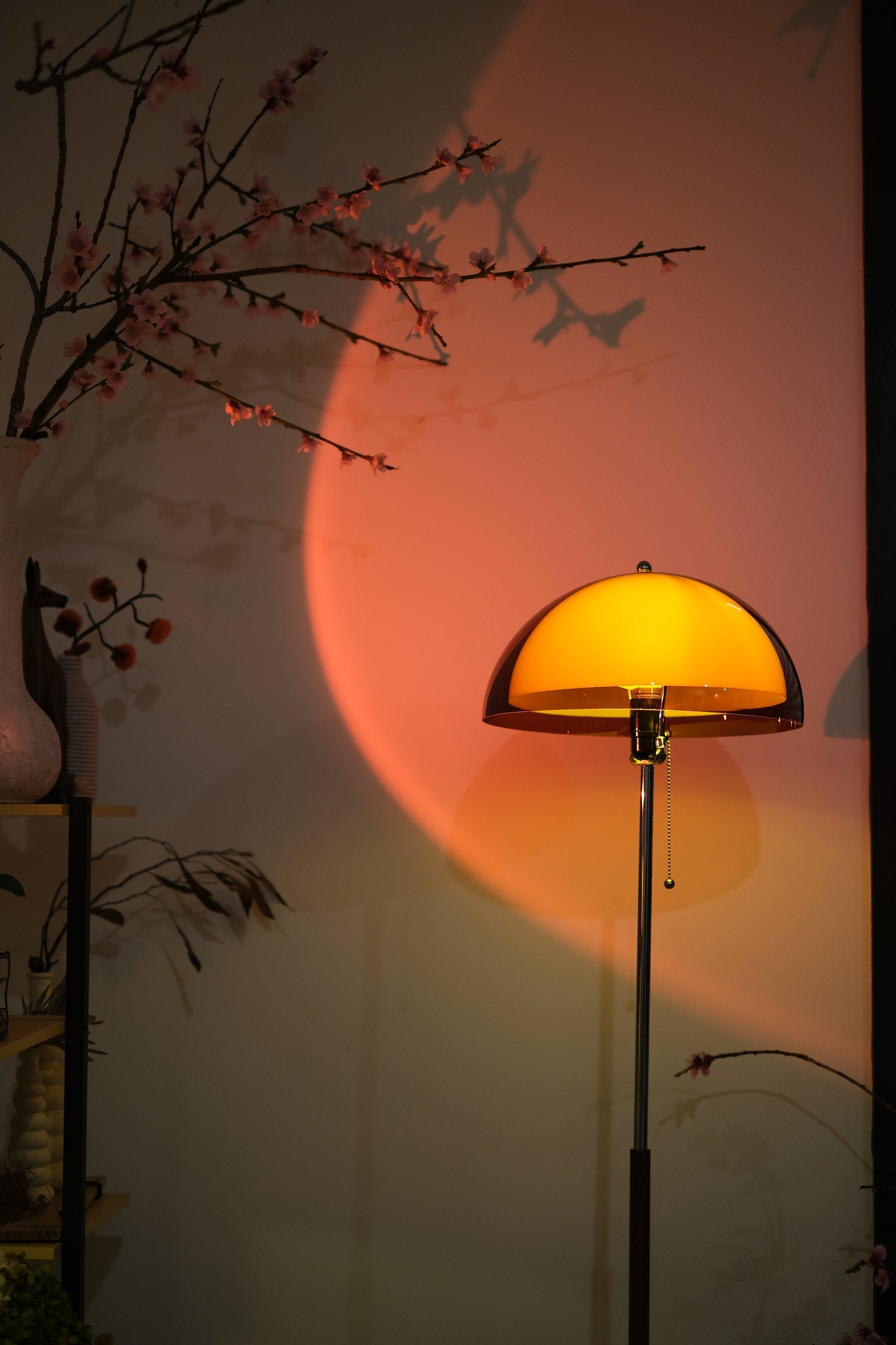

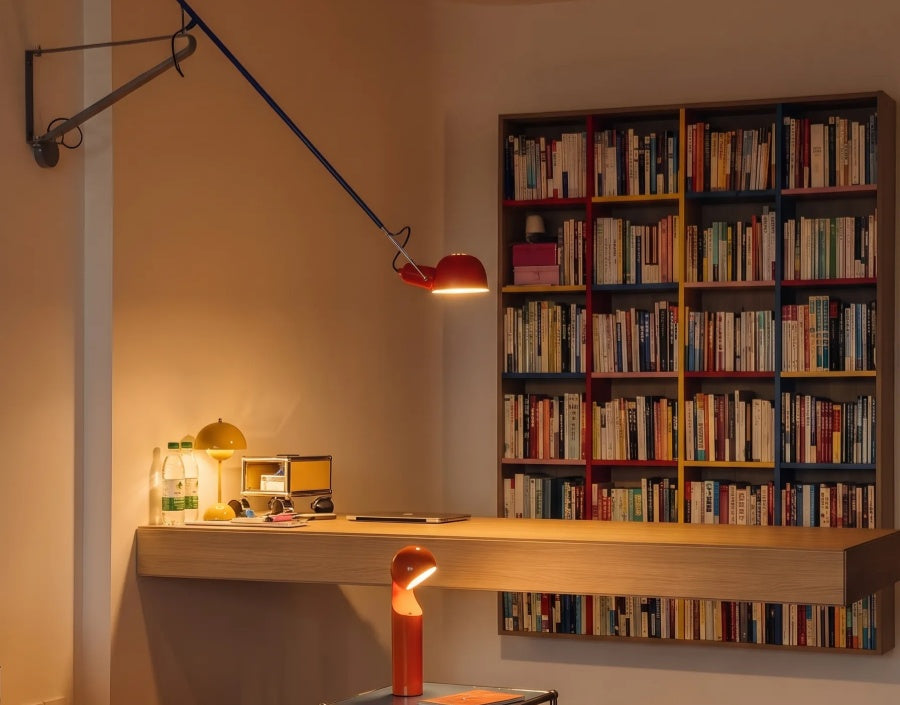
A child's bedroom is far more than just a place to sleep. It acts as a playroom, an art studio, a quiet reading nook, and a dedicated study corner. Because kids use their rooms for vastly different activities throughout the day, relying on a single overhead ceiling light is one of the most common lighting mistakes parents make.
Developing eyes are particularly sensitive to harsh glare, invisible screen flicker, and improper color temperatures. Poor illumination can cause eye strain, headache-induced fatigue, and disrupted sleep cycles. Designing an eye-friendly lighting scheme protects your child’s vision, enhances focus during study hours, and creates a soothing environment for bedtime.
1. Protecting Developing Eyes: The Essential Specs Every Parent Needs to Know

Children's crystalline lenses are clearer than those of adults, meaning their retinas absorb more light—and are considerably more susceptible to blue-light exposure and harsh glare. Before choosing fixtures, look out for these four technical specifications:
Brightness (Illuminance)
Illuminance is measured in lux (lumens per square meter). A child’s room requires different light intensity depending on the task:
-
General Play & Ambient Light: 100 to 200 lux.
-
Reading & Study Desk Area: 300 to 500 lux.
Color Temperature (Kelvin)
Light color directly influences mood, focus, and natural circadian rhythms:
-
4000K – 5000K (Cool/Neutral White): Ideal for desk lamps during study hours to boost alertness and cognitive focus.
-
3000K (Warm White): Perfect for general afternoon play and relaxing ambient lighting.
-
2700K or Lower (Soft Warm Light): Crucial for evening wind-down and night lights, as warm spectrums do not suppress melatonin production.
2. The Three-Layer Lighting Framework for Kids' Bedrooms

To achieve balance, interior designers and eye-health specialists recommend a three-layered lighting plan:
| Lighting Layer | Primary Purpose | Recommended Fixtures | Key Tip |
| Layer 1: Ambient (General) | Uniform room illumination without dark corners | Flush-mount ceiling fixtures, diffused indirect LED panels | Use frosted diffusers to prevent direct bulb glare. |
| Layer 2: Task (Focused) | Targeted light for homework, writing, and drawing | Adjustable desk lamps, focused reading arm lamps | Position opposite the child's dominant hand to prevent shadows. |
| Layer 3: Accent/Sleep | Gentle transition to sleep and safe night navigation | Low-wattage wall sconces, dimmable plug-in nightlights | Keep color temperature at 2700K or lower. |
Setting Up the Ideal Study Corner
When setting up a desk lamp, follow the Hand-Shadow Rule:
-
Place the lamp on the left side of the desk if your child is right-handed (or on the right side if left-handed).
-
Ensure the shade sits roughly 35–40 cm above the desk surface, casting light across the page without reflecting into their eyes.
3. Child Safety First: Non-Negotiable Room Guidelines

No matter how bright or stylish a lamp looks, safety comes first in a young child's room:
-
Low Heat Emission (LED Only): Halogen and high-wattage incandescent bulbs heat up quickly and pose burn risks. Stick exclusively to cool-to-touch LEDs.
-
Shatter-Proof Materials: Avoid fragile glass shades or heavy porcelain table lamps. Opt for durable polycarbonate, silicone, aluminum, or smooth wood finishes table lamps.
-
Cord & Socket Security: Conceal all electrical cords behind furniture or secure them with cord channels. Use safety covers on all open electrical outlets.
-
Sturdy Mounts: Wall sconces and overhead pendants must be securely bolted to withstand accidental tosses from toys or pillows.
4. Future-Proofing: Lighting That Grows With Your Child

Children grow quickly, and their room lighting should easily adapt without requiring full electrical overhauls every few years.
| Age Group | Key Focus | Recommended Lighting Setup | Primary Goal |
|---|---|---|---|
|
0–5 Years (Toddler) |
Soft warmth & night safety | Warm ambient lamps, soothing silicone nightlights, low-wattage bedtime sconces | Create a sense of security and protect developing retinas during bedtime routines. |
|
6–12 Years (School Age) |
Dedicated study & vision protection | High-CRI (Ra > 90) desk lamps, flicker-free ceiling lights, anti-glare task lights | Prevent eye strain and eliminate desktop shadows to boost focus during homework. |
|
13+ Years (Teenager) |
Versatile scenes & modern style | Dimmable LED fixtures, smart accent strip lights, monitor light bars | Balance long study sessions with relaxing smart ambiance tailored to their style. |
-
Toddlers (Ages 0–5): Focus on soft ambient lighting, gentle bedtime sconces, and cute silicone nightlights for midnight check-ins and storytime.
-
School-Age Children (Ages 6–12): Introduce a high-performance, dimmable study lamp. Ensure wall switches and desk controls are easy for small hands to operate.
-
Teenagers (Ages 13+): Upgrade to smart lighting bulbs that allow them to adjust color temperatures via voice or app, pairing functional homework lighting with stylish ambient accent strips.
5. Parent Checklist: Quick Buyer's Guide

Before buying your next kids' room fixture, run through this quick checklist:
-
Is the color temperature adjustable or matched appropriately to the room zone?
-
Does the desk lamp feature an anti-glare diffuser panel?
-
Can the lighting intensity be dimmed for nighttime wind-down?
Conclusion
Investing in eye-friendly lighting for your child’s room is one of the most proactive steps you can take to safeguard their vision, support healthy study habits, and promote restful sleep. By combining uniform ambient light with focused task lamps and warm sleep aids, you create a space where your child can learn, play, and rest comfortably for years to come.
FAQs
Q1: What is the best color temperature for a kid’s bedroom lighting?
A: It depends on the time of day and function. Use 4000K–5000K (neutral white) for study desk lamps to boost concentration, 3000K (warm white) for daytime play, and 2700K or lower (warm light) in the evening to encourage natural sleep cycles.
Q2: How many lumens or lux does a child need for reading and homework?
A: For general room lighting, 100 to 200 lux is sufficient. However, dedicated study areas and reading desks require an illuminance level of 300 to 500 lux to prevent eye strain.
Q3: What does CRI mean, and why does it matter for children's lighting?
A: CRI stands for Color Rendering Index. A high CRI rating (CRI > 90) means the light accurately reveals true colors, reducing visual distortion and fatigue during drawing, reading, and studying.
Q4: How can I tell if an LED light is truly flicker-free?
A: Look for official "Flicker-Free" or RG0 (Risk Group 0 for blue light safety) certifications on the product packaging. You can also test a bulb by opening your smartphone camera and looking at the light source—if you see rolling lines or flickering bands, the light bulb is not flicker-free.
Q5: Are smart lights safe for children's rooms?
A: Yes, high-quality smart LED bulbs are very safe. They allow parents to program automated schedules—such as auto-dimming to a warm 2200K bedtime light at 8:00 PM—to help kids establish healthy sleeping routines.