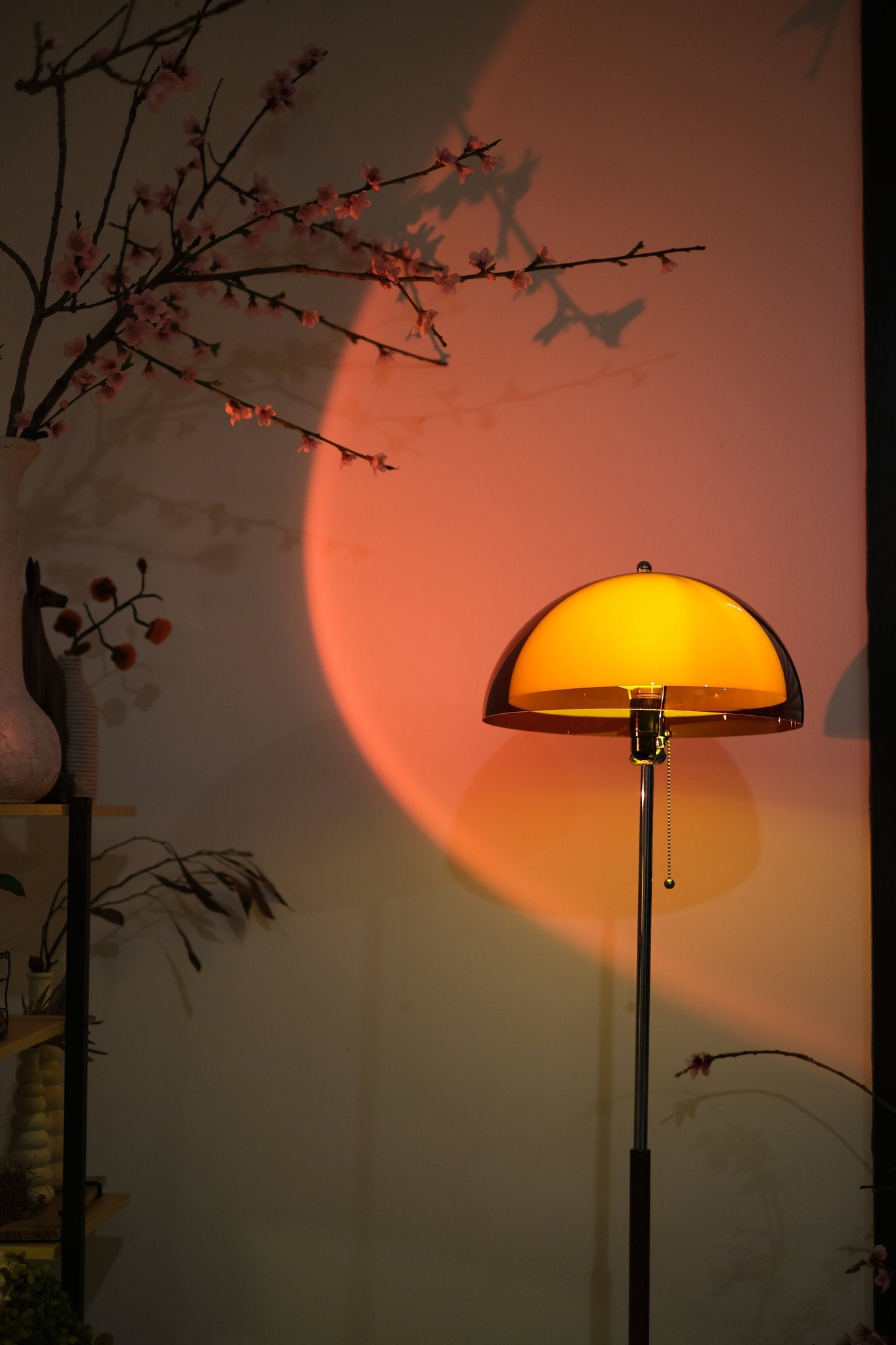

Ever switched on a lamp at night and thought, “Why does this feel so harsh?”
The problem might not be the bulb. It could be the lampshade.
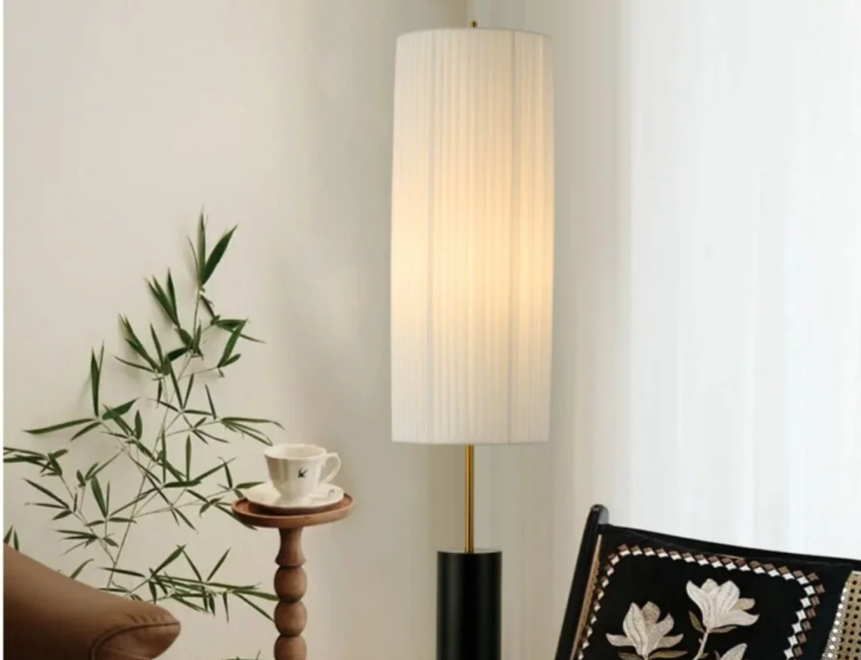
A pleated lamp can make a surprisingly big difference because its fabric shade helps soften, spread and filter the light before it reaches the room. Instead of creating one strong pool of brightness, it gives you a warmer, more diffused glow that feels much easier on the eyes.
And honestly, that’s exactly what many Australian homes need after a long day.
So, what makes pleated lighting different from an ordinary lamp? Let’s break it down.
What Makes a Pleated Lamp Different?

The most obvious difference is the shade.
Traditional lamps can use smooth fabric, glass, metal or plastic shades. Depending on the material, light may pass through directly, bounce strongly off surfaces, or create fairly defined shadows.
A pleated lampshade has folds running across its surface. These folds create more texture and depth between the bulb and the surrounding room.
The result?
The light feels less direct.
Instead of looking straight at a bright bulb or getting a sharp beam of light across a wall, the pleated shade helps distribute that brightness more gradually.
Think of it like putting a soft filter between you and a bright light source.
The bulb is still doing the work, but the shade changes how that light reaches you.
1. The Fabric Helps Diffuse Harsh Light

One of the biggest reasons pleated lamps create softer lighting is the material used for the shade.
Fabric shades naturally diffuse light. Rather than allowing the bulb's brightness to hit your eyes directly, the material scatters some of the light and reduces the feeling of glare.
This is particularly useful in spaces where you want to relax.
Think:
-
Bedroom
-
Living room
-
Reading corner
-
Home office
-
Dining area
-
Lounge area
Instead of a sharp, bright beam, you get something that feels more gentle and atmospheric.
That’s why pleated lamps are often associated with cosy interiors. They aren't just decorative pieces — their construction can genuinely change the quality of light in a room.
2. The Pleats Add More Layers Between You and the Bulb

Here’s where things get interesting.
A pleated shade isn't completely flat. The folds create small changes in the surface of the fabric, which can affect how light travels through and around the shade.
You can think of each fold as creating another little variation in the way light spreads.
The result is a more layered visual effect.
Instead of:
Bulb → straight light → your eyes
you get something closer to:
Bulb → fabric → filtered light → surrounding surfaces → softer room glow
That difference might sound small, but you can notice it when the lamp is switched on.
It’s one reason pleated lighting can feel much more inviting than a bare bulb or exposed light source.
3. Pleated Lamps Create Softer Shadows
Light isn't only about brightness. Shadows matter too.
A very direct light source can create strong shadows behind furniture, plants and decorative objects.
That can make a room feel dramatic — which isn't necessarily bad — but it can also make a small space feel harder and less relaxed.
A pleated lamp tends to produce softer transitions between light and shadow.
This gives your room a more natural-looking glow.
For example, place a pleated floor lamp beside your sofa and the surrounding wall may gradually brighten rather than suddenly becoming a bright patch of light.
The result is subtle, but that's actually the point.
Good ambient lighting shouldn't always announce itself.
It should simply make the room feel better.
4. The Right Bulb Makes a Pleated Lamp Even Softer
Of course, the lampshade isn't the only thing that matters.
Your bulb matters too.
If you're trying to create a warm, comfortable atmosphere, a warm-white LED bulb is generally a better choice than an extremely cool white bulb.
A warm bulb paired with a fabric pleated shade can create a lovely evening glow.
For different situations, think about it like this:
Warm light
Great for bedrooms, living rooms and relaxing.
Neutral light
Better for work areas and everyday tasks.
Cool light
Useful when you need a brighter, more energetic environment, but it can feel less cosy.
If your goal is soft lighting, don't automatically choose the brightest bulb available.
You want the lamp to create comfortable illumination, not turn your living room into a supermarket.
5. Pleated Floor Lamps Are Great for Larger Rooms
If you love the look of pleated lighting but want something more substantial, consider a pleated floor lamp.
Floor lamps have one big advantage: height.
Instead of lighting only a small area around a table, a floor lamp can spread light higher up the wall and across a larger section of your room.
Placement makes a huge difference here.
Try putting your floor lamp:
-
Behind a sofa
-
Next to an armchair
-
Beside a bookshelf
-
In an empty corner
-
Near a reading chair
The idea isn't necessarily to point the light directly at the centre of the room.
Sometimes allowing light to wash gently across a wall creates a much softer effect.
If you're interested in getting more from your floor lamp placement, Homezee has also put together a useful guide on Floor Lamp Placement Tips for a Softer, More Inviting Australian Home. It's worth a read if you're not sure where your floor lamp should actually go.
6. A Pleated Lamp Can Make a Room Feel Warmer

There’s also a visual reason pleated lamps feel soft.
The folds in the shade add texture.
And texture matters in interior design.
A room filled with smooth surfaces — glass, metal, glossy furniture and plain walls — can sometimes feel a little cold.
Adding a pleated lamp introduces another tactile element.
The combination of:
fabric + folds + warm light
creates a softer visual balance.
This works particularly well with interiors that use natural materials such as timber, linen, rattan and wool.
You don't need to completely redesign your room.
Sometimes adding one textured lamp is enough to make the space feel more layered.
7. Pleated Lamps Work Beautifully With Australian Interior Styles

Australian interiors often lean towards natural materials, neutral colours and relaxed spaces.
That makes pleated lamps a surprisingly easy match.
For a coastal-inspired home, try a light-coloured pleated shade with timber furniture.
For a Japandi-style room, keep the shape simple and pair it with natural wood and neutral tones.
For a modern apartment, choose a sculptural pleated lamp as a statement piece.
For a classic interior, traditional pleated shades can add a timeless touch.
And if you're going for a cosy, relaxed look, combine the lamp with warm textiles and low-level lighting.
The nice thing about pleated lamps is that they don't need to dominate the room.
They can quietly fit in.
8. Why Soft Lighting Feels Better at Night
Ever notice how a room can feel completely different at 8pm compared with 8am?
That's largely because lighting changes how we experience the space.
During the day, natural daylight does most of the work.
At night, however, harsh overhead lighting can make a room feel overly bright and functional.
That's not exactly the mood most people want when they're relaxing on the sofa.
Soft ambient lighting creates a more intimate atmosphere.
Instead of illuminating every corner equally, it creates areas of brightness and shadow.
A pleated lamp can become part of that evening lighting setup.
Turn off the main ceiling light, switch on your floor lamp and table lamps, and suddenly the same room feels completely different.
It's one of the easiest ways to make your home feel more inviting without changing your furniture.
9. Don't Use Just One Light Source
Here's another simple trick: don't expect one lamp to do everything.
The best lighting setups usually combine several sources.
For example:
Ceiling light: General illumination.
Table lamp: Focused or bedside lighting.
Pleated floor lamp: Soft ambient lighting.
Pendant light: Decorative and functional lighting.
Portable lamp: Flexible accent lighting.
This is known as layered lighting, and it allows you to change the mood of a room depending on what you're doing.
Cooking dinner?
Turn on the brighter lights.
Watching a movie?
Turn off the ceiling light and use your floor lamp.
Reading?
Add a table lamp.
Having friends over?
Use several warm light sources together.
Your home doesn't need to look exactly the same every evening.
10. Why Homezee Pleated Lighting Is Worth Considering
If you're looking for a softer, more decorative lighting style, Homezee is a great place to explore.
Homezee focuses on lighting that isn't simply functional. Its collection includes styles designed to bring warmth, texture and personality into Australian homes.
Pleated designs work particularly well if you want something softer than a traditional exposed-bulb lamp but still want the lamp itself to make a design statement.
And because lighting is such a visual part of your home, choosing a lamp with the right shape and shade can make a bigger difference than you might expect.
Take your time when choosing one.
Think about where you'll put it, what kind of light you want and how you'll use the room after dark.
Then choose a design that you genuinely enjoy looking at.
Because you're going to see it every day.
How to Choose the Right Pleated Lamp for Your Room
Before buying a pleated lamp, ask yourself four simple questions.
Where will it go?
A bedside table needs a different size from a living room floor lamp.
How much light do I need?
For ambient lighting, you don't necessarily need maximum brightness.
What colour is your room?
Neutral shades are versatile, while darker or warmer shades can make the lamp feel more dramatic.
Do I want the lamp to blend in or stand out?
If your furniture is already visually busy, choose a simpler lamp.
If your room is minimal, a sculptural pleated lamp can become a beautiful focal point.
Final Thoughts: Soft Lighting Doesn't Have to Be Complicated
You don't need expensive renovations or a complete interior makeover to make your home feel more comfortable.
Sometimes, the simplest change is the most noticeable.
A pleated lamp softens the experience of artificial light by combining a diffusing fabric shade with a textured, folded design. Add the right warm bulb, place it thoughtfully and combine it with other light sources, and you can create a room that feels warmer, calmer and much more inviting.
And that's really the beauty of good lighting.
You shouldn't necessarily notice the technology behind it.
You should simply walk into the room and think:
“This feels nice.”
FAQs
1. Are pleated lamps good for bedrooms?
Yes. Pleated lamps are particularly suitable for bedrooms because their diffused glow can create a warm and relaxing atmosphere.
2. What bulb should I use with a pleated lamp?
A warm-white LED bulb is generally a good choice if you want a cosy and relaxing atmosphere.
3. Where should I place a pleated floor lamp?
Try placing it beside a sofa, reading chair, bookshelf or in an empty corner. Positioning it near a wall can also help create a softer indirect glow.
4. Are pleated lamps suitable for modern interiors?
Definitely. Simple pleated designs can work beautifully with modern, Japandi, Scandinavian, coastal and minimalist interiors.
5. Can a pleated lamp replace a ceiling light?
Usually, no. A pleated lamp is better suited to ambient or accent lighting. For general room illumination, it works best alongside your main light source.