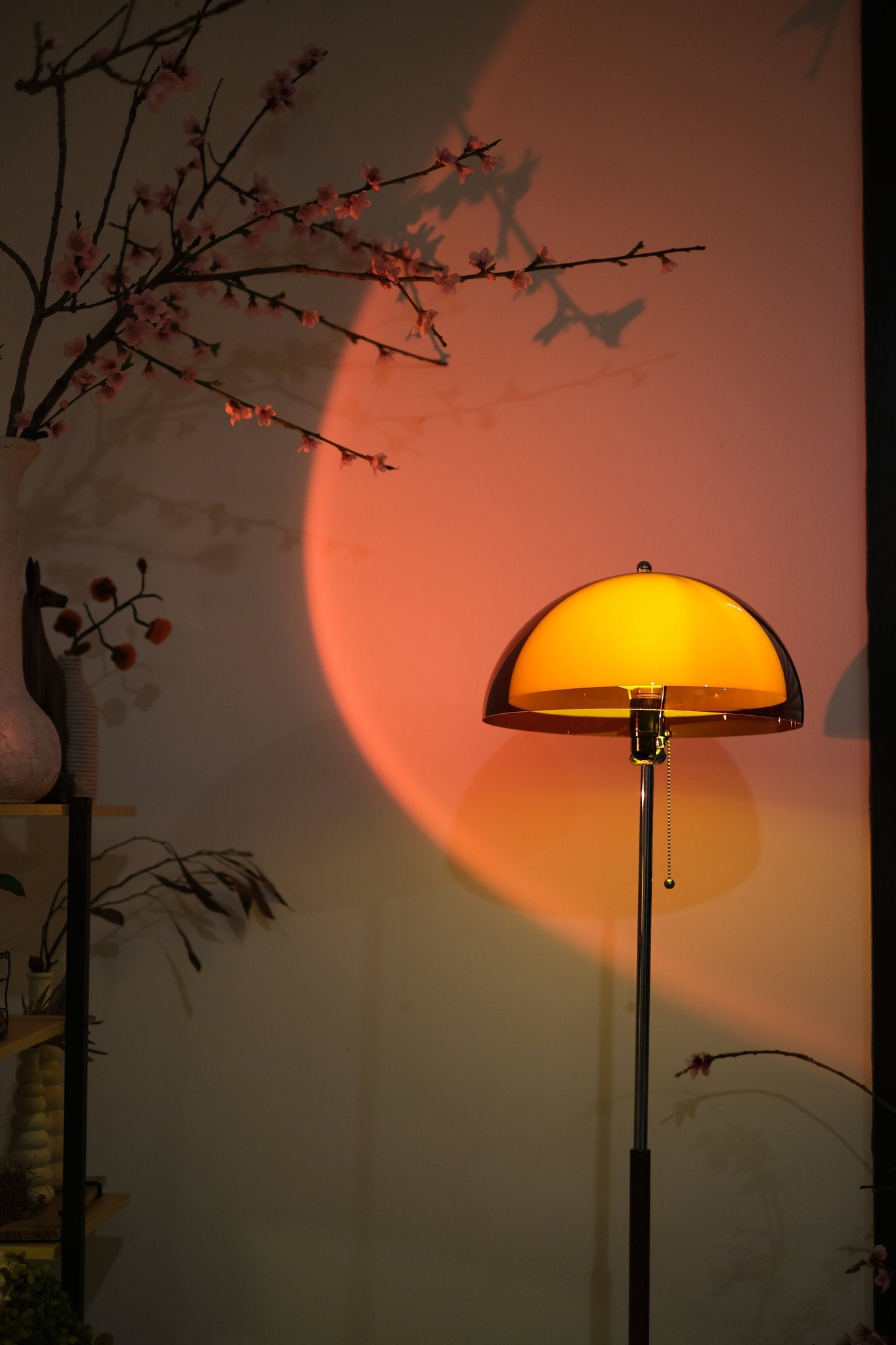

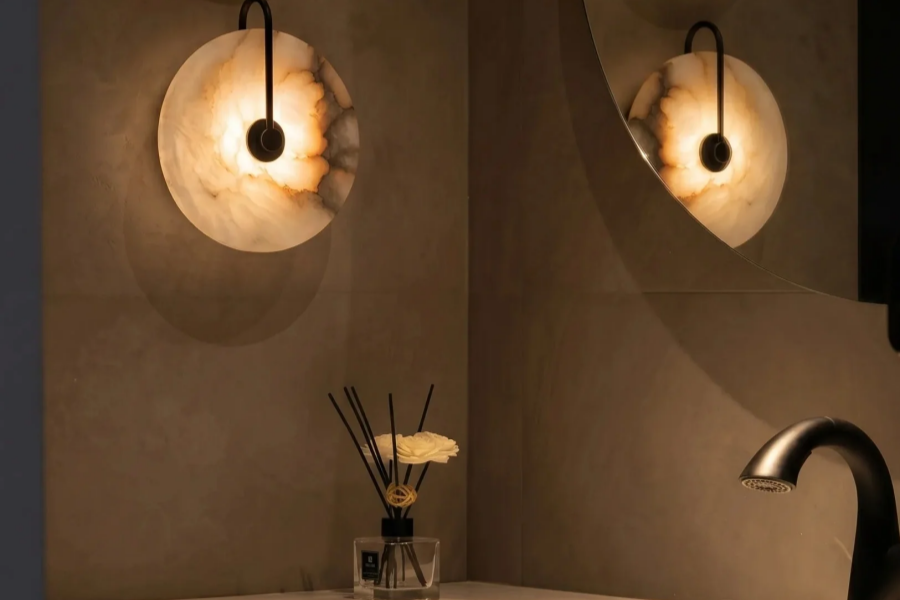
Sometimes you don't need a fancy spa day to unwind. A warm shower, some quiet music, and softer lighting can be enough to make the end of the day feel completely different.
If your bathroom still relies on one bright overhead light, changing the lighting may be the easiest way to make your evening shower feel calmer. The key is creating a warm, relaxing atmosphere without compromising safety or practicality.
Here are some simple shower lamp ideas to help turn an ordinary bathroom into a more comfortable evening space.
Why Lighting Matters During an Evening Shower
Think about the difference between walking into a bathroom with bright, cool-white lighting and stepping into one with a softer, warmer glow.
The first feels functional. You switch on the light because you need to see.
The second feels more intentional.
Good bathroom lighting can change the mood of the entire room. Instead of making the shower feel like the last task on your to-do list, softer lighting can help create a clear transition from a busy day to a slower evening.
That doesn't mean your bathroom needs to be dark. You still need enough illumination to move around safely and use the space comfortably.
It's more about using different layers of light instead of relying on one extremely bright ceiling fixture.
1. Start With a Warm, Soft Glow

For a relaxing evening shower, warm lighting is usually a better starting point than very cool, blue-toned light.
A warm-white bulb can make tiles, wood tones, textiles, and other bathroom details feel softer and more inviting.
If your main bathroom light is extremely bright, you don't necessarily need to replace the entire fixture. Consider adding another suitable light source outside the wet area and using the main light at a lower intensity when appropriate.
The goal is simple:
Enough light to see comfortably, but not so much that the bathroom feels like a brightly lit workspace.
2. Try a Shower Lamp Outside the Wet Zone

One of the easiest shower lamp ideas is to place a decorative lamp outside the direct splash zone.
A small table lamp on a dry bathroom counter or a suitable portable lamp positioned safely away from water can add a warm layer of light.
This works particularly well if your bathroom has a little extra floor or counter space.
Imagine turning off the harsh overhead light, switching on a warm lamp near the vanity, and letting a gentle glow spread across the room.
Instantly, the atmosphere changes.
Important: Any lamp used in a bathroom must be appropriate for its location and protected from water and moisture according to its electrical safety rating and local regulations. Never place a standard household lamp inside a shower enclosure or anywhere it can be splashed.
3. Use a Dimmable Light for More Control

A dimmable lamp can be incredibly useful in an evening bathroom routine.
At the beginning of your shower, you may want relatively bright light. As you finish getting ready for bed, you can lower the brightness and create a softer atmosphere.
This is one reason dimmable lighting has become such a practical choice for modern homes.
You don't have to choose between “bright” and “dark.”
You can choose the level that feels right.
If you're interested in creating a similarly adjustable atmosphere in other parts of your home, Homezee's guide to creating the best pleated floor lamp setup for cozy evenings explores how warm, layered lighting can transform a room after sunset.
4. Add a Small Lamp Near the Vanity

Your vanity area is one of the easiest places to introduce decorative lighting.
A small table lamp can provide a softer secondary light source while adding some personality to the room.
This is especially useful in larger bathrooms where a single ceiling light leaves some areas feeling flat.
Try placing a compact lamp on a dry vanity surface, away from sinks, splashes, and other sources of water.
The lamp doesn't need to be huge.
Sometimes a small glow in the right place makes a bigger difference than a large, bright fixture.
5. Choose a Lamp With a Fabric Shade
If you want your bathroom to feel more like a relaxing part of your home rather than a purely functional space, consider a lamp with a fabric or pleated shade—provided it is positioned in a suitable dry area.
Fabric shades can soften the appearance of the light and add texture to an otherwise hard space filled with glass, ceramic, tile, and metal.
This is where a little contrast can work beautifully.
Think of:
Soft fabric + hard tile
Warm light + cool surfaces
Natural texture + clean bathroom lines
That combination can make a bathroom feel much more comfortable.
6. Don't Put the Lamp Inside the Shower

This sounds obvious, but it's worth saying.
A decorative lamp may look beautiful beside a bathtub or shower, but not every lamp is designed to handle moisture.
For most ordinary home lamps, the safest approach is to keep them well outside areas where they could be exposed to water or direct spray.
If you want lighting directly within a shower area, use a fixture specifically designed, rated, and installed for that location.
For any permanent bathroom electrical installation, follow applicable local electrical requirements and use a qualified electrician where required.
A relaxing shower isn't worth taking electrical risks.
7. Use Wall Light to Create a Softer Background

Wall lighting can be another excellent way to create a calm bathroom atmosphere.
Instead of having all the light come directly from above your head, wall-mounted fixtures can spread illumination more evenly around the room.
Depending on the fixture design, light can be directed upward, downward, or diffused through a shade.
This creates more visual depth.
And if your bathroom has mirrors, wall lights positioned appropriately around the vanity can also provide useful illumination for everyday tasks.
The trick is to choose fixtures specifically designed and rated for bathroom use and install them in the appropriate location.
8. Think About Light Layers, Not Just One Lamp
One of the biggest mistakes people make with bathroom lighting is trying to make a single fixture do everything.
Instead, think in layers.
Ambient Lighting
This is your general room illumination. It allows you to move around and use the bathroom safely.
Task Lighting
This is the brighter, more focused light you need around areas such as the vanity or mirror.
Accent Lighting
This is where you create atmosphere.
A small decorative lamp in a safe, dry location, a softly glowing wall light, or another suitable accent fixture can make the room feel warmer in the evening.
You don't necessarily need all three at maximum brightness at the same time.
That's the whole point of layered lighting.
9. Match the Light to Your Evening Routine
The best shower lamp setup isn't necessarily the one that looks best in a photograph.
It should work with how you actually use your bathroom.
For example:
6:30 PM: Bright enough lighting while you're getting ready.
8:00 PM: Warm ambient lighting while taking your shower.
9:30 PM: Lower lighting while brushing your teeth and getting ready for bed.
The ability to gradually change the atmosphere can make your evening routine feel much less rushed.
Instead of suddenly going from bright daytime lighting to complete darkness, your home can transition gradually.
10. Pair Shower Lighting With Other Cozy Details
Lighting is only one part of the experience.
If you're trying to create a calm evening shower, consider the rest of the environment too.
A fluffy towel.
A clean bath mat.
A favourite body wash.
A small plant that suits the bathroom environment.
Soft music.
A tidy vanity.
Even a simple wooden accessory can introduce warmth against cool bathroom surfaces.
You don't need to turn your bathroom into a luxury hotel.
The goal is to create a space where you actually enjoy spending the last few minutes of your day.
11. Try a Portable Lamp for Flexible Lighting
Portable lamps can be particularly useful if you don't want to make permanent changes to your bathroom.
A rechargeable lamp can be moved between suitable dry areas and used to create a different atmosphere depending on the evening.
Place it on a dry shelf or vanity, away from water and steam-heavy areas, and let it provide a small pool of warm light.
Portable lighting can also be useful beyond the bathroom. Once you're finished showering, you can move the lamp to a bedroom, hallway, or living room.
It's a simple way to experiment with different lighting arrangements without redesigning your entire home.
12. Don't Forget the Colour Temperature
Colour temperature can make a surprisingly big difference.
For a calm evening atmosphere, warm-white lighting is generally a comfortable choice. Around 2700K–3000K is commonly used for warm residential lighting, although the ideal choice depends on your fixture, personal preference, and the purpose of the space.
Very cool lighting can make a room feel crisp and energetic.
Warm lighting tends to feel softer and more relaxed.
For an evening shower, that softer quality is often exactly what you're looking for.
13. Keep the Bathroom Looking Like Your Home
There's no reason bathroom lighting has to look completely different from the lighting throughout the rest of your home.
If your living room uses warm floor lamps, soft table lamps, and natural materials, you can carry some of that design language into your bathroom.
This creates a sense of continuity.
A bathroom doesn't have to feel like a separate utility room.
It can feel like another part of your home.
A textured shade, warm-toned lamp, natural wood accessory, or softly illuminated corner can help achieve that feeling—as long as everything is suitable for the bathroom environment.
Create Your Own Calm Shower Ritual
You don't need expensive renovations to make your evening shower feel better.
Start small.
Turn down the harsh overhead light.
Switch on a warm secondary light in a safe, dry location.
Play some quiet music.
Put your phone away.
Take your time.
After a few evenings, you may notice something interesting: the lighting itself starts to become part of your routine.
The lamp comes on, the bathroom gets warmer and softer, and your brain gets the signal that the busy part of the day is finished.
That's what good home lighting can do.
It doesn't simply illuminate a room.
It helps create a feeling.
Final Thoughts
The best shower lamp ideas aren't about making your bathroom as bright as possible. They're about finding the right balance between practical visibility and a relaxing atmosphere.
Use suitable bathroom-rated fixtures where moisture is present, keep decorative lamps away from water, introduce warm light where appropriate, and think about layering rather than relying on one harsh overhead fixture.
Then add the little things that make the space yours.
Because sometimes, after a long day, a calm shower and a warm glow are all you really need.
FAQs
1. Can I put a lamp inside my shower?
Only use a light fixture specifically designed, rated, and approved for installation in the shower area. Ordinary household lamps should never be placed where they can come into contact with water.
2. Can I use a table lamp in the bathroom?
Yes, if it is positioned in a dry, suitable location away from sinks, bathtubs, showers, splashes, and excessive moisture. Always follow the lamp manufacturer's instructions.
3. What colour temperature is best for a relaxing shower?
Warm-white lighting around 2700K–3000K is a popular choice for creating a softer evening atmosphere.
4. Are warm lights better than cool lights for evening showers?
Warm lighting generally creates a softer and more relaxed visual atmosphere, making it a popular choice for evening use.
5. Can fabric lampshades be used in bathrooms?
They can be used in appropriate dry locations if the lamp is designed for that environment. Keep fabric shades away from direct water, splashes, and excessive humidity.