
Most of us spend thousands on a "cloud" sofa or ergonomic chairs, but then we settle for a single, soul-sucking fluorescent bulb in the middle of the ceiling. We wonder why we feel twitchy, or why we can’t seem to "turn off" our brains at 9:00 PM.
The truth is, your home isn’t just made of wood and brick; it’s made of atmosphere. And the biggest secret to mastering that atmosphere is space lighting. It’s not just about seeing where you’re walking; it’s about how you feel while you’re walking there. If you’ve ever felt an instant wave of calm walking into a high-end spa or a boutique hotel, you weren't just smelling eucalyptus—you were experiencing professional-grade lighting design.
In this guide, we’re going deep into everything you need to know about space lighting to turn your home into a high-vibe sanctuary.
1. Stop Thinking "Bright," Start Thinking "Layers"
The biggest mistake people make about space lighting is thinking that one big light is enough as long as it’s "bright." That’s not a home; that’s an interrogation room. To find your personal peace, you need to think in layers.
Think of space lighting like an outfit. You don’t just wear a heavy winter coat and nothing else, right? You layer.
-
Ambient Lighting (The Base Layer): This is your general "I can see the floor" light. Instead of one harsh overhead, think about recessed lights or even a large paper lantern that glows softly.

-
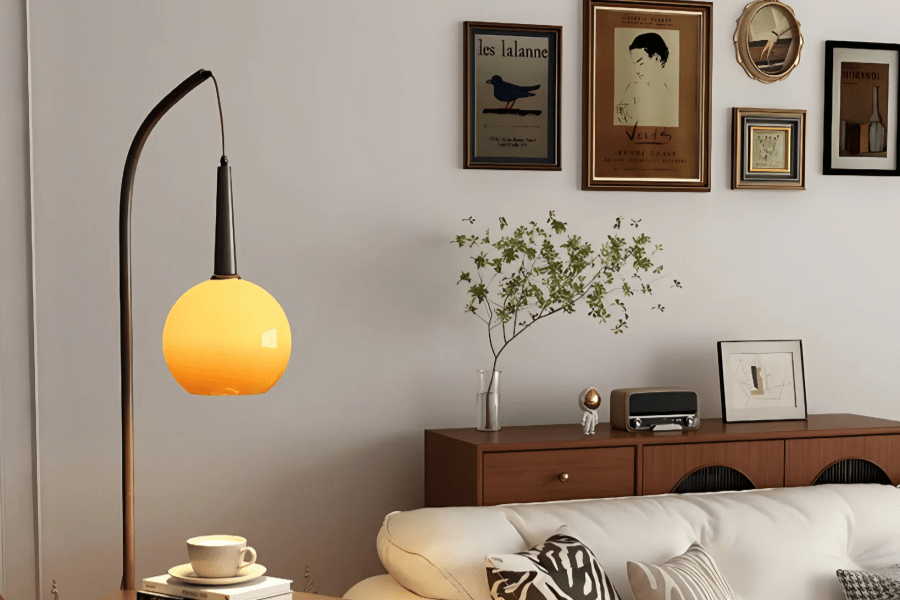
Task Lighting (The Functional Layer): This is for when you’re actually doing things. Whether it’s a sexy brass lamp for reading or under-cabinet LEDs for chopping onions, task lighting keeps you from straining your eyes. Stress starts in the eyes, so treat them well.
-
Accent Lighting (The Vibe Layer): This is where the magic happens. A spotlight on a plant, a light strip behind the TV, or a small lamp on a bookshelf. This layer adds "depth."

When you have all three, your room feels three-dimensional and cozy. It creates a "cocoon" effect that tells your nervous system, "You’re safe now."
2. The Science of "Warmth"
If you’re serious about space lighting, you have to understand Kelvins ($K$). Light has a temperature, and it dictates your mood more than you realize.
-
2700K - 3000K (Warm White): This is the "Golden Hour" in a bulb. It’s cozy, intimate, and relaxing. This is what you want in your bedroom and living room.
-
4000K - 5000K (Cool/Daylight): This mimics the high-noon sun. It’s great for focus, but if you use it at night, your brain thinks it’s 12:00 PM on a Tuesday.
To define your peace, you need to banish those "office-white" 5000K bulbs from your relaxation zones. Using warm space lighting in the evening helps your body produce melatonin, the "sleepy hormone." If your lights are too blue or too bright at night, you’re basically yelling at your brain to stay awake.
To get this right, you need the perfect bulb—here is a quick guide to choosing the best one for your space
3. Room-by-Room Peace Strategies
Every room has a different job, so every room needs a different approach to space lighting.
The Living Room: The Multi-Tasker

Your living room is where you host friends, but it’s also where you rot on the couch after a hard day. You need versatility. The pro tip here? Dimmers. Being able to slide the brightness down as the sun goes away is the ultimate luxury. It allows the room to shrink visually, making you feel tucked in.
The Bedroom: The "No-Fly" Zone for Blue Light

Your bedroom should be a sacred space. When we talk about space lighting in the bedroom, we’re talking about "indirect" light. You don't want a bulb staring you in the face. Use lamps with fabric shades that diffuse the light. Pro tip: Put a motion-sensor light strip under your bed. If you get up to pee at 3:00 AM, it glows softly on the floor rather than blinding you with an overhead switch.
The Bathroom: From Utility to SPA

Most bathrooms feel like a gas station at midnight. To find peace here, add a small, dimmable lamp on the counter or a waterproof LED strip behind the mirror. Taking a bath in soft, amber space lighting is a completely different experience than taking one under a buzzing white tube.
4. Shadows Are Your Friends
Here’s something most people don’t get about space lighting: Shadows are just as important as the light itself. A room with no shadows is flat and boring.
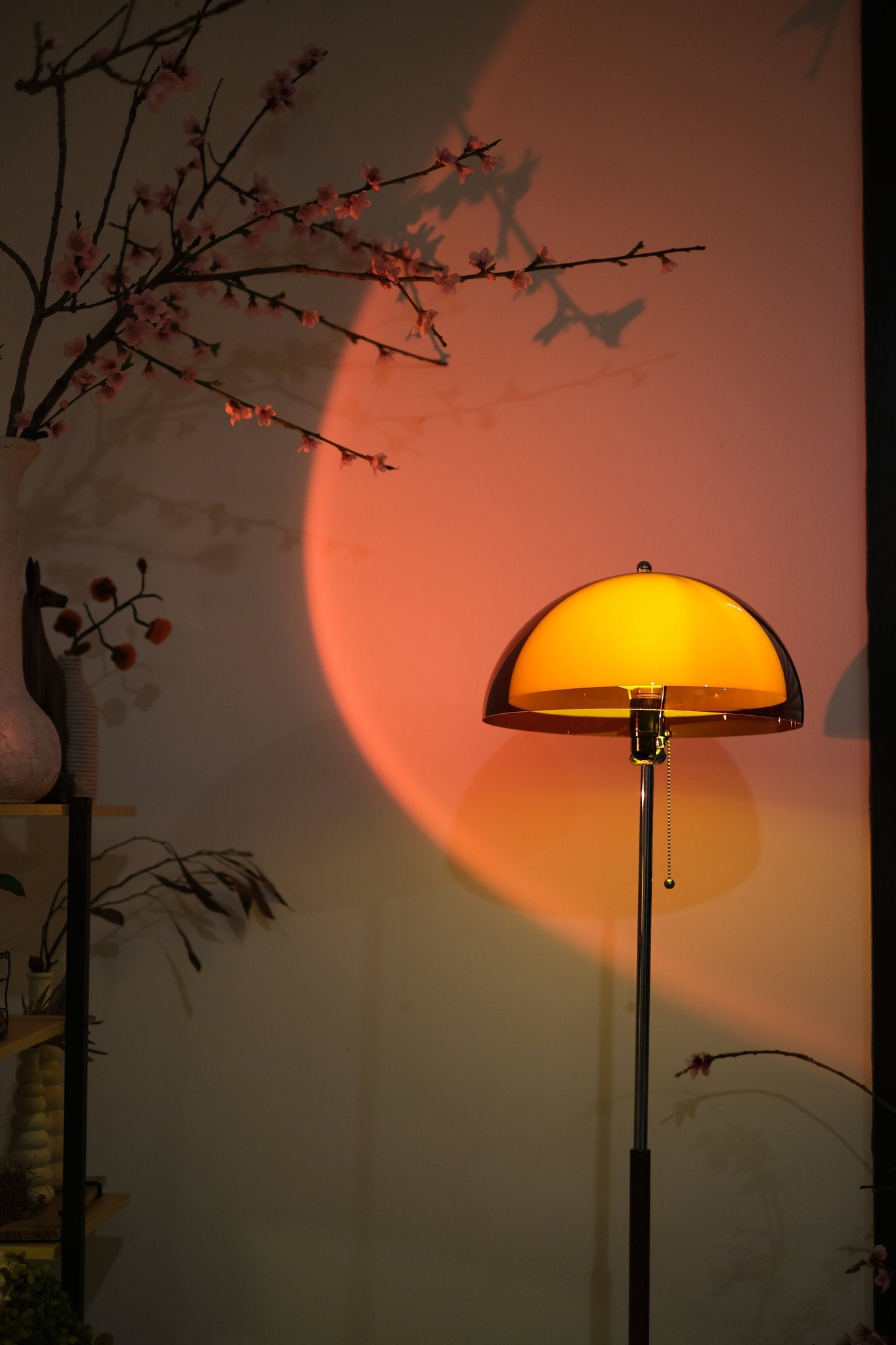
Peace is found in the contrast. The way a lamp throws a "scallop" of light against a textured wall, or the way a plant casts a leafy silhouette in the corner—that’s what makes a home feel alive and organic. When you plan your space lighting, don't try to fill every dark corner. Leave some mystery. It makes the lit areas feel more intentional and warm.
5. The Magic of Smart Lighting
We live in 2026; you shouldn't be walking around flicking six different switches to "set the mood." Smart space lighting is the ultimate tool for a peaceful life.
You can set "scenes."
-
"Good Morning" Scene: Lights slowly fade in at a warm 2000K, mimicking a sunrise.
-
"Wind Down" Scene: At 8:00 PM, all the overheads turn off, and your accent lamps dim to 20%.
When your house automatically adjusts to your biological needs, that’s one less thing for your brain to manage. That’s automated peace.
6. The Aesthetic of the Fixture
Lastly, remember that space lighting isn't just about the photons hitting the wall; it’s about the "sculpture" holding the bulb. A beautiful floor or table lamp is a piece of art even when it’s turned off.
Look for natural materials—rattan, linen, frosted glass, or brushed brass. These materials interact with light in a way that feels "human." Avoid cheap, shiny plastic that creates harsh glares. When the sun hits a crystal chandelier or a textured shade, it creates a "dance" of light that can be incredibly meditative to watch.
Conclusion: Light as a Love Letter to Yourself
At the end of the day, obsessing about space lighting isn't about being fancy; it’s about acknowledging that your environment affects your soul. Life is loud, fast, and often stressful. You deserve a home that gives you a "visual hug" the moment you walk through the door.
By layering your space lighting, choosing the right warmth, and embracing the beauty of shadows, you aren't just decorating—you are defining the boundaries of your personal peace.