
When most people first hear about smart light bulbs, they think it’s the peak of "first-world problems." Why on earth would anyone need an app to turn off a light when the switch is right there on the wall?
But here’s the thing: once you actually live with one, going back to a "dumb" bulb feels like going back to a flip phone. It’s not just about being lazy; it’s about making your home environment work for you.
In this guide, we’re going to dive deep into what a smart light bulb actually does, why the lamp with smart bulb combo is a game-changer, and how these little glass orbs can actually change your daily life.
1. The Basics: It’s Not Your Grandma’s Light Bulb

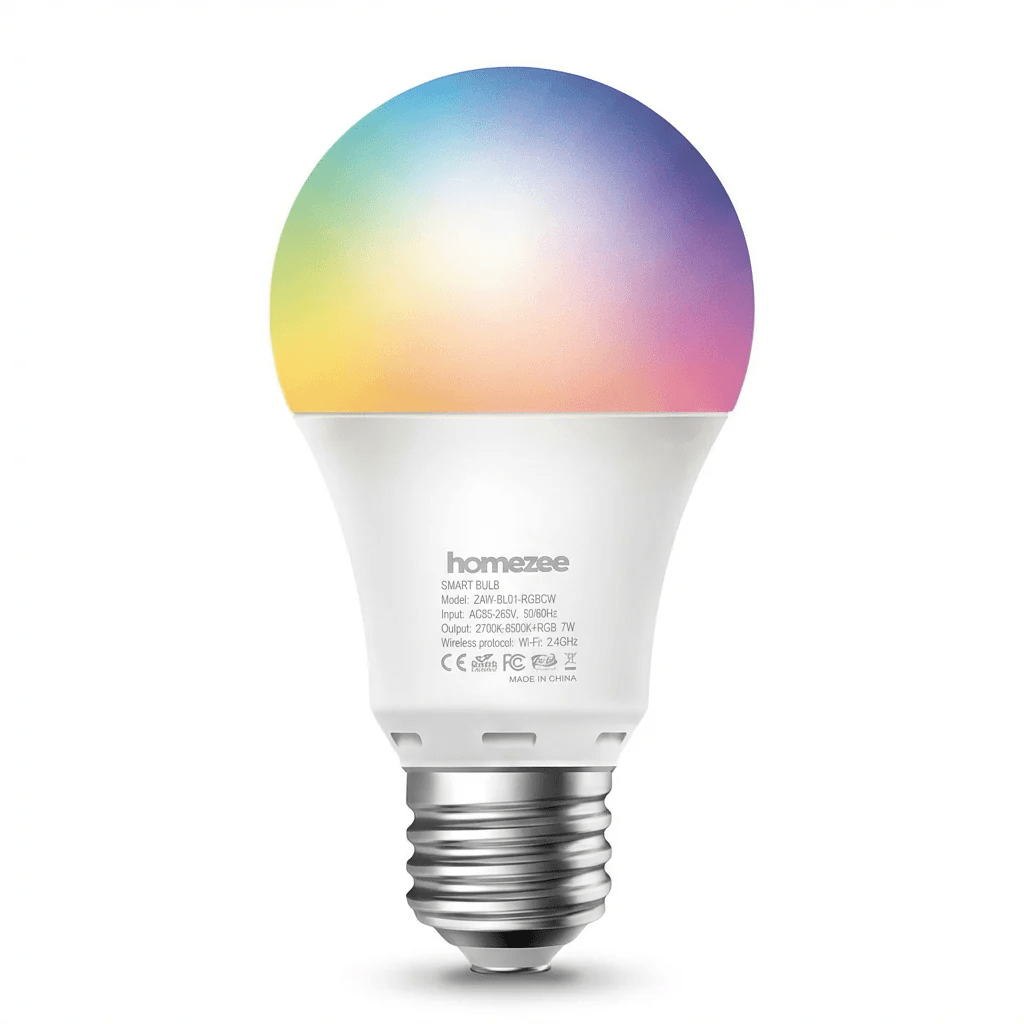
At its simplest, a smart light bulb is an LED bulb with a brain. Inside that plastic or glass casing is a tiny wireless receiver (Wi-Fi, Bluetooth, or Zigbee). This allows the bulb to talk to your phone, your smart speaker, or even other devices in your house.
Unlike a traditional bulb that only knows "On" and "Off," smart light bulbs are constantly connected. Even when the light is "off," the bulb is in a low-power standby mode, waiting for you to tell it what to do next.
2. Remote Control: The "Did I Leave the Lights On?" Savior

We’ve all been there. You’re halfway to work or already at the airport when that nagging feeling hits: Did I leave the kitchen light on? With a smart bulb, that anxiety disappears. You just open an app on your phone and check. If it’s on, one tap kills it. This isn't just about saving a few cents on your electric bill; it’s about total peace of mind. You can control your lights from a beach in Bali or from your office desk—as long as you have an internet connection, you’re in charge.
3. Voice Control: Living the Sci-Fi Dream
If you have an Amazon Alexa, Google Assistant, or Apple HomePod, you’re already halfway there. Pairing smart light bulbs with voice assistants is where the real fun starts.
Imagine walking into the house with both hands full of heavy groceries. Instead of fumbling for the switch in the dark, you just say, "Hey Google, I'm home," and the hallway and kitchen light up instantly. Or, when you’re mid-movie and the glare on the TV is annoying, you just whisper to your remote, "Alexa, dim the living room to 10%." It’s seamless, hands-free, and feels like living in the future.
4. Why the "Lamp with Smart Bulb" Setup is a Pro Move

One of the biggest misconceptions is that you need to replace your entire ceiling fixture or hire an electrician to get smart lighting. Nope.
The easiest way to start is by taking any existing lamp with smart bulb technology.
-
The Bedroom Lamp: Put a smart bulb in your bedside lamp. You can set it to gradually dim over 30 minutes at night to tell your brain it’s time to sleep.
-
The Desk Lamp: Use a bulb that can switch between "Concentration" (cool blue light) and "Relax" (warm yellow light).
-
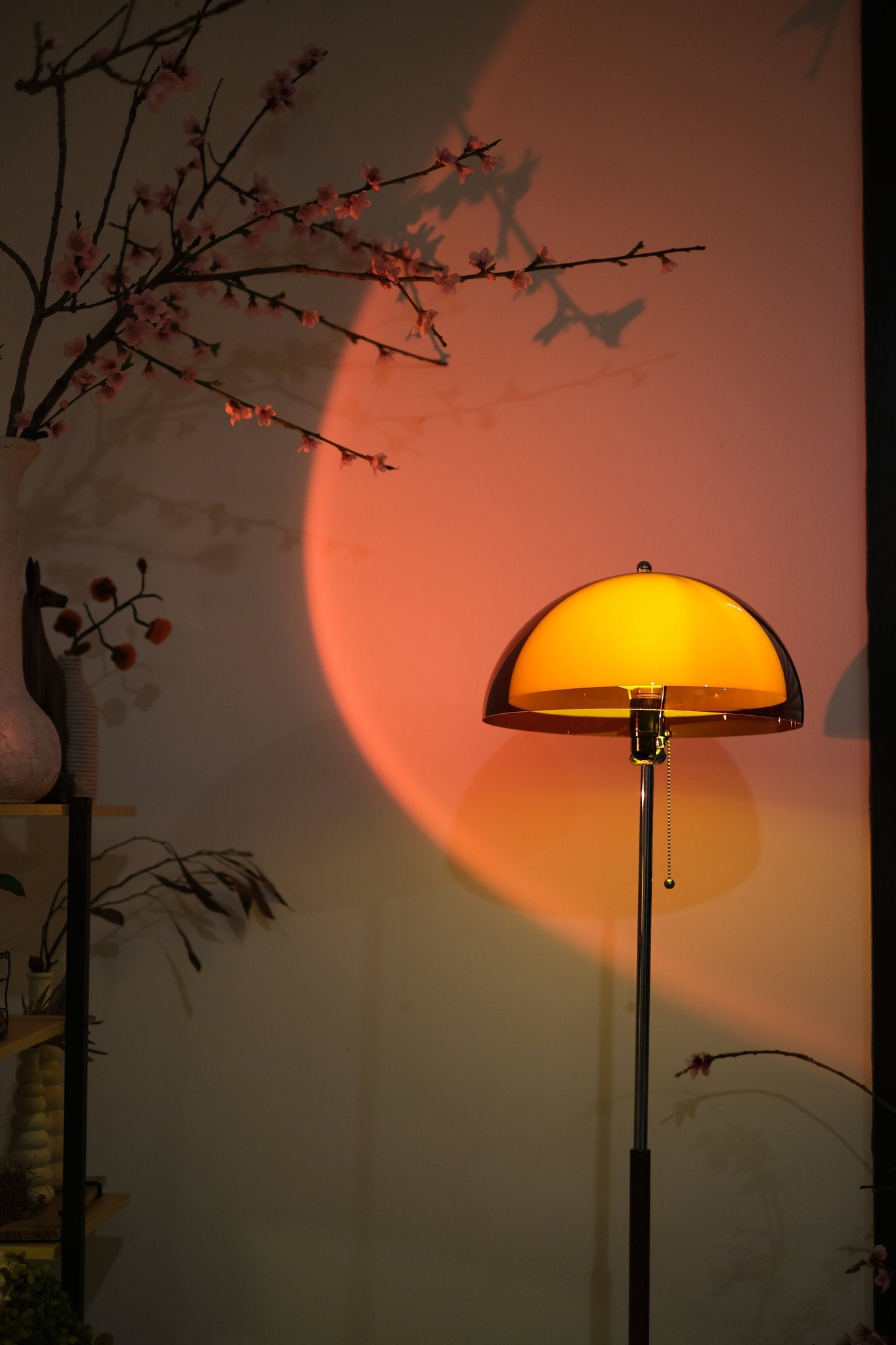
The Floor Lamp: Turn that corner lamp into a piece of art by setting it to a deep sunset orange or a soft forest green.
The beauty of the lamp with smart bulb approach is that it’s portable. If you move apartments, you just unscrew the bulb and take the "smarts" with you. It’s the ultimate DIY home upgrade.
5. Millions of Colors and the Power of "Scenes"
Standard bulbs give you one color: a yellowish-white. Smart bulbs give you the whole rainbow—literally 16 million colors. But it’s not just for throwing parties. It’s about "Scenes."
A "Scene" is a preset look for your room. For example:
-
Movie Scene: The main lights turn off, and the lamp behind the TV glows a dim navy blue.
-
Reading Scene: Your favorite lamp turns to a bright, crisp white at 80% brightness.
-
Dinner Scene: All the lights in the dining area dim to a warm, candle-like glow.
With one tap on your phone, you can completely change the vibe of your home. It’s like being a movie director for your own living room.
6. Health and Wellness: Hacking Your Circadian Rhythm
This is the "nerdy" side of what smart light bulbs do, but it’s actually the most beneficial. Our bodies are tuned to the sun. Bright blue light in the morning wakes us up; warm amber light in the evening helps us produce melatonin.
Most smart bulbs have a "Circadian" or "Auto-Match" feature.
-
Morning: The lights start off dim and warm, then slowly shift to a bright, energizing daylight white by 10:00 AM.
-
Evening: As the sun sets, the bulbs automatically lose the blue tones and shift back to warm amber.
This can seriously improve your sleep quality and focus. If you’ve ever struggled to fall asleep after staring at bright white lights all night, this feature alone is worth the investment.
7. Security: Making the House Look "Lived In"
Old-school timers are predictable. Burglars know that if the porch light turns on at exactly 7:00 PM every night, it’s probably a timer.
Many smart light bulbs have an "Away Mode" or "Vacation Mode." This feature turns the lights on and off at random intervals throughout the evening. To anyone watching from the outside, it looks like someone is actually moving from the kitchen to the living room and then to the bedroom. It’s a cheap and effective way to boost your home security.
8. Energy Efficiency and Your Wallet
Yes, smart bulbs cost more upfront (anywhere from $10 to $50 per bulb). However, they are all LEDs. An LED bulb uses about 75% to 80% less energy than a traditional incandescent bulb.
Plus, because you can dim them via an app (dimming a bulb uses even less power) and you can set them to turn off automatically when you leave the house, the energy savings add up over time. Most smart bulbs are rated to last 15 to 25 years with normal use, so you won't be replacing them anytime soon.
Do You Really Need One?

If you just want to see in the dark, a $1 bulb from the hardware store works fine. But if you want a home that wakes you up gently, keeps you safe while you’re on vacation, and sets the perfect mood for a date night with a single voice command, then smart light bulbs are a no-brainer.
Start small. Buy one lamp with smart bulb for your bedroom or living room. Play with the colors, set a schedule, and see how it feels. Chances are, within a week, you'll be wondering how you ever lived without them.