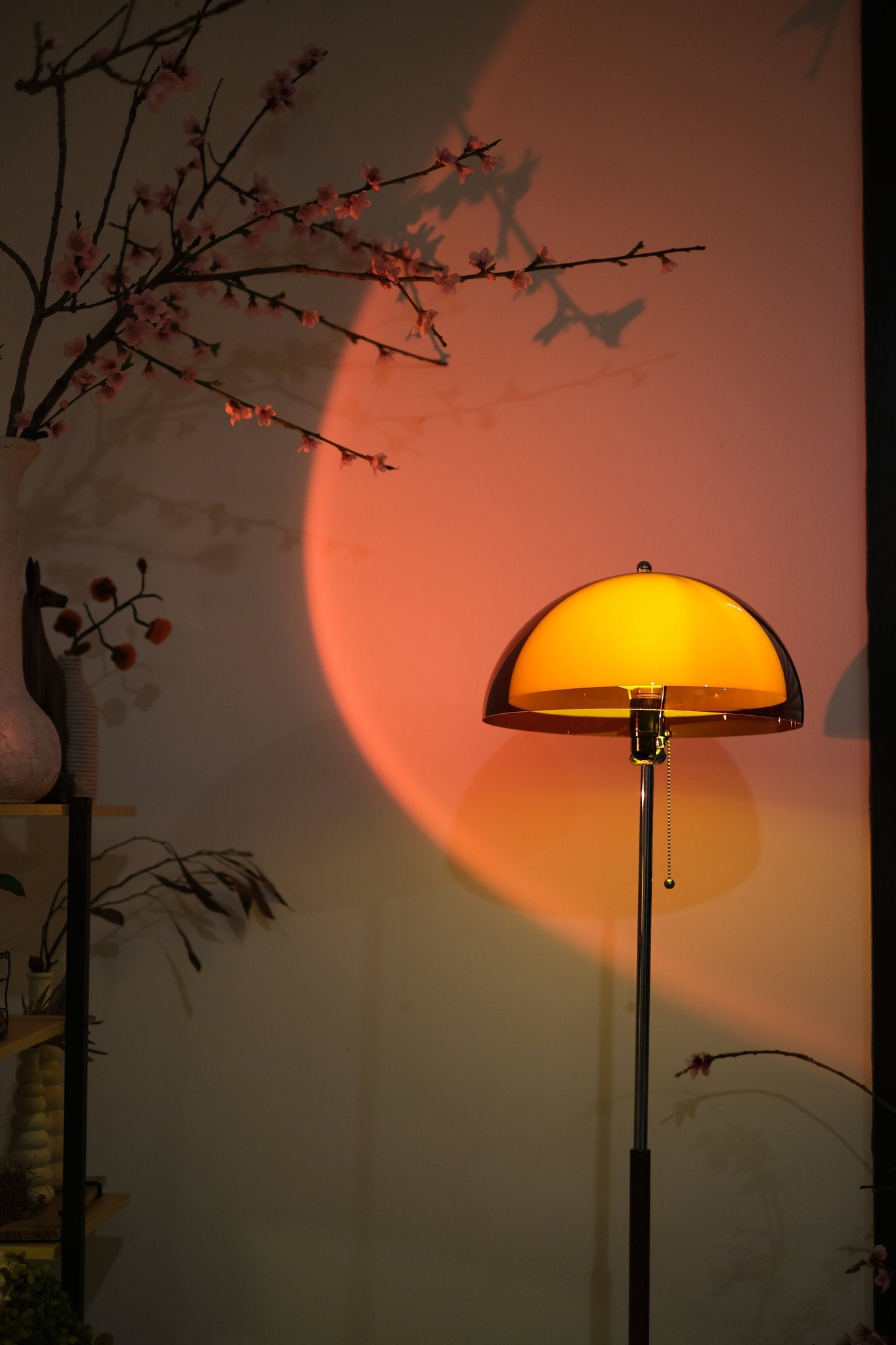

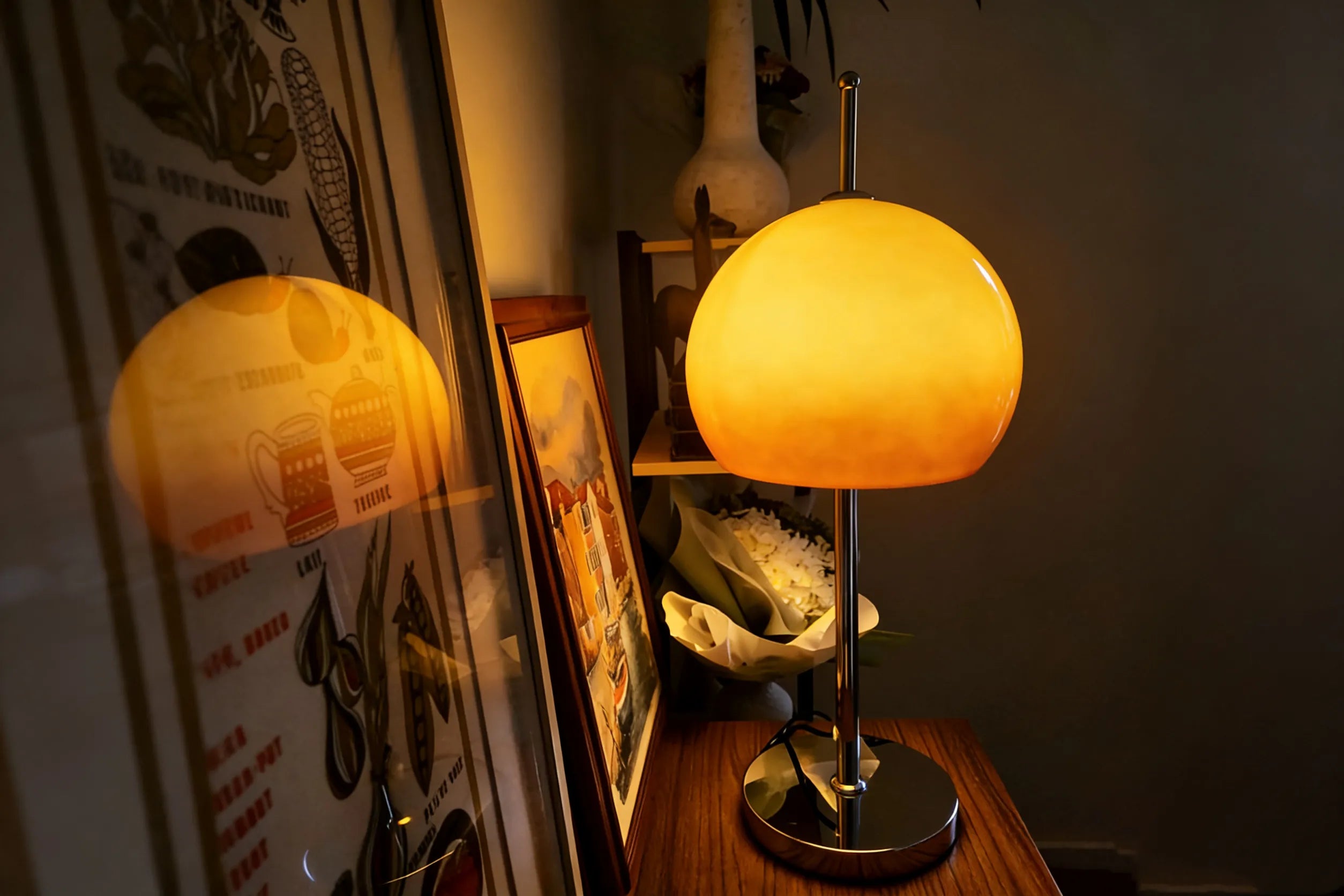
You know that feeling when you walk into a room and instantly exhale? The shoulders drop. The jaw unclenches. The noise in your head—work stress, that awkward thing you said three years ago, the never-ending to-do list—just sort of… fades.
Chances are, that room had good soft lighting.
There's actual science behind why certain light makes us feel safe, calm, and ready to reset. And in 2026, as Australians continue turning their homes into sanctuaries, understanding that science matters more than ever.
Let's get into it.
Your Brain on Harsh Light
First, let's talk about what happens when the light is wrong.
You know those fluorescent tubes in shopping centres? The ones that make everyone look slightly ill and vaguely stressed? That's not just your imagination.
Harsh, cool-toned light (think 5000K and above) tricks your brain into thinking it's midday all the time. It suppresses melatonin—the hormone that helps you sleep—and keeps cortisol (the stress hormone) humming along. Great if you're doing surgery or factory work. Terrible if you're trying to decompress after a long day.
In evolutionary terms, bright blue-toned light meant one thing: the sun was up and you needed to be alert to survive. Your brain hasn't updated that software. So when you flip on those harsh downlights after work, your body goes "okay, we're still in danger mode" instead of "ah, we're home, we're safe."
This is why more Australians in 2026 are ditching cool white for warm, soft light the moment the sun goes down.
What Soft Light Actually Does to Your Brain
Here's where it gets interesting.
Soft light—warm, diffused, gentle on the eyes—does the opposite of harsh light. It signals to your brain that the day is ending, that it's time to wind down, that you're in a safe space.

This happens through a few mechanisms.
Melatonin Production
When your eyes register warm, dim light (especially in the 2700K range), your pineal gland gets the memo: start making melatonin. This is the hormone that helps you fall asleep and stay asleep. It's also the hormone that makes you feel drowsy in a good way—that cozy, heavy-eyed feeling right before bed.
Cortisol Reduction
At the same time, soft lighting helps lower cortisol. Less stress hormone means less muscle tension, less mental racing, less of that "I should be doing something" anxiety. You can actually sit still. You can actually be present.
Parasympathetic Nervous System Activation
This is the fancy term for "rest and digest" mode. It's the opposite of "fight or flight." Soft light helps nudge your nervous system into this state, which lowers heart rate, improves digestion, and tells your whole body that it's okay to relax.
So when people say a room feels healing, they're not being dramatic. Their nervous systems are literally responding to the light.
The 2026 Shift: Lighting as Self-Care
This science is why soft lighting has become such a focus in Australian homes this year.
It's not just about aesthetics anymore—though that's part of it. It's about how you want to feel at the end of the day. People are designing their lighting around their nervous systems, not just their Instagram feeds.
In living rooms, that means swapping bright downlights for dimmable soft light lamps and floor lamps with fabric shades. In bedrooms, it means bedside lighting that glows rather than blares. In bathrooms, it means warm sconces instead of harsh vanity bars.
The goal isn't just to see. The goal is to feel.
For more on how Australians are approaching this, our guide on 2026 lighting trends covers the bigger picture.
 What Makes Light Feel "Soft"?
Not all warm light is created equal. Here's what actually creates that cozy, brain-healing quality.
Colour Temperature
Aim for 2700K to 3000K. This is the warm end of the spectrum—think candlelight, sunset, old-fashioned incandescent bulbs. Anything above 3500K starts feeling clinical.
Diffusion
A bare bulb is never soft. The light needs something to pass through. Fabric shades, paper lanterns, frosted glass, linen—these materials scatter light rays so they hit your eyes gently instead of directly.
Placement
Soft light often comes from the edges of a room, not the centre. Floor lamps in corners, table lamps on sideboards, wall sconces at eye level. When light bounces off walls and ceilings before reaching you, it feels completely different from a single source blasting down from above.
Dimmability
This is non-negotiable in 2026. The ability to turn your light down from "reading brightness" to "mood glow" gives you control over your environment—and your nervous system.
Browse our collection of soft light lamps to see how different designs achieve this quality.

Where Soft Light Matters Most
Some spaces benefit more from soft lighting than others. Here's where to prioritise it.
The Bedroom
This should be your softest room. Your brain needs to associate this space with rest. Harsh light here confuses your circadian rhythm and makes sleep harder. Bedside lamps with fabric shades, dimmable wall sconces, and warm-toned bulbs are non-negotiable. Our guide on how to choose bedside table lamps can help.
The Living Room
This is where you decompress after work, where you spend evenings, where you host relaxed gatherings. Soft light here sets the tone for connection and rest. Think floor lamps in corners, a soft light lamp on a side table, maybe a dimmable arc lamp over the sofa.
The Bathroom
Morning is one thing—you need brightness to wake up. But evening baths and wind-down routines call for soft, warm light. Consider a dimmer switch or a separate warm fixture for night use.
The Dining Room
Harsh overhead light ruins dinner parties. It creates glare, harsh shadows, and that weird "interrogation" vibe. Soft, warm light at eye level—candles, dimmed pendants, wall sconces—makes everyone look better and feel more comfortable.
For more room-by-room ideas, our guide on layered lighting walks through how to build these zones.
The Right Lamps for Soft Light
Not every lamp delivers the same quality of light. Here's what to look for when you're shopping.
Fabric Shades
Linen, cotton, or silk shades diffuse light beautifully. They soften the edges, warm the colour, and create that gentle glow that feels so good.
Opaque or Frosted Globes
If you prefer a more modern look, look for lamps with frosted glass or opal acrylic shades. These scatter light evenly without harsh spots.
Indirect Light
Lamps that direct light upward (torchiere style) or bounce it off walls create the softest effect because the light reaches you after reflecting off surfaces.
Dimmable Bulbs
Even the perfect lamp needs the right bulb. Look for LED bulbs labelled "warm dim" or "dimmable warm glow"—these get warmer as they dim, mimicking the way old incandescents used to behave.
Explore our range of floor lamps for living room to find options that prioritise soft, diffused light.
Building Your Soft Light Sanctuary
Here's a simple recipe for creating a brain-healing lighting setup at home.
Start with your ceiling lights on a dimmer.
This gives you control. Bright when you need it, soft when you don't.
Add floor lamps in corners.
Two or three, depending on room size. Choose soft light lamps with fabric shades and warm bulbs.
Place table lamps at eye level.
On side tables, consoles, shelves. These create little pools of light that feel intimate and personal.
Use warm bulbs everywhere.
2700K as a baseline. 2200K (candlelight) for extra-cozy moments.
Layer, don't rely on one source.
The magic happens when multiple soft sources work together.
When you walk into that room at the end of a long day, your brain will thank you. Your nervous system will exhale. You'll actually feel like you're home.
Soft Light at a Glance
So here's where we land.
Soft lighting isn't just a design preference—it's a biological need. Your brain evolved to associate warm, gentle light with safety, rest, and connection. Harsh light does the opposite.
In 2026, Australians are designing their homes around how they want to feel, not just how they want things to look. And that starts with the quality of light.
Choose warm smart bulbs. Pick lamps that diffuse. Add dimmers everywhere. Layer your sources. Create a space that actually heals after a long day.
Ready to bring more soft light into your home? Explore our full collection of all lamps, from table lamps to floor lamps and everything in between. And if you're still planning your lighting journey, our guide on how to pick the right lampshade might help you refine your vision—because sometimes the softness is all in the shade.