
After a long day of work, endless emails, social media scrolling, and streaming your favourite shows, your eyes and brain rarely get a proper break. For many Australians, screens dominate almost every waking hour. Whether you're working from home in Sydney, studying in Melbourne, or relaxing in Brisbane, it's becoming harder to switch off.
That's where the idea of a Screen-Free Hour comes in.
A screen-free hour is exactly what it sounds like: setting aside 60 minutes before bed to disconnect from phones, tablets, laptops, and TVs. It's a simple habit that can help reduce mental fatigue, improve sleep quality, and create a calmer evening routine.
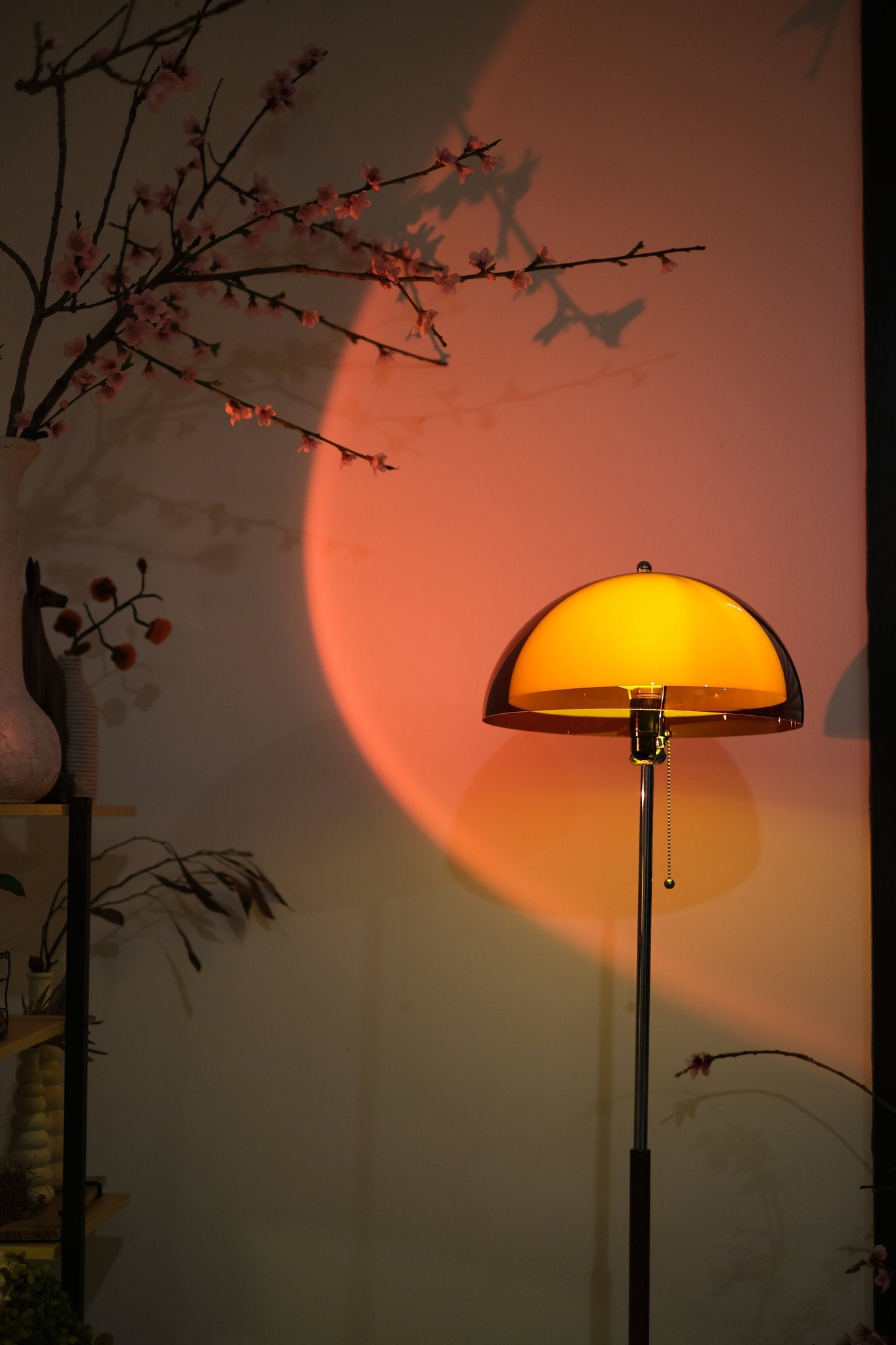
One of the easiest ways to make this habit stick is by using the right lighting. The lamps you choose can play a surprisingly important role in helping your body and mind transition from a busy day into a restful night.
Why Lighting Matters More Than You Think

Most modern screens emit blue light, which can interfere with your body's natural production of melatonin, the hormone responsible for regulating sleep. Bright overhead lights can have a similar effect, making your brain think it's still daytime.
Soft, warm lighting creates a completely different atmosphere. It signals to your body that it's time to slow down, relax, and prepare for rest.
Think about how you feel sitting under harsh office lighting compared to relaxing beside a warm bedside lamp. The difference is immediate.
The goal isn't simply to make your room look cosy—it's to create an environment that encourages genuine relaxation.
What Makes a Lamp Good for Relaxation?

Not every lamp is designed with winding down in mind. If you're creating a screen-free evening routine, here are a few features worth looking for:
Warm Colour Temperature
Choose lamps that produce warm white light, typically between 2200K and 3000K. These softer tones feel more natural in the evening and are gentler on your eyes.
Dimmable Settings
A dimmable lamp gives you control over brightness levels throughout the evening. You might start with brighter light while reading and gradually lower it as bedtime approaches.
Soft Diffused Light
Lamps with fabric shades, frosted glass, or indirect lighting help reduce glare and create a calmer atmosphere.
Minimal Flicker
High-quality LED lamps with low flicker technology can reduce eye strain, especially if you're reading or journaling during your screen-free hour.
Best Types of Lamps for a Screen-Free Hour
Bedside Lamps

A warm bedside lamp is often the easiest place to start. It's perfect for reading a physical book, writing in a journal, or simply relaxing before sleep.
Look for adjustable brightness levels and warm-toned bulbs to create a comfortable evening environment.
Floor Lamps for Reading Corners

Many Australians are creating dedicated relaxation spaces at home. A floor lamp beside a comfortable chair can transform an unused corner into a peaceful reading nook.
Pair it with a good book, a cup of herbal tea, and your phone placed in another room.
Salt Lamps
Salt lamps remain popular because they provide a soft amber glow that feels incredibly calming. While some claims about their health benefits are debated, many people simply enjoy the warm ambience they create.
Smart Lamps with Evening Modes

Smart lighting technology isn't just for convenience. Many modern lamps allow you to automatically shift from cooler daylight tones to warmer evening light as the day progresses.
This can help support a healthier sleep routine without requiring much effort.
Table Lamps for Living Spaces

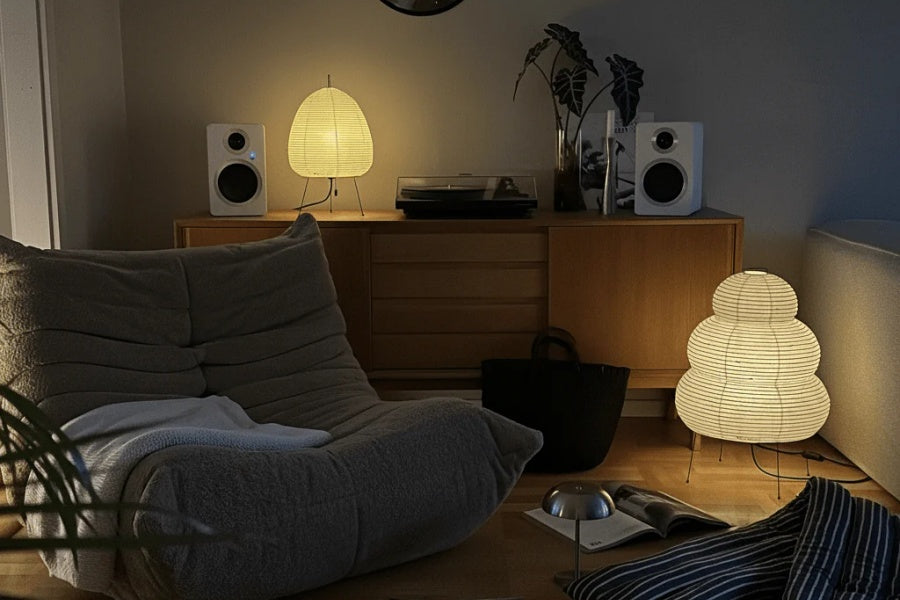
If your screen-free hour happens in the living room rather than the bedroom, table lamps can create layers of warm lighting that feel much more inviting than a bright ceiling fixture.
The result is a space that naturally encourages conversation, reading, hobbies, or quiet reflection.
Screen-Free Activities to Pair with Relaxing Lighting
Once you've turned off your devices, what should you actually do?
The good news is there are plenty of relaxing alternatives:
-
Read a novel or magazine
-
Journal about your day
-
Practise mindfulness or meditation
-
Listen to music or podcasts
-
Work on a puzzle
-
Knit, draw, or enjoy creative hobbies
-
Have a conversation with family members
-
Plan tomorrow's tasks
-
Enjoy a cup of tea
-
Stretch or do light yoga
The right lamp creates a comfortable environment for all of these activities.
Creating a Relaxing Evening Routine
You don't need to overhaul your entire lifestyle overnight.
Start small.
Try switching off screens one hour before bed three nights a week. Turn on a warm lamp, grab a book, and allow yourself to slow down.
Many people notice benefits surprisingly quickly, including:
-
Falling asleep faster
-
Less evening stress
-
Reduced eye strain
-
Better sleep quality
-
Improved focus the next day
Over time, the screen-free hour can become something you genuinely look forward to.
Choosing the Right Lamp for Australian Homes
Australian homes vary widely, from modern apartments and coastal properties to traditional family homes. Fortunately, the principles remain the same.
Look for lamps that provide:
-
Warm white lighting
-
Adjustable brightness
-
Energy-efficient LED technology
-
Quality construction
-
A style that complements your home décor
Whether you prefer a minimalist Scandinavian look, coastal-inspired interiors, or a more classic design, there are plenty of options available ffrom Homezee lighting collection to help create a relaxing evening atmosphere.
Final Thoughts
In a world where we're constantly connected, taking just one hour away from screens can make a meaningful difference. While no lamp can magically remove stress, the right lighting can help create the conditions for relaxation, better sleep, and healthier evening habits.
A warm, inviting lamp does more than illuminate a room—it helps signal that the day is winding down.
So tonight, consider turning off the screens, switching on a soft lamp, and giving yourself the gift of a calmer evening.
FAQ
1. Can lighting really affect sleep quality?
Yes. Bright and blue-toned light can suppress melatonin production, while warm lighting helps support your body's natural sleep cycle.
2. Are LED lamps suitable for a screen-free hour?
Absolutely. Warm-coloured, dimmable LED lamps are energy-efficient and excellent for creating a relaxing environment.
3. Should I avoid overhead lighting at night?
If possible, yes. Soft lamps and layered lighting often create a more relaxing atmosphere than bright overhead lights.
4. What activities can replace screen time before bed?
Reading, journaling, meditation, stretching, listening to music, puzzles, and creative hobbies are all great alternatives.
5. How long before bed should I stop using screens?
Many sleep experts recommend avoiding screens for at least one hour before bedtime.