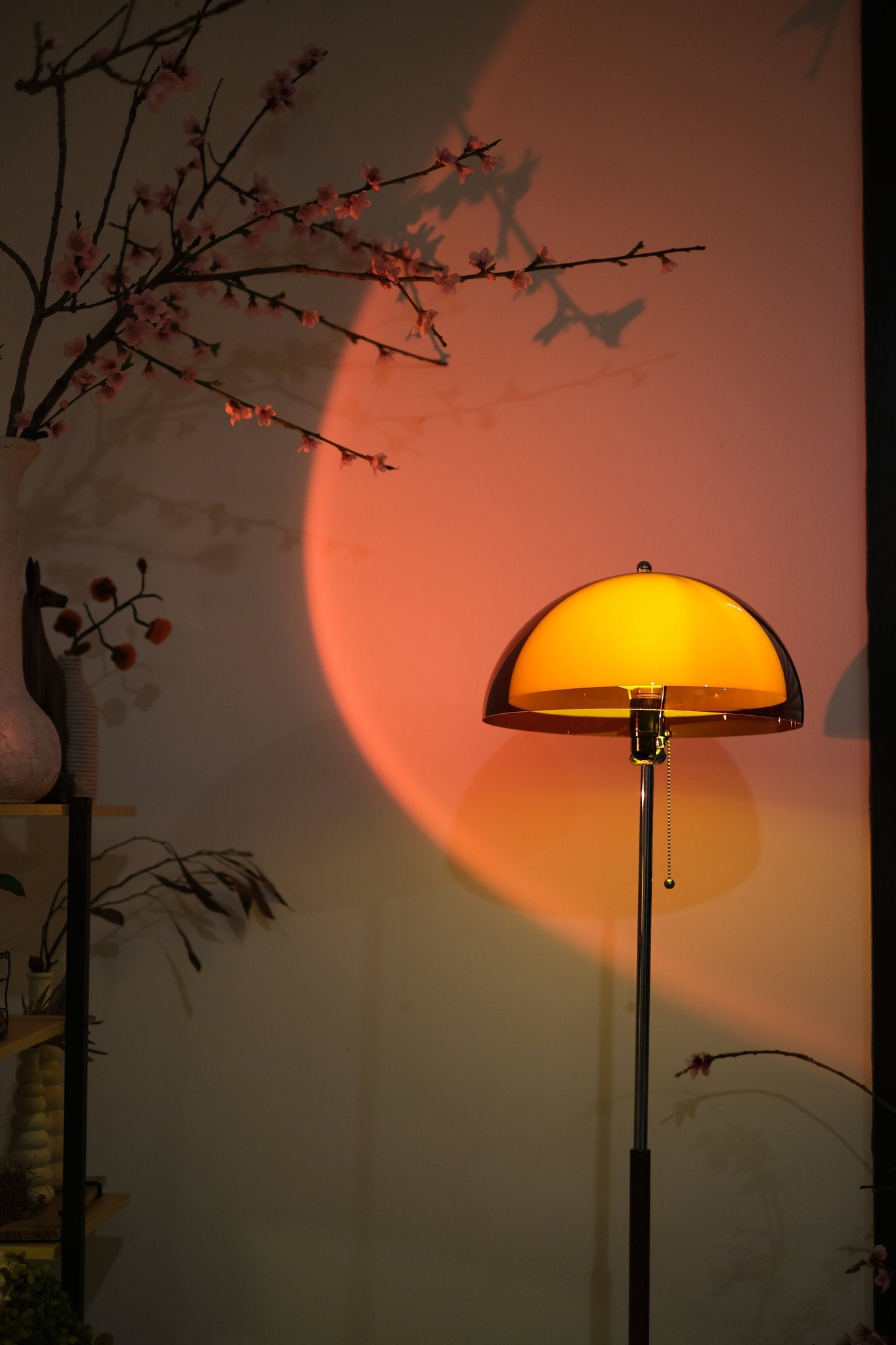

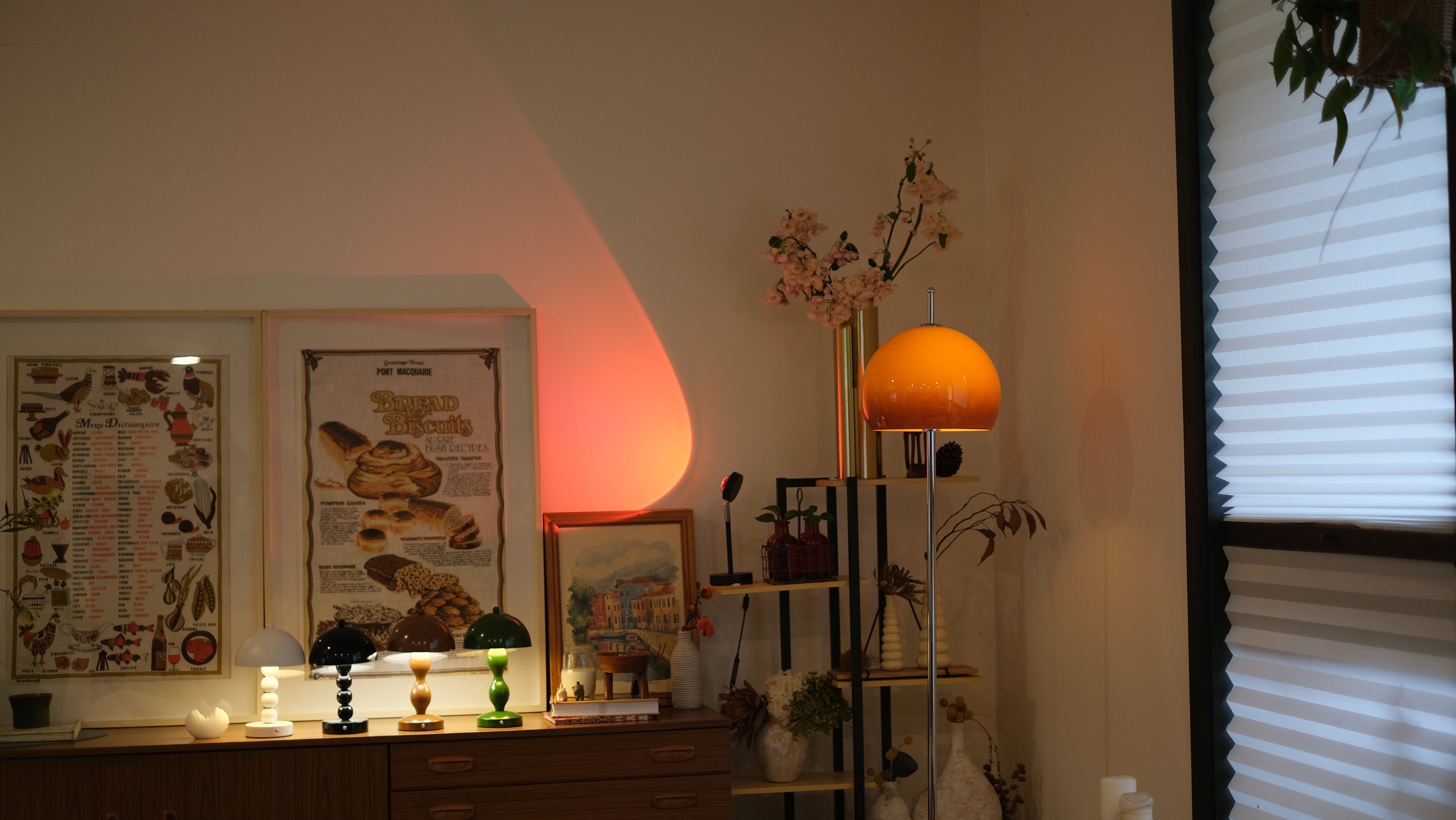
Ever noticed how in Hollywood movies, even a "broke" character living in a tiny apartment seems to have seven or eight table lamps scattered around? You’d think they’d be worried about the electricity bill, but there’s a reason for the madness. In the film industry, table lamps aren't just furniture—they are a professional "cheat code" for cinematic light.

If you want to upgrade your home lighting from "basic apartment" to "cinematic masterpiece," you need to stop thinking about brightness and start thinking about layers. Let’s dive into why Hollywood is obsessed with lamps and how you can use their tricks to fix your own space.
1. The Cultural Divide: Why We Love "The Big Light"

In many households, the default is "The Big Light"—that one massive, blinding ceiling fixture that tries to illuminate everything at once. Culturally, we’ve been trained to think that "more light = better."
But in Western interior design and global cinema, the vibe is the complete opposite. They embrace the "no main light" philosophy. Why? Because a single source of light from above flattens everything. It hides textures, creates ugly shadows under your eyes, and makes your home look like a convenience store. To get true cinematic light, you have to kill the overhead glare and embrace the Hollywood "cheat" of multiple small sources.
2. The "Lamp Cheat": Why Hollywood Uses 7+ Lamps

Look closely at your favorite movie scenes. Why does that "poor" character have so many lamps? Because lamps are practicals.
In cinematography, a "practical" is a light source that is actually visible in the shot. DPs love them because:
-
They create depth: Every lamp creates a "pool" of light. By having several lamps at different distances, the camera sees a 3D space instead of a flat wall.
-
They hide the equipment: If a scene is too dark, a gaffer can just put a high-powered bulb in a table lamp. It looks natural to the audience, but it’s actually doing the heavy lifting for the camera.
For your home lighting, this is the ultimate hack. Instead of one $500 ceiling fixture, buy five $40 table lamps. Scatter them at different heights—on bookshelves, side tables, and mantels. Suddenly, your room has "pockets" of interest and a high-end feel.
3. The Three-Point Lighting Setup
You don’t need a film degree to master home lighting, but you should steal the "Three-Point" logic used on sets. It’s all about direction:
1. The Key Light: This is your strongest lamp. It’s where you do your living—like the lamp next to your sofa where you read.

2. The Fill Light: Place a smaller, dimmer lamp on the opposite side of the room. It softens the shadows created by the Key Light so your living room doesn't look like a horror movie.

3. The Backlight (The "Halo" Effect): This is the pro move. Put a small light behind a plant, a chair, or your TV. This creates a rim of light that makes your furniture "pop" against the wall. That separation is exactly how cinematic light creates that expensive, airy look.

4. The Science of the "Vibe": Color and Kelvins

If your home lighting feels "off," it’s probably the color temperature. Filmmakers are obsessed with Kelvins ($K$).
-
2700K - 3000K (Warm White): This is the Hollywood "Golden Hour" look. It’s cozy, intimate, and makes skin tones look healthy.
-
5000K+ (Daylight): This is for hospitals. Unless you're performing surgery in your living room, stay away from these.
To recreate cinematic light, stick to warm bulbs. If you want to be extra, get smart bulbs that let you adjust the "warmth" depending on the time of day. Morning? A bit crisper. Evening? Set it to a deep, sunset amber.
5. Layering: The Secret to Professional Home Lighting
Think of your room like a painting. You don't just throw one bucket of blue paint on a canvas and call it a day. You layer it.
-
Layer 1: Ambient. The soft, general glow (use dimmable floor lamps).
-
Layer 2: Task. Light for a purpose (a desk lamp or kitchen under-cabinet lights).
-
Layer 3: Accent. This is "eye candy." A spotlight on a painting or a small lamp tucked into a bookshelf.
When you have all three layers working together, you aren't just "lighting a room"—you’re directing a scene. This is how you achieve cinematic light that feels curated and intentional.
6. Contrast is the Goal, Not the Enemy

The biggest mistake people make with home lighting is trying to eliminate all shadows. Shadows are your best friend!
In cinema, the most beautiful shots are the ones where you can't see everything. Shadows create mystery, coziness, and drama. By using multiple lamps (that Hollywood "cheat") instead of one overhead light, you allow shadows to exist in the corners. This contrast is what makes a space feel high-end and "architectural."
7. The Final Touch: Dimmers and Practicals
If you can't dim your lights, you can't control the mood. Every professional home lighting setup should include dimmers.
Being able to dial down your five or six lamps to 30% brightness when you’re watching a movie transforms your house. It signals to your brain that the "real world" has faded away and the "cinematic world" has begun.
Conclusion: You’re the Director of Your Space
At the end of the day, recreating cinematic light isn't about buying the most expensive fixtures. It’s about stealing the Hollywood "cheat code": use more lamps, use warmer bulbs, and don't be afraid of the dark.
Stop using "The Big Light." Go buy those seven or eight lamps, scatter them around, and watch your home transform from a boring living space into a masterpiece of home lighting.