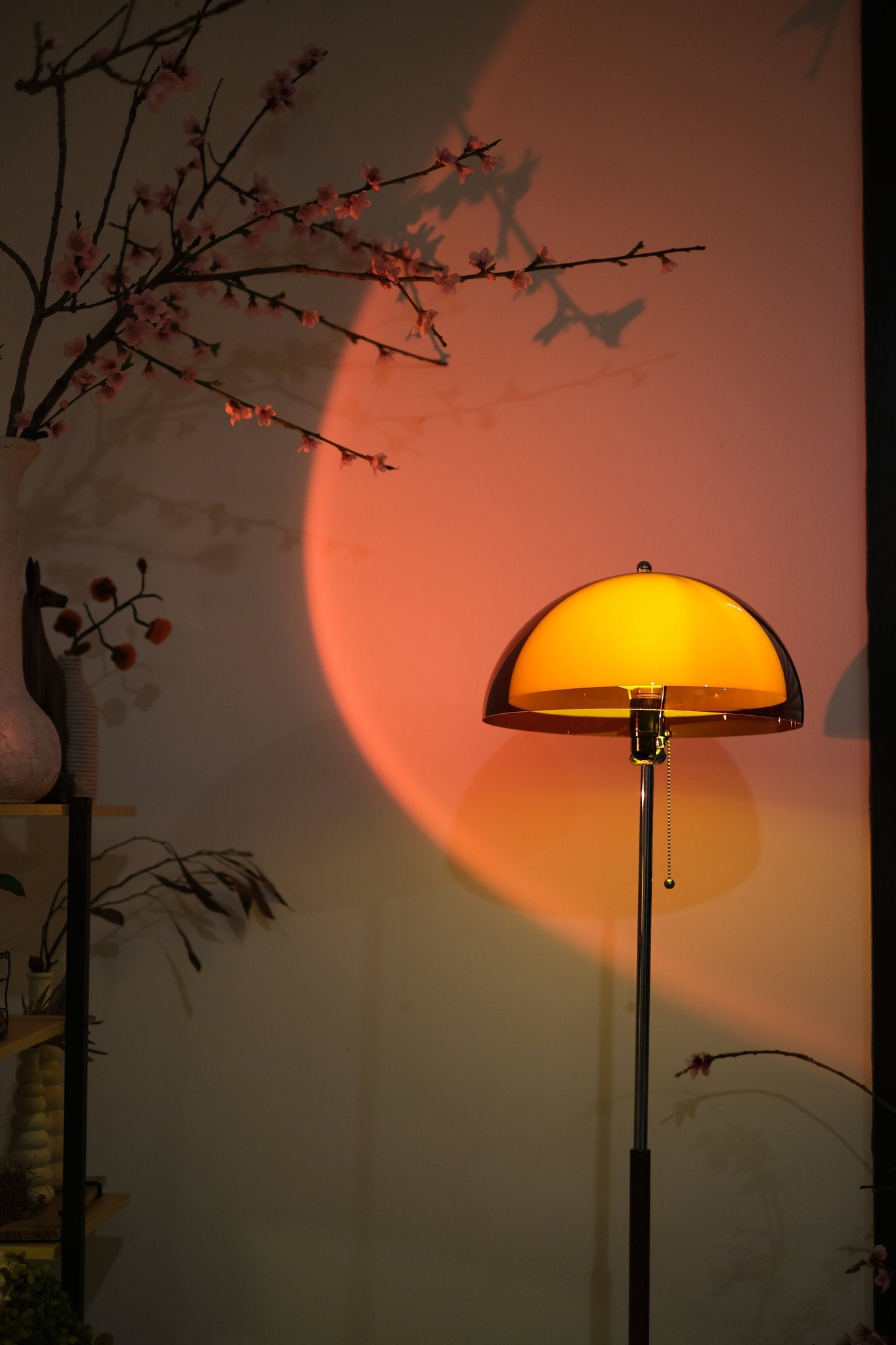

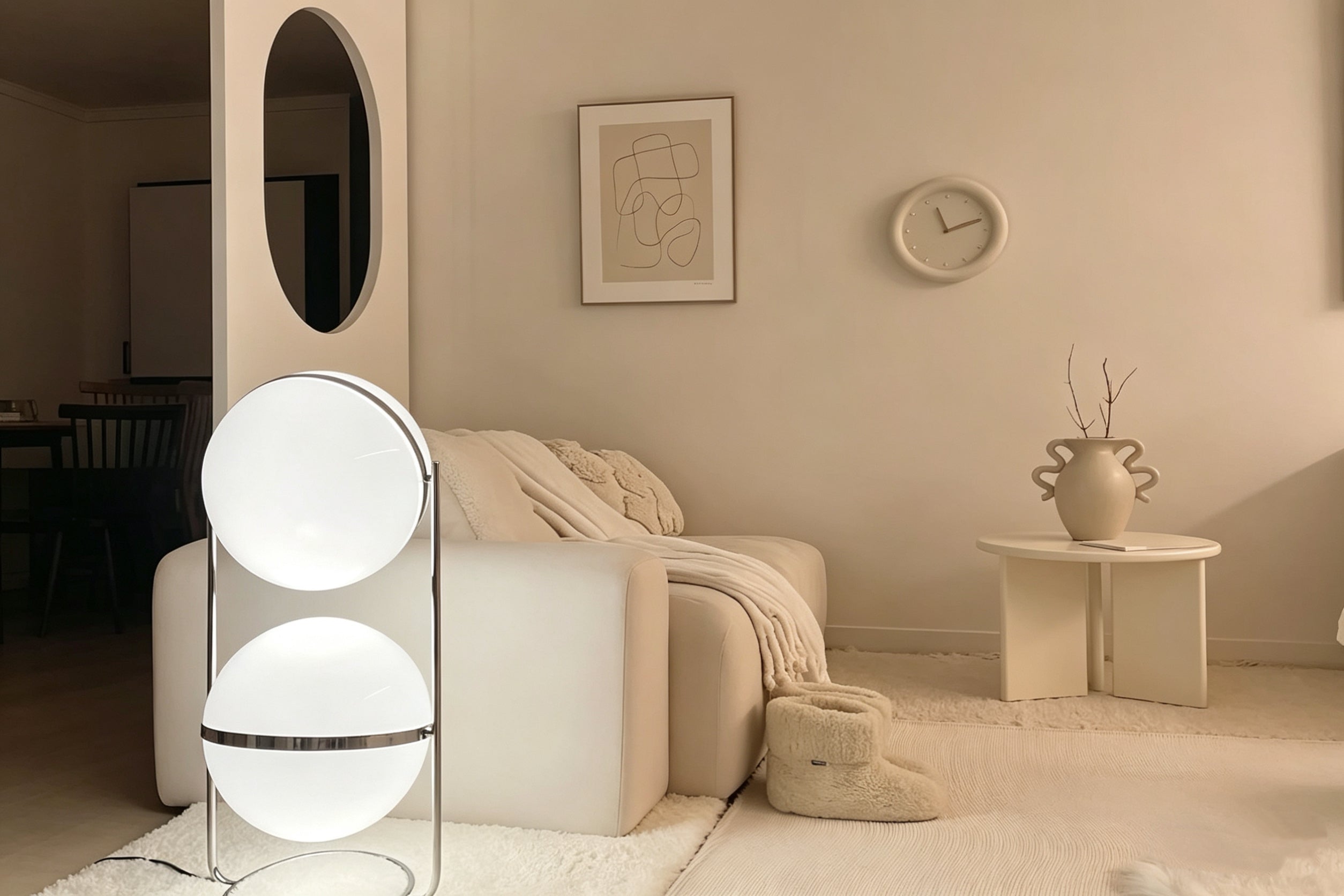
Let’s be honest. Winter in Australia hits differently.
One day you're complaining about the heat, and the next you're digging through the cupboard for that hoodie you swore you wouldn't need until July. The sun sets before you've finished dinner. The mornings are dark and cold, and getting out of bed feels like a personal challenge.
This is when good indoor lighting stops being a nice-to-have and becomes essential. It’s not just about seeing anymore. It’s about feeling. It’s about walking into a room that wraps around you like a warm blanket, not one that feels like a waiting room.
The good news? You don’t need a renovation or a second mortgage to make it happen. A few smart choices with your winter lights, and your home can feel like a sanctuary all season long.
Let’s get into it.
Why Winter Changes Everything for Your Lighting
Here’s something we don’t think about enough.
In summer, natural light does most of the work. You wake up to sunshine, you live with curtains open, and you barely notice your artificial lighting until well after dinner.
Winter flips that completely. You’re waking up in the dark. You’re coming home in the dark. And the hours in between? Often grey, overcast, and lacking that golden glow that makes everything feel okay.
Suddenly, every lamp in your house matters. And if your lighting is all bright, cool, and overhead-focused, winter can feel harsh and exhausting rather than cozy and restorative.
The shift you need? More sources. Warmer temperatures. Layers that you can control. In short, you need indoor lighting designed for how winter actually feels—not how summer used to.
For a broader look at how lighting affects your mood, our guide on the science of cozy explains why warm light heals your brain.

The Number One Rule for Winter Lighting: Warmth
If you only remember one thing from this article, remember this.
Cool light is the enemy of winter.
Anything above 4000K will make your home feel clinical, cold, and deeply uninviting when the weather is miserable outside. It tricks your brain into thinking it’s still midday—alert, active, not ready to rest. That’s fine for an office. It’s terrible for a living room in July.
What you want is warm light. 2700K to 3000K as your baseline. Even warmer—2200K to 2400K—for lamps you use in the evening. This range mimics firelight, candlelight, the golden hour. It signals safety, rest, and comfort to your nervous system.
How to switch:
- Replace cool white bulbs in your existing lamps with warm white LEDs
- Look for bulbs labelled "warm glow" or "extra warm"
- Add dimmers so you can turn the warmth down as the night gets later
- Choose soft light lamps with fabric or frosted shades that diffuse rather than glare
Browse our collection of soft light lamps to find options with the right warmth and diffusion for winter.
Layer Your Light Like a Pro
If you rely on one overhead light in each room, winter is going to feel brutal. Single-source lighting creates harsh shadows, uneven brightness, and a flat, lifeless atmosphere.
The solution is layered lighting. This means using multiple sources at different heights and with different purposes.
The Three Layers You Need
Ambient lighting: Your general room illumination. Ceiling lights, flush mounts, or downlights on a dimmer. This is your base layer.
Task lighting: Focused light for specific activities. Reading lamps, desk lamps, pendant lights over a kitchen island. This is what helps you see what you're doing.
Accent lighting: Mood and decoration. Small lamps on shelves, wall sconces, picture lights, floor lamps in corners. This layer creates depth and warmth.
In winter, accent lighting becomes crucial. It’s the layer that makes a room feel cozy rather than just functional. It fills the shadows that winter darkness creates.
For a complete walkthrough, our guide on layered lighting for Australian homes covers exactly how to build this system.

Where to Put Your Winter Lights
Not every spot needs the same approach. Here’s where to focus your efforts.
Living Room
This is where you spend most of your winter evenings. Prioritise this space first.
- Add a floor lamp next to the sofa for reading and ambient glow
- Place a small lamp on a side table or console
- Consider an arc floor lamp that reaches over your seating area
- Dim your ceiling lights way down—they should support, not dominate
- Explore our range of floor lamps for living room to find the right fit
Bedroom
Winter mornings are dark. Winter evenings are long. Your bedroom needs gentle, warm light for both.
- Bedside lamps with fabric shades and warm bulbs (2700K)
- A dimmer switch so you can wake up gradually
- A small lamp on a dresser or shelf for soft accent light
- Avoid any cool white bulbs—they’ll disrupt your sleep
- Our guide on how to choose bedside table lamps has specific recommendations
Home Office
You need to work, but you also need to not feel like you're in a hospital.
- A desk lamp with adjustable brightness and warm light
- A small lamp on a shelf or side table for background warmth
- Position your desk to get whatever natural light is available
- Use a dimmable overhead light for general illumination
Dining Room
Winter dinners feel better with soft, warm light.
- Dim your pendant light low
- Add a small lamp on a sideboard or buffet
- Consider wall sconces at eye level for flattering, gentle glow
- Harsh overhead light ruins meals—avoid it
The Best Types of Lamps for Winter
Not all lamps are created equal when the days get dark. Here’s what works best.
Floor Lamps with Fabric Shades
These diffuse light beautifully, creating that soft, warm glow that winter demands. Look for shades in linen, cotton, or natural fibres. Browse our collection of floor lamps to see options.
Table Lamps with Ceramic or Timber Bases
The base material matters less than the shade and bulb, but a solid, warm-toned base adds to the cozy feeling. Ceramic, timber, and textured glass all work well.
Small Lamps for Layering
Don’t underestimate the power of a tiny lamp on a shelf or console. These create pockets of light that make a room feel layered and intentional. Our range of small table lamps has plenty of options.
Dimmable Everything
This is non-negotiable for winter. The ability to turn your lights down as the evening progresses gives you control over your mood and your energy use.
Arc Floor Lamps
Perfect for directing light over a sofa or chair without taking up floor space in the middle of the room. For more on this style, our article on arc floor lamps vs straight lamps breaks down the differences.
Don't Forget the Bulbs
You can have the most beautiful lamp in the world, but if the bulb is wrong, it won't matter.
What to look for:
· Colour temperature: 2700K or lower
· CRI (Colour Rendering Index): 80 or higher, so colours look natural
· Dimmable: Check the packaging to confirm
· Lumens: For ambient lamps, 400-800 lumens is plenty. For task lamps, 800+.
What to avoid:
· Cool white (4000K and above)
· Non-dimmable bulbs in dimmable fixtures
· Cheap, unbranded LEDs that flicker or buzz
A simple bulb swap is the cheapest, fastest way to winter-proof your lighting. Try it before you buy anything else.
The Evening Wind-Down Routine
Here’s a simple ritual to try this winter.
6:00 PM: Sun has set. Turn on your floor lamps and small lamps. Leave the overhead lights off.
7:00 PM: Dim your living room lamps to about 70 per cent. Add a small lamp on a side table for extra warmth.
8:30 PM: Turn off any task lighting. Leave only ambient and accent lamps on, dimmed low.
9:30 PM: Switch to bedside lamps only. Warm, dim, focused on your sleeping area.
10:30 PM: Off. Or one tiny small lamp on the lowest setting if you need a nightlight.
This gradual dimming mimics the natural sunset and helps your brain transition toward sleep. It also makes your home feel dramatically more cozy than flipping bright lights on and off all evening.

One More Thing: Outdoor Winter Lighting
Winter doesn't mean you stop using your outdoor spaces entirely. A covered deck, a patio, even just a doorstep can still be enjoyed with the right lighting.
What works:
· Warm, dim outdoor wall lights
· Weatherproof floor lamps (check IP ratings)
· String lights with warm bulbs
· Lanterns with LED candles
The key is keeping the same warm, soft approach you use indoors. Harsh cool floodlights ruin the mood. Gentle winter lights extend your living space even when it's cold.
For more on indoor-outdoor flow, our guide on 2026 lighting trends covers how Australians are matching interior and exterior lighting.
Winter Lighting at a Glance
So here’s where we land.
Winter doesn't have to feel dark and depressing. With the right indoor lighting—warm bulbs, layered sources, dimmable controls, and thoughtfully placed lamps—your home can become the cozy sanctuary you actually want to come home to.
Start with one room. Swap a cool bulb for a warm one. Add a small lamp to a dark corner. Dim your overheads. See how it feels.
Then do the next room.
By the time winter really hits, your home won't just be lit. It'll feel like yours.
Ready to build your winter lighting setup? Explore our full range of all lightings, from floor lamps to small table lamps to everything in between. And if you're still planning your approach, our guide on the science of cozy might help you understand why warm light makes such a difference.