
Struggling to unwind at night? The lights glowing around you could be the sneaky culprit keeping you tossing and turning. Orange light crushes blue lighting for sleep—it's warmer, gentler, and lets your body pump out melatonin like clockwork, helping you crash faster and wake refreshed.
Your Body's Internal Clock and Light's Role
Think of your circadian rhythm as your built-in sleep boss, synced to the sun's cycle. Come evening, it craves dim, warm tones like a sunset to signal "shut down time." Blue lighting from screens, cool LEDs, or daylight bulbs screams "morning!" to your brain, slamming the brakes on sleep hormones. Orange light? It's the chill pill your eyes and brain actually want—no fight, just flow.
I've chatted with folks who flipped their routines: one guy in a bright office swapped to orange lamps at home and shaved an hour off his bedtime scroll. Simple switch, massive payoff.
Blue Lighting: Daytime Hero, Nighttime Villain

Blue lighting hits peak power at 450-495 nanometers, zapping special cells in your eyes called intrinsically photosensitive retinal ganglion cells (ipRGCs). These bad boys yell "alert!" to your suprachiasmatic nucleus (SCN), your brain's master clock, cranking cortisol and alertness while tanking melatonin. Just 1-2 hours of evening exposure can push your sleep window back by 2-3 hours, leaving you groggy and cranky.
It's everywhere: phone screens (up to 90% blue), kitchen fluorescents, even "daylight" smart bulbs. No surprise sleep apps report 70% of users fight insomnia from this glow. Long-term? Links to weight gain, diabetes, and mood dips from chronic disruption.
Orange Light: The Natural Sleep Whisperer

Shift to orange light at 590-620 nanometers, and magic happens. It barely tickles those ipRGCs, letting melatonin surge naturally—up to 50% more in studies. Sleep labs show folks under orange light fall asleep 15-20 minutes quicker, hit deeper REM faster, and wake fewer times. It's like hacking evolution: our ancestors chilled by firelight (orange tones), not iPads.
Picture this: dim an orange lamp in your bedroom, and tension melts. Heart rate drops, muscles relax—pure pre-sleep bliss without pills or teas.
Head-to-Head: Pros, Cons, and Real Talk
Blue lighting owns mornings. It sharpens focus, lifts energy (great for SAD or workouts), and mimics outdoor light for vitamin D vibes. But nights? Disaster—eye strain, headaches, fragmented sleep.
Orange light rules evenings: calms nerves, eases anxiety, even helps migraine-prone peeps. Downside: too cozy for spreadsheets or driving.
|
Category |
Blue Lighting |
Orange Light |
|
Wavelength |
450-495 nm (energizing) |
590-620 nm (relaxing) |
|
Melatonin Impact |
Suppresses heavily |
Boosts naturally |
|
Best Time |
8 AM-4 PM |
7 PM-bedtime |
|
Health Perks |
Focus, mood lift |
Deeper sleep, less stress |
|
Drawbacks |
Night insomnia |
Not task-friendly |
|
Everyday Use |
Offices, gyms |
Bedrooms, reading nooks |
Why Orange Lamps Are Your New Bestie

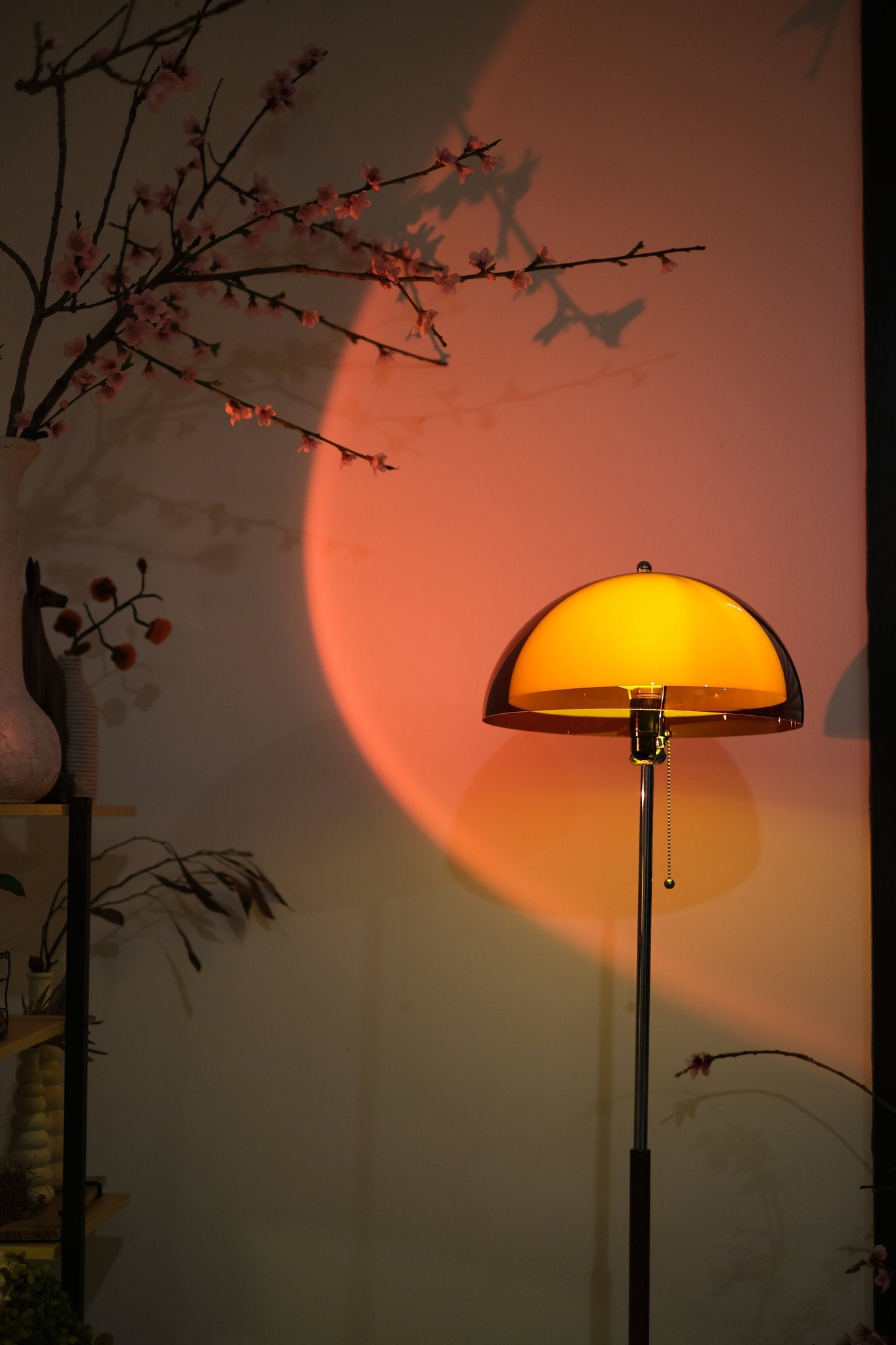
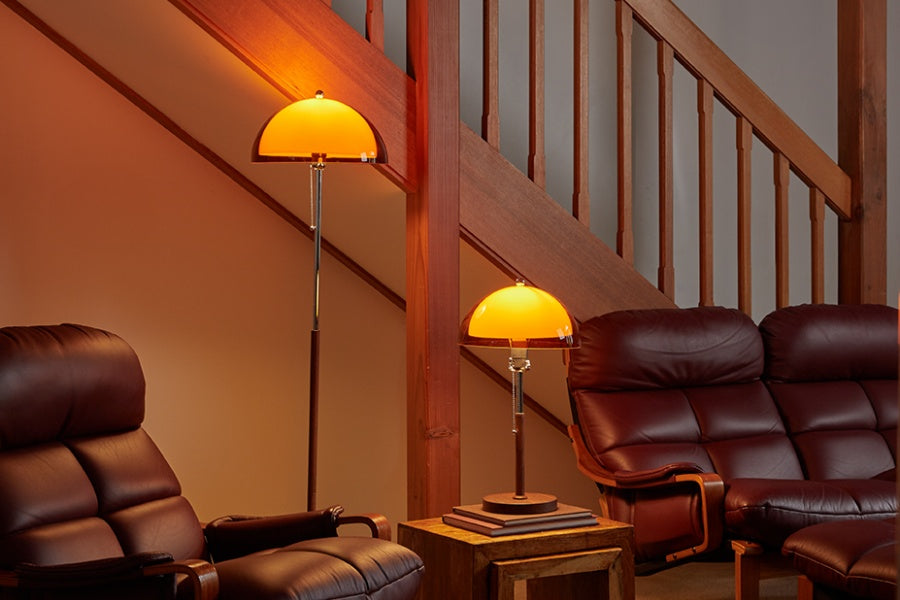
Not all orange lights are equal—grab a quality orange lamp or LED amber bulbs. Place it bedside: soft 10-20 lux output mimics dusk perfectly. Users on forums gush: "My orange lamp killed my 2 AM wake-ups—game-changer!"
Sleep Routine Overhaul: Ditch Blue, Embrace Orange
Ready to test it? Here's a no-BS 7-day plan:
-
Morning Blast: Flood with blue lighting—open curtains, cool smart bulbs for 1-2 hours.
-
Afternoon Fade: Dim gradually; cut screens by 5 PM.
-
Evening Orange Hour: Fire up the orange lamp at 7 PM. Read, journal—no phones.
-
Pre-Bed Ritual: 30 mins under orange light only. Stretch, sip chamomile.
-
Weekend Reset: Camp-style—no lights after dark, just orange lamp or candles.
-
Track It: Use a sleep app; expect 20-30% better scores in a week.
-
Pro Hacks: Blue-blocker glasses + orange lamp double-team blue lighting leaks.
Parents: orange lamps in nurseries cut baby night wakings by 40%.
Shift workers: portable orange lamps fake "night" anywhere.
Science Studies That Seal the Deal
Harvard sleep docs tested 116 peeps: blue lighting group slept 25 minutes less deep REM than warm light crews. Another from NIH: orange-toned rooms improved insomnia scores by 83%. Even NASA uses orange light for astronauts' wonky schedules— if it's space-good, it's Earth-great.
Anecdotes pile up: "Switched my desk to orange lamp post-6 PM—focus held, sleep skyrocketed." Vs. blue lighting diehards: "Can't quit Netflix glow, still zombie-tired."
Beyond Sleep: Bonus Health Wins
Orange light fights eye fatigue (less macular strain), stabilizes blood sugar via better rest, and chills inflammation. Blue lighting? Ties to obesity (melatonin drop = hunger spikes) and depression (25% higher risk per meta-studies). Stack orange lamps with habits like 10 PM cutoffs, and you're bulletproof.
Final Verdict: Orange Light for the Win

Blue lighting fuels your days; orange light owns your nights. For sleep supremacy, crown orange light king—grab an orange lamp, kill the blues after sundown, and unlock restorative rest. Your energy, mood, and waistline will high-five you tomorrow. Sweet dreams start with the right glow.