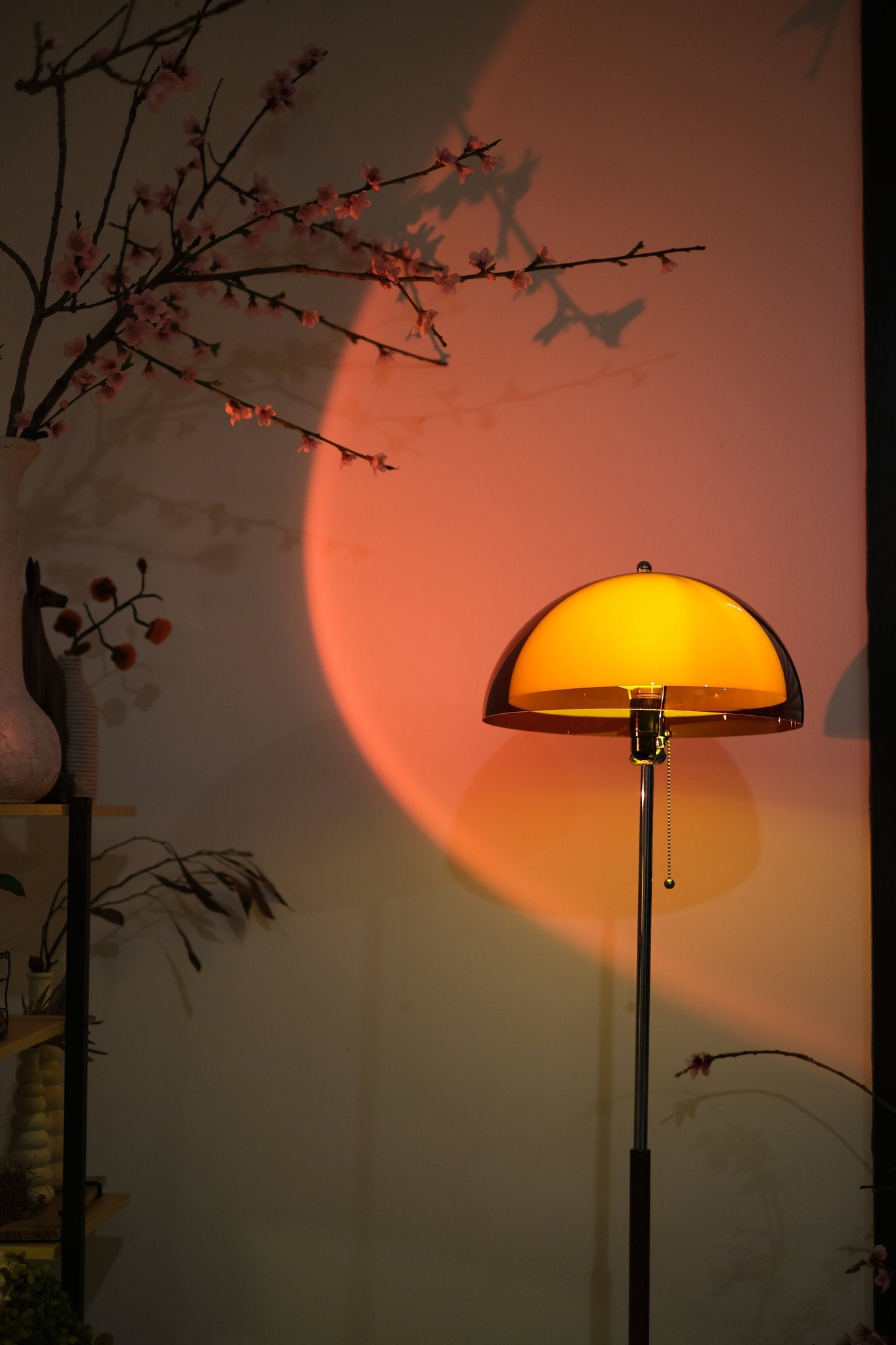

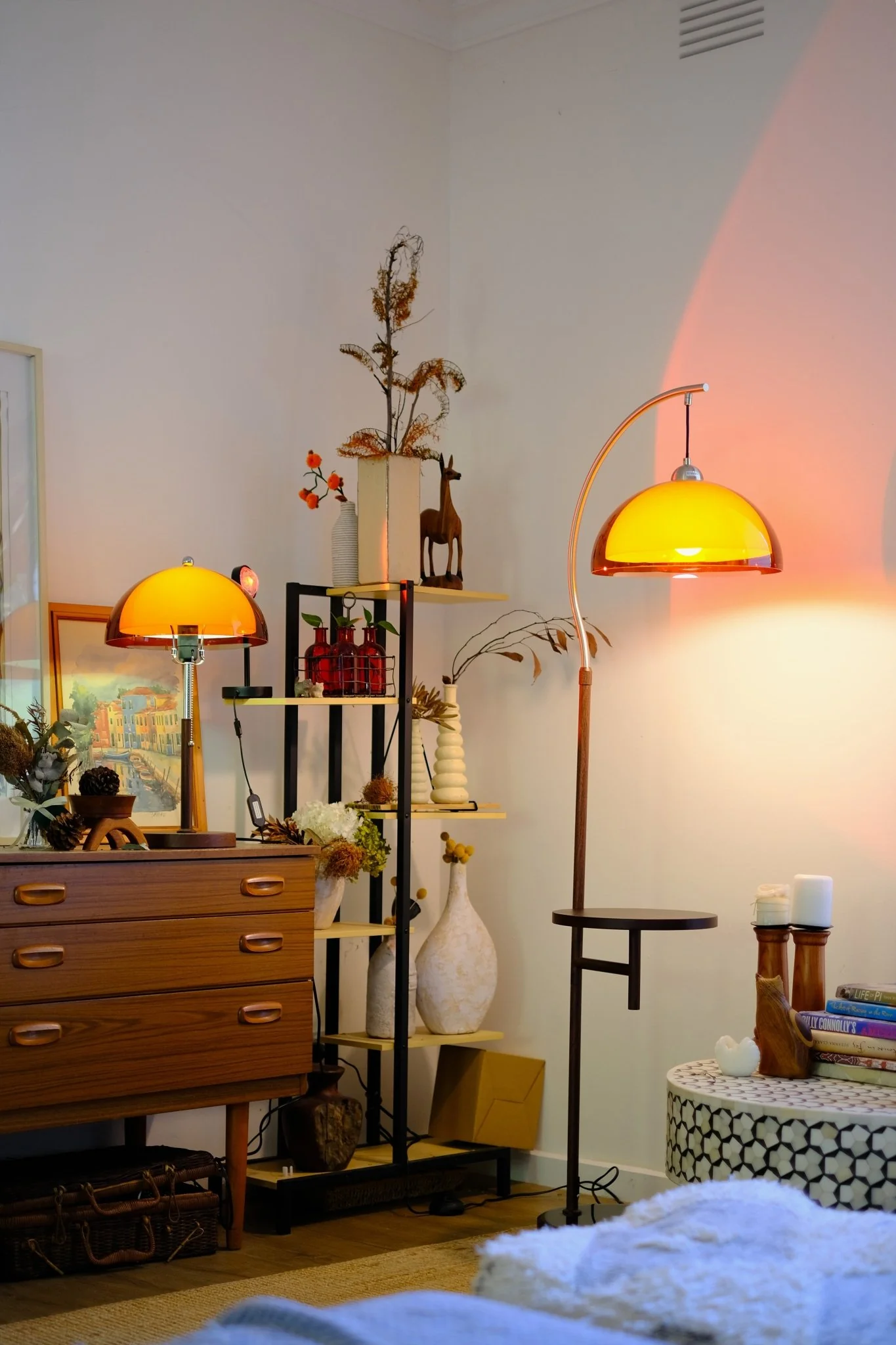
If you’ve ever spent an evening at an Aussie friend’s place, you’ve probably noticed something weird — nobody ever turns on the big light.
Seriously, that bright main light hanging from the ceiling? It might as well be decoration. The switch exists, sure, but it’s treated like a last resort.
Instead, Australian homes glow softly at night. Lamps in the corners. Fairy lights behind the TV. A few candles flickering here and there. It’s not bright. It’s not clinical. It just feels right — calm, comforting, and wonderfully simple.
So what’s the deal? Why is the big light so unpopular? Let’s chat about it.
The Harsh Truth About the Big Light

We all know the feeling. You walk into a room, flick on the main light, and boom — it’s like you’ve just woken up from a nap under a floodlight.
Everything looks flat and too bright. The coziness disappears. The warmth, gone. Instead of a home, your space feels like a supermarket aisle or a dentist’s office.
That’s the death of mood. It kills the atmosphere instantly. And Aussies know it.
So we skip the big light. Because we want our homes to feel like somewhere to unwind, not somewhere to fill out paperwork.
What Makes a Room Feel Cozy

A comfortable space doesn’t need to be picture‑perfect — it needs to feel nice.
Lighting plays a massive part in that. The right lights can make even a regular room feel like a little retreat. But the wrong ones — yeah, the big light’s guilty again — can make it feel stiff and lifeless.
That’s why Aussies go for warm, layered lighting. Instead of one harsh source blasting light everywhere, we scatter smaller ones around. A floor or table lamp here, a pendant there, maybe a strip of soft LED glow behind the couch.
When they blend together, you get light that feels alive — gentle, textured, and super easy on the eyes.
The Simple Idea of Layered Light

Think of it like cooking. You wouldn’t use only salt to make a delicious meal — you need layers of flavour.
Lighting’s the same. One big overhead light is like throwing a handful of salt over everything and calling it done. But when you mix lights — a table lamp, a floor lamp, some ambient glow — you create balance and depth.
Layered lighting fills a room with warmth without overwhelming it. It’s functional and emotional. It says, “You can relax now.”
And in Australia, that message fits perfectly with how we like to live.
Smart Bulbs: The Modern Magic

Now let’s talk tech — because smart bulbs have completely changed the game.
Forget switching bulbs for warmer tones every season. With smart bulbs, you can adjust everything — brightness, colour, timing — all from your phone or your voice.
Want your living room to go from bright and breezy in the morning to golden and calm at night? Set it up once and let it run automatically.
That means you get all the practicality of the main light when you need it, without losing that soft, inviting atmosphere once it’s time to wind down.
Match the Mood With a Tap
Here’s where it gets fun. Smart bulbs let you match your lighting to your mood.
Watching a movie? Say goodbye to glare — switch to a deep warm amber. Hosting dinner? Set the bulbs to a soft white glow that makes food (and your friends) look amazing.
Want to chill after work? Tell your smart assistant, “Turn on relax mode,” and the lights adjust instantly.
You can even schedule little routines — like a soft sunrise effect in the morning or an automatic dim-down after 9 p.m. It’s effortless. You barely even have to think about it.
Why Smart Bulbs Fit Aussie Homes So Well
Australians love practicality, but we also love comfort. And smart bulbs hit both.
They make it easy to keep your place cozy and energy‑efficient. You can control just the lamps you want, turn everything off with one tap before bed, and save power while you’re at it.
It’s a bit of tech that actually fits into everyday life — no fuss, no complicated gadgets. Just simpler, softer lighting that suits your rhythm.
And let’s be real: once you’ve told your lights what to do with your voice, there’s no going back to that cold, blinding big light.
Mood Over Brightness

The beauty of this Aussie habit isn’t about avoiding brightness; it’s about choosing the atmosphere.
Lighting affects how we feel. Harsh light shouts at you. Soft light whispers, “It’s okay to relax.”
When you come home after a long day, that soft glow helps your brain switch from work mode to rest mode. You can feel it in your shoulders, your breathing, even your mood.
That’s why Australian homes look and feel so calm at night — every light helps create a slower pace.
Even When Friends Come Over
The “no big light” rule goes double when company’s around.
If you’re hosting dinner, the main light is absolutely forbidden. Lamps only, mate. Maybe a candle or two if you’re feeling fancy.
It’s not about hiding imperfections — it’s about creating coziness. Everyone looks and feels better in soft light. Conversations flow easier. The night feels longer in a good way.
A harsh ceiling light kills that in a flash. Nobody wants party photos that look like mugshots.
When the Big Light Still Has a Job
To be fair, we don’t ever use the big light. It has its place.
If you’re cleaning, cooking something fiddly, or hunting under the couch for the TV remote, then yeah — that’s the time to hit the switch.
But as soon as that job’s done, it’s off again. Then the soft lighting team comes back on duty to make the house feel alive and happy again.