
Here's something we don't talk about enough.
We spend so much time obsessing over the big stuff—the sofa, the dining table, the statement floor lamp that cost more than our first car. And sure, those things matter. They set the stage.
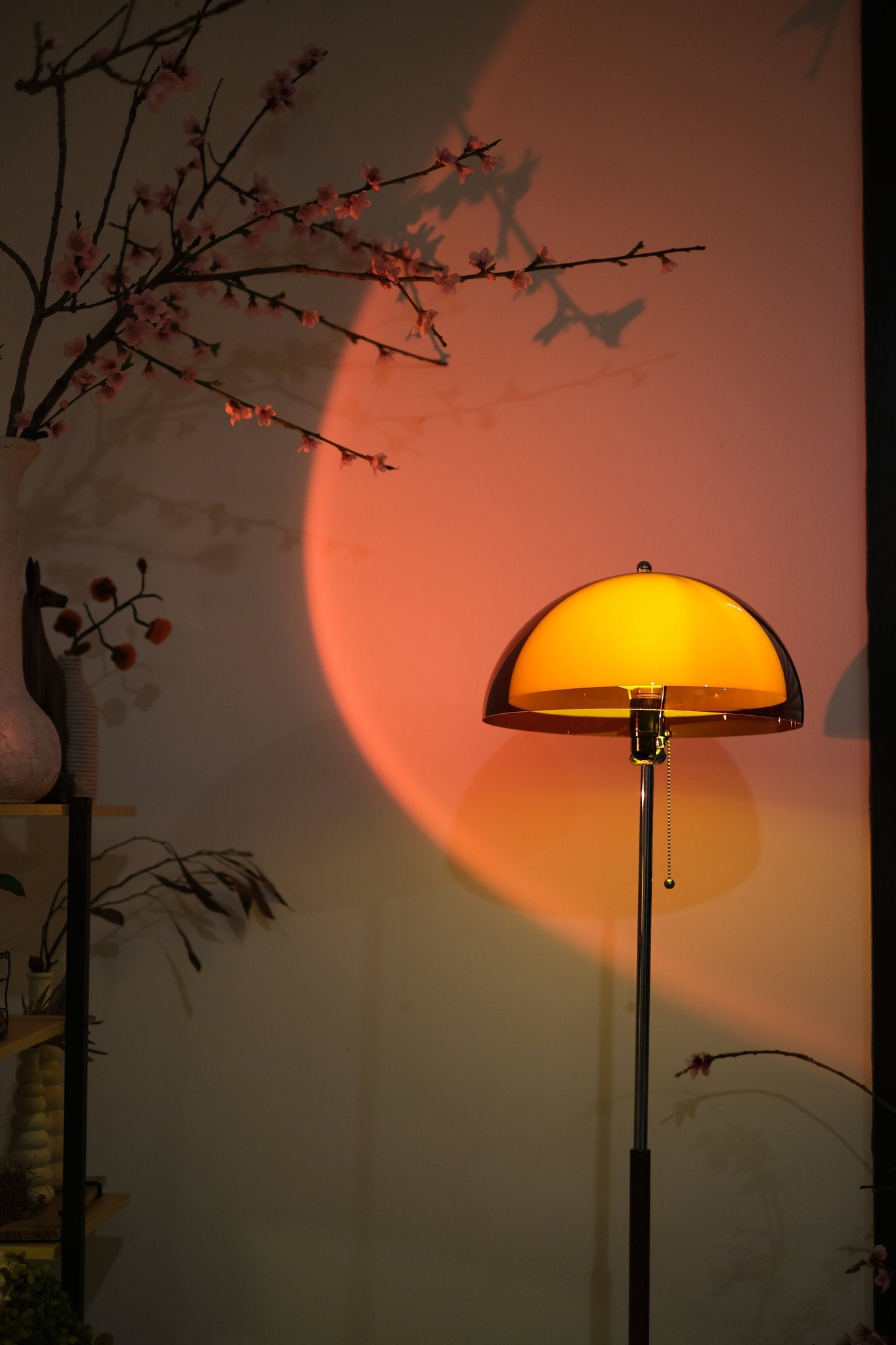
But the magic? The real "wow this room feels good" energy? That often comes from the small things. The little moments of light tucked into corners, sitting on shelves, glowing quietly on side tables.
Small lights don't shout. They don't demand attention. But they change everything about how a room feels.
Let's talk about why.
The Superpower of Small Light
Here's the thing about big overhead lights: they're efficient, but they're also kind of aggressive. They hit everything at once—every corner, every surface, every dust bunny you missed during cleaning. There's nowhere to hide.
Small lamps do the opposite. They create pockets. Moments. Little islands of warmth that draw your eye and make a room feel layered and intentional.
Think about walking into a bar or restaurant that feels amazing. Chances are, there's no single bright light blasting the whole space. There are candles on tables, small sconces on walls, little glowing orbs on shelves. Your eye moves from one soft spot to the next, and somehow the whole place feels bigger and cosier at the same time.
That's the superpower of small light. It creates depth. It gives your brain somewhere to rest. It makes a space feel human.

Where Small Lights Do Their Best Work
So where should you actually put these little guys? Here's where Australians are using them in 2026.
On Bookshelves
This is one of the easiest wins. Tuck a small lamp onto a shelf between your books, and suddenly that bookcase becomes a feature. The light catches spines, creates shadows, turns a storage unit into a moody design moment.
On Sideboards and Consoles
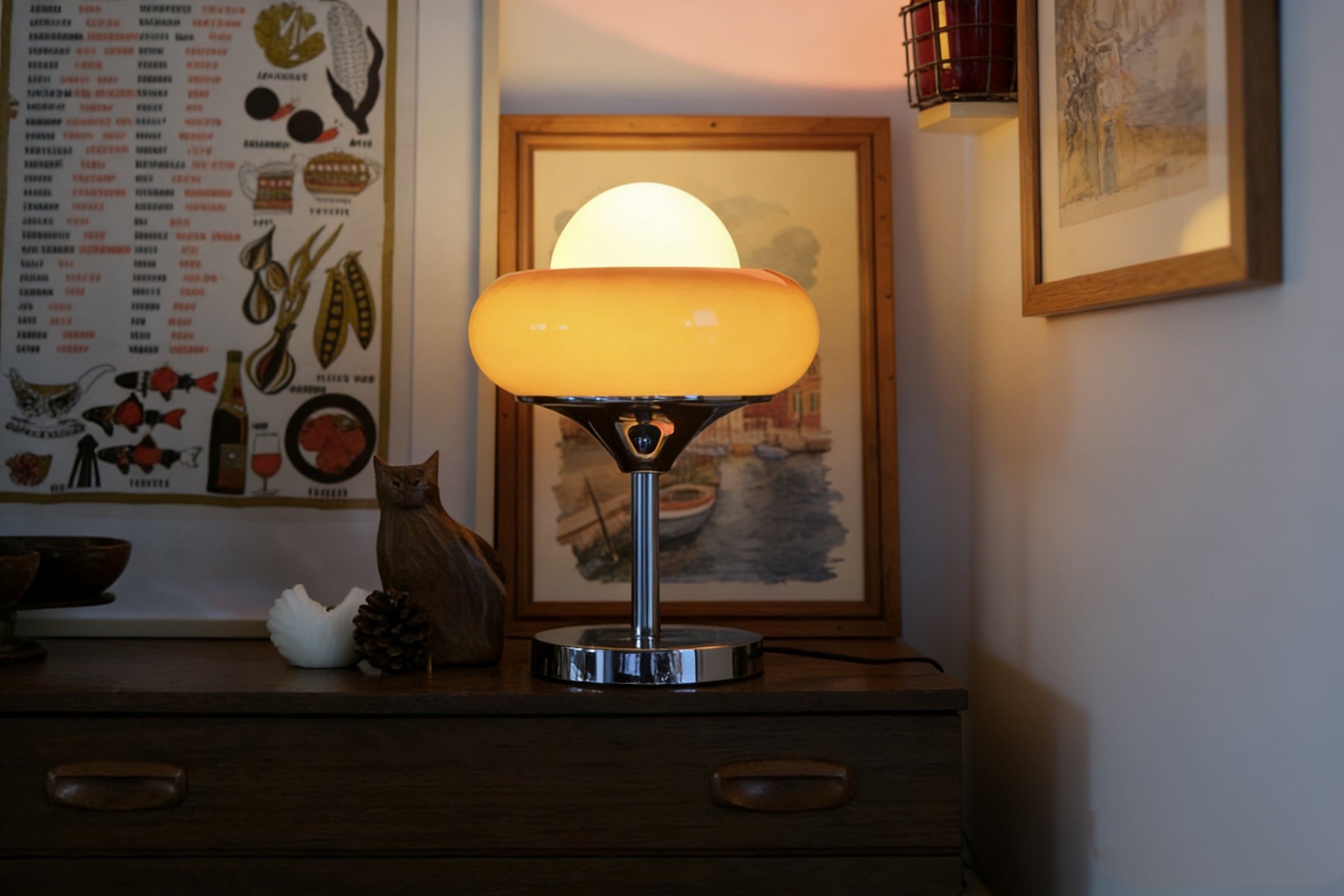
That long wall in your dining room or hallway? The one with a console table that just collects keys and mail? Add a small table lamp. Instant warmth. Instant personality. No renovation required.
On Nightstands
Obviously. But here's the trick: you don't need matching pairs. In 2026, asymmetry is where it's at. A small lamp on one side, a stack of books on the other. It feels collected, not staged. Our guide on how to choose bedside table lamps has more ideas.
In Window Corners
That awkward space between the window and the wall? Perfect for a tiny lamp on a tiny table. It creates a whole little moment—a place to sit with a coffee, a view to enjoy, a glow to come home to.
On Bathroom Vanities
Harsh bathroom lighting is the enemy of relaxation. Swap one of those glaring downlights for a small lamp on the vanity (safe distance from water, obviously). Suddenly your evening routine feels like a spa.
On Desks
You need task light, sure. But a small lamp adds warmth to your workspace that a bright overhead just can't match. It makes the space feel yours, not corporate.
For more placement ideas, our guide on lighting hacks for apartment living is full of clever solutions.
The Psychology of Small Light
There's actual psychology behind why small lamps make us feel so good.

They Signal Safety
In evolutionary terms, small, contained sources of light meant one thing: shelter. A fire. A candle. A protected space. Your brain still associates small, warm glows with safety and comfort.
They Create Intimacy
A room lit entirely by overhead light feels public. Like a waiting room or a shop. A room lit by small, scattered lights feels private. Like someone lives there. Like you're allowed to relax.
They Reduce Anxiety
Harsh, even light leaves nothing to the imagination. Every corner is visible, every shadow erased. That sounds good in theory, but in practice it can feel exposing. Small lights create gentle shadows, soft edges, places for your eyes (and your brain) to rest.
This is why soft light has such a powerful effect on how we feel at home. Our article on the science of cozy goes deeper into this.
What to Look For in a Small Lamp
Not all small lamps are created equal. Here's what matters when you're shopping.
Scale and Proportion
"Small" doesn't mean "insignificant." A good small lamp has presence without taking over. It should feel intentional on whatever surface you place it—not lost, not cramped.
Warm Light Only
This is non-negotiable. A small lamp with a cool, blue-toned bulb loses all its magic. Look for 2700K or warmer. Even better if it's dimmable. Browse our collection of small table lamps to see options with the right warmth.
Interesting Bases
Because the lamp is small, the base matters more. It's a detail, not a statement—but details are what make a room feel curated. Ceramic, timber, textured glass, matte finishes. Things you want to look at up close.
Shades That Diffuse
A bare bulb defeats the purpose. You want a shade that softens the light, spreads it gently, creates that warm glow rather than a harsh spot. Fabric, paper, frosted glass—these are your friends.
Explore our range of small lamps to see how different materials and shapes achieve this effect.

The 2026 Way: Clusters and Collections
Here's where things get interesting.
In 2026, Australians aren't just placing one small lamp and calling it done. They're clustering them. Grouping small lights together creates even more impact than scattering them individually.
Try this:
- Three small ceramic lamps on a long sideboard, all different heights
- A collection of tiny glass lamps on a shelf, glowing together
- Two mismatched small table lamps on a bedroom dresser
- A tiny lamp next to a stack of books, next to a candle, next to a plant
The effect is layered, personal, undeniably yours. It looks like you've collected these things over time—because ideally, you have.
Rooms That Benefit Most from Small Lights
Honestly? Every room. But some spaces are particularly transformed by small light.
The Living Room
You've probably got a floor lamp or two. Add a small lamp on a side table, another on a bookshelf, maybe one on a console behind the sofa. Suddenly the room has depth. It glows from multiple angles.
The Bedroom
Bedside lamps are obvious. But what about a tiny lamp on a dresser? A small light on a floating shelf? These create moments that make the room feel complete.
The Entryway
First impressions matter. A small lamp on a console table by the door says "welcome" in a way an overhead light never could. It's warm. It's human. It's home.
The Bathroom
Seriously. If you have any flat surface safely away from water, try a tiny lamp. It transforms a functional space into a retreat.
The Home Office
Your Zoom background will thank you. A small lamp adds warmth and personality that a ring light just can't replicate.

The Biggest Mistake People Make
Here's the one thing to avoid.
Don't try to light an entire room with small lamps alone. They're not designed for that. You'll end up with a dim, shadowy space that feels more cave than cozy.
The magic happens when small lights work with other sources. Ceiling lights for general brightness when you need it. Floor lamps for task and ambient layers. And small lamps for those final, finishing touches—the moments that make a room feel loved.
Think of them as the jewellery. The accessories. The details that tie everything together.
For more on building a complete lighting system, our guide on layered lighting walks through the whole process.
Small Lights at a Glance
So here's the takeaway.
Small lights aren't just backups or afterthoughts. They're essential tools for creating a home that actually feels good to be in.
They create depth. They add warmth. They make a space feel personal rather than staged. And in 2026, as Australians continue prioritizing comfort and sanctuary over everything else, that matters more than ever.
Start small. Literally. Add one small lamp to a shelf, a console, a corner you've been ignoring. See how it changes the way that spot feels. Then add another.
Before you know it, your whole home will have a glow that wasn't there before.
Ready to start collecting? Explore our full range of small table lamps and small lamps to find your first (or next) favourite little light. And if you're still figuring out your overall vibe, our guide on 2026 lighting trends might help you see the bigger picture.