
A small room doesn’t have to feel cramped or dark. With the right lighting design, even the most compact space can appear open, airy, and harmonious. Good lighting influences perception—it highlights space, creates depth, and transforms how we experience a room. A bright, well-lit area feels welcoming, while a poorly lit one may seem smaller and cluttered.
If you’re working with limited square footage, layered lighting—using multiple light sources at different levels—will give your room balance, warmth, and the illusion of spaciousness.
Best Lights for a Bigger-Looking Room
Choosing the right light fixtures is the first step toward making a small space look larger. Each type of light plays a role in shaping the atmosphere of the room.
Ceiling Lights

Ceiling lights are the foundation of general lighting. A flush-mount ceiling fixture or minimalist chandelier spreads light evenly across the space, preventing shadows that visually shrink the room. Opt for designs with white or translucent covers to diffuse light softly. Avoid overly ornate or bulky fixtures—they can draw attention downward and make the space feel heavy.
Pendant Lights

Pendant lights add elegance and height. Because they hang from the ceiling, pendant lights draw the eye upward, creating the illusion of taller ceilings. Choose slim, simple pendant lights with clear or light-colored shades. In small dining rooms, a single pendant light centered above the table can truly open up the space. For living areas, consider hanging pendant lights in pairs or groups at different heights to create dimension while maintaining balance.
Recessed Lights

Recessed lights are perfect for achieving a sleek, modern look. Installed directly into the ceiling, they free the visual plane from clutter. These lights provide bright, even illumination and are especially helpful in rooms with low ceilings. For the best effect, space recessed lights evenly to minimize dark patches. Combining them with wall lights or floor lamps adds warmth and variety.
Wall Lights

Wall lights—or sconces—are fixed on the wall and direct light upward or downward. They are fantastic for small bedrooms and hallways. By washing the wall with light, sconces eliminate harsh shadows and make surfaces look broader. You can even choose adjustable wall lights to direct brightness exactly where you need it, highlighting artwork or architectural features.
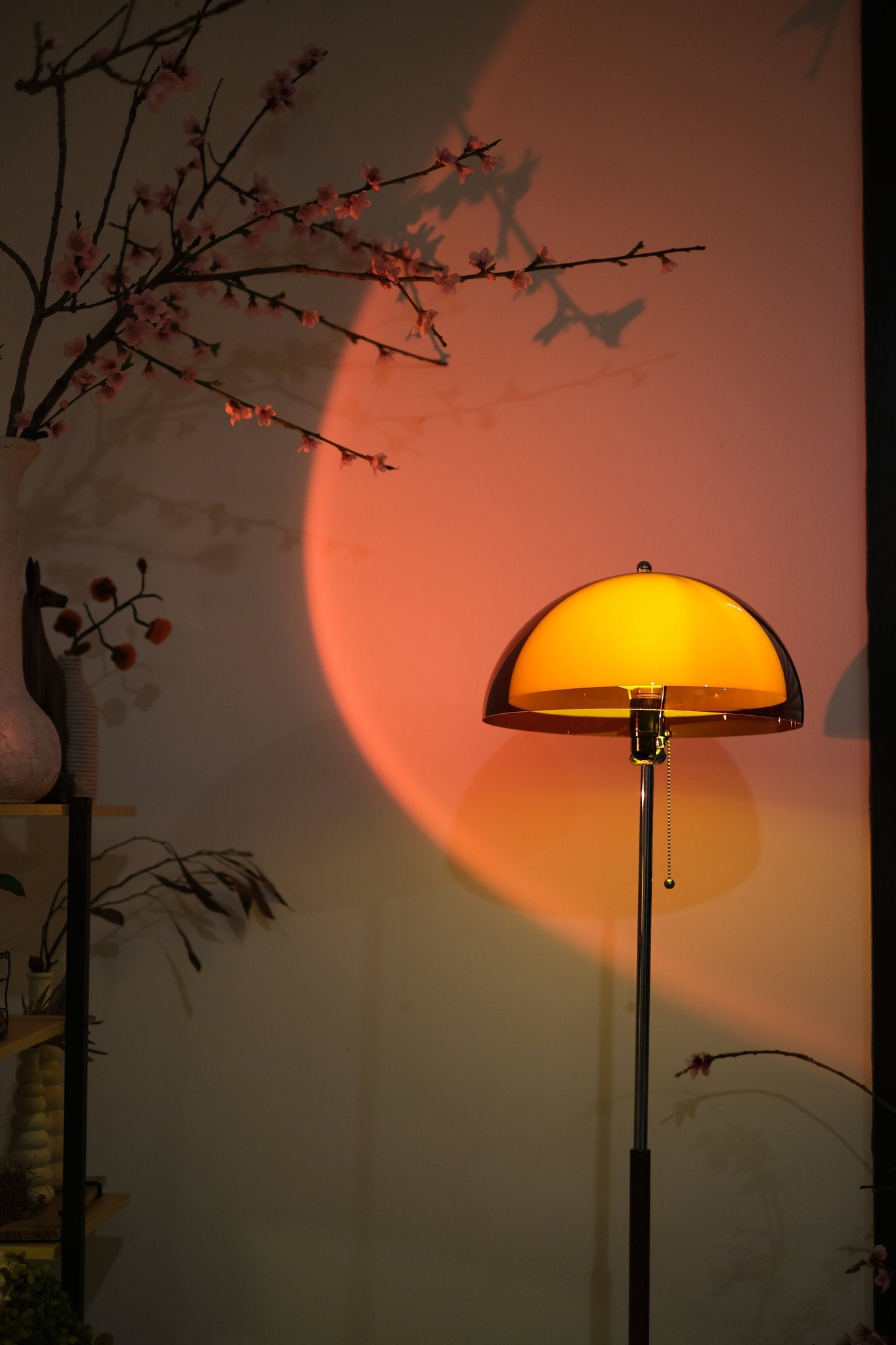
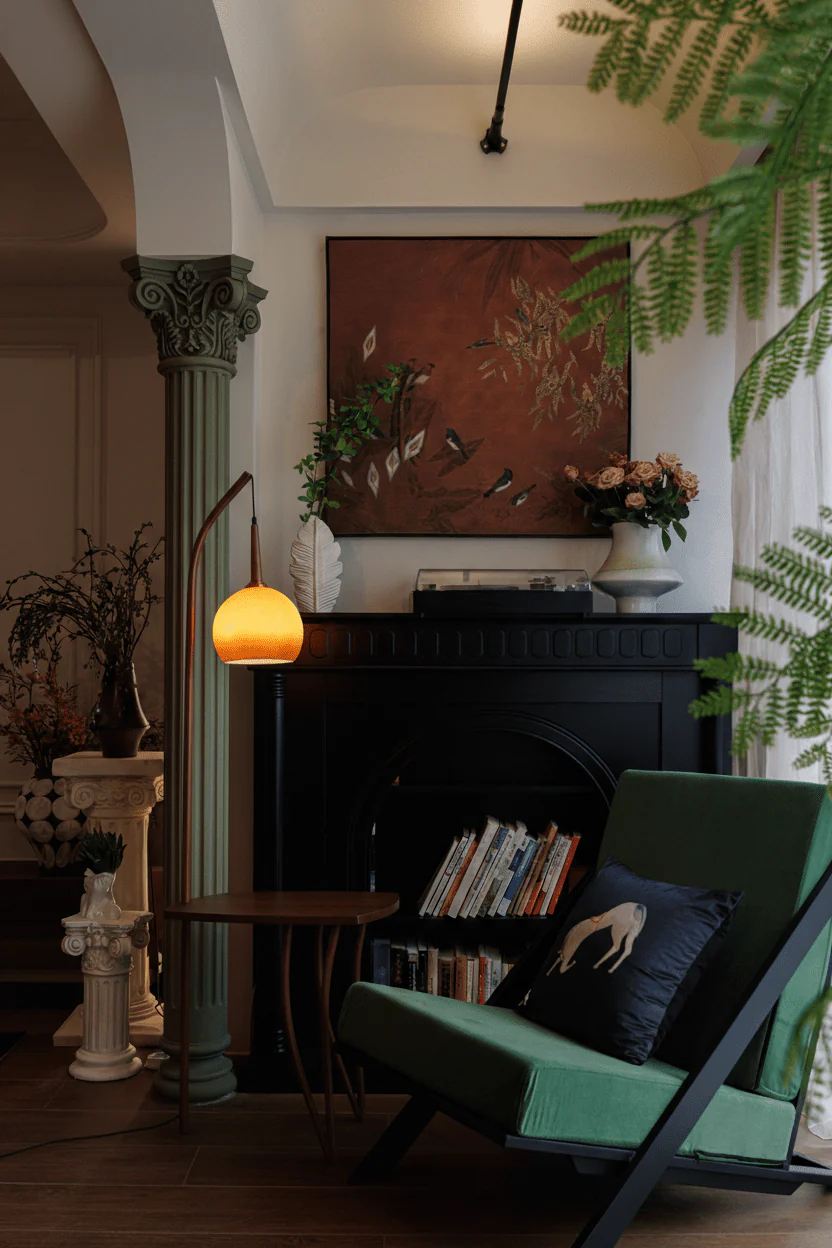
Floor Lamp

A floor lamp brings versatility. Slim, tall floor lamps fit easily into corners, behind sofas, or next to armchairs, where ceiling lights may not reach well. A lamp with an upward-facing shade reflects light off the ceiling, instantly giving the impression of higher space. If you prefer something cozy, go for a floor lamp with multiple adjustable heads to distribute light evenly around the room.
LED strip lights

LED strip lights are subtle but powerful. They create soft, indirect illumination under shelves, beds, or cabinets, reducing visual clutter and adding layers of depth. You can install them behind a mirror or along crown molding to enhance the sense of dimension. Modern LED strips can even change color temperature—from warm white to daylight—so you can adapt the atmosphere for different moods.
How to Place the Lights
Placement is key. Even the best light won’t make a room look larger if it’s positioned poorly. Instead of relying on one bright fixture in the center, aim for balanced, multi-point illumination.
Start by Lighting the Corners
Dark corners cause visual compression, but a small lamp or wall light placed there creates continuity and flow. Light reflected off walls also helps “stretch” the space visually.
Think Vertically
Uplighting—directing light toward the ceiling—makes ceilings look higher and rooms appear taller. A combination of floor lamps with upward-facing shades and pendant lights with translucent tops works beautifully for this purpose.
Don’t Overlook Mirrors and Reflective Surfaces
Placing a mirror opposite a light source doubles the visual space and amplifies brightness. This trick is especially effective when using pendant or wall lights, as their glow bounces naturally around the room.
Finally, avoid blocking your light sources with large furniture or heavy drapes. Keep pathways clear so light can flow freely throughout the space.
Best Bulb Colors
The color and intensity of light bulbs influence how large or small a space feels. Light color is measured in Kelvin (K). Warm white bulbs (2700–3000K) produce a cozy glow, while cool white or natural white bulbs (3500–4500K) deliver freshness and clarity.
For a small room, aim for natural white lighting—it balances brightness and warmth, making the space feel lively yet comfortable. Overly warm light can create a golden tint that slightly darkens surfaces, while very cool light can feel sterile.
Pay attention to lumens too. Lumens measure brightness. You don’t want blinding intensity, but you also don’t want dim shadows. Around 800–1,000 lumens per main light source is ideal for small spaces. Supplement with accent lights like floor lamps or LED strips for visual balance.
Simple Lighting Tips
Small design tweaks can elevate your entire lighting scheme.
-
Use light-colored lampshades. Shades in white, ivory, or pale gray scatter light evenly. Dark shades absorb brightness and confine the glow to one area.
-
Keep the room tidy. Clutter blocks light and makes spaces look smaller. Clean surfaces reflect light better, especially glass and metal.
-
Layer the lighting. Combine ambient, task, and accent lights. For example, pair a ceiling fixture with a floor lamp and LED strips under furniture to build texture and depth.
-
Play with light direction. Try wall-mounted uplights to enhance verticality or adjustable pendant lights to spotlight key areas like reading corners or artwork.
-
Add touches of reflection. Decorative mirrors, glass vases, and light furniture finishes amplify the reach of existing light sources.
Conclusion
Lighting is one of the simplest yet most powerful tools to visually enlarge a room. By mixing different types of lights—ceiling lights, pendant lights, recessed lights, wall lights, and a strategic floor lamp—you can create depth and brightness that make the room feel spacious and inviting.
Avoid depending on a single overhead light. Instead, embrace layered lighting: illuminate corners, reflect light with mirrors, and choose bulbs with balanced white tones. Combine smart placement with thoughtful fixture selection, and your small room will look not only bigger but far more beautiful.