
Good lighting is essential to creating a comfortable and useful living area. We unwind, read, play with the kids, enjoy movie nights, and host visitors in the living room.
Here's a professional guide to lighting your sitting area like an interior designer, including everything from layering to setting the tone to making a striking statement.
Which type of Living Room Lamp?
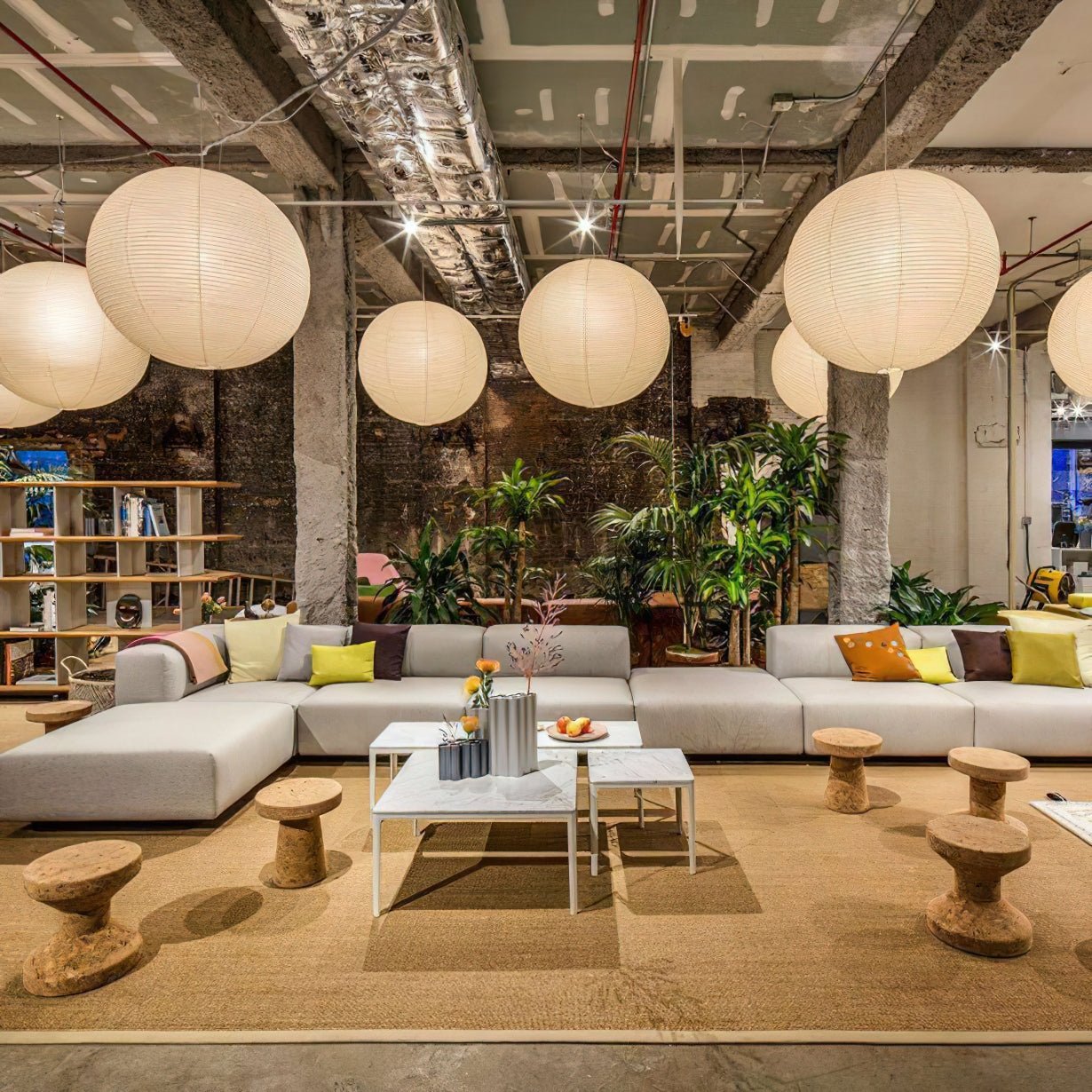
For the majority of the room's brightness and to set the lighting ambiance, a living room should have a main ceiling light. To generate layers of light, you need to add supporting fixtures to your main overhead light. Light fixtures like wall lights, table lamps, floor lamps, recessed downlights, and even LED tape can be used to create layers of light.
Basic lighting setup for the living room
General lighting is the cornerstone of any well-considered lighting plan. The size of your area is one of the criteria that determines how you implement it. A central ceiling light may be adequate for smaller living spaces. It may be necessary to use several lamps spaced throughout the ceiling in larger areas.
The ideal quantity of ceiling lights for the living area
Depending on their brightness, you will want four to five light sources per 20 square meters. Think about the furniture in your room: brighter pieces reflect light, while darker pieces absorb it and create a dimmer atmosphere.
Setting up the living room's ceiling lights
Examine the locations of power outlets and switches before designing your lights. Additionally, consider how you arrange your furniture to prevent the kids' play area from being dimly lit or sitting in the dark on the sofa.
How to improve the comfort of the lighting in your living room
A dimmable flush ceiling light will disperse the main light away from the TV while providing plenty of diffuse horizontal illumination for viewing TV.
Reading and other tasks still require a ceiling light, but there are more ways to supplement this light with other sources. Wall lights, downlights, and floor lamps and torchieres can all produce this.
As long as glare is minimized, this combination of several lighting sources provides light that is easy on the eyes. Additionally, the light should be brighter so that it is easier to read. Directional floor lights and table lamps are examples of task lighting that can be added.
Where in the living room should I put my lamps?
Let's now discuss placement! By positioning your lights thoughtfully, you not only improve your living area's practicality but also create a cozy, welcoming ambiance that expresses your unique taste. Use these suggestions to make your living area more lively.
Equilibrium in the Space
Don't put all of your lamps in one place. To eliminate shadows and achieve equilibrium, spread them out. Put a table light or two on the other side of the room, for instance, if your floor lamp is on one side.
Emphasize Important Areas
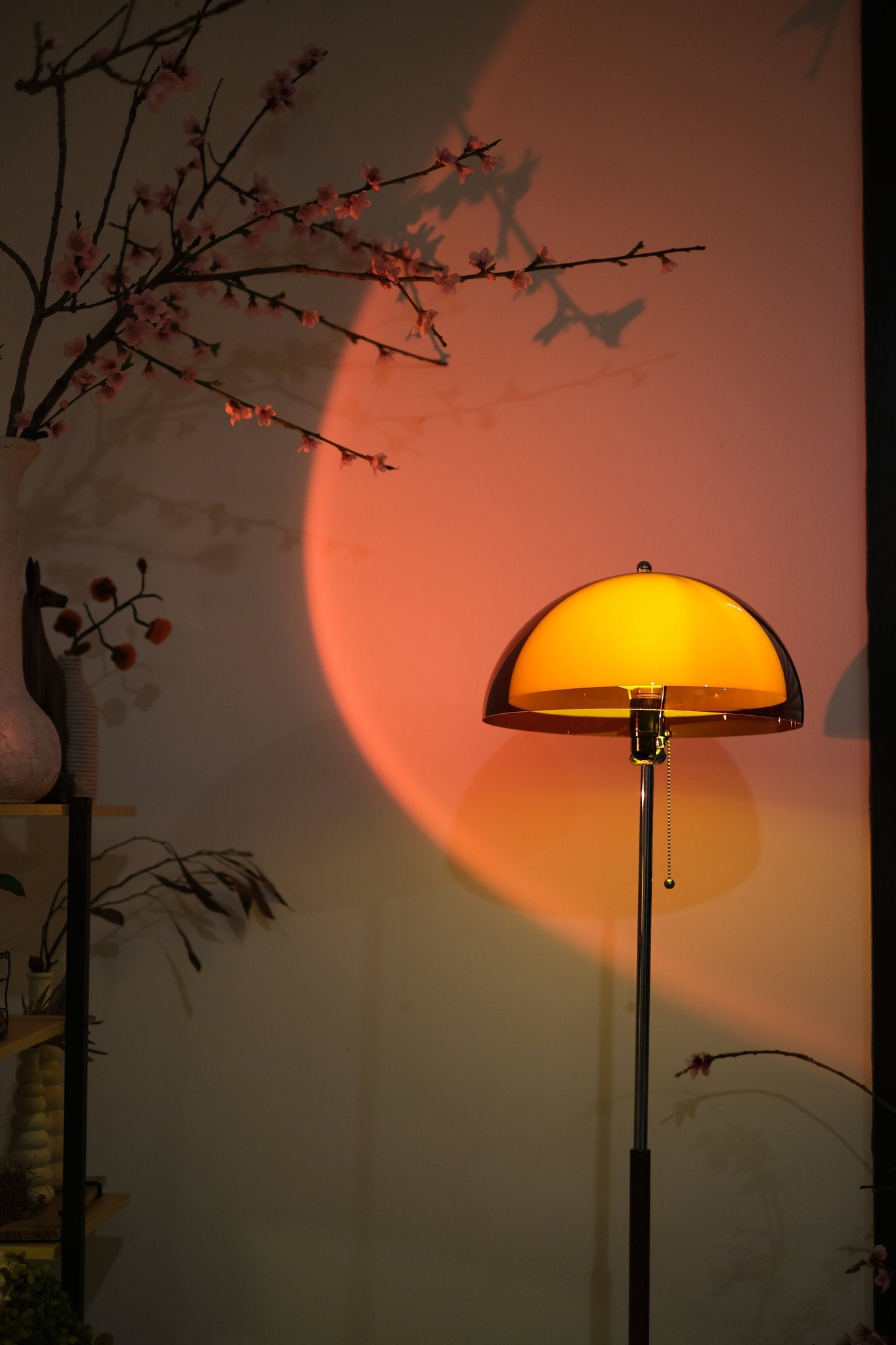
Seating areas, corners, and focal points are important areas. To offer task lighting for reading or unwinding, place a table lamp or floor lamp near to your sofa or armchair. A floor lamp in a vacant corner can warm the area and create a cozier atmosphere. To highlight artwork, plants, or other decorative features, use accent lamps.
Examine Height and Scale
Select lamps that complement the size of your furniture. For example, a tiny lamp on a large console can appear out of place, while a giant table lamp might overpower a small end table. To prevent glare, try to find a shade that is at eye level when you're seated.
For flexibility, use dimmers.
Choose lighting with dimmer switches if at all possible. This enables you to change the brightness according to the desired mood or the time of day.
What is the ideal light bulb for the living room?
Unlike dining rooms or kitchens, living rooms are typically areas of relaxation rather than high activity. Therefore, warm white light bulbs up to 3,300K are preferred, with 2700K LED being the best. Dimmable light bulbs are ideal for downlights and ceiling lights. To ensure that the space may be used for various reasons, make sure you have an LED dimmer.
The type of light fixtures and the size of the room should be taken into consideration when selecting the bulb wattage.
Conclusion
Although ceiling lights are the most crucial in living room lighting design, ambient lighting must also be taken into account. A comfortable coffee or reading nook can be created and adequate ambient lighting can be provided by using Homezee table lamps, floor lamps, or portable lamps.
Accent lighting can improve brightness and produce subtle contrasts between light and shadow. The room's overall lighting should be proportionate to its size. In the living room, adaptability is essential. The lighting impact can be significantly enhanced by dimmers and other light fixtures that can be turned on and off flexibly based on the purpose of the space.