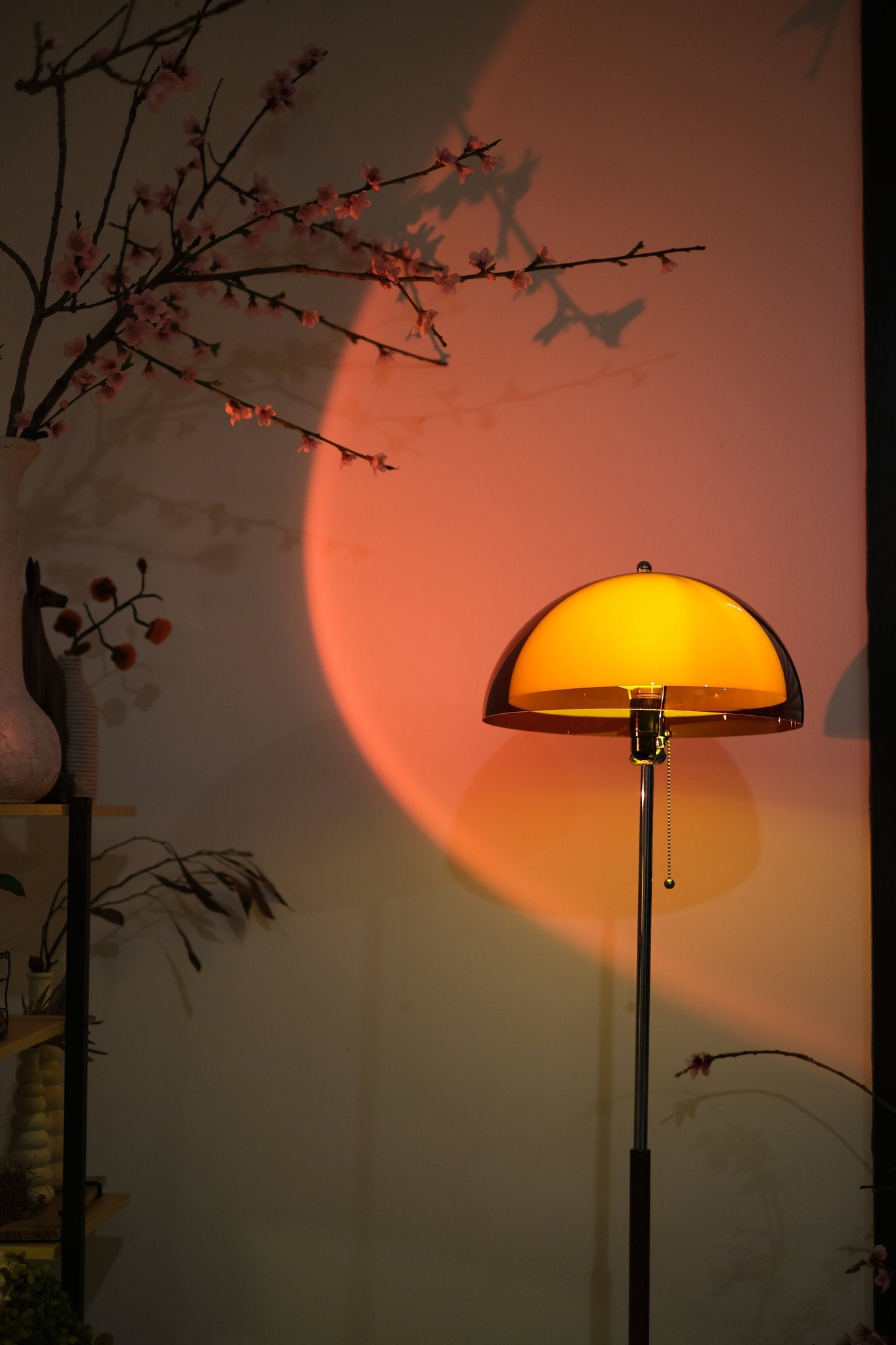


You had a bulb die. You grabbed a spare from the drawer. You screwed it in, flicked the switch, and… wait. What happened?
The light is colder. Or warmer. Or brighter. Or dimmer. The shade looks a different colour. The whole vibe of the room has shifted. And you’re standing there wondering if you somehow broke the lamp.
You didn’t. You just changed the bulb. And that one change can transform everything.
Here’s why – and what to do about it.
Colour Temperature: The Biggest Culprit

This is the number one reason a lamp looks completely different after a bulb swap.
Bulbs come in different colour temperatures, measured in Kelvin (K). A warm white bulb (2700K) gives you that golden, cosy glow. A cool white bulb (4000K) is brighter, whiter, and more clinical. A daylight bulb (5000K+) is blue‑toned and harsh.
If you replaced a warm bulb with a cool one, your lamp will suddenly feel like a completely different fixture. The same shade that looked rich and inviting now looks flat and washed out. The cosy corner now feels like an office.
The fix: Always match the colour temperature to the room and the mood. For bedrooms and living rooms, stick to warm white (2700K). For task lighting in kitchens or offices, cool white (4000K) can work. But never mix them in the same room if you want a consistent feel. If you’re not sure what to choose, our guide on what kind of light reduces eye strain breaks it down.
Brightness (Lumens): Too Much or Too Little

Watts measure energy. Lumens measure brightness. And if you swapped a bulb with a different lumen output, your lamp will look completely different.
A bulb that’s too bright will wash out the shade, create glare, and make the room feel harsh. A bulb that’s too dim will make the lamp look weak, leave dark corners, and fail to light the space properly.
The fix: Check the lumens. For a bedside lamp, aim for 400–600 lumens. For ambient living room lamps, 200–300 lumens is plenty. For reading lamps, 400–600 lumens directed at your book. If you want to dim the lamp, make sure the bulb is dimmable – otherwise you’ll get flickering or no dimming at all.
Bulb Shape and Size

Not all bulbs are the same shape. And the shape affects how light escapes the shade.
A globe bulb spreads light evenly in all directions. A candle bulb is more decorative and often used in chandeliers. A reflector bulb directs light forward. A vintage filament bulb has a visible glowing filament that adds character.
If you replaced a globe bulb with a candle bulb, the light distribution changes. If you replaced a hidden bulb with an exposed one, the glare changes. If the new bulb is physically larger, it might stick out of the shade – changing the look entirely.
The fix: Match the bulb shape to the lamp’s design. If the bulb is visible, choose a shape that looks good. If it’s hidden, prioritise function over form. And always check that the bulb fits inside the shade without poking out.
CRI (Colour Rendering Index)
CRI measures how accurately a bulb shows colours. A high CRI (80+) makes colours look natural and vibrant. A low CRI makes everything look dull, grey, and slightly off.
If you swapped a high‑CRI bulb for a cheap low‑CRI one, your lamp will suddenly make your furniture, your walls, and even your skin look worse. The light might be the same brightness and colour temperature, but the quality is different.
The fix: Look for bulbs with a CRI of 80 or higher. For bedrooms and living rooms, 90+ is even better. It costs a little more, but the difference is huge.
Dimmability and Compatibility

If your lamp has a dimmer and you put in a non‑dimmable bulb, two things can happen. Either the lamp won’t dim at all, or it will flicker, buzz, or behave erratically. Either way, the lamp looks and feels different.
The fix: Always use dimmable bulbs in dimmable lamps. Check the packaging – it will say “dimmable” clearly. If you’re not sure, ask. And if you’re using a smart bulb, make sure it’s compatible with your dimmer switch (some aren’t).
The Shade’s Reaction to the Bulb
The shade doesn’t just sit there. It reacts to the bulb. A fabric shade with a warm bulb glows golden. The same shade with a cool bulb looks grey. A glass shade with a bright bulb becomes glaring. With a dim bulb, it becomes dull.
Even the inside colour of the shade matters. A white interior reflects more light. A gold interior warms it. A dark interior absorbs it.
So when you change the bulb, you’re not just changing the light source. You’re changing how the shade behaves. For more on this, see our article on why the same bulb looks different in different lamps.
Your Eyes Adapt (and Trick You)

Here’s the sneaky one. Your eyes adjust to whatever light they’re exposed to. If you’ve been sitting in warm light all evening, a new cool bulb will feel shockingly cold. If you’ve been in a bright room, a dim bulb will feel too dark – even if it’s technically the same brightness as before.
Your perception is relative. So give yourself a few minutes to adjust before you decide the new bulb is “wrong.”
Quick Checklist: What to Check After Changing a Bulb
-
Colour temperature: Warm white (2700K) for living spaces.
-
Brightness: 400–600 lumens for tasks, 200–300 for ambient.
-
Bulb shape: Fits the shade, looks good if visible.
-
CRI: 80+, ideally 90+.
-
Dimmable: Matches your lamp’s dimmer.
-
Shade reaction: Does the shade look better or worse with this bulb?
-
Give it time: Let your eyes adjust before judging.
The Bottom Line
A lamp isn’t just a holder for a bulb. It’s an optical system. The bulb, the shade, the room, and your eyes all work together. Change one part, and the whole thing shifts.
So if your lamp looks completely different after a bulb swap, don’t panic. Check the colour temperature first. Then brightness. Then CRI. Then dimmability. Nine times out of ten, the fix is as simple as choosing the right bulb.
Ready to find bulbs and lamps that work beautifully together? Explore our collection of special lamps at Homezee.
FAQs
1. Why did my lamp get brighter after changing the bulb?
You probably installed a bulb with higher lumens (brightness). Check the lumen rating on the old and new bulbs. If you want the same brightness, match the lumens.
2. Why does my lamp look colder now?
The new bulb likely has a higher colour temperature (cool white or daylight) compared to the old one (warm white). Swap to a 2700K bulb for a warmer glow.
3. Can a different bulb shape change how the lamp looks?
Yes. Bulb shape affects how light spreads and whether the bulb is visible. A globe bulb diffuses evenly; a candle bulb is more decorative; a reflector bulb directs light forward.
4. Why does my dimmer not work with the new bulb?
The new bulb probably isn’t dimmable. Check the packaging – it must say “dimmable.” Non‑dimmable bulbs can flicker or fail to dim properly.
5. What’s the best bulb for a bedside lamp?
A warm white (2700K), dimmable LED with 400–600 lumens and a CRI of 80+. It should fit fully inside the shade and not stick out.
Still have questions about bulbs or lamps? Our Homezee team is here to help. And if you’re looking for lamps for sale that bring out the best in any bulb, we’ve got you covered.