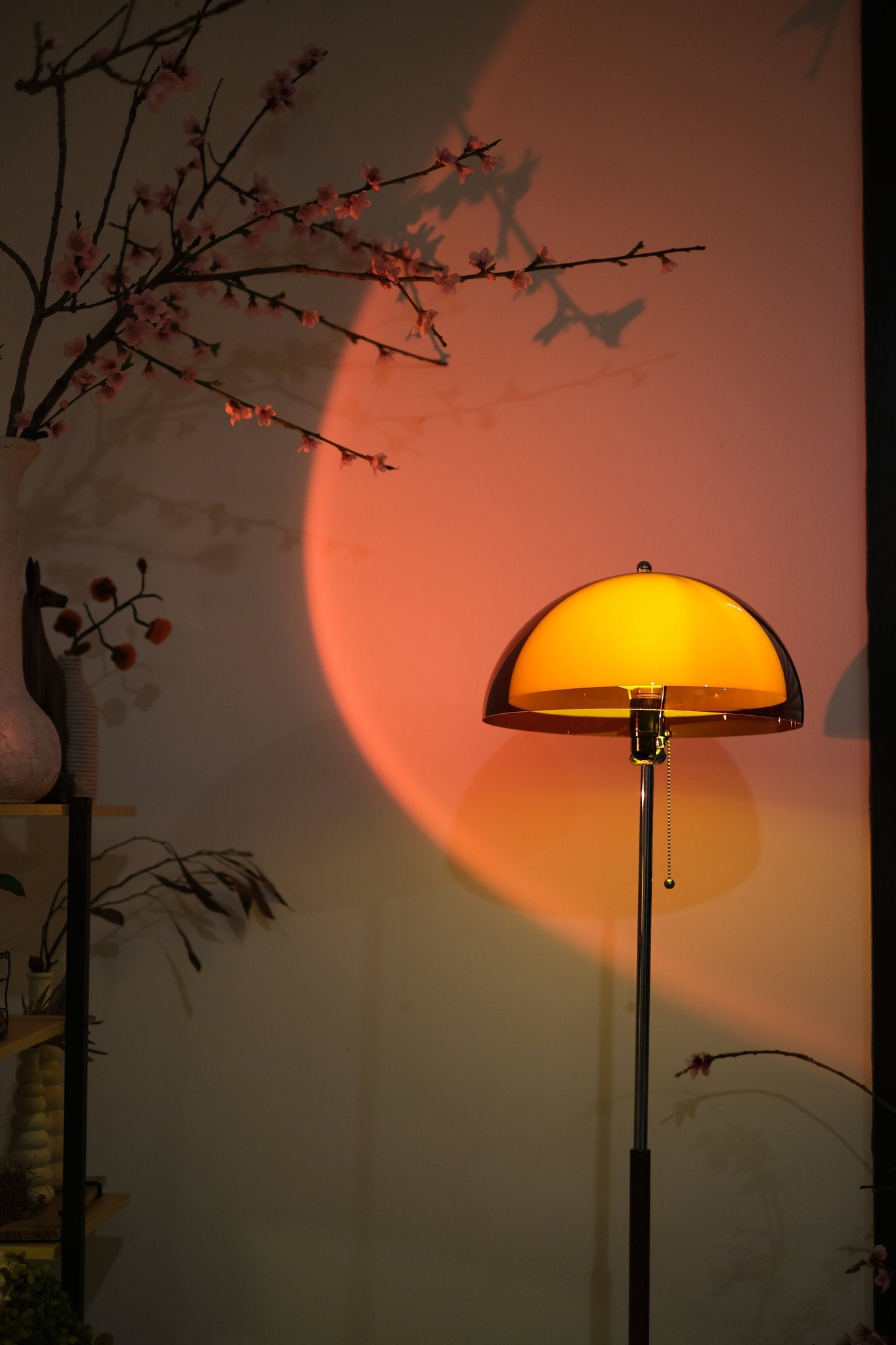

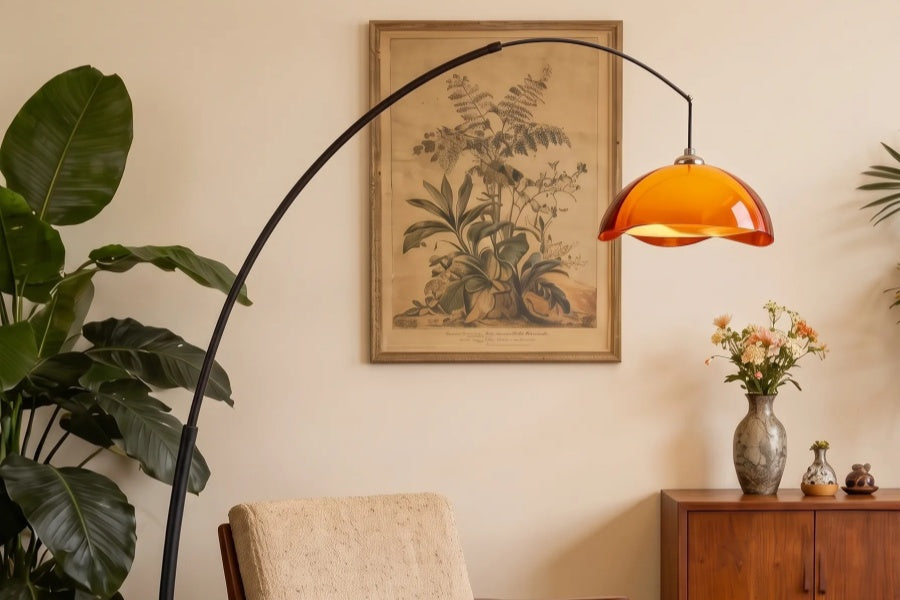
A beautiful lampshade can completely change the feeling of a room.
But there's one little problem: lampshades are surprisingly good at collecting dust.
You may not notice it at first. Then one day you look closely and realise the shade has lost some of its fresh, clean appearance. Maybe there's a layer of dust around the top. Maybe fingerprints have appeared. Or perhaps the colour just doesn't look quite as bright as it did when you first bought it.
The good news?
You don't need to spend hours cleaning your lampshades to keep them looking good.
A few simple habits can make a surprisingly big difference.
Here's how to keep your lampshades looking new for longer, without turning lamp maintenance into another household chore.
Why Do Lampshades Get Dirty So Easily?
Lampshades are basically dust magnets.
Their position makes them naturally exposed to airborne dust, cooking particles, pet hair, and everyday household debris.
Fabric lampshades can be particularly good at holding onto tiny particles because of their texture.
Paper shades can also collect dust on their surface, while glass and acrylic shades may show fingerprints and smudges more easily.
The good news is that most of this buildup is preventable.
You don't need to wait until your lampshade looks dirty.
Regular, gentle maintenance is much easier than a major clean later.
Dust Your Lampshades Regularly

This is probably the simplest thing you can do.
And you don't need to do it every day.
For most homes, a quick dusting every week or two can help keep lampshades looking fresh.
A clean, soft microfiber cloth or a suitable soft duster can work well for many lamp shades.
Move gently across the surface rather than pressing hard.
If your lampshade has pleats, textured fabric, or decorative details, take a little extra time around those areas because dust tends to settle into small spaces.
Think of it like dusting your furniture.
A few minutes now can save you from a much bigger cleaning job later.
Always Turn the Lamp Off First

Before cleaning any lampshade, switch the lamp off and allow the bulb and fixture to cool down.
This is especially important if the lamp has been on for a while.
You also want the surface to be dry before cleaning unless the manufacturer's instructions specifically recommend another method.
For removable shades, you can sometimes take the shade off the lamp before cleaning.
This makes it easier to reach every area without accidentally knocking the lamp over.
Simple? Yes.
But it's one of those steps that's easy to forget when you're in a hurry.
Use the Right Cleaning Method for the Material
Not all lampshades should be cleaned in exactly the same way.
This is where things get interesting.
Fabric Lampshades
Fabric shades usually benefit from gentle dusting.
Use a soft brush, microfiber cloth, or another suitable dry cleaning method recommended by the manufacturer.
Avoid soaking the shade unless the care instructions specifically say that it can be washed.
Too much moisture can affect the fabric, shape, lining, or structure.
Paper Lampshades
Paper shades should generally be handled carefully.
A gentle dry dusting method is usually the safest starting point.
Avoid rubbing aggressively or applying water unless the manufacturer specifically says it's suitable.
Paper lighting is loved partly for its delicate, soft visual quality, so gentle care helps preserve that appearance.
Glass Lampshades
Glass is generally easier to wipe clean than fabric or paper.
A soft cloth can remove dust and fingerprints, while an appropriate glass-cleaning method can help maintain a clear, polished surface.
However, you still don't want to leave excess moisture behind.
If you have glass lighting at home, you may also find Homezee's guide on how to clean a glass lamp without leaving water marks useful for keeping glass shades looking clear and fresh.
Acrylic Lampshades
Acrylic can also be cleaned, but it's important to follow the manufacturer's recommendations.
Use a soft cloth and avoid abrasive materials that could affect the surface.
When you're unsure, check the care instructions before reaching for a household cleaner.
Don't Spray Cleaner Directly Onto the Shade

This is a small habit that can prevent a lot of unnecessary problems.
Instead of spraying cleaning solution directly onto a lampshade, follow the manufacturer's instructions.
If a cleaning solution is appropriate for the material, applying it to a suitable cloth first can provide better control.
This is particularly important for fabric, paper, and other absorbent materials.
You don't want liquid soaking into the shade when all you wanted to do was remove a little dust.
Deal With Fingerprints Quickly
Fingerprints aren't usually a big deal.
But they become much more noticeable when they're left there for weeks.
This is especially true on smooth materials such as glass or acrylic.
If you notice a fingerprint, deal with it when you see it.
A quick wipe is much easier than trying to remove a collection of old marks later.
And if the shade is in a place where people regularly touch it, such as a portable lamp or a table lamp that gets moved around frequently, this little habit can make a real difference.
Keep Lamps Away From Excess Dust and Grease

Where you place a lamp can affect how quickly it gets dirty.
For example, a pendant light close to a kitchen cooking area may be exposed to airborne grease and cooking particles.
A floor lamp beside a sofa may collect more dust and pet hair.
A bedside lamp might simply accumulate ordinary household dust.
You don't necessarily need to move your lamp.
Just understand its environment.
If a lamp is exposed to more dust or airborne particles, add it to your regular cleaning routine.
Be Careful With Direct Sunlight

Dust isn't the only thing that can affect how your lampshade looks over time.
Long-term exposure to strong direct sunlight can affect some materials and finishes.
If your lamp sits directly beside a very sunny window, consider whether the position makes sense for the room.
This doesn't mean your lamp needs to live in a dark corner.
It simply means that if you're particularly attached to a delicate or decorative lampshade, choosing a sensible location can help preserve its appearance.
Don't Forget the Inside of the Lampshad

When cleaning, it's easy to focus entirely on the outside.
But the inside matters too.
Dust can collect around the inner surface, particularly near the bulb opening.
If the design allows you to safely access the inside, give it a gentle clean according to the manufacturer's care instructions.
Just remember to avoid putting pressure on delicate structures.
And never clean while the lamp is switched on.
Choose a Lampshade That's Right for Your Lamp
Here's something that often gets overlooked:
Good maintenance starts before you even buy the lampshade.
The right size and shape can make a lamp easier to live with and maintain.
A shade that's awkwardly fitted may be harder to dust or remove.
If you're unsure about choosing the right shape and size, Homezee's guide on how to pick a lampshade for a lamp is a useful place to start.
Getting the proportions right doesn't just improve the appearance of your lamp.
It can also make everyday maintenance easier.
Keep Pets in Mind
If you have pets, you'll probably already know how quickly hair can travel around the house.
Floor lamps and table lamps placed near sofas or pet beds can be particularly exposed to pet hair.
A quick dusting with a suitable soft tool can help.
For fabric shades, avoid aggressively brushing the material because you don't want to damage the surface.
Instead, use gentle movements and follow the manufacturer's care instructions.
Don't Forget the Bulb
Keeping the shade clean is important, but don't ignore the bulb.
Dust can collect on bulbs too.
When the lamp is switched off and completely cool, you can gently clean the bulb if the manufacturer's instructions allow it.
A clean bulb combined with a clean shade can make the entire fixture look fresher.
If you're replacing a bulb, it's also a good opportunity to give the lamp a quick dust.
Two small jobs at once.
Done.
Give Your Lamps a Seasonal Refresh
You don't need to deep-clean your lampshades every week.
Instead, consider giving your lighting a more thorough check every few months.
Look for:
- Dust buildup
- Fingerprints
- Pet hair
- Visible marks
- Loose fabric
- Changes in the shade's shape
- Dust inside the fixture
This is also a good time to check the lamp's cable, switch, and general condition.
Think of it as a seasonal reset for your lighting.
Spring cleaning doesn't have to be limited to cupboards and windows.
Your lamps deserve some attention too.
What Should You Avoid?
When it comes to lampshade care, being gentle is usually the safest approach.
Avoid:
- Harsh cleaning chemicals
- Abrasive sponges
- Excessive water
- Scrubbing delicate surfaces
- Cleaning while the lamp is switched on
- Using a cleaning method that isn't recommended for the material
And don't assume that because a cleaner works perfectly on glass, it's suitable for fabric, paper, or acrylic.
Different materials have different needs.
A Simple Lampshade Maintenance Routine
If you want something easy to remember, try this:
Every 1–2 Weeks
Give your lampshades a gentle dust.
Whenever You Notice Marks
Deal with fingerprints or small spots rather than letting them build up.
Every Few Months
Check the shade, bulb, fitting, and surrounding area more carefully.
When Moving or Storing the Lamp
Handle the shade carefully and use suitable protective packaging where possible.
That's really it.
You don't need a complicated cleaning schedule.
You just need consistency.
Final Thoughts
Keeping a lampshade looking new isn't about cleaning it constantly.
It's about cleaning it gently and regularly.
Dust before it builds up.
Deal with marks when you notice them.
Use the right method for the material.
Keep harsh cleaners away from delicate surfaces.
And choose a lampshade that's appropriate for where and how you'll use it.
Whether you have a glass pendant, a fabric table lamp, a paper floor lamp, or a modern acrylic shade, a little care can go a long way.
After all, good lighting is something you see every day.
Why not keep it looking as beautiful as the day you brought it home?
FAQs
1. How often should I clean my lampshade?
For most homes, gentle dusting every one to two weeks is a good starting point. You may need to clean more often if your home has pets or higher levels of dust.
2. Can I use a vacuum cleaner on a lampshade?
Some lampshades can be gently cleaned using a suitable vacuum attachment, but this depends on the material and construction. Always follow the manufacturer's care instructions.
3. Can I wash a fabric lampshade?
Not necessarily. Some fabric shades may tolerate specific cleaning methods, while others should only be dry dusted. Check the manufacturer's instructions before using water.
4. How do I remove fingerprints from a glass lampshade?
Use a suitable soft cloth and an appropriate glass-cleaning method. Avoid leaving excess moisture on the surface, as this can result in visible marks.
5. Can I use glass cleaner on an acrylic lampshade?
Don't assume that all glass cleaners are suitable for acrylic. Check the manufacturer's recommendations and use a product confirmed as compatible with the material.ry-cleaning methods. Always follow the specific care instructions for your lamp.