
News


How to Clean Pendant Lights: A Step-by-Step Maintenance Guide
When you first picked out those pendant lights, you were probably envisioning a Pinterest-perfect kitchen or a moody, sophisticated dining nook. You weren't thinking about the tiny army of dust bunnies currently staging a coup on top of the glass. But here’s the thing—pendant lights are basically the "statement jewelry" of your home. If your diamond necklace was covered in a film of kitchen grease and cat hair, you’d fix it, right? Your lighting deserves the same love. If your room is feeling a bit "meh" or the light seems unusually dim lately, it’s probably not a ghost—it’s just grime. In this guide, I’m going to break down exactly how to clean your fixtures without breaking anything (or your spirit). Why Should You Actually Care? (The "Gross" Factor) I know, cleaning the ceiling lights is usually at the bottom of the to-do list, right next to "cleaning behind the fridge." But pendant lights are unique because they usually hang right at eye level. Whether they’re over your kitchen island or in the entryway, people notice them. Plus, if they’re in the kitchen, they aren't just catching dust—they’re catching "schmutz." That’s the technical term for the sticky mix of steam, aerosolized cooking oil, and dust that creates a cement-like coating on your fixtures. If you leave it too long, it can actually bake onto the finish. Let’s avoid that, shall we? The "Must-Have" Toolkit Before you climb a ladder, let’s make sure you aren't coming back down every five minutes because you forgot something. Here’s your battle kit: A Solid Ladder: Please, no standing on rolling office chairs. We like you un-injured. Microfiber Cloths: Get a pack of these. They are the GOAT because they actually grab the dust instead of just waving it into the air to land somewhere else. A Large Towel: This is for the floor or the table directly under the light. If you drop a screw or a bulb, the towel catches it so it doesn't shatter. Mild Dish Soap & Vinegar: Your new best friends for cutting through grease. Cotton Gloves (Optional but Pro): If you’re cleaning glass or polished chrome, wearing gloves prevents those annoying "detective-level" fingerprints from appearing the second you touch the fixture. Step 1: Safety First (Don't Skip This!) I’m going to sound like a nagging parent for a second: Turn. Off. The. Lights. Actually, turn them off about 20 minutes before you start. LED bulbs don't get as hot, but older bulbs can literally burn your skin. Also, spraying liquid near a live electrical socket is a great way to have a very shocking afternoon. If you’re doing a deep clean where you’re taking things apart, flipping the breaker is even better. Better safe than "zapped." Step 2: The "Dry" Phase Always start dry. If you go straight in with a wet cloth, you’re just going to turn the dust into mud, and that’s a nightmare to clean up. Take a dry microfiber cloth and gently wipe the "canopy" (that’s the plate on the ceiling), the cord or chain, and the outside of the shade. Quick Tip: Use a "top-down" approach. Start at the ceiling and work your way down to the bulb. Gravity is doing the work for you, so don't fight it. Step 3: Tackling Different Materials This is where people usually get nervous. Can I use Windex on brass? (No!) Can I soak fabric? (Definitely no!) Here is the breakdown for every type of pendant lights you might own. 1. The Glass Beauties Glass is the most common material for pendant lights, and luckily, it's the easiest to clean. The Method: If the glass shade comes off easily, take it down. Wash it in a sink of warm, soapy water just like a delicate wine glass. The Secret Sauce: Add a splash of white vinegar to the water. It acts as a rinsing agent so you don't get those annoying streaks. The Dry: Dry it immediately with a clean cloth. If you let it air-dry, you’ll get water spots, and we didn't come this far to be defeated by spots. 2. Polished Metal (Gold, Brass, Chrome) Metals are picky. They hate abrasive scrubbers. The Method: Use a very slightly damp cloth with a tiny bit of dish soap. Wipe it down and then—this is the important part—buff it dry with a fresh microfiber cloth. The Warning: Avoid "heavy duty" cleaners or anything with bleach. They can eat through the protective lacquer and leave your beautiful gold pendant looking like a rusty pipe. 3. Fabric and Paper Shades These are the divas of the lighting world. They’re gorgeous but fragile. The Method: Do NOT use water. Use a lint roller (yes, the one you use for your clothes) to gently roll the dust off. For Stains: If there’s a mystery spot, use a dry-cleaning sponge. It’s a special rubbery sponge that "erases" dirt without moisture. Step 4: The Bulb Brilliance Believe it or not, a dirty light bulb can lose a huge chunk of its brightness. While you have the shade off, give the bulb a quick wipe with a dry cloth. If you see the bulb is starting to get black or cloudy inside, just replace it now while you have the ladder out. Save yourself the trouble of doing this all over again in two weeks when it finally burns out. And here is a buying gude for choosing different types of bulbs if you need it. Step 5: Chains and Cords (The Dust Traps) If your pendant lights hang from a chain, you know the struggle. Each link is a little shelf for dust. The Hack: Take a slightly damp cloth, wrap it around the chain, and "slide" it down. For stubborn spots in the links, an old toothbrush works like a charm. For Cords: Just a quick wipe will do. Don't pull too hard; you don't want to strain the electrical connections. Step 6: Reassembly and the "Grand Reveal" Once everything is bone-dry—seriously, don't rush the drying part—put it all back together. This is where those cotton gloves come in handy. Use them to hold the glass while you screw it back in so you don't leave any oily smudges behind. Step back and check the height. Sometimes cleaning can knock the fixture slightly askew. Make sure it's hanging straight. How to Stay Ahead of the Grime You don’t have to do this "deep dive" every week. To keep your pendant lights looking fresh between big cleans: The Weekly Swish: Once a week, use a long-handled feather duster or an extendable Swiffer to just swish around the outside of the light. It takes 10 seconds. The Monthly Wipe: Once a month, give it a quick dry-wipe with a cloth. The Annual Deep Clean: Do the "soapy sink" method once or twice a year (usually during Spring or Fall cleaning). Wrapping It All Up Clean pendant lights do more than just look pretty; they actually change the "vibe" of your home. Everything feels crisper, cleaner, and more intentional when the lighting is bright and clear. It might seem like a chore, but once you see that "sparkle" return to your kitchen or dining room, you’ll realize it was worth the 20 minutes of effort. Plus, it's a great excuse to put on a podcast and ignore everyone else in the house while you're "busy" on the ladder!
Learn more
What Are the Lighting Requirements According to Australian Standards?
So, you’ve finally decided to give your home a glow-up? Whether you’re building your dream house from scratch or just realized your current living room vibes are more "interrogation room" than "cozy sanctuary," choosing the right homeware lighting is a massive deal. But here’s the thing: Australia isn’t exactly the Wild West when it comes to electricity. We have some of the strictest (and honestly, smartest) lighting standards in the world. If you’re browsing for Australian lighting online, you’ve probably seen codes like AS/NZS 1680 or NCC Section J and thought, "I just wanted a lamp, not a PhD in physics." Don't sweat it. In this guide, we’re going to break down everything you need to know about Australian lighting requirements in plain, everyday English. 1. The "Energy Budget": Why 5 Watts is the Magic Number If there’s one thing you take away from this, let it be the 5-Watt Rule. In Australia, the National Construction Code (NCC) has a very clear opinion on how much power we should be using to light our homes. Currently, for a standard residential house, the total power of all your permanently installed lights (the ones wired into the ceiling or walls) shouldn't exceed 5 watts per square meter (5W/$m^2$). Why does this matter for your homeware lighting? In the old days, a single incandescent bulb could be 60W or 100W. If you put two of those in a small bedroom, you’d already be breaking the rules! This is why LED technology has completely taken over the Australian lighting market. A modern LED bulb can give you the same amount of light as that 60W dinosaur but only use about 7W to 9W. Pro Tip: When you’re planning your layout, don't just "pepper" the ceiling with downlights. It’s bad for the budget and bad for the vibe. Instead, use fewer, high-quality LEDs and supplement them with floor lamps (which often don’t count toward your fixed wattage limit!). 2. Lux Levels: Getting the Brightness Just Right Have you ever tried to chop onions in a dim kitchen or felt like your eyeballs were vibrating in a workspace that was too bright? That’s a "Lux" problem. "Lux" is simply the measurement of how much light is actually hitting a surface. While the Australian Standard AS/NZS 1680 is technically for workplaces, it’s the gold standard that designers use for homes too. Here’s a conversational breakdown of what you should aim for: The Kitchen You need about 300 lux on your countertops. Why? Because safety. You’re dealing with sharp knives, hot stoves, and measuring spoons. You need to see exactly what you’re doing. The Look: Go for bright, under-cabinet LED strips or powerful pendant homeware lighting over the island bench. The Living Room You don’t need much here—usually 50 to 150 lux. If it’s too bright, you’ll get glare on the TV and it won’t feel cozy. The Look: Dimmers are your best friend. They allow you to hit 150 lux when you're cleaning up, and drop it down to 20 lux when the movie starts. The Bathroom Lighting in bathrooms is tricky because of shadows. You want around 200-300 lux at the mirror so you can apply makeup or shave without missing a spot. The Look: Avoid a single light directly over your head—it creates "horror movie" shadows under your eyes. Place lights on either side of the mirror instead. 3. The "RCM Tick": Don't Buy a Fire Hazard We all love a bargain, and it’s tempting to order a super cheap designer knock-off lamp from a random overseas website. But wait! Australia has a specific certification called the Regulatory Compliance Mark (RCM). It looks like a little triangle with a tick inside. If your homeware lighting doesn't have this, or an equivalent SAA approval, it hasn't been tested for the Australian electrical grid. Why is this a big deal? Safety: Our grid runs at 230V-240V. Some overseas lights are designed for 110V. If you plug them in here, they can literally pop, smoke, or catch fire. Insurance: If a non-compliant light starts a fire, your insurance company might just laugh and say, "Yeah, we’re not paying for that." Always check that your Australian lighting supplier is selling "RCM compliant" gear. It’s worth the extra few bucks for peace of mind. 4. IP Ratings: Can Your Light Handle the Splash? In Australia, we have very strict "zones" for bathrooms and outdoor areas. You can't just put any pretty pendant over a bathtub. This is where IP (Ingress Protection) Ratings come in. Zone 0 (Inside the shower/bath): Needs serious protection (IP67). Basically, it could be submerged. Zone 1 (Right above the shower): Needs to handle splashes (usually IP44 or higher). Outdoor Lighting: If you’re lighting up your deck or garden, look for IP65. It’ll handle the Sydney humidity or a Melbourne downpour without shorting out. When shopping for bathroom homeware lighting, always ask the salesperson: "Is this IP44 rated?" If they look at you blankly, keep walking! 5. Color Temperature: Warm vs. Cool This isn't strictly a "law," but it’s a huge part of the Australian lighting design standards (AS/NZS 1680). Lighting color is measured in Kelvins (K). 2700K - 3000K (Warm White): This is what you want for 90% of your home. It’s yellow-toned, cozy, and makes people look better. 4000K (Cool White): This is a "business" light. It’s great for the garage, the laundry, or a home office. It keeps you alert. 5000K+ (Daylight): Honestly? Avoid this in homes. It’s very blue and can make your beautiful homeware lighting look like a sterile laboratory. In 2026, the big trend is "Human-Centric Lighting." This means lights that change color throughout the day—bright and cool in the morning to wake you up, and warm and dim in the evening to help your brain produce melatonin. 6. The "Sparky" Rule: Why You Can’t DIY I know, I know—you saw a YouTube video and think you can swap that old oyster light for a fancy new chandelier yourself. Stop right there. In Australia, it is illegal to do your own fixed electrical wiring. Anything that involves opening up a wall or a ceiling rose must be done by a licensed electrician (a "sparky"). The Certificate: When they finish, they should give you a "Certificate of Electrical Safety." Keep this! You’ll need it if you ever sell the house. The Loophole: You can DIY anything that has a plug. Table lamps, floor lamps, and "DIY-style" batten covers for existing sockets are all fair game for the weekend warrior. Some Final Words Lighting is the "jewelry" of your home. It’s the final touch that makes everything else look expensive and well-designed. By sticking to these Australian standards, you’re not just following the rules—you’re ensuring your home is a safe, efficient, and beautiful place to live.
Learn more
Do Floor Lamps Light Up the Entire Room?
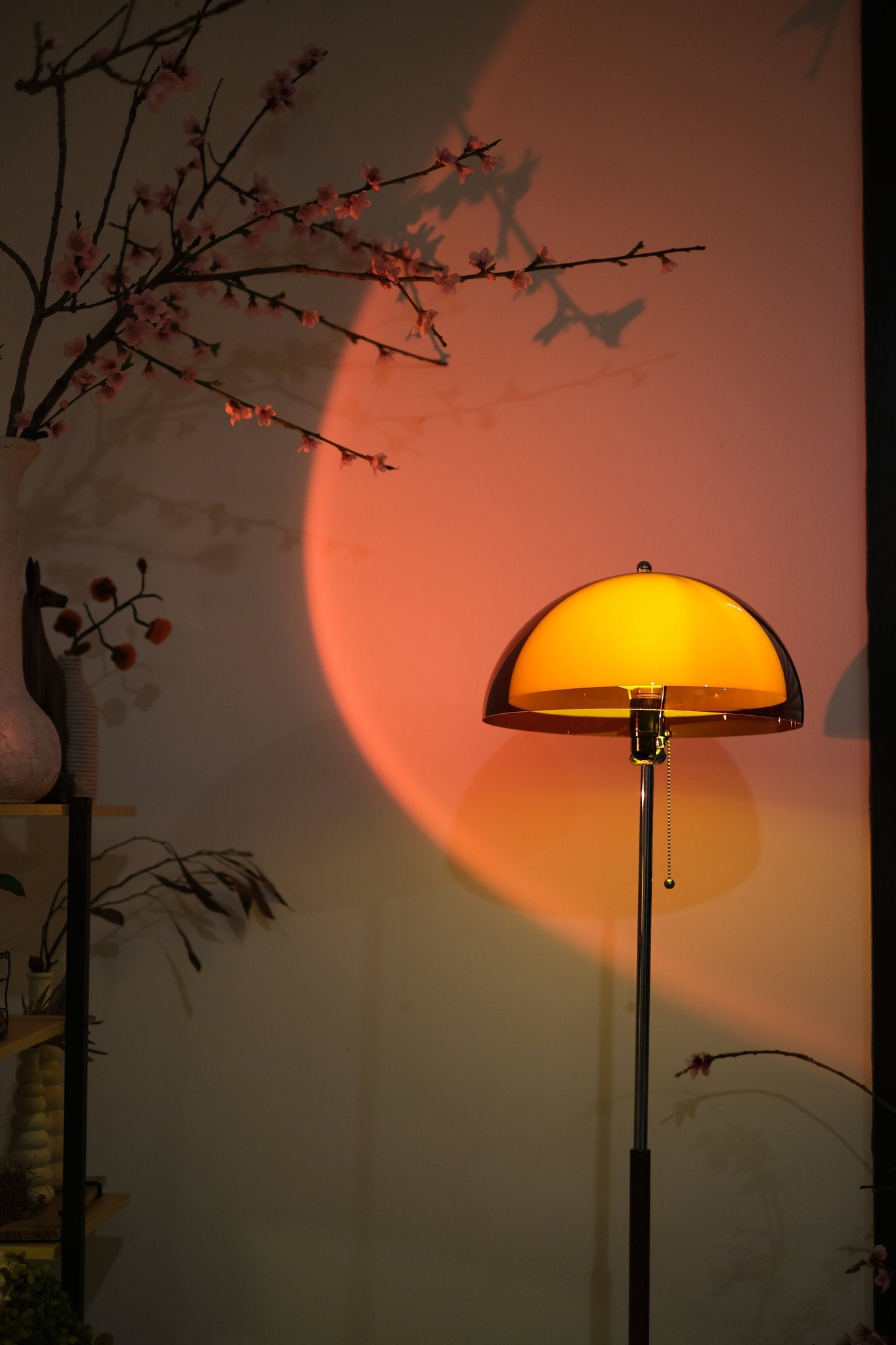
Let's be real for a second. You've seen those photos on Pinterest and Instagram—the ones where a single gorgeous floor lamp casts this warm, dreamy glow across an entire living room, and suddenly the space looks like something out of a design magazine. And you've probably wondered: can my floor lamp actually do that? Can one lamp really light up my whole room? The short answer? It's complicated. The honest answer? Let's talk about what floor lamps are actually good at, because once you understand that, you'll stop expecting the impossible and start creating lighting that actually works. The Honest Truth About Floor Lamps So here's the thing. A floor lamp is not designed to be the only light source in a room. That's not its job. That's like asking your favorite armchair to also be your bed—sure, it could technically work in an emergency, but you're not going to be comfortable. Floor lamps are task lighting and ambient lighting. They're there to create pools of light, to define zones, to add warmth and personality. They're not there to blast every corner of your living room like a surgical theatre. Think about how you actually use your living room at night. You're probably not doing surgery. You're reading on the couch, watching TV, chatting with someone, or just winding down. In all those situations, you don't need every single corner lit up like midday. You need light where you are, when you need it. That's exactly what a good floor lamp does. What a Floor Lamp Can Actually Do Let's get specific about what you're getting when you bring a floor lamp into your space. Create a Cozy Zone This is the superpower of floor lamps. Place one next to your favorite armchair or beside the sofa, and suddenly you've carved out a little moment in the room. It's your spot. The light says "sit here, relax, stay a while." No ceiling light can do that. Add Warmth and Atmosphere Remember how we talked about warm lighting taking over in 2026? Floor lamps are perfect for this. With a warm bulb (think 2700K to 3000K) and a fabric or linen shade, a floor lamp throws this soft, flattering glow that makes a room feel instantly more inviting. It's the difference between a waiting room and a living room. Fill the Shadows If you've got a corner that your ceiling light just can't reach, or a dark spot next to the bookshelf, a floor lamp is your answer. It fills those gaps with gentle light that makes the whole room feel more complete. Be the Statement Piece In 2026, floor lamps aren't hiding in corners. They're out there doing the most. A sculptural floor lamp with a curved shape, natural texture, or bold silhouette becomes part of your decor—not just a light source. Browse our collection of floor lamps for living room to see what we mean. Where Floor Lamps Work Best Not every floor lamp works in every spot. Here's where Australians are placing them in 2026. Next to the Sofa Classic for a reason. This gives you reading light, ambient glow, and a visual anchor for your seating area. Look for a lamp with an adjustable arm or a shade that directs light where you need it. In a Dark Corner You know that corner that just collects dust and bad energy? A floor lamp transforms it. Suddenly it's a feature, not an afterthought. Behind a Chair or Console This creates what designers call "layered lighting." The lamp isn't front and centre, but its glow softens the edges of the room and adds depth. Beside a Bookshelf or Display A floor lamp angled toward your books or objects turns them into a curated moment. It's gallery lighting for your actual life. For more ideas on where to place your lamps, our guide on lighting hacks for apartment living has plenty of inspiration. The One Thing You Need for Full Room Coverage Okay so here's the deal. If you want your whole living room properly lit, you need more than one source. This is where the magic of layered lighting comes in. The rooms that feel the best to be in—the ones that look good in photos and feel good in real life—use multiple types of light working together. You might have: Ceiling lights or downlights for general brightness when you need it A floor lamp next to the sofa for reading and relaxing Table lamps on side tables for soft ambient glow Maybe even a pendant light over the coffee table if you're feeling fancy When you layer like this, you can change the whole mood of your space based on what you're doing. Movie night? Just the floor lamp and a table lamp. Reading? Angle the floor lamp toward your book. Hosting? Bring up the ceiling lights and let everything shine. Our guide on layered lighting walks you through exactly how to build this setup in your own home. The 2026 Way of Thinking About Floor Lamps Here's the mindset shift that changes everything. Stop asking "will this one lamp light my whole room?" and start asking "how will this lamp work with everything else?" Because in 2026, lighting isn't about one source doing all the work. It's about building a system where each piece has a job, and together they create something better than any single light could manage on its own. Your floor lamp isn't failing because it doesn't reach the far corner of the room. That's not its job. Its job is to make your favorite spot feel like yours, to add warmth when you need it, to look beautiful whether it's on or off. And honestly? That's way more valuable than just another bright light. Floor Lamps at a Glance So let's land the plane. Can a floor lamp light up your entire room? No, not really. Not on its own. Should you still get one? Absolutely yes. But get it for the right reasons. Get a floor lamp because you want a cozy reading nook. Get one because you have a dark corner that needs love. Get one because you want your living room to feel warm and intentional and undeniably yours. Then pair it with ceiling lights, table lamps, and maybe a pendant, and suddenly you've got a lighting setup that actually works for how you live.That's the 2026 way. That's how Australian homes are doing it. Ready to find your perfect floor lamp? Explore our full collection of floor lamps for living room and sitting room lamps. And if you're still figuring out your overall lighting plan, our guide on 2026 lighting trends might help you see the bigger picture.
Learn more
Can Floor Lamps Replace Ceiling Lamps?
Let’s be real for a second: we’ve all had that moment where we walk into a room, flick on the ceiling lamp, and immediately feel like we’re under interrogation at a police station. It’s harsh, it’s flat, and it’s usually the least flattering light imaginable. This has led to a massive interior design movement often called "The Death of the Big Light." But can you actually ditch the overheads? Can floor lamps replace ceiling lamps entirely? Whether you’re a renter stuck with a "boob light" you hate, or a homeowner looking for a cozier vibe, the answer is a resounding yes—if you know the tricks of the trade. Why the Ceiling Lamp Isn't Always King Don't get me wrong, lamps from the ceiling have their place. They provide "ambient lighting," which is just a fancy way of saying they fill the whole room with light so you don't trip over the cat. They are practical, out of the way, and efficient. In case you don't know the difference between pendant lights and ceiling lamps, here is the guide to it. However, a floor lamp offers something a ceiling fixture rarely can: personality and depth. Overhead lights cast shadows directly downward, which can make your face look tired and your furniture look two-dimensional. Floor lamps bring the light down to eye level, creating a "glow" rather than a "glare." The Secret Sauce: Layering Your Light If you just take one skinny floor lamp and put it in a dark living room, you’re going to be disappointed. It’ll feel like a cave. To successfully replace ceiling lamp functionality, you need to understand "layering." 1. The Arch Lamp If you miss the centered light of lamps from ceiling, get an Arc Floor Lamp. These have a heavy base and a long, sweeping arm that hangs the bulb directly over your coffee table or sofa. It gives you that overhead glow without the need for an electrician or a hole in your drywall. 2. The Up-Lighter (The Torchiere) This is the MVP of replacing a ceiling lamp. A torchiere floor lamp points its bulb straight up at the ceiling. The light bounces off the white paint and scatters back down, mimicking the wide, even spread of a ceiling fixture but with a much softer edge. The Pros and Cons: A Quick Breakdown Feature Ceiling Lamp Floor Lamp Ease of Setup Hard (Needs wiring) Easy (Plug and play) Vibe Practical / Industrial Cozy / Architectural Portability Permanent Move it whenever you want Floor Space Saves space Occupies a footprint Control Usually one switch Can be dimmed or moved Tips for Making the Switch If you're ready to retire your lamps from ceiling, keep these pro tips in mind to ensure your room still feels bright and functional: Maximize the Lumens: Most people put weak bulbs in floor lamps. If your floor lamp is replacing your main light source, look for an LED bulb with at least 1500–2500 lumens. The Power of Three: A good rule of thumb for a medium-sized room is to have at least three light sources. Put them in a triangle pattern around the room to eliminate dark corners. Smart Plugs are Life-Savers: The biggest annoyance with floor lamps is walking around the room to turn each one on. Buy a pack of smart plugs. You can sync all your lamps to one "Master Switch" or just tell your phone, "Hey, turn on the living room," and—boom—instant ambiance. Mirror, Mirror: Place a floor lamp near a mirror. The reflection will double the light output and make your room feel twice as big. It’s an old staging trick that works every time. Dealing with the "Cord Problem" The only real "ick" when replacing lamps from ceiling with floor versions is the cable mess. Nobody wants a room that looks like a spaghetti factory. The Fix: Use clear cord clips to run wires along the top of your baseboards. Or, better yet, hide them under your area rug (just make sure they aren't in a high-traffic spot where they'll get stepped on constantly). There are also plenty of battery-powered or rechargeable floor lamps hitting the market now that look incredibly sleek. When You SHOULDN'T Replace the Ceiling Lamp I love a good floor lamp, but I have to be honest: there are times when you need that ceiling lamp. The Kitchen: You need bright, overhead light to see what you're chopping. A floor lamp in the kitchen is just a trip hazard waiting to happen Tiny Rooms: If your room is the size of a walk-in closet, a floor lamp base is going to eat up precious real estate. Stick to the ceiling there. High-Activity Areas: If you have kids or big dogs running around, a top-heavy floor lamp is basically a target. Can They Do It? Yes! In living rooms, bedrooms, and dens, a floor lamp (or three) is almost always a better choice than a standard ceiling lamp. It gives you control over the mood, it’s easier to customize, and you can take your investment with you when you move. By mixing an arch lamp for height, a torchiere for brightness, and a task lamp for focus, you can create a lighting scheme that looks like it was designed by a pro—all without ever touching a circuit breaker. So, go ahead. Give "The Big Light" a rest. Your eyes (and your home's aesthetic) will thank you.
Learn more
What Is the Difference between Pendant Lights and Ceiling Lights?
Let’s be honest, you’ve probably stared at your ceiling more than once trying to figure this out. Pendant light or ceiling light? They both hang up there. They both turn darkness into light. So what’s the actual difference—and does it really matter which one you pick? Short answer: yes, it absolutely matters. Pick the wrong one and your room can feel cramped, badly lit, or just… off. Pick the right one and suddenly your space makes sense. For Australian homes in 2026, getting this decision right is about more than just illumination—it’s about how you want to live, feel, and move through your space every single day. Let’s settle this once and for all. What Are We Actually Talking About? So let’s start with the basics, because honestly, the names don’t make it super obvious. Ceiling lights are fixtures that mount directly to your ceiling. Flush lights sit flat against it, semi-flush lights drop down just a tiny bit—maybe 10 or 15 centimetres. Their whole job is to spread light evenly across the entire room. No drama, no fuss. Just solid, dependable brightness that doesn’t ask for attention. Pendant lights are the ones that hang down. We’re talking cords, chains, rods—they dangle anywhere from 30 centimetres to well over a metre. They’re not trying to light up the whole room. They’re there to focus light exactly where you need it, and honestly? They look really good doing it. Think of ceiling lights as the reliable mate who always shows up on time and does the hard work quietly. Pendant lights are the one everyone notices when they walk into the party. Ceiling Lights: The Backbone of Your Home Let’s give ceiling lights their flowers. They’re not flashy, but you’d notice immediately if they weren’t there. Even, shadow-free light. Because they sit close to the ceiling, the light spreads out wide and consistent. No dark corners, no weird pools of brightness—just clean, uniform illumination that makes a room feel open and easy to be in. Low ceilings? No drama. If your ceiling is under 2.6 metres, a pendant light can feel like it’s invading your personal space. A floor to ceiling light keeps all that valuable headroom clear and your room feeling bigger than it actually is. They blend in (in the best way). Not every light needs to scream for attention. Sometimes you just want the room lit without a fixture competing with your furniture. Ceiling lights are masters of quiet functionality. Pendant Lights: The Statement Piece Everyone Wants This is where things get interesting. Pendant lights are having a proper moment in Australian homes right now, and in 2026, that moment is only getting bigger. Focused light that actually helps you see. Because they hang lower, pendants put light exactly where you need it—over your kitchen island while you’re chopping veggies, above your dining table while you’re hosting friends, next to your armchair while you’re reading. Instant personality, zero effort. A well-chosen pendant is like a good pair of earrings for your room. It draws the eye, anchors the space, and tells people something about who you are. Whether it’s a sculptural glass globe, a woven rattan shade, or a brass-toned metal, pendants carry personality in a way ceiling lights simply can’t. You can move them around (kind of). Okay not move, but adjust. You can hang them low for intimacy, higher for clearance, or cluster three at different heights for that curated gallery wall vibe. That flexibility is something no flush-mount light can offer. Room by Room: What Actually Works in 2026 Let’s get practical. Here’s how ceiling lights and pendant lights perform across real Australian homes, based on how people actually live in 2026. Living Room · Ceiling light: Great for consistent ambient light, especially if your ceiling height is standard. But on its own, it can feel flat and one-dimensional. · Pendant light: Adds character and helps define zones—say, above a coffee table or a reading corner. Works best if you’ve got the height to pull it off. · The 2026 take: Use both. A semi-flush ceiling light for overall brightness, plus a sculptural pendant as your accent piece. This is layered lighting in action. Kitchen · Ceiling light: Non-negotiable for general illumination across the whole space. You need this. · Pendant light: Also non-negotiable, but specifically over islands and peninsulas. This is where the magic happens. · The 2026 take: Ceiling lights for the perimeter, pendants for the island. If you’re renovating, our kitchen lighting guide has more ideas. Bedroom · Ceiling light: Perfect for soft, diffused ambient light. Flush or semi-flush keeps the room feeling open and airy. · Pendant light: Works beautifully on either side of the bed in place of table lamps. Saves surface space and looks incredibly polished. · The 2026 take: Ceiling light for general use, pendants for bedside. Add dimmers and you’ve got full control from morning to night. Dining Room · Ceiling light: Functional but forgettable. It won’t do justice to your dinner parties. · Pendant light: This is the room where pendants earn their keep. A single statement pendant or a linear multi-light fixture transforms meals into experiences. · The 2026 take: Always pendant. Always dimmable. Bathroom · Ceiling light: The safe, sensible choice. Just make sure it’s IP-rated for moisture. · Pendant light: Can work in larger bathrooms or powder rooms, hung well away from water sources. Adds unexpected luxury. · The 2026 take: Ceiling light for small bathrooms. Pendant for larger spaces where you want spa vibes. Can You Use Both? You Absolutely Should Here’s the thing—this isn’t an either-or decision. The best-lit homes in 2026 aren’t picking sides. They’re using both, and they’re using them together. Ceiling lights give you your ambient layer. That’s the base coat, the foundation that ensures no one’s fumbling around in the dark trying to find the sofa. Pendant lights give you your task and accent layers. Those are the focused pools of light that make a room functional, interesting, and undeniably yours. Think of it this way: ceiling lights are the walls. Pendant lights are the art. You need both to feel like a complete home. Finding Your Perfect Matchs If you’re in the middle of planning your lighting and feeling stuck between the two, start with your ceiling height and your non-negotiables. Need even light everywhere? That’s your ceiling fixture sorted. Want a focal point, task lighting, or just something beautiful to look at? That’s your pendant. From there, everything else falls into place. Explore our full range of pendant lights to see what speaks to your space. And if you’re still refining your vision, our guide on how to pick the right lampshade might help you see the whole thing differently—because sometimes the difference is all in the shade.
Learn more
Do Mushroom Lamps Attract Bugs?
Mushroom lamps are having a huge moment nowadays, and to be honest, I totally understand. They are not only super cute and a bit whimsical, but give off cozy warm light that can level up a bedroom or any other space instantly. But as much as we love that "magical forest" vibe, there is always a concern - is this little lamp going to attract too many bugs? Alright, it is quite fair to have that kind of concern as none of us wants to have a bug party in our room. So, just keep reading, you will find out how to get rid of a bug convention in your mushroom lamps without losing the warm glow. Why Bugs Love Lights Anyway First thing first, you need to understand why bugs tend to be attracted to lights. Obviously it is not because of some funny jokes like “those bugs love the taste in decor.” It’s basically because bugs are counting on natural light sources like the moon and stars to find their way around. So when your floor or table lamps are turned on with their bright light, you know what those bugs will be up to. They can be quite confused with the light of your lamps, and keep circling around it. But here’s the kicker: they're not attracted to all lights equally. Bugs are mostly into two things: That Blueish/UV Glow: This is like a giant neon sign for them. Heat: They're often looking for warm spots to hang out. So, Will My Mushroom Lamp Be a Bug Magnet? Here is quick good news for you. The short answer is an absolute No! The shape of your mushroom lamps will not make bugs think they are in the right place to have a party. Anyway, bugs are not usually attracted to fungi anyway, unless it’s actual fungi growing on something. What does matter, though, is what kind of bulb is inside and how the lamp is designed. And that's where mushroom lamps actually shine (pun intended again!). Do you know what really matters? It is both the bulbs inside and how the lamps are designed. And that's where mushroom lamps actually shine (pun intended again!). 1. The "Cap" Is Shielding You from Bugs Apparently, the most important point of a mushroom lamp is that cool, downward-facing lamp shade. Compared with those "up-light" lamps that easily collect a bowl of bugs(This is the exact place where all the dead flies end up.) The shade of a mushroom lamp plays a role like an umbrella, which covers the bulb and makes it way more difficult for bugs to get into the light source. So, less bug-bulb collisions means less creepy crawlies chilling on your lamp. Score! 2. Warm Tones Are a Bug Turn-Off Plenty of mushroom lamps come with tinted glass, such as those warm oranges, mellow amber, or even thick, milky opal shades. This is not just for looks or decoration(though it is a big help with the vibes and feelings of our houses.) These colors in fact filter out those useless UV light rays that bugs love the most. So, if your mushroom lamp comes with tinted glass, it is actually putting out a “get out of here!” signal with its cozy, warm glow. I am sure most bugs won’t be interested in that spectrum of light. 3. LEDs: The Bug-Free Power-Up Here’s another advantage for your mushroom lamps: most of them use LED bulbs, which are pretty awesome and useful for some reasons: They're Cool: Unlike old-school incandescent bulbs that get super hot (which, remember, bugs also love), LEDs barely produce any heat. So, no heat, no bug party. Less Blue Light: Even if your LED is a bit brighter, many modern LEDs are designed to be more energy-efficient and don't blast out as much of that bug-attracting blue light. So, if you're rocking a mushroom table lamp with both an LED bulb and a nice warm-toned shade, you're pretty much set for a bug-free glow. Don’t know how to choose different types of bulbs? Here is a guide that can definitely help you with that. How to Keep Your Mushroom Lamp (and Your Room) Even More Bug-Free Although your mushroom lamps are already doing a wonderful job getting rid of bugs, here are some extra hacks for you to make sure your houses keep cozy and bug-free: Go for Warm LEDs: Probably your lamps don’t come with LEDs, so you need to swap out any bright, cool white bulbs for warm-toned ($2700K$ or lower) LED bulbs. They can save you more energy and be less appealing to those annoying bugs. Mind Your Windows: Better not put your table lamps right next to an open window or door, especially at night. It is just merely inviting bugs to come over to your house. Keep it Clean: Dust and grime can sometimes attract tiny mites or other little critters. Give your lamp a quick wipe down now and then. Screen It Up: Make sure your window screens are in good shape. It's the simplest barrier! Embrace the Glow So, can you finally get that awesome mushroom lamp without fearing a bug invasion? Absolutely! These trendy lights are actually quite bug-friendly thanks to their design, the types of bulbs they use, and their warm, inviting glow. Go ahead, add that perfect mushroom table lamp to your reading nook, your bedroom, or anywhere that needs a touch of whimsical style. You can enjoy the cozy ambiance without having to constantly shoo away unwanted buzzing guests. Your home decor just got a major upgrade, and your bug problem didn't!
Learn more
Portable Night Lamps: Are They Worth it?
A portable night lamp is a cordless, easy-to-move light that runs on batteries or USB charging—no need to plug it into an outlet. Many of these lamps also double as portable table lamps, meaning you can use them for daily tasks while adding a touch of style to your space. This blog breaks down what a portable lamp is, its key benefits, small downsides, and who it's best for, with simple real-life examples to help you decide if this handy gadget is worth adding to your home. We'll keep the language simple and straightforward, so anyone can follow along and make an informed choice. 1. What Is a Portable Night Lamp? A portable night lamp is small, lightweight, and designed to be moved around easily—no cords or outlets required. Most models charge via a standard USB cable, just like your phone, while some use replaceable batteries for extra convenience. Many also work as a portable table lamp, so you can use them in multiple ways: keep it on your bedroom nightstand overnight to cast soft light when you wake up, then move it to your home office desk the next day for gentle illumination while answering emails or browsing the web. These lamps come in a wide range of sizes and styles to fit different homes: there are kid-friendly options with fun animal shapes (like rabbits or dinosaurs) that add a playful touch to nurseries, sleek metallic designs for modern living rooms, and simple white models that blend seamlessly with any decor. Whether you want something functional or decorative, there's a portable lamp to match your taste. 2. Flexibility and Safety One of the biggest perks of a portable lamp is its flexibility—you can use it almost anywhere in your home or even take it on the go. For example, if you're having a backyard barbecue with friends that runs into the night, you can grab your portable night lamp and set it on the patio table to light up snacks and drinks—no need for messy outdoor extension cords. If you go camping, a compact portable lamp can light up your tent without relying on campground electricity. These lamps are also incredibly safe for kids and pets, thanks to LED bulbs that stay cool to the touch. Unlike traditional lamps with hot incandescent bulbs, a portable table lamp won't burn little hands if your toddler grabs it while playing. The soft, warm light they emit also won't strain your eyes, making them perfect for quietly checking on babies at night without waking them up or disrupting their sleep. 3. Decor and Emergency Use Portable lamp options aren't just useful—they're also stylish additions to any room. A plain white portable table lamp fits perfectly in modern bedrooms or living rooms, adding a clean, minimalist look. For kids' rooms, colorful star-shaped or cartoon-themed lamps can be a fun decor piece that kids love. They're also great for small spaces like apartments or college dorms, where you might rearrange furniture often and don't want to be tied to a single outlet. Beyond daily use, portable night lamp models are lifesavers during power outages. When the electricity goes out unexpectedly (like during a storm), a fully rechargeable table lamp is much better than a phone flashlight: it's hands-free, lasts much longer, and casts more light. You can use it to find candles, check on your fridge, or light up hallways so you don't trip in the dark—no need to hold a phone or worry about the battery dying quickly. 4. Ease of Use and Downsides Using a portable night lamp is simple, even for kids or older family members. Most models have basic buttons or touch controls to turn the light on/off or adjust brightness, and recharging is a breeze—just plug a USB cable into the lamp and a phone charger or computer and let it charge overnight. Most portable lamp models last 8–24 hours on a single charge, depending on how bright you set the light: use it on low brightness as a night light, and it may last up to 2 full days before needing a recharge. Of course, there are a few downsides to consider. Cheap portable lamp models (usually under $20) often have short battery life—some only last 3–4 hours on high brightness, which isn't enough for a full evening of use. These lamps are designed for soft, ambient light, not bright task lighting, so they won't work well for studying, doing crafts, or other activities that need strong illumination. Additionally, stylish, high-quality portable table lamp designs may cost more than basic plug-in lamps, but they're usually more durable and last longer, making them a better long-term investment. 5. Who It's for and Final Verdict A portable lamp is a great fit for many peope, especially those who value convenience and flexibility. Renters will love them because they don't require drilling holes or running cords, so you can use them without damaging walls. Families with kids or older relatives will appreciate the safety and soft light, while frequent travelers can pack a small portable night lamp to use in hotels—many hotel rooms have harsh or poorly placed lights, so a portable lamp can make your stay more comfortable. They're also perfect for anyone who wants a tidy, cord-free nightstand, free of messy wires. All in all, a portable night lamp or portable table lamp is a smart buy. It's convenient, safe, stylish, and flexible, solving common problems like dark hallways, limited outlets, and harsh overhead lights. Whether you need it for your bedroom, home office, patio, or travel, it provides on-demand light exactly where you need it. If you're looking for a simple, practical way to add more light to your home without the hassle of cords, a portable lamp is absolutely worth it. Here is a guide to help you pick up the best portable lamp for bedside.
Learn more
How Do You Pick a Lampshade for a Lamp?
Let's be honest, the right lampshade is like the perfect outfit for your favourite lamp. It can transform a basic base into a statement piece, soften harsh glare into a cozy glow, and tie your whole room's style together. Pick wrong, and even the most beautiful lamp can look awkward or give off unpleasant light. But with so many shapes, materials, and sizes, how do you choose? Don't worry – it's simpler than you think. Follow this straightforward guide to learn how to pick a lampshade that complements both your lamp and your space. 1. Nail the Size & Proportion This is the most important rule to avoid a wobbly or top-heavy look. It's all about balance. Height Magic: A good starting point is for the lampshade's height to be roughly two-thirds the height of your lamp base (from the bottom of the base to the socket). This creates a classic, harmonious silhouette. Width Wisdom: The lampshade should be at least as wide as the widest part of your lamp base, and ideally a few centimetres wider. A shade that’s narrower than the base will look unstable. The Bottom Line: For a table lamp, the bottom of the shade should sit around eye level when you're seated nearby to prevent glare. It should also be high enough above the base to let the fixture 'breathe' visually. Speaking of table lamps, here is a guide for choosing the right table lamp for bedside if you need any advice. 2. Choose Your Material for Mood & Light The material of your lampshade dramatically affects the quality and amount of light thrown into the room. This choice is key for setting the ambiance. Fabric & Linen: The most popular choice for a reason. They diffuse light beautifully, creating a soft, warm, and even glow that’s easy on the eyes. Perfect for living rooms, bedrooms, and creating general ambiance. A linen lampshade adds a lovely, natural texture. Paper & Parchment: Offer a crisp, clean look and provide a soft, diffused light similar to fabric. Great for modern, Scandi, or minimalist interiors. Metal & Glass: These are less about diffusion and more about directing light. A metal shade (like brass or aluminium) will focus light dramatically up or down, creating pools of light and shadow for a moody, sophisticated effect. Glass shades offer a clear, bright light and work well in modern settings. 3. Match the Shape to Your Lamp's Style While you can mix and match, certain pairings are timeless for a reason. Drum Shades (Cylindrical): The versatile modern favourite. They work with almost any base – from simple ceramic pots to ornate vintage finds – and provide a clean, contemporary look. Browse our collection of modern drum lampshades for sale for ideas. Empire & Bell Shades (Tapered): These are wider at the bottom and narrower at the top. They’re a classic choice that pairs elegantly with traditional, vintage, or mid-century modern lamp bases, helping to direct light downwards. Rectangle & Square Shades: Ideal for modern or architectural lamp bases. They make a bold geometric statement. A Simple Rule: Often, matching the shape of the shade to the shape of the base works well (e.g., a round shade on a round base, a square shade on a square base). 4. Consider Colour, Pattern & Lining This is where your personal style shines through and your shade can become a real decor accent. Neutral & Light Colours: White, cream, beige, or grey shades will allow the most light to pass through and tend to suit any decor style. They’re a safe, timeless choice. Dark & Bold Colours: A dark or brightly coloured shade will create a more intimate, moody atmosphere as less light passes through. It becomes a bold colour block in your room. Pattern & Texture: A patterned shade can be a fantastic focal point. Just ensure it doesn’t clash with other patterns in the room. Textured fabrics (like woven rattan or pleated silk) add depth and interest even in neutral tones. The Lining Matters: A white or gold lining inside a dark shade will reflect more light downward, while a dark lining will absorb light for a moodier effect. 5. Don't Forget the Practical Bits A few technical details ensure your shade fits and functions perfectly. Check the Fitting: Most shades use either a 'spider' fitting (sits on a harp that you attach to the lamp) or an 'uno' fitting (screws directly onto the lamp socket). Know which type your lamp requires before you buy. Think About the Room: Where is the lamp? In a reading nook, you might prioritise a shade that directs light well. In a bedroom, a soft, fully diffusing fabric shade is ideal for ambient light. Final Advice: Trust Your Eye While the rules above are excellent guides, the final test is always visual. Place the shade on your lamp base and step back. Does it look balanced? Does it complement, not overwhelm, the base? Does it suit the vibe of the room? Remember, choosing a lampshade is a fun opportunity to refresh your lighting without buying a whole new lamp. It's an affordable way to update your decor and change the quality of light in your home. Ready to find your perfect match? Start by identifying your lamp's size and style, then explore the possibilities. And if you're still deciding on the perfect lamp base first, our guide on how to choose the right table lamps for bedside might help you begin your lighting journey.
Learn more
How to Fit an Arc Floor Lamp in Your House?
For many interior designers, arc floor lamps are always their first pick to decorate an Australian house among all kinds of home lighting. Featured in dramatic sweeping curve and elegant silhouette, an arc floor lamp serves both as overhead lighting and artistic decoration. However, they do not always fit in every space due to their irregular size and shape. So, if you just bring home a stunning arc floor lamp and don’t know what to do with it, here is an ultimate guide to take care of the placement and styling in your space. 1. Getting the Size and Reach Right Before you position your lamp, you need to account for its "reach." Unlike standard vertical lamps, an arc floor lamp occupies both vertical and horizontal space. Ceiling Height: Ensure your ceiling is high enough to accommodate the peak of the arc. A lamp that grazes the ceiling can make a room feel cramped. The "Head-Room" Factor: The shade should hang high enough that people won't bump their heads when standing up from a sofa, but low enough to create an intimate pool of light. Footprint: Many arc lamps have heavy marble or steel bases to counterweight the extended arm. Make sure you have clear floor space to accommodate a large, sturdy base without creating a tripping hazard. First thing first, don’t rush into anything before you get to account for the “reach” of your arc floor lamp. It is not like those standard vertical lamps, which can fit anywhere easily in your space. An arc floor lamp can occupy both vertical and horizontal space. Ceiling Height: Make sure your ceiling is high enough to accommodate the peak of the arc. If the light sweeps across the ceiling, it will make the room feel cramped. The "Head-Room" Factor: On one hand, the shade of your lamp should be high enough so you won’t bump your heads while standing up from a sofa or a chair; On the other hand, it should be low enough so that the beam of light isn't too far away from you. By adjusting for a few times, I am sure you will find the perfect height for your arc floor lamp. Footprint: Most Arc floor lamps come with marble or steel bases aiming to counterweight the extended arm. If you don't want to trip over it every time you pass by, you need to reserve some space in advance for a large and sturdy arc lamp base. 2. Some Strategic Placement Ideas The beauty of the arc lamp is its ability to provide "overhead" lighting without the need for hardwiring a ceiling fixture. Here are the best spots to place one: Over the Sofa This is the most classic placement. Position the base behind the corner of a sectional or at the end of a sofa. The arm then reaches over the seating area, providing perfect task lighting for reading or a soft glow for movie nights. This setup is particularly popular for those browsing arc floor lamp Australia collections, as it suits the open-plan living common in many modern Australian homes. Above the Dining Table If you’re renting or can’t install a chandelier, an arc lamp is a brilliant workaround. By placing the base in a corner and extending the shade over the center of the dining table, you create a focused, sophisticated dining atmosphere. The Reading Nook Pair a smaller arc lamp with a plush armchair. The curve of the lamp creates a "cocoon" effect, defining the reading nook as a separate zone within a larger room. 3. Matching Your Interior Style When shopping for floor lamps Australia, homeowners often look for pieces that complement their existing aesthetic. The arc lamp is surprisingly versatile: Style Lamp Characteristics Mid-Century Modern Look for chrome finishes and large, hemispherical metal shades (the iconic "Arco" style). Industrial Opt for matte black finishes, exposed bolts, and Edison-style bulbs. Minimalist Choose a thin, carbon-fiber or slim metal arm with a neutral linen drum shade. Bohemian Seek out arc lamps with rattan or woven shades to add texture and warmth. 4. Technical Considerations for the Australian Home When selecting an arc floor lamp Australia residents should keep a few technical details in mind to ensure the lamp is as functional as it is beautiful. Bulb Temperature: For living areas, choose a "Warm White" bulb (around 2700K to 3000K). This enhances the cozy, inviting nature of the lamp’s design. Dimmability: If possible, choose a lamp with a dimmer switch. Arc lamps can be quite bright; being able to soften the light transforms the lamp from a task light into ambient mood lighting. Stability: Australia’s coastal or breezy environments mean you want a lamp with a significant base weight, especially if it’s placed near a balcony or large window. 5. Common Mistakes to Avoid To ensure your new lighting doesn't become a nuisance, avoid these common pitfalls: Blocking Traffic Flow: Never place the arc across a high-traffic walking path. The arch should "hug" furniture, not cut through the middle of the room. Ignoring the Cord: A long cord trailing across the floor ruins the sleek aesthetic. Use clear cord clips or tuck the cord under the edge of an area rug. Wrong Shade Height: If the shade is too high, the bulb might glare in the eyes of people sitting down. Adjust the arc so the bottom of the shade is roughly at eye level when standing. Conclusion An arc floor lamp is more than just a light source; it is a sculptural element that adds height, curve, and character to a room. Whether you are searching through the wide variety of floor lamps Australia provides or specifically hunting for a statement arc floor lamp Australia style, the key is to respect the lamp's proportions and let it define your space. Want to align your home lighting with what’s on-trend and practical for Australian homes this year? Explore our top 2026 lighting trends for modern Australian homes here.
Learn more