
You know that moment.
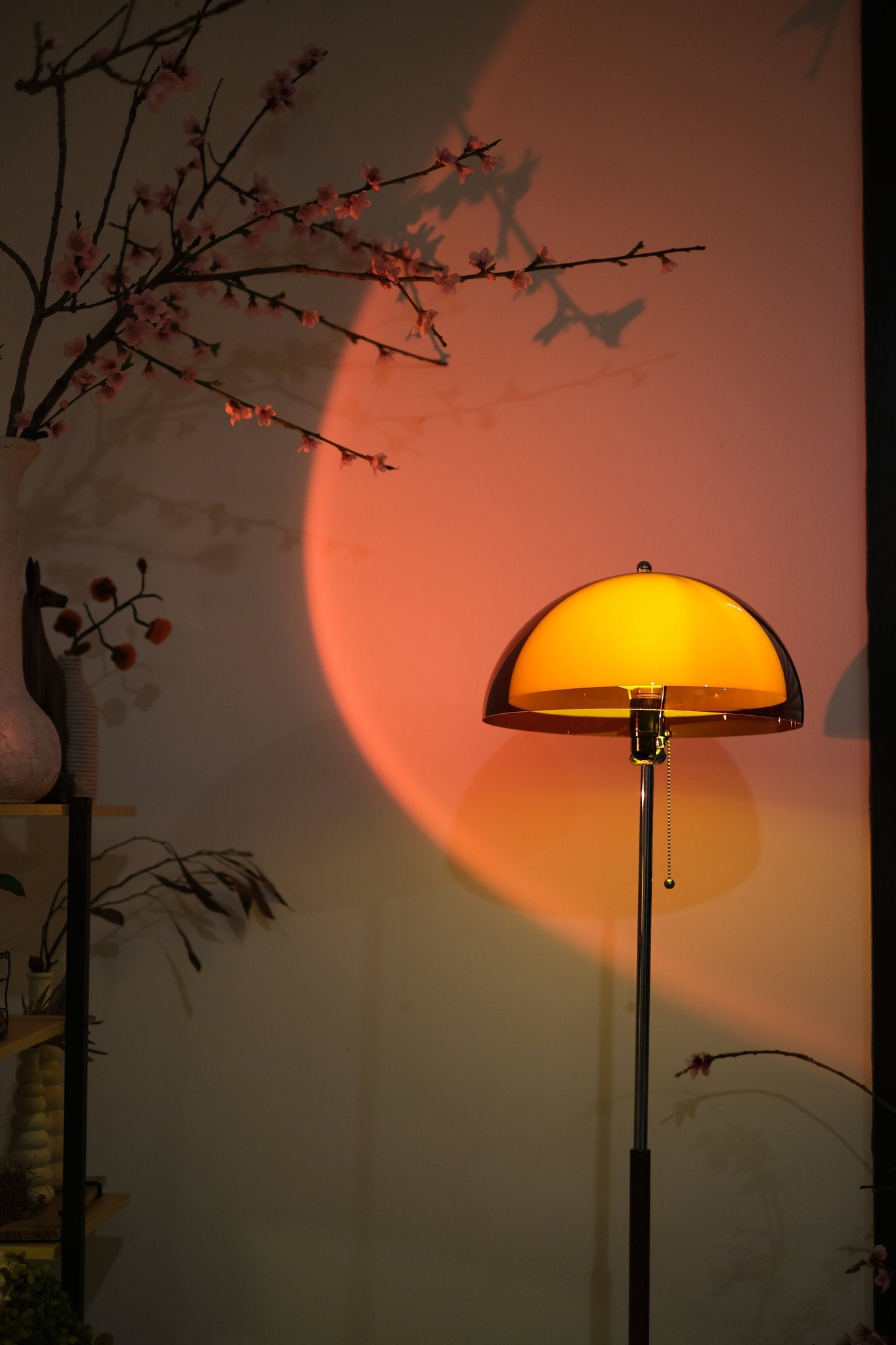
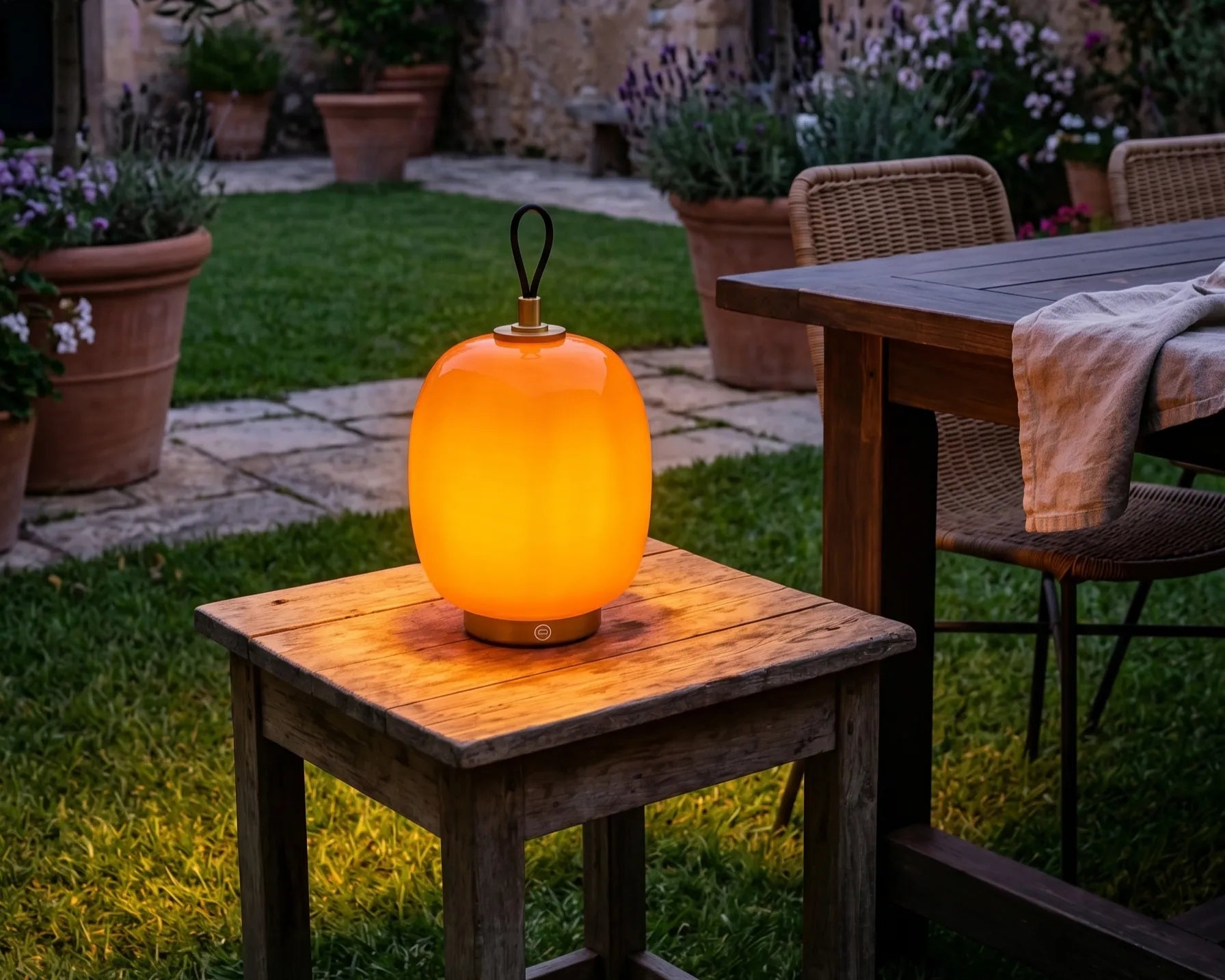
It's evening. You've turned off the overhead light. Maybe you've lit a candle. Your favourite floor lamp is on, casting a gentle glow across the room. And suddenly, everything looks different.
The sofa looks softer. The colours in your rug seem richer. Even the shadows feel friendly – like they're part of the room, not hiding something.
This isn't just in your head. A room seen only under warm lamp light is a completely different space from the same room under harsh overheads. And understanding why changes how you think about your home.
Let's talk about the quiet magic of warm lamp light – and why it makes everything feel better.
The Overhead Light Lies to You
Here's something designers know but don't always say.
Overhead lights are liars.
They flatten everything. They cast shadows straight down, erase texture, and make colours look washed out. That beautiful timber coffee table? Under a ceiling light, it looks flat and lifeless. Under a warm lamp? You see the grain, the depth, the character.
The problem: Most of us see our rooms almost entirely under overhead light. We wake up, turn on the big light, and judge our homes by that harsh, dishonest illumination.
The fix: Try this. When the sun goes down, turn off every overhead light in your living room. Light only with floor lamps, table lamps, and small lamps. Then sit down and look around.
What you're seeing is what your room actually looks like when it's treated with care.
Warm Light Brings Out the Best in Everything

Colour changes under warm light. And not just a little – dramatically.
What happens: Warm light (2700K) enhances reds, oranges, and yellows. It makes timber glow. It warms up cool greys and blues. Even white walls look creamier and more inviting.
What cool light does: Cool light (4000K+) enhances blues and greens. That's fine for a hospital. But in your living room, it makes warm tones look muddy, timber look grey, and your skin look tired.
The result: A room lit by warm lamps looks richer, deeper, and more expensive than the same room under cool light. You don't need new furniture – you just need better light.
Shadows Become Beautiful (Not Scary)
Here's something most people get wrong. They think good lighting means no shadows. But without shadows, a room is flat and boring.
Warm lamp light creates intentional shadows. Gentle, soft shadows that give depth and drama without feeling harsh. The lamp on your bedside table casts a warm pool of light on your book. The shadows beyond that pool feel cosy, not threatening.
Why it works: Our eyes need contrast to see depth. Too much light kills contrast. Warm lamp light creates just enough contrast to make a room feel three‑dimensional, without the harsh edges that overhead lights produce.
Try this: Place a small lamp on a low shelf, pointed at the wall. The light will wash upward, casting soft shadows across the texture of the wall. Suddenly, a blank wall becomes interesting.
For more on placing lamps for beautiful shadows, our article on floor lamp placement tips has practical advice.
Warm Light Changes How You Feel (Not Just How You See)

This is where it gets really interesting.
What happens in your brain: Warm, dim light signals safety. It's the light of fire, of candles, of sunset. Your brain evolved to associate this light with rest, protection, and home.
What happens under cool, bright light: Your brain thinks it's midday. You're alert, stressed, ready to work. Cortisol stays high. Melatonin (the sleep hormone) stays low.
The 2026 shift: More Australians are choosing their evening lighting based on how they want to feel, not just how they want to see. Warm lamp light isn't just nicer – it's actively better for your nervous system.
This is why layering with soft light lamps and dimmers matters so much. You can go from "work mode" to "rest mode" with a single switch.
Our guide on the science of cozy goes deeper into the biology of warm light.
The Ritual of Turning Overhead Lights Off
There's also something almost ritualistic about switching from overheads to lamps.
The action: You reach up. You click off the ceiling light. The room darkens for a moment – and then you turn on your small table lamp or floor lamp. The warm glow spreads across the room, and suddenly you exhale.
Why it matters: That act – turning off the big light and choosing the soft one – is a signal to yourself. Work is over. Daylight is over. It's time to relax, be still, be home.
In a world where we're always on, that small ritual is surprisingly powerful. And it only works if you have lamps worth turning on.
How to Create the Warm Light Effect
You don't need expensive fixtures. You just need the right bulbs, the right placement, and the right shades.
What you need:
-
Warm bulbs everywhere. 2700K as a baseline. 2200–2400K for lamps you use in the evening.
-
Shades that diffuse. Fabric, linen, frosted glass, or paper. Nothing transparent or reflective.
-
Dimmers. Control over brightness = control over mood.
-
Multiple sources. One lamp creates shadows. Three lamps create atmosphere.
Where to put them:
-
A floor lamp beside the sofa for reading and ambient glow
-
A small lamp on a sideboard for depth
-
A table lamp on a bookshelf for accent light
-
A bedroom wall light above your bed for wind‑down light
The One Room That Benefits Most

If you try this in only one room, make it your living room.
Why: This is where you decompress after work, where you host friends, where you spend your evenings. It's the room that most needs to feel warm, welcoming, and undeniably yours.
The setup:
-
Overhead light off. Never on.
-
Two floor lamps on opposite sides of the room – one near the sofa, one in a corner.
-
One small lamp on a console or shelf.
-
Dim them all low for movie nights, medium for conversation, slightly higher for reading.
Spend one evening in this room. Notice how the conversation flows differently. How you don't want to leave. How the room feels like a hug.
That's the beauty of warm lamp light.
Quick Checklist: Seeing Your Room in Warm Light
Tonight:
-
Turn off every overhead light after sunset
-
Light only with warm lamps (2700K or lower)
-
Use at least two or three sources – not just one
-
Sit in the middle of the room. Look around. Notice what you've been missing.
This week:
-
Swap any cool bulbs for warm white (2700K)
-
Move a lamp into a dark corner and angle it outward
-
Add a dimmer to your most‑used lamp
-
Buy one small lamp for a spot that's always been dark
The Bottom Line
There's nothing quite like a room seen only under warm lamp light.
The colours are richer. The shadows are softer. The room feels like it belongs to you – not to some designer, not to a magazine, but to you and the way you actually live.
Overhead lights are for function. Lamps are for feeling. And in 2026, more Australians are choosing feeling.
Ready to see your home in its best light? Start with our collection of warm, diffusing floor lamps – perfect for anchoring your living space with that gentle, inviting glow.
And for layered, intimate lighting, browse our selection of table lamps – each one designed to cast beautiful, eye‑comforting light exactly where you need it. Explore them all at Homezee today.
FAQs
1. Why does my room look better under lamp light than overhead light?
Overhead lights cast harsh, downward shadows that flatten textures and wash out colours. Warm lamp light comes from multiple directions, creates gentle contrast, and enhances warm tones in your furniture and walls. The result is depth, richness, and a softer overall feel.
2. What colour temperature should I use for warm lamp light?
Aim for 2700K as your baseline. For evening lamps (bedside, living room accent), go even warmer – 2200K to 2400K mimics candlelight and is incredibly flattering. Avoid anything above 3000K for spaces where you want to relax.
3. Can I get the same effect with LED bulbs?
Absolutely. LED bulbs now come in a wide range of warm temperatures. Look for "warm white" (2700K) or "extra warm" (2200K). Make sure they're dimmable if you want control over brightness. Avoid LEDs labelled "cool white" or "daylight" – those are over 4000K.
4. How many warm lamps do I need to light a living room?
Aim for at least three sources: one floor lamp beside the sofa, one floor lamp or small lamp in a corner, and one table lamp on a sideboard or shelf. You can mix heights, shapes, and bulb types – the goal is even, layered illumination.
5. Can I mix warm lamps with cool ceiling lights in the same room?
You can, but it gets tricky. Mixing colour temperatures creates visual tension – warm lamp light next to cool overheads can look muddy or off‑putting. For the most beautiful effect, go all‑in on warm light. Turn off the overheads and use lamps only.
Still have questions about creating beautiful warm light in your home? Our Homezee team is here to help. And if you're looking for lamps for sale that create that magical evening glow, we've got you covered.