
Australia is famous for its beautiful sunshine. Whether you live in Sydney, Melbourne, Brisbane, Perth, or a coastal town, natural light is one of the biggest advantages of Australian homes. But while sunlight can make a space feel bright and welcoming during the day, relying on it alone isn't enough.
The secret to creating a comfortable, functional, and cozy home is learning how to balance natural light with artificial lighting. And when it comes to artificial lighting, lamps often play the most important role.
In this guide, we'll show you how to create the perfect lighting balance in your Australian home, why lamps are essential for every room, and how thoughtful lighting choices can improve both comfort and style.
Why Lighting Balance Matters

Many homeowners make the mistake of thinking that more light automatically means better lighting. In reality, good lighting is about balance.
Too much direct sunlight can cause:
-
Harsh glare
-
Eye strain
-
Faded furniture and flooring
-
Overheated rooms during summer
On the other hand, relying solely on overhead artificial lights can create:
-
Flat, lifeless spaces
-
Uncomfortable shadows
-
A cold and sterile atmosphere
The goal is to combine natural daylight with layered artificial lighting so your home feels inviting from morning until night.
Start by Maximizing Natural Light

Before adding lamps and other fixtures, make the most of the daylight already available.
Keep Windows Unobstructed
Heavy curtains and bulky furniture can block valuable sunlight. Consider:
-
Sheer curtains
-
Light-filtering blinds
-
Minimal window coverings in living areas
This allows sunlight to spread deeper into the room while still providing privacy.
Use Mirrors to Reflect Daylight
Mirrors are one of the easiest ways to increase natural brightness. Position a mirror opposite a window to bounce sunlight throughout the space.
This simple trick can make smaller Australian homes and apartments feel significantly brighter and larger.
Choose Light-Coloured Surfaces
Walls, ceilings, and furniture in lighter shades naturally reflect more daylight than darker finishes.
White, beige, soft grey, and natural timber tones help maximize available sunlight and reduce the need for artificial lighting during the day.
Why Lamps Are Essential for Balancing Light
Natural light changes constantly throughout the day.
A room that feels bright at 10 AM can suddenly become dim by late afternoon. This is where lamps become indispensable.
Unlike harsh ceiling lights, lamps provide flexible and targeted illumination exactly where you need it.
The biggest advantage of lamps is that they allow you to layer light gradually rather than flooding a room with a single bright source.
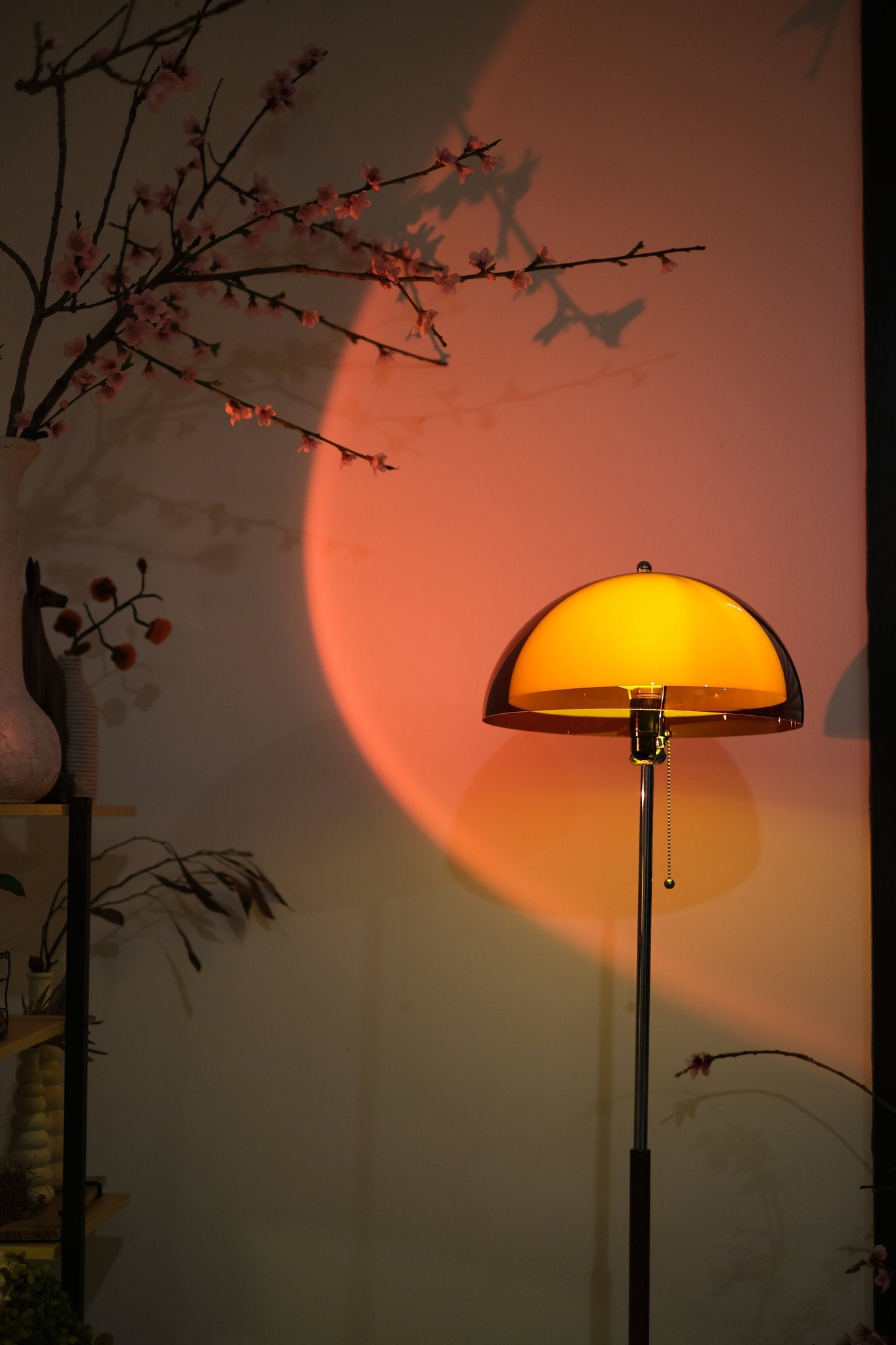
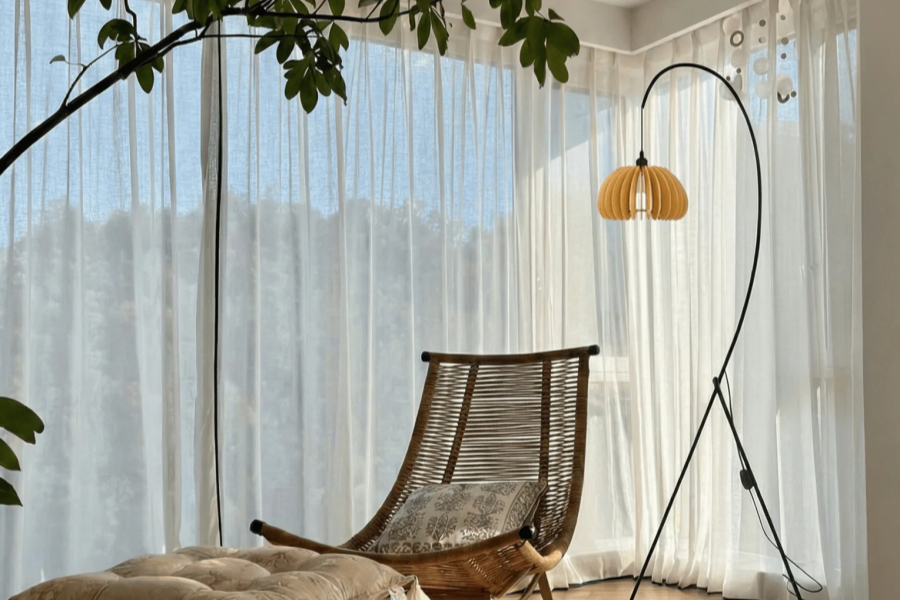
Floor Lamps Fill Dark Corners

Many Australian homes have corners that never receive enough daylight.
A well-placed floor lamp can:
-
Brighten neglected areas
-
Create visual balance
-
Add warmth during evening hours
-
Reduce contrast between bright and dark zones
Floor lamps are particularly effective in living rooms where natural light fades after sunset.
Table Lamps Create Cozy Atmospheres

Table lamps are one of the easiest ways to soften a room.
Instead of relying on one overhead fixture, place table lamps on:
-
Side tables
-
Console tables
-
Bedside tables
-
Shelving units
The result is a more comfortable and inviting environment that feels far more relaxing than a bright ceiling light.
Reading Lamps Improve Functionality

Natural light is ideal for reading during the day, but evenings require focused illumination.
Reading lamps provide targeted task lighting without overwhelming the entire room.
This allows family members to enjoy different activities while maintaining a comfortable overall ambiance.
Layer Your Lighting Like a Designer
Professional interior designers rarely rely on a single light source.
Instead, they use a layered lighting approach that combines three key elements.
Ambient Lighting
This is your general room lighting.
Examples include:
-
Ceiling fixtures
-
Large floor lamps
-
Wall sconces
Ambient lighting provides the overall brightness level.
Task Lighting
Task lighting helps you perform specific activities.
Examples include:
-
Desk lamps
-
Reading lamps
-
Kitchen lighting
These lamps focus light exactly where it's needed.
Accent Lighting
Accent lighting adds mood and visual interest.
Examples include:
-
Decorative table lamps
-
Wall lights
-
Display cabinet lighting
Together, these layers create depth and flexibility throughout the day.
Choose the Right Bulb Temperature

Not all light looks the same.
The color temperature of your bulbs has a huge impact on how natural your artificial lighting feels.
Morning and Daytime
Choose cooler bulbs around:
-
4000K to 5000K
These mimic daylight and support focus and productivity.
Evening and Night
Switch to warmer bulbs around:
-
2700K to 3000K
Warm light feels softer and more relaxing, making it ideal for winding down after work.
Many modern lamps now support smart bulbs that automatically adjust throughout the day.
Don't Forget Pet-Friendly Lighting

If you share your home with pets, lighting choices become even more important.
Cats, dogs, and curious pets can easily knock over lightweight lamps or chew exposed cords.
When selecting lamps, consider sturdy bases, hidden cables, and durable materials. If you're looking for more guidance, check out our helpful guide on pet-safe lighting.
It offers practical tips for creating a well-lit home that's both stylish and safe for your furry companions.
Room-by-Room Lighting Tips
Living Room
Combine:
-
Natural daylight from windows
-
A floor lamp near the sofa
-
Table lamps on side tables
This creates flexibility throughout the day.
Bedroom
Natural light is important during the morning, but softer lighting is essential at night.
Use:
-
Bedside lamps
-
Warm bulbs
-
Dimmable lighting
Avoid relying solely on bright ceiling fixtures.
Home Office
Place your desk near a window whenever possible.
Supplement daylight with:
-
Adjustable desk lamps
-
Neutral white bulbs
-
Anti-glare positioning
Dining Room
Natural light works beautifully during daytime meals.
In the evening, combine:
-
Pendant lighting
-
Table lamps on nearby consoles
-
Accent lighting for atmosphere
Final Thoughts
Balancing natural light and artificial light isn't about choosing one over the other—it's about making them work together.
Natural daylight brings energy, openness, and connection to the outdoors. Lamps bring warmth, flexibility, and comfort when the sun disappears.
By layering floor lamps, table lamps, and task lighting throughout your home, you can create spaces that feel bright during the day and cozy at night.
The best Australian homes don't simply have more light—they have better-balanced light. And in most cases, the secret ingredient is a thoughtfully chosen lamp.
FAQs
1. Why are lamps better than relying only on ceiling lights?
Lamps create layered lighting, reduce harsh shadows, and make rooms feel warmer and more inviting.
2. What type of lamp is best for a living room?
Floor lamps and table lamps work best together to create balanced ambient lighting.
3. How can I make a dark room feel brighter naturally?
Use mirrors, light-coloured surfaces, and keep windows clear of heavy coverings.
4. How do I choose pet-friendly lamps?
Look for heavy bases, durable materials, and concealed cords to improve safety.
5. What's the biggest lighting mistake homeowners make?
Relying on a single ceiling light instead of combining natural light with multiple lamp sources.