
Have you ever noticed how a room can completely change your mood without you even realizing it? One minute you're focused on answering emails and finishing deadlines, and the next you're relaxing with a glass of wine, enjoying a quiet evening. The secret behind this transformation often comes down to one simple element: lighting.
Lighting is much more than just a practical necessity. It has the power to influence our emotions, productivity, energy levels, and even how we connect with the people around us. Whether you're working from home, hosting friends, or simply unwinding after a long day, the right lighting can help you transition seamlessly from work mode to wine time.
Why Lighting Matters More Than You Think

Most people spend a significant amount of time indoors, especially with the rise of remote work and flexible schedules. Yet many homeowners overlook the impact that lighting has on their daily lives.
Bright, cool-toned lighting helps keep us alert and focused. That's why offices, coworking spaces, and study areas often use cooler white light. On the other hand, warm lighting creates a sense of comfort, relaxation, and intimacy. Think about your favorite restaurant, wine bar, or cozy living room—they rarely use harsh bright lights.
Lighting affects:
-
Productivity and concentration
-
Mood and emotional well-being
-
Sleep quality
-
Interior aesthetics
-
Social atmosphere
The ability to adjust lighting throughout the day allows a space to serve multiple purposes without requiring any major changes to furniture or décor.
Creating the Perfect Work Environment
When it's time to work, your lighting should help you stay energized and focused.
For a productive workspace, consider:
Use Bright Task Lighting

A dedicated desk lamp can reduce eye strain and improve visibility. Look for lighting that closely resembles natural daylight, typically between 4000K and 5000K color temperature.
Maximize Natural Light

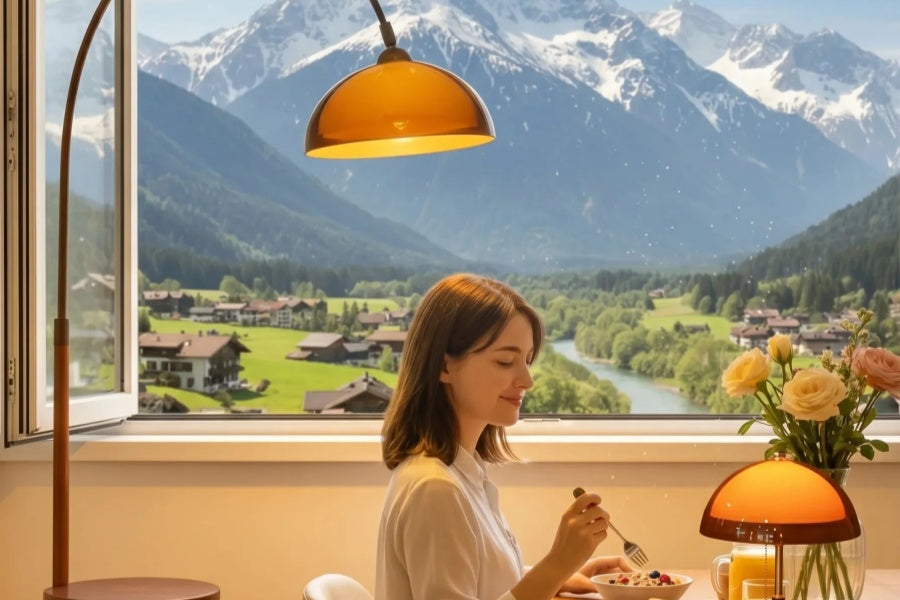
Natural sunlight remains one of the best productivity boosters available. Position your desk near a window whenever possible. Exposure to daylight helps regulate your body's internal clock and can improve overall focus.
Reduce Shadows and Glare
Poor lighting can cause headaches and fatigue. Use layered lighting, combining ambient and task lighting, to eliminate dark spots and create a balanced environment.
The goal during working hours is simple: keep the space bright enough to support concentration without feeling harsh or uncomfortable.
The Transition: Shifting from Work to Relaxation
One of the biggest challenges of working from home is mentally separating work life from personal life. This is where lighting becomes a powerful tool.
As your workday ends, gradually changing the lighting signals to your brain that it's time to relax.
Simple adjustments include:
-
Dimming overhead lights
-
Switching to warm-toned bulbs
-
Turning on accent lighting
-
Using table lamps instead of ceiling lights
-
Incorporating candles or decorative lighting
These small changes can create a psychological boundary between professional responsibilities and personal time.
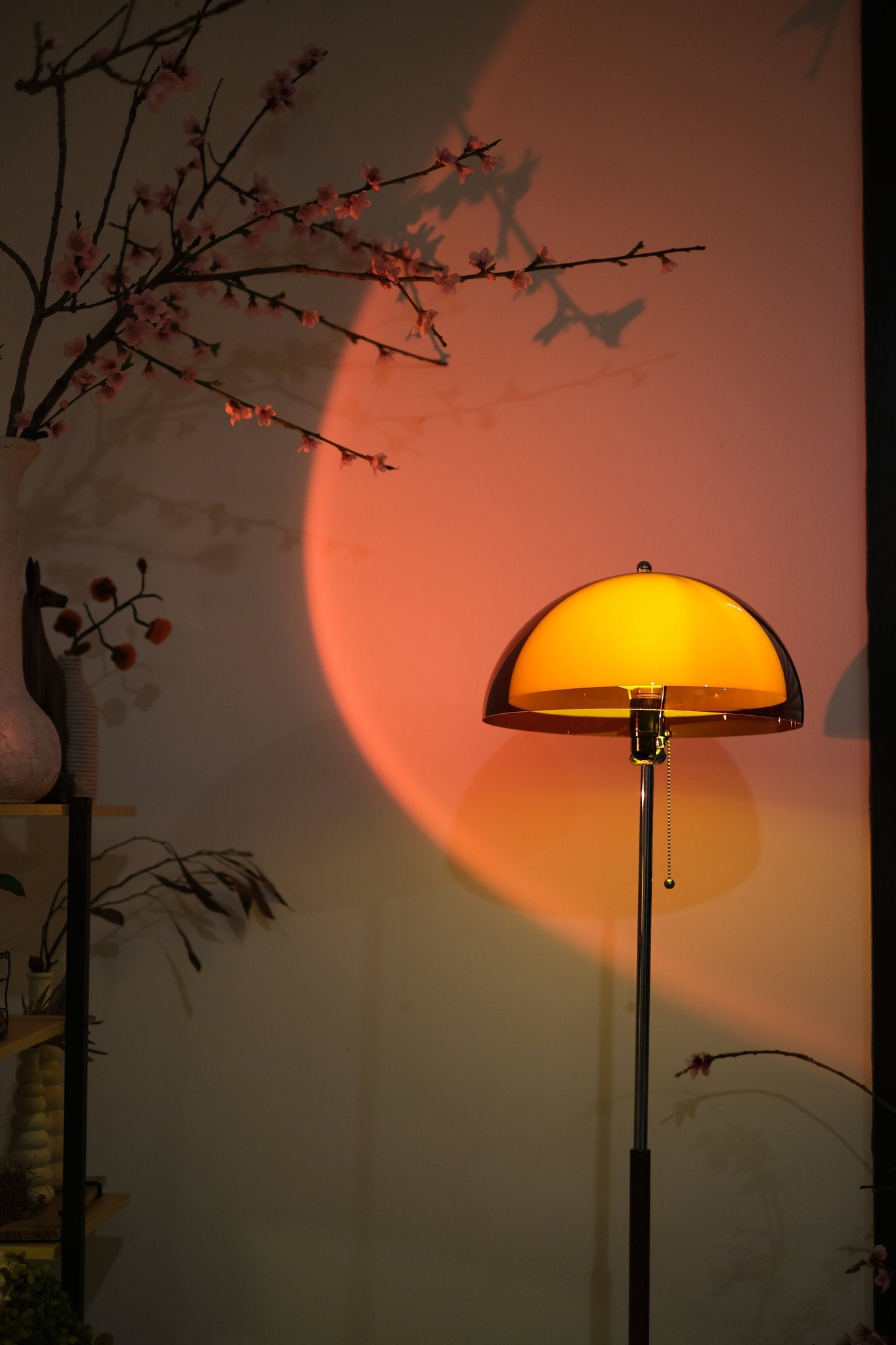
Wine Time: Setting the Mood with Warm Lighting

Imagine pouring your favorite glass of wine under bright office lighting. It doesn't quite feel right, does it?
Warm lighting instantly changes the atmosphere.
Choose Warm Color Temperatures
For relaxation spaces, lighting between 2200K and 3000K creates a cozy and inviting ambiance. The softer glow encourages conversation and helps reduce stress.
Highlight Key Areas
Accent lighting can draw attention to wine shelves, artwork, bookshelves, or decorative pieces. This adds depth and character to your space while creating a more sophisticated environment.
Layer Different Light Sources
The most inviting rooms rarely rely on a single light source. Combine:
-
Floor lamps
-
Table lamps
-
Wall sconces
-
Pendant lights
-
LED strip lighting
Layering creates visual interest and allows greater flexibility depending on the occasion.
Smart Lighting: The Modern Solution

Technology has made it easier than ever to switch between work mode and relaxation mode.
Smart lighting systems allow you to:
-
Adjust brightness instantly
-
Change color temperatures
-
Create custom lighting scenes
-
Schedule automatic transitions
-
Control lighting from your smartphone
With a single tap, you can transform a bright workspace into a cozy evening retreat.
Many homeowners now create presets such as:
-
Focus Mode
-
Meeting Mode
-
Dinner Mode
-
Movie Night Mode
-
Wine Time Mode
Learn more about what specs matter when buying smart lights.
Lighting and Emotional Well-Being
The connection between lighting and mental health is increasingly recognized by designers and wellness experts.
Exposure to bright light during the day supports alertness and productivity. Meanwhile, warmer lighting in the evening encourages relaxation and prepares the body for restful sleep.
By intentionally adjusting your lighting throughout the day, you're not just improving the appearance of your home—you're supporting your overall well-being.
Final Thoughts
The journey from work mode to wine time doesn't require a complete home makeover. Sometimes, the most effective transformation comes from simply changing the way you light your space.
Whether you're working remotely, entertaining guests, or enjoying a quiet evening alone, thoughtful lighting design can elevate every moment. Bright lighting helps you stay productive when it's time to focus, while warm lighting creates the perfect atmosphere for relaxation and connection.
At the end of the day, great lighting isn't just about seeing better—it's about living better.
FAQs
1. What type of lighting is best for working from home?
Cool white lighting between 4000K and 5000K is ideal because it promotes focus and reduces fatigue.
2. Are smart lights worth the investment?
For many homeowners, smart lighting offers convenience, energy efficiency, and customizable settings that enhance daily living.
3. How can I make my living room feel more inviting?
Use warm lighting, multiple light sources, and dimmable fixtures to create a welcoming atmosphere.
4. Is natural light better than artificial light?
Natural light is generally preferred for daytime productivity and overall well-being, but artificial lighting can effectively supplement it.
5. Can lighting improve sleep quality?
Yes. Reducing exposure to bright, cool-toned light in the evening can help support healthy sleep patterns.