
The Homezee Edit

How Do You Pick a Lampshade for a Lamp?
Let's be honest, the right lampshade is like the perfect outfit for your favourite lamp. It can transform a basic base into a statement piece, soften harsh glare into a cozy glow, and tie your whole room's style together. Pick wrong, and even the most beautiful lamp can look awkward or give off unpleasant light. But with so many shapes, materials, and sizes, how do you choose? Don't worry – it's simpler than you think. Follow this straightforward guide to learn how to pick a lampshade that complements both your lamp and your space. 1. Nail the Size & Proportion This is the most important rule to avoid a wobbly or top-heavy look. It's all about balance. Height Magic: A good starting point is for the lampshade's height to be roughly two-thirds the height of your lamp base (from the bottom of the base to the socket). This creates a classic, harmonious silhouette. Width Wisdom: The lampshade should be at least as wide as the widest part of your lamp base, and ideally a few centimetres wider. A shade that’s narrower than the base will look unstable. The Bottom Line: For a table lamp, the bottom of the shade should sit around eye level when you're seated nearby to prevent glare. It should also be high enough above the base to let the fixture 'breathe' visually. Speaking of table lamps, here is a guide for choosing the right table lamp for bedside if you need any advice. 2. Choose Your Material for Mood & Light The material of your lampshade dramatically affects the quality and amount of light thrown into the room. This choice is key for setting the ambiance. Fabric & Linen: The most popular choice for a reason. They diffuse light beautifully, creating a soft, warm, and even glow that’s easy on the eyes. Perfect for living rooms, bedrooms, and creating general ambiance. A linen lampshade adds a lovely, natural texture. Paper & Parchment: Offer a crisp, clean look and provide a soft, diffused light similar to fabric. Great for modern, Scandi, or minimalist interiors. Metal & Glass: These are less about diffusion and more about directing light. A metal shade (like brass or aluminium) will focus light dramatically up or down, creating pools of light and shadow for a moody, sophisticated effect. Glass shades offer a clear, bright light and work well in modern settings. 3. Match the Shape to Your Lamp's Style While you can mix and match, certain pairings are timeless for a reason. Drum Shades (Cylindrical): The versatile modern favourite. They work with almost any base – from simple ceramic pots to ornate vintage finds – and provide a clean, contemporary look. Browse our collection of modern drum lampshades for sale for ideas. Empire & Bell Shades (Tapered): These are wider at the bottom and narrower at the top. They’re a classic choice that pairs elegantly with traditional, vintage, or mid-century modern lamp bases, helping to direct light downwards. Rectangle & Square Shades: Ideal for modern or architectural lamp bases. They make a bold geometric statement. A Simple Rule: Often, matching the shape of the shade to the shape of the base works well (e.g., a round shade on a round base, a square shade on a square base). 4. Consider Colour, Pattern & Lining This is where your personal style shines through and your shade can become a real decor accent. Neutral & Light Colours: White, cream, beige, or grey shades will allow the most light to pass through and tend to suit any decor style. They’re a safe, timeless choice. Dark & Bold Colours: A dark or brightly coloured shade will create a more intimate, moody atmosphere as less light passes through. It becomes a bold colour block in your room. Pattern & Texture: A patterned shade can be a fantastic focal point. Just ensure it doesn’t clash with other patterns in the room. Textured fabrics (like woven rattan or pleated silk) add depth and interest even in neutral tones. The Lining Matters: A white or gold lining inside a dark shade will reflect more light downward, while a dark lining will absorb light for a moodier effect. 5. Don't Forget the Practical Bits A few technical details ensure your shade fits and functions perfectly. Check the Fitting: Most shades use either a 'spider' fitting (sits on a harp that you attach to the lamp) or an 'uno' fitting (screws directly onto the lamp socket). Know which type your lamp requires before you buy. Think About the Room: Where is the lamp? In a reading nook, you might prioritise a shade that directs light well. In a bedroom, a soft, fully diffusing fabric shade is ideal for ambient light. Final Advice: Trust Your Eye While the rules above are excellent guides, the final test is always visual. Place the shade on your lamp base and step back. Does it look balanced? Does it complement, not overwhelm, the base? Does it suit the vibe of the room? Remember, choosing a lampshade is a fun opportunity to refresh your lighting without buying a whole new lamp. It's an affordable way to update your decor and change the quality of light in your home. Ready to find your perfect match? Start by identifying your lamp's size and style, then explore the possibilities. And if you're still deciding on the perfect lamp base first, our guide on how to choose the right table lamps for bedside might help you begin your lighting journey.
Learn more
How to Fit an Arc Floor Lamp in Your House?
For many interior designers, arc floor lamps are always their first pick to decorate an Australian house among all kinds of home lighting. Featured in dramatic sweeping curve and elegant silhouette, an arc floor lamp serves both as overhead lighting and artistic decoration. However, they do not always fit in every space due to their irregular size and shape. So, if you just bring home a stunning arc floor lamp and don’t know what to do with it, here is an ultimate guide to take care of the placement and styling in your space. 1. Getting the Size and Reach Right Before you position your lamp, you need to account for its "reach." Unlike standard vertical lamps, an arc floor lamp occupies both vertical and horizontal space. Ceiling Height: Ensure your ceiling is high enough to accommodate the peak of the arc. A lamp that grazes the ceiling can make a room feel cramped. The "Head-Room" Factor: The shade should hang high enough that people won't bump their heads when standing up from a sofa, but low enough to create an intimate pool of light. Footprint: Many arc lamps have heavy marble or steel bases to counterweight the extended arm. Make sure you have clear floor space to accommodate a large, sturdy base without creating a tripping hazard. First thing first, don’t rush into anything before you get to account for the “reach” of your arc floor lamp. It is not like those standard vertical lamps, which can fit anywhere easily in your space. An arc floor lamp can occupy both vertical and horizontal space. Ceiling Height: Make sure your ceiling is high enough to accommodate the peak of the arc. If the light sweeps across the ceiling, it will make the room feel cramped. The "Head-Room" Factor: On one hand, the shade of your lamp should be high enough so you won’t bump your heads while standing up from a sofa or a chair; On the other hand, it should be low enough so that the beam of light isn't too far away from you. By adjusting for a few times, I am sure you will find the perfect height for your arc floor lamp. Footprint: Most Arc floor lamps come with marble or steel bases aiming to counterweight the extended arm. If you don't want to trip over it every time you pass by, you need to reserve some space in advance for a large and sturdy arc lamp base. 2. Some Strategic Placement Ideas The beauty of the arc lamp is its ability to provide "overhead" lighting without the need for hardwiring a ceiling fixture. Here are the best spots to place one: Over the Sofa This is the most classic placement. Position the base behind the corner of a sectional or at the end of a sofa. The arm then reaches over the seating area, providing perfect task lighting for reading or a soft glow for movie nights. This setup is particularly popular for those browsing arc floor lamp Australia collections, as it suits the open-plan living common in many modern Australian homes. Above the Dining Table If you’re renting or can’t install a chandelier, an arc lamp is a brilliant workaround. By placing the base in a corner and extending the shade over the center of the dining table, you create a focused, sophisticated dining atmosphere. The Reading Nook Pair a smaller arc lamp with a plush armchair. The curve of the lamp creates a "cocoon" effect, defining the reading nook as a separate zone within a larger room. 3. Matching Your Interior Style When shopping for floor lamps Australia, homeowners often look for pieces that complement their existing aesthetic. The arc lamp is surprisingly versatile: Style Lamp Characteristics Mid-Century Modern Look for chrome finishes and large, hemispherical metal shades (the iconic "Arco" style). Industrial Opt for matte black finishes, exposed bolts, and Edison-style bulbs. Minimalist Choose a thin, carbon-fiber or slim metal arm with a neutral linen drum shade. Bohemian Seek out arc lamps with rattan or woven shades to add texture and warmth. 4. Technical Considerations for the Australian Home When selecting an arc floor lamp Australia residents should keep a few technical details in mind to ensure the lamp is as functional as it is beautiful. Bulb Temperature: For living areas, choose a "Warm White" bulb (around 2700K to 3000K). This enhances the cozy, inviting nature of the lamp’s design. Dimmability: If possible, choose a lamp with a dimmer switch. Arc lamps can be quite bright; being able to soften the light transforms the lamp from a task light into ambient mood lighting. Stability: Australia’s coastal or breezy environments mean you want a lamp with a significant base weight, especially if it’s placed near a balcony or large window. 5. Common Mistakes to Avoid To ensure your new lighting doesn't become a nuisance, avoid these common pitfalls: Blocking Traffic Flow: Never place the arc across a high-traffic walking path. The arch should "hug" furniture, not cut through the middle of the room. Ignoring the Cord: A long cord trailing across the floor ruins the sleek aesthetic. Use clear cord clips or tuck the cord under the edge of an area rug. Wrong Shade Height: If the shade is too high, the bulb might glare in the eyes of people sitting down. Adjust the arc so the bottom of the shade is roughly at eye level when standing. Conclusion An arc floor lamp is more than just a light source; it is a sculptural element that adds height, curve, and character to a room. Whether you are searching through the wide variety of floor lamps Australia provides or specifically hunting for a statement arc floor lamp Australia style, the key is to respect the lamp's proportions and let it define your space. Want to align your home lighting with what’s on-trend and practical for Australian homes this year? Explore our top 2026 lighting trends for modern Australian homes here.
Learn more
How to Choose the Right Table Lamps for Bedside?
Your bedroom is more than just a place to sleep—it's a space where you relax, read, and recharge. Every detail, from your bedding to your decor, makes it feel cozy. But few things work as well as a table lamp for bedside. A good bedside table lamp doesn't just light up your nightstand; it sets the mood, goes well with your decor, and makes your bedtime routine better. With so many styles, sizes, and features to pick from, finding the best lamps for a bedside table can be hard. This guide breaks down the key things to think about so you can choose a lamp that works well, looks nice, and fits your space. 1. Get the Size Right (Avoid Common Mistakes) The biggest mistake when picking a table lamp for bedside is not thinking about size and fit. A lamp that’s too tall will stand out too much on your nightstand, while one that’s too short won’t light up the areas you need (like your book or phone). Follow these easy rules to choose well: Height Rule: Pick a bedside table lamp that is 22–27 inches tall (from the bottom of the base to the top of the shade). When you sit up in bed, the bottom of the shade should be at your eye level. This stops glare and makes sure the light is good for reading. Shade Width: The shade should be about two-thirds the width of your nightstand. For example, a 20-inch wide nightstand works best with a 12–14 inch wide shade. This balance keeps the lamps for bedside table from looking uneven or too crowded. Bed Size Match: For king or queen beds, choose slightly taller lamps (24–27 inches) to fit the bed's size. For twin beds or small nightstands, use 22–24 inch lamps—smaller lamps work better without taking up too much space. Pro tip: If you have a floating nightstand or little space on top, look for a bedside table lamp with a thin base. This saves room for your phone, books, or skincare items while still giving enough light. 2. Brightness & Light Quality: Focus on Relaxation Your bedside table lamp needs to work well (for reading and checking messages) and help you relax (when winding down before sleep). The right brightness and light color are key to avoiding eye tiredness and messing up your sleep cycle. Good Brightness: A table lamp for bedside should give off 200–400 lumens. This is bright enough for reading or writing notes but soft enough to keep your bedroom feeling calm. Stay away from lamps that give off more than 500 lumens—they are too bright for night use. Dimmable Lamps Are Best: Look for lamps for bedside tables with dimmable switches or smart controls. Dimming lets you change the light from bright (for evening reading) to warm and soft (for winding down)—this makes your bedtime routine much better. Light Color: Use warm light (2700K–3000K) for your bedside table lamp. Warm light is like the sun at sunset, helping you relax and sleep better. Cooler light (3500K+) is too stimulating and can make it hard to fall asleep—use that for home offices or kitchens instead. 3. Style: Pick a Lamp That Fits Your Bedroom A bedside table lamp is not just a light—it's also a decor piece. Choose a style that goes well with your bedroom to make the whole space look put-together. Below are popular bedroom styles and the best lamps for bedside tables to match them: Minimalist/Modern: Choose simple, modern bedside table lamp designs—like round metal bases, linen drum shades, or glass bases in plain colors (black, white, or gray). Keep it simple to avoid making the space messy. For a deeper dive into how different lighting designs impact your interior aesthetic, I highly recommend reading this breakdown of modern and vintage floor lamps. Mid-Century Modern: Pick retro-style lamps with curved wooden bases, simple shapes, or bold colors (terracotta, mustard). A ceramic base with a narrow shade fits this style perfectly. Bohemian: Choose lamps with texture and character—wicker bases, macramé shades, or colorful ceramic bases. Mix different patterns (like a printed shade with a woven base) for a relaxed boho look. Traditional: Stick to classic table lamps for bedside styles—crystal bases, brass finishes, or fabric shades with soft patterns. These lamps add elegance without feeling old-fashioned. Industrial: Look for metal lamps for bedside tables with exposed bulbs, pipe bases, or wire shades. Black or brushed nickel finishes go well with industrial decor's rough, edgy look. 4. Functionality: Add Useful Features Besides light and style, the best bedside table lamp should fit your daily habits. Think about these useful features to make your lamp more helpful: USB Ports/Wireless Charging: Many new table lamps for bedside models have built-in USB ports or wireless charging pads. This gets rid of messy cords and lets you charge your phone or tablet right on your nightst Touch Controls: No more fumbling for a switch in the dark—touch-controlled lamps for bedside table let you turn the light on/off or dim it with a simple tap. Adjustable Arms: If you like reading in bed, a bedside table lamp with an adjustable arm lets you point the light exactly where you need it, so it doesn’t shine in your partner's eyes. LED Bulbs: Choose a table lamp for bedside that works with LED bulbs—they last longer, use less electricity, and stay cool to the touch (safe for kids or pets). 5. Budget & Quality: Spend Smart You don't need to spend a lot of money on a good bedside table lamp, but buying a quality one makes it last longer. Here's how to balance cost and value: Budget-friendly options ($20–$50): Look for plastic or mixed-material bases with linen shades—these lamps for bedside table look nice and work well, great for renters or people who change their decor often. Mid-range ($50–$150): Choose ceramic, wood, or metal bases with high-quality fabric shades. These Table Lamp for Bedside models are sturdier and often have extra features (like dimming or USB ports). Luxury ($150+): Spend more on designer-style lamps with high-quality materials (crystal, solid wood, brass) or unique designs. These lamps become focal points and last for years. Final Tips for Choosing the Perfect Bedside Table Lamp Before you buy, test the lamp if you can—check how bright it is, which way the shade points, and how it fits on your nightstand. If shopping online, read reviews to learn about how long it lasts and how bright it is. Remember, the best table lamp for bedside fits your space, matches your style, and works for your bedtime routine. Whether you want a simple modern bedside table lamp or a cozy bohemian one, focusing on size, light quality, and functionality will help you find the right fit. A good lamp for a bedside table is more than just a light—it's a small detail that makes your bedroom feel like a true safe space. Ready to shop? Look at our table Lamps for bedside to find your new favorite—made to light up your space and make your decor look better.
Learn more
Top Lighting Trends in 2026 for Modern Australian Homes
Lighting plays a bigger and more important role in our homes than it used to be. In 2026, it is not only about brightness - it’s more about mood, your comfort and style that aligns with your home. For modern Australian homes, there is no doubt that the suitable homeware lighting can change how a place feels completely. From relaxed coastal interiors to sleek city apartments, Australians tend to select home lighting that feels warm, practical, and personal. Let’s check out our top lighting trends in 2026 that you will be seeing everywhere this year. 1. Warm and Comfortable Lighting Is Taking Over So one of the biggest changes in lighting trends 2026 will be the shift from harsh white lighting to warm and soft light, which will make our homes more comfortable and welcoming visually. Nowadays, nobody wants those kinds of harsh white lights that make people feel they are in an interrogation room. That’s why warm-toned LED lights are pretty much popular among people when they are looking for lamps in their living rooms and bedrooms. This kind of homeware lighting creates a more relaxing atmosphere in Australian homes and they go really easy on people's eyes. 2. Lamps as Stylish Home Decor In 2026, table lamps or floor lamps will no longer be some stuff you will use at night only. They are going to be a key part of how your houses will feel like and look like. To be straight, people will love sculptural table lamps and statement floor lamps more than ever before. They are going to be the hottest lamp trends 2026 for a long time. Shopping for homeware lighting, you will find lamps with curved shapes, natural textures, and handmade looks around you everywhere, so are the ceramic bases, textured glass, and soft fabric shades. They show and add a special personality to your own space without any other extra decorations. For most homeowners in Australia, they might need only a single statement lamp to take their space to a whole new level. Here is a guide on how to choose the best statement floor lamp for your space. 3. Simple Designs with a Natural Feel A relaxed and clean look will be much preferred by Australian home owners than a heavy and chaotic one, which is reflected obviously by lighting trends. Simple lighting designs with natural materials are going to be viral in 2026. Natural materials include thick timber, linen, stone, and matte finishes, which are perfect fits with modern, coastal, and Scandinavian-style interiors. Such a simple and natural trend lighting achieves a timeless yet liveable look – precisely what many Australian homes are seeking. 4. Smart Lighting Made Easy The era of complex and expensive smart lighting is over for good. In 2026, smart homeware lighting will be much easier to use and fit more naturally into our daily life. You can easily adjust the brightness, the color temperature, or set the schedules for lighting by merely using your cell phones or voice if you get the right smart bulbs and lamps. For those who prefer more brightness during daytime while softer and warmer light during the night, smart lighting will help them relax and get a better good-night sleep. 5. Layered Lighting for Everyday Living With open-layouts in modern Australian homes, we need more flexible home lighting. This is the exact reason that layered lighting will become one of the most important trend lighting ideas in 2026. If you're not already familiar with this, here are some examples of layered lighting: Ceiling lights for general brightness Pendant lights over kitchen islands or dining tables Lamps and wall lights for mood By using this setup wisely, you can easily change the mood or feeling of your space based on the time of the day or what you are doing right at the moment. 6. Indoor and Outdoor Lighting That Matches I am sure most Australians love outdoor living, so that’s why the lighting will shift smoothly from inside to outside. In 2026, whether it is indoor or outdoor homeware lighting, they will both share the same style. Get some outdoor floor lamps, wall lights, and some warm garden lighting, you will create a cozy space for you to have fun and enjoy yourself in the evening. Not only that, with the indoor and outdoor lighting matching each other, your home will feel more connected and well-designed. 7. Lighting That Feels Personal So here is the last trend shared here - A personal style. This is something that matters more than ever before because we all want home lighting that feels exactly “right” for us, not just something that is trendy or the same as someone else’s. You can try to mix up some different lamps with unique shades, or make use of custom finishes that are becoming really common now. The key part here is to pay attention to your individuality as you are the only one that knows what you need. 2026 Home Lighting Trends at a Glance To get to the point, lighting is all about being comfortable, simple, and personal. The 2026 lighting trends focus on soft light, stylish lamps and smart features that bring comfort and convenience to our daily life. If you are in the middle of selecting homeware lighting, hope these lighting trends will help you create a space that truly belongs to you.
Learn more
Are Wooden Floor Lamps Better than Metal? | Pros and Cons for AU Homes
Choosing the right floor lamp can feel like a big decision. It's a statement piece that affects the entire room's ambiance. The current debate often comes down to two popular materials: wood and metal. Is the warm, natural appeal of a wooden floor lamp better, or does the sleek, structural look of metal win out? This guide breaks down the practical and stylistic pros and cons of both, helping you decide which is the best fit for your Australian home. For a broader look at how lighting can transform a space, check out our guide to selecting the perfect bedside reading lamps. Material Showdown: Core Characteristics Understanding the inherent qualities of each material is the first step. Wooden Floor Lamps bring an organic, textured element to a space. They are typically crafted from timbers like oak, walnut, or teak, offering grain variations that make each piece unique. This natural material naturally lends itself to warmer, softer design lines and is a staple in collections of wooden lamps. Metal Floor Lamps offer strength and versatility in form. They can range from lightweight aluminium to solid iron or brushed steel, allowing for designs that are minimalist, industrial, or highly sculptural with sharp lines and curves. Comparing the Practicalities: Pros and Cons To make an informed choice, consider how each material fits your lifestyle and environment. Advantages of a Wooden Floor Lamp · Warmth and Atmosphere: A wooden floor lamp inherently adds a cozy, inviting, and grounded feel to a room. It helps soften modern spaces and complements natural colour palettes. · Timeless Style: Wooden designs, particularly in neutral tones, tend to be classic and less susceptible to fleeting trends. They can bridge various styles from Scandinavian to Mid-Century Modern. · Sound Dampening: As a denser, porous material, wood doesn't resonate sound like metal can, contributing to a quieter environment. Disadvantages of a Wooden Floor Lamp · Environmental Sensitivity: Solid wood can react to extreme changes in humidity, potentially expanding, contracting, or cracking over time. It's best kept out of direct, harsh sunlight to prevent fading. · Weight and Mobility: They are often heavier than their metal counterparts, making them less easy to reposition frequently. · Maintenance: May require occasional dusting with a dry cloth and specific wood care products to maintain its finish. Advantages of a Metal Floor Lamp · Durability and Stability: Metal is incredibly robust, resistant to wear, and is not affected by humidity, making it a low-maintenance and long-lasting choice, ideal for high-traffic areas. · Design Flexibility: Metal can be formed into intricate, slender, or bold architectural shapes that might be difficult to achieve with wood, offering more dramatic statement pieces perfect for creating a focal point. · Lightweight Options: Many metal lamps, especially those using aluminium or thin steel tubing, are easy to move and rearrange as needed, offering great flexibility. Disadvantages of a Metal Floor Lamp · Perceived Coldness: Without careful styling, metal can feel cold or industrial. Balancing it with warm textures (like wood furniture, rugs, or fabric) is key to making it feel inviting. · Potential for Glare: Polished or glossy metal finishes can reflect light bulbs, sometimes creating unwanted glare spots in the room depending on the bulb type and placement. · Noise: Accidental knocks against a metal lamp can produce more audible sounds than with wood. Styling Guide: Which Lamp Suits Your Home Aesthetic? Your existing decor is a major factor in choosing between wood and metal. Choose a Wooden Floor Lamp if your home features: · A Scandi, Japandi, Bohemian, or Coastal style. Discover pieces that fit this vibe in our curated range of wooden lamps like the Morgan Table Lamp Japandi Wood Base Touch Lamp. · A palette of earth tones, beiges, whites, and soft greens. · Other natural materials like linen, cotton, stone, or leather. · You aim to create a calming, organic, and relaxed sanctuary. Choose a Metal Floor Lamp if your home features: · An Industrial, Minimalist, Art Deco, or Ultra-Modern style. Explore these aesthetics in our modern lamps for sale such as homezee Coby Arc Floor Lamp. · A monochromatic, bold, or high-contrast colour scheme. · Exposed brick, concrete, or glass elements. · You want to add a striking sculptural focal point or define a specific area. For more inspiration on using lighting to define your space and work within rental constraints, explore our guide on lighting hacks for apartment living. Finding the Right Fit for Your Space Ultimately, the best choice depends on the feeling you want to create and the practicalities of your space. A well-chosen floor lamp should be both a functional light source and a cohesive part of your room's design story. If you're drawn to the warmth and natural texture of wood, browsing wooden floor lamps is a great place to start. On the other hand, if you prefer clean lines and architectural interest, exploring homezee broader range of floor lamps for sale will show you the diversity of metal and mixed-material designs available. Final Thoughts There's no universal winner in the wood versus metal debate. A high-quality wooden floor lamp offers timeless warmth, while a metal design provides modern durability and dramatic form. Often, the most dynamic interiors mix materials, using a wooden lamp to soften a room or a metal piece to add definition. Consider your daily needs, your home's existing character, and the atmosphere you wish to cultivate. Whether you prioritize organic comfort or sleek statement-making, choosing a well-crafted piece from a curated selection is key.
Learn more
How to Choose the Perfect Statement Floor Lamp for a Small Space?
Every item of furniture and decor must serve three purposes: it must be functional, stylish, and clutter-free. Small rooms present significant design obstacles. A Statement Floor Lamp is revolutionary when it comes to lighting for home goods. A well-chosen statement floor lamp adds personality, brightens dark corners, and enhances your modest room without overpowering it, in contrast to tiny table lamps or recessed lighting that blend into the background. However, when square footage is limited, how do you choose one that fits both physically and aesthetically? We're dissecting the crucial advice for selecting the perfect floor lamp—one that completes all of your home decor lighting needs, saves room, and makes a statement. 1. Give Slim Silhouettes Priority The base of a statement floor lamp is frequently the largest source of clutter in tiny rooms, where width is your enemy. Choose lamps with thin, narrow bases, such as wall-hugging designs, tapered hardwood stems, or tubular steel bases, to keep things simple. Steer clear of large, hefty marble or ceramic bases that occupy important floor area, they will make your home feel claustrophobic rather than well-designed. Expert advice: Seek out floor lamp designs that have a "floating" vibe, such as those with small, compact bases and thin, simple branches. These designs direct the eye upward (not outward), making your area feel taller while also serving as a statement floor light. For example, a compact brass arc lamp with a small circular base creates drama without taking up too much floor space, making it ideal for small living spaces or home offices. 2. Pick designs that can be used for more than one thing It's important for small rooms to have decor that works, so your statement floor lamp should do more than just look good. Avoid conventional floor lamp models that merely give light; instead, look for designs with built-in storage, adjustable arms, or even USB charging outlets. These versatile homeware lighting elements minimize the need for unnecessary clutter (such as side tables or charging stations), making your small room feel more intentional. Examples to like include a striking floor lamp with shelf (ideal for holding books, remote controls, or tiny decor) or an adjustable arc light that can swing over your sofa, desk, or bed, eliminating the need for several lamps. In this manner, your floor lamp is more than simply a light fixture; it's a useful complement to your modest space. 3. Select Light, Neutral Tones (Or Strategic Color Pops) A statement floor lamp's color and finish have a big impact on how it looks in a little room. Dark, heavy finishes (such as black metal or dark wood) can make a space feel smaller and more closed-in, so use light, neutral tones for the base and shade, such as white or warm bright colors. These hues let the lamp's design—rather than its color—speak for itself, reflect light, and enliven your space. A statement floor lamp should feel like "you," so pick a color wisely if you want a burst of personality. A light gray base with a strong, patterned shade (such as stripes or geometric motifs) offers visual interest without dominating the space. Steer clear of all-over dark hues; they will make your light floor appear like a heavy barrier rather than a chic accent. 4. Take Shade Size and Shape into Account The shade of your statement floor lamp is equally vital as the base, especially in tiny rooms. Oversized shades will dwarf your room and restrict natural light. Instead, choose shades that are proportional to both the lamp's base and the size of the space you have. Tapered shades (narrow at the top, wider at the bottom), compact drum shades, and bell shades that hug the stem are the best shade shapes for small areas. A terrific statement floor lamp style that fits this category nicely is the mushroom lamp—its tiny, spherical shade lies close to the stem (resembling a mushroom cap), making it suitable for tight spaces. Read our guide to mushroom lamp styles. Mushroom floor lamps frequently feature narrow, robust bases that take up little floor space, and their gentle, diffused light (due to the wide-but-not-oversized shade) gives warmth without overwhelming the space. They look well in minimalist, Scandinavian, or even comfortable cottage-style tiny settings, serving as both a decorative accent and functional homeware lighting. 5. Use Height to Your Advantage A striking floor lamp is the ideal method to make the most of vertical space, which is your greatest friend in tiny rooms. Choose tall lamps (152 - 182 cm tall) with narrow stems to lead the eye upward, giving the sense of extra height and space. Steer clear of short, squat floor lamp designs since they will sit low to the ground, taking up horizontal space and creating a tight feeling in the space. Bonus: Tall statement floor lamp forms (such as floor torches or slim arc lamps) are ideal for compact spaces—think next to a sofa, beside a bed, or in a home office nook. They give directed light where you need it (reading, working) and act as a focal point without getting in the way. 6. Check the Light Output (Function Over Flash) A statement floor lamp should be elegant, but it must also function properly: give quality light. In tiny rooms, harsh, brilliant lighting can be overbearing, whereas dim lighting can make the room appear dreary. Look for floor lamp models that have adjustable brightness (dimmer switches are essential!) or numerous lighting settings. This allows you to adjust the brightness for different times of day—bright for work, soft for relaxation. Expert advice: Select LED bulbs for your home lighting since they are long-lasting, energy-efficient, and available in warm white (2700K–3000K) hues that are welcoming and comfortable. Warm light is ideal for compact areas since it softens edges and makes the room feel more friendly, while also allowing your statement floor lamp to shine. 7. Choose a Lamp that Complements Your Decor Style A statement floor light should be noticeable, but it shouldn't conflict with your current interior design. If your little area is minimalist, use a sleek, modern floor lamp with clean lines (think metal stems and plain shades). Choose a lamp with tassels, woven features, or a vibrant ceramic base if you have a bohemian aesthetic. Select light wood basis and linen hues for Scandinavian interior design. Here, cohesiveness is crucial: Your striking floor lamp feels like a natural component of the space rather than an afterthought when it blends in with your decor. Even with a striking lighting fixture, this gives your little room a more polished and uncluttered appearance. Concluding Remarks: You Can Get Your Ideal Statement Floor Lamp Choosing a statement floor lamp for a tiny room does not have to be stressful. You can choose a floor lamp that makes a statement, conserves space, and improves your homeware illumination by giving priority to sleek silhouettes, multifunctionality, light tones, and proportionate shades. Remember, the greatest statement floor lamp for your tiny room is one that suits your style, demands, and square footage. Don't be afraid to try out different designs (just keep these suggestions in mind!), and you'll end up with a lighting fixture that transforms your little room into a fashionable, well-lit oasis. A great room starts with great lighting. Discover the perfect Statement floor lamp to anchor your space.
Learn more
Modern Or Vintage Floor Lamps: Which Fits Your Home?
Use this guide to discover the distinctions between Modern & Vintage floor lamp. The right lighting fixtures can be the perfect finishing touch, complimenting the style of your decor and expressing your own taste.
Learn more
Light Up Your Home With Best Table Lamps For Bedside
In addition to offering adequate lighting, a bedside lamp should look lovely and fashionable. Find the ideal bedroom lamp for your house by reading this article.
Learn more
Mushroom Lamp to Create the Ideal Cozy Home
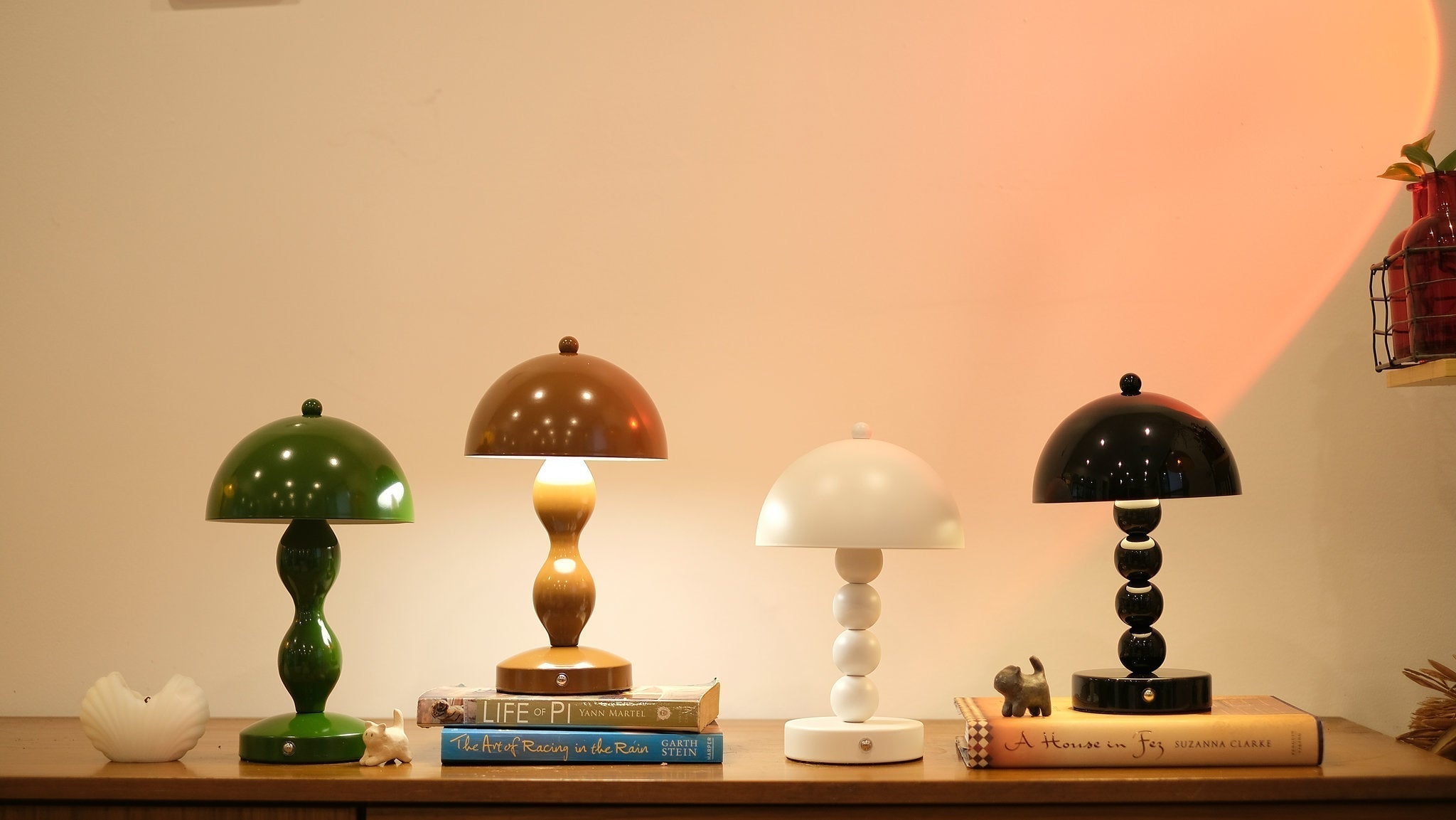
Whether your home is modern or vintage, mushroom lamps are a great way to give it a retro feel. 5 various types of mushroom lights are suggested in this post to bring a lovely touch to your interior design.
Learn more