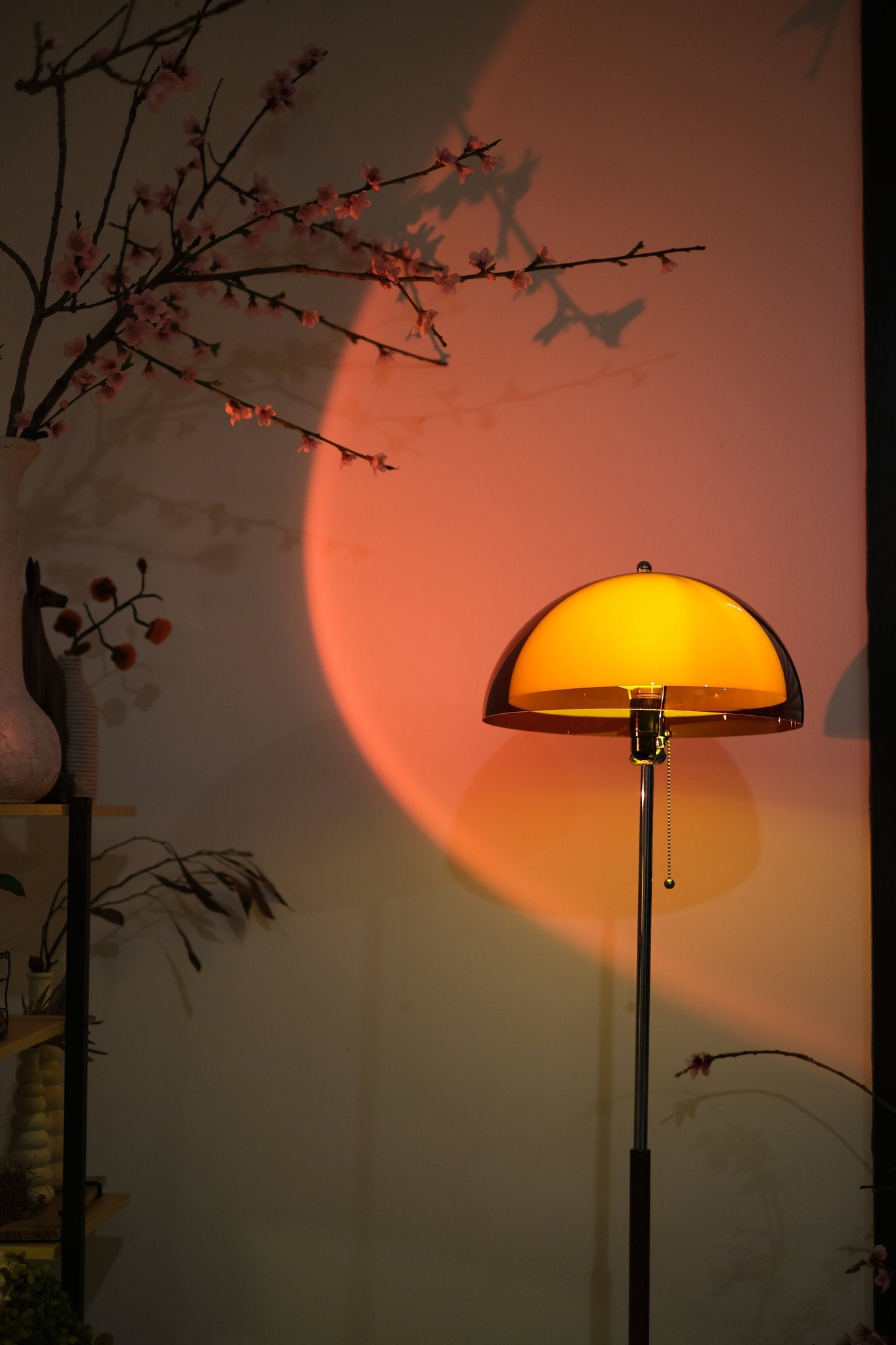

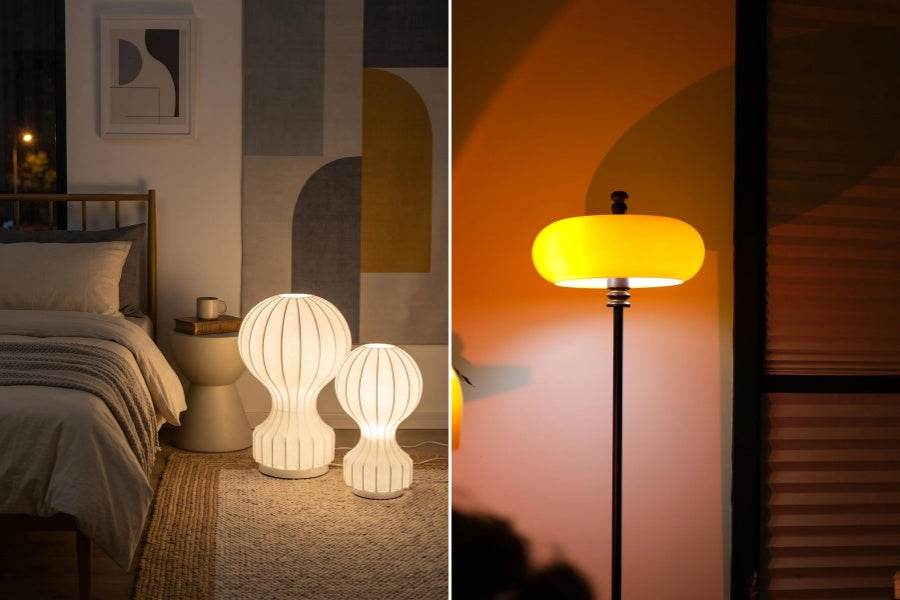
Have you ever noticed that two lamps with the same bulb can make a room feel completely different?
One might give you a crisp, clear glow. Another might make the whole room feel softer and warmer.
The difference isn't always the bulb.
Quite often, the lamp shade material is doing the work.
That's why artificial silk lighting and glass lighting can create such different experiences at home. Both can look beautiful, but they interact with light in different ways.
If you're choosing between artificial silk light and glass lighting, the big question is simple:
Which one creates the softer glow?
Let's take a closer look.
Why Does the Lamp Shade Material Matter?
It's easy to think of a lampshade as something that simply covers the bulb.
But it does much more than that.
The material affects how light travels into the room. It can diffuse the light, soften its appearance, allow it to pass through more directly, or create interesting patterns and reflections.
That's why the same LED bulb can look completely different in two lamps.
A clear glass shade may allow plenty of light through, creating a crisp and open appearance.
A textile shade such as artificial silk can spread the light more gently across its surface, creating a softer visual effect.
The bulb hasn't changed.
The shade has.
What Is Artificial Silk Lighting?

Artificial silk lighting uses a silk-like textile material as part of the lamp's shade or decorative structure.
What makes it interesting isn't just the material itself, but the way it combines texture, light and form.
When illuminated, the surface can take on a soft glow, allowing the texture of the material to become part of the lighting experience.
Instead of seeing only the bulb, you're seeing the light filtered through the textile.
This can give the lamp a more artistic and layered appearance.
Artificial silk lighting can work particularly well if you want your lamp to feel like part of your interior design rather than simply a source of illumination.
What Makes Glass Lighting Different?

Glass has a very different relationship with light.
Depending on the type of glass, it can be transparent, frosted, textured, coloured or shaped.
Clear glass allows a large amount of light to pass through, creating a clean and open look.
Frosted glass diffuses the light and can create a softer appearance.
Textured glass can add visual interest by changing how the light spreads.
So when we talk about “glass lighting,” we're actually talking about quite a wide range of lighting effects.
That's part of the appeal.
Glass can be elegant, modern, decorative and surprisingly atmospheric.
For a broader comparison of glass with another popular lighting material, you can also read Homezee's guide on Glass vs Acrylic Lamp Shades: Which One Is Better for Your Home?.
So, Which Creates the Softer Glow?

If your main priority is a gentle, diffused and cosy-looking glow, artificial silk can be particularly appealing.
The textile surface helps soften the visual intensity of the light and gives the lamp a warm, decorative presence.
Glass can also create beautifully soft light, especially when you choose frosted or textured glass.
But clear glass usually gives you a more direct relationship with the bulb.
You can often see the light source more clearly, and the light can feel brighter and more open.
So a simple way to think about it is:
Artificial silk = soft, textured and atmospheric.
Clear glass = crisp, open and luminous.
Frosted glass = soft, elegant and diffused.
It's less about one material being better and more about the kind of glow you want.
Artificial Silk Creates a More Layered Glow

One of the things that makes artificial silk lighting interesting is the texture.
When light passes through a textile surface, you're not just seeing the light itself.
You're also seeing how the material interacts with it.
This creates a layered visual effect.
During the day, the lamp can look like a beautiful decorative object.
In the evening, the material comes alive as the light passes through it.
That's particularly lovely in spaces where you want lighting to contribute to the overall mood.
Think:
- Cosy living rooms
- Bedrooms
- Reading corners
- Relaxed dining areas
- Boutique-style interiors
- Warm minimalist spaces
The result isn't necessarily dramatic.
It's more like a quiet glow that makes you want to stay in the room a little longer.
Glass Can Create a Beautiful Sense of Clarity

Glass offers something different.
There's an openness to glass lighting that can make a room feel clean and visually light.
A clear glass pendant, for example, can allow the bulb to become part of the design.
This works especially well when you're using a decorative filament-style bulb.
The result can feel elegant without being heavy.
Glass is also excellent when you want to show off the shape of the bulb or the internal structure of the fixture.
And when you choose frosted or textured glass, you can move toward a much softer lighting effect.
So glass isn't necessarily “hard” lighting.
It's simply more dependent on the particular type of glass and lamp design.
What About Frosted Glass?

If you're specifically looking for soft lighting but love the appearance of glass, frosted glass is worth considering.
The frosted surface scatters the light rather than allowing the bulb to appear as clearly as it would through transparent glass.
This can reduce the visual sharpness of the light and create a more relaxed glow.
It's a great middle ground.
You get the clean, refined appearance of glass while still getting a softer lighting effect.
For bedrooms, dining rooms and living spaces, frosted glass can be particularly attractive.
Which One Feels Cosier?

This is where artificial silk has a natural advantage.
Texture has a big influence on how we perceive a space.
Soft textiles, warm colours and diffused light tend to create a more intimate atmosphere.
Artificial silk combines those ideas into one lighting element.
Imagine a bedroom at night with a warm-white bulb behind a softly textured artificial silk shade.
The light doesn't simply illuminate the room.
It becomes part of the atmosphere.
Glass can absolutely create a cosy room too, especially when paired with warm light.
But the overall feeling may be more polished or refined rather than soft and textile-driven.
Which One Works Better in a Bedroom?

Both can work beautifully.
For a bedroom where your priority is softness and relaxation, artificial silk is a natural choice.
A textile shade can create a gentle glow that works well for winding down in the evening.
Glass is also a great option, particularly if you prefer a more sophisticated or minimalist bedroom.
A frosted glass bedside lamp can provide soft illumination without making the space feel visually heavy.
If you're using clear glass, consider choosing a warm-white bulb to keep the overall atmosphere comfortable.
What About the Living Room?

The living room gives you more freedom.
If you want your lamp to become a decorative focal point, artificial silk can bring texture and visual character.
A statement artificial silk pendant above a coffee table or dining area can add an artistic element to the room.
Glass can work beautifully as well.
A sculptural glass lamp can complement contemporary furniture, while a simple clear glass table lamp can add a timeless touch.
The key is to look at the rest of the room.
If you already have lots of hard materials such as stone, metal and glass, artificial silk can introduce a softer texture.
If your room already has lots of fabric and soft furnishings, glass can add a little visual contrast.
Which One Is Better for a Minimalist Home?
This depends on the kind of minimalism you like.
If you prefer clean, crisp minimalism, glass can fit beautifully.
Transparent glass doesn't add much visual weight, and simple glass fixtures can blend naturally with modern interiors.
But if you prefer warm minimalism, artificial silk can be an excellent choice.
Instead of adding lots of decorations, you can use one textured lamp to give the room personality.
That's one of the nice things about lighting.
You don't always need more furniture or accessories.
Sometimes you just need better light.
Don't Forget the Bulb
Here's something important:
The shade isn't working alone.
The bulb matters too.
A warm-white bulb inside an artificial silk shade can create a particularly cosy effect.
The same warm bulb inside clear glass may look brighter and more direct.
You can also change the atmosphere by adjusting the brightness.
This is why choosing a lamp should really be thought of as choosing a complete lighting combination:
Bulb + shade material + shade shape + lamp position + room.
Change any one of those, and the final effect can change.
Can Artificial Silk Lighting Be a Statement Piece?
Absolutely.
One of the biggest attractions of artificial silk lighting is that it can combine function with decoration.
The lamp doesn't have to disappear into the background.
The texture of the shade can become part of the room's visual identity.
This works particularly well with pendant lights.
Hang an artificial silk pendant above a dining table, for example, and it can become the centre of the room even when the light is switched off.
Once it's illuminated, the texture becomes even more noticeable.
It's lighting, but it also feels like décor.
Which Material Should You Choose?
If you're still undecided, here's a simple way to think about it.
Choose Artificial Silk If You Want:
- A soft and atmospheric glow
- More visible texture
- A warm and cosy feeling
- An artistic decorative element
- A softer visual presence
- A statement lamp for your interior
Choose Glass If You Want:
- A clean and refined appearance
- More visible light transmission
- A crisp and open feeling
- A timeless design
- Clear, frosted or textured finishes
- A lamp that works well with decorative bulbs
And if you want softness but love glass, don't overlook frosted or textured glass.
It can give you some of the softness you're looking for while keeping the elegant character of glass.
The Room Matters More Than You Think
There's no single material that will create the perfect glow in every room.
A lamp that looks incredible in a bedroom might feel completely different in a bright living room.
Wall colour matters.
Furniture matters.
Flooring matters.
Even the position of the lamp matters.
A light pointed toward a wall can create indirect illumination.
A light placed next to a reading chair can create a more concentrated pool of light.
So before choosing between artificial silk and glass, think about what the lamp is actually supposed to do.
Is it there to help you read?
Create a cosy evening atmosphere?
Brighten a dark corner?
Or simply make the room look beautiful?
Once you know the job, the material becomes much easier to choose.
Final Thoughts
So, artificial silk light vs glass lighting—which creates a softer glow?
If you're looking for a naturally soft, textured and atmospheric lighting effect, artificial silk lighting is an excellent option.
If you prefer a clean, elegant and luminous appearance, glass can be a beautiful choice. And if softness is important, frosted or textured glass can create a lovely diffused effect.
The best choice isn't necessarily the material that produces the softest light on paper.
It's the one that creates the atmosphere you want to live with every day.
Because good lighting isn't just about how much light a room has.
It's about how the room feels when the sun goes down.
FAQs
1. Is artificial silk lighting good for bedrooms?
Yes. Its soft, textured appearance can work particularly well in bedrooms where a warm and relaxing atmosphere is desired.
2. Can I use a warm-white bulb with artificial silk lighting?
Yes, provided the bulb is compatible with the lamp. Warm-white lighting can complement the soft texture of artificial silk and create a cosy evening atmosphere.
3. Which looks more luxurious, artificial silk or glass?
Both can create an elegant look in different ways. Artificial silk brings texture and artistic character, while glass offers a polished and refined appearance.
4. Is artificial silk suitable for modern interiors?
Yes. Artificial silk can work beautifully in contemporary and minimalist interiors, particularly when you want to introduce texture without adding lots of extra decoration.
5. Does the shape of the lampshade affect how soft the light looks?
Yes. The shade's shape affects how light travels through the room. A fully enclosed or deeply diffusing shade can create a different effect from an open or directional shade.