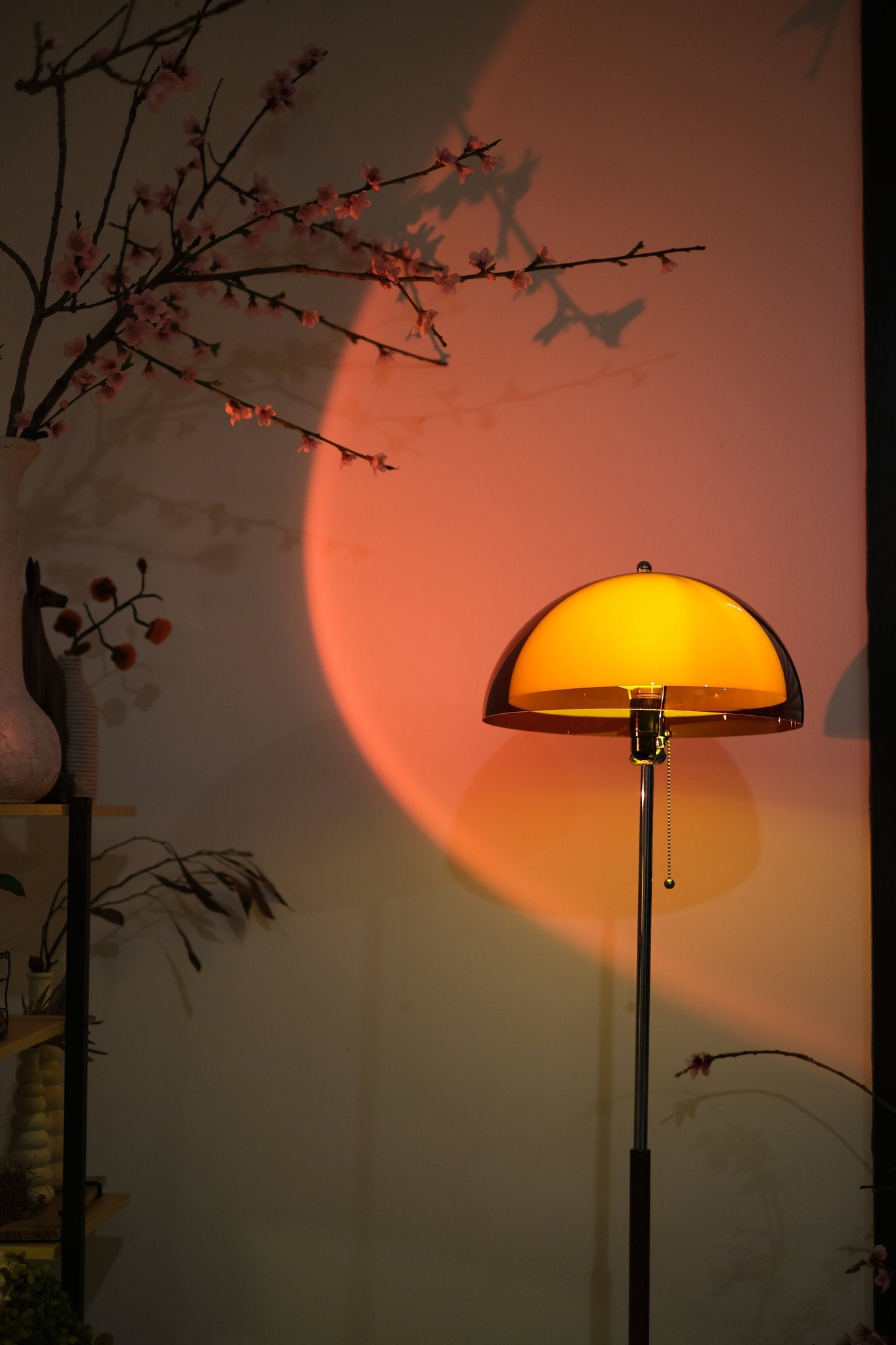

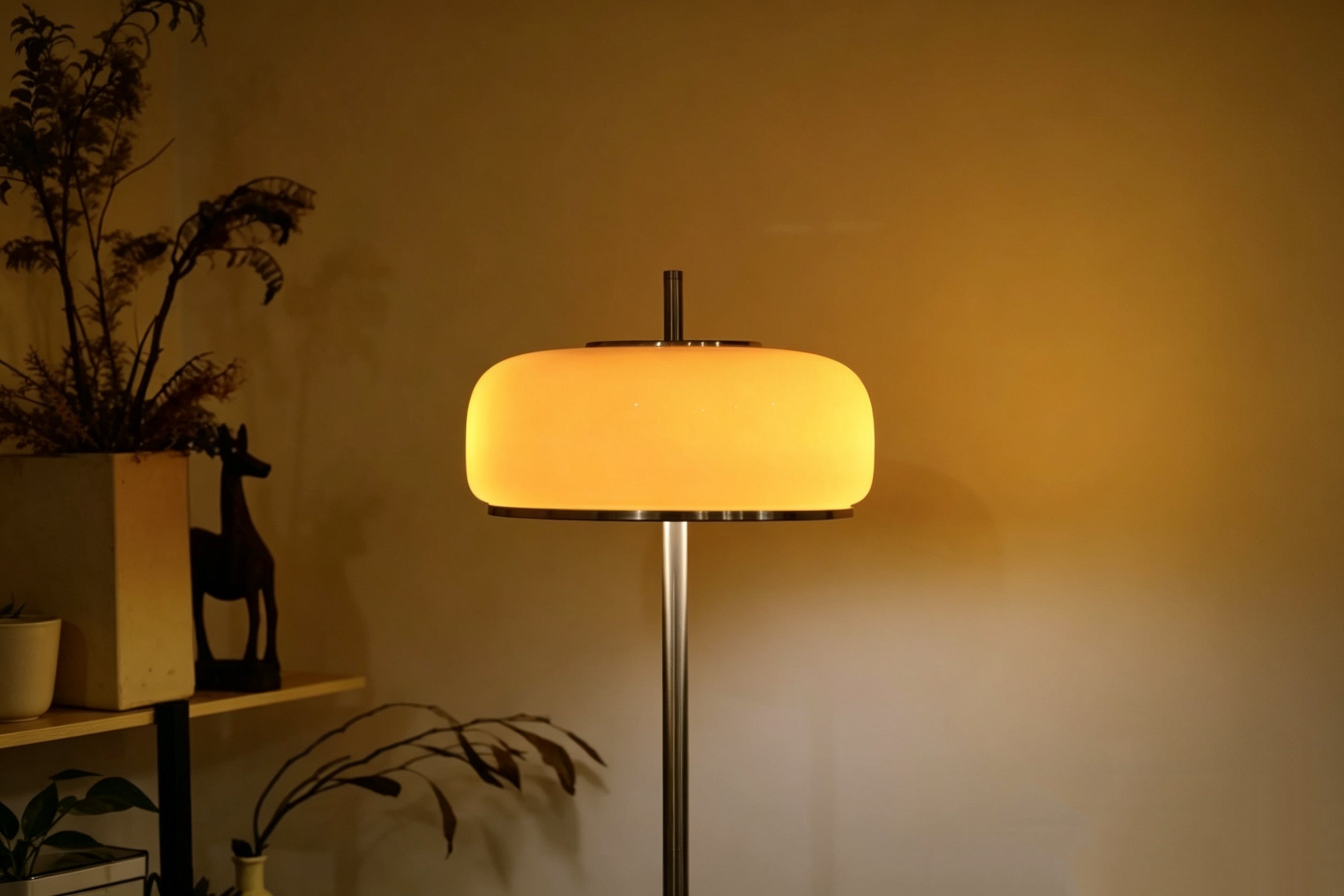
You’ve seen those rooms. The ones where every light feels like it’s in exactly the right spot. The pendant hangs at the perfect height. The wall sconces don’t glare. The bedside lamps actually work for reading without blinding you.
It doesn’t happen by accident. There’s a simple rule that professional designers use to get lighting placement right every single time. It’s called the 57 lighting rule, and once you know it, you’ll never hang a lamp at the wrong height again.
Let’s break it down.
What Actually Is the 57 Lighting Rule?
The 57 lighting rule is a guideline for mounting height. It says that the centre of your light source – whether it’s a wall sconce, a picture light, or the bottom of a pendant shade – should sit roughly 57 inches (about 145 centimetres) above the floor.
Why 57 inches? Because that’s the average eye level for most people when standing. At this height, the light sits right where your eyes naturally fall. It doesn’t force you to look up or down. It just feels… right.
In Australia, we use metric, so you’ll often hear designers say 145 centimetres. Same rule, different numbers.
This height works beautifully for:
- Wall sconces in hallways and living rooms
- Picture lights above artwork
- The bottom of pendant lights over dining tables
- The centre of a bedroom wall light next to your bed
For more on getting bedroom lighting right, our guide on how many lumens for a bedroom covers brightness alongside placement.

Where the 57 Rule Works Best
Not every light needs to follow this rule. But for certain fixtures, it’s practically magic.
Wall Sconces in Hallways and Living Areas
Sconces mounted at 145cm cast light at eye level, which is flattering and functional. Too high and they light the ceiling instead of the room. Too low and they feel awkward and intrusive. Browse our collection of lights on wall in bedroom and living areas to see sconces designed for this height.
Picture Lights
Artwork should be hung so the centre of the piece is at eye level – around 145cm. Your picture light then sits directly above, illuminating the art without spilling glare everywhere. The 57 rule keeps everything aligned.
Pendant Lights Over Dining Tables
Here’s where it gets interesting. For a pendant, the 57 rule applies to the bottom of the shade, not the centre. You want the lowest point of your pendant to hang about 145cm above the floor. That puts it roughly 75-85cm above the table surface – the sweet spot for intimate dining without blocking conversation.
Bedroom Wall Lights
If you’re using bedroom wall lights instead of table lamps, mount them so the centre of the shade is at 145cm when you’re sitting up in bed. That usually means positioning them slightly higher than standard sconces – around 155-165cm from the floor – because you’re seated, not standing.
Our guide on how to choose bedside table lamps compares wall lights with traditional bedside lamps so you can decide which works for your space.
When to Break the Rule
Rules are great. Knowing when to ignore them is better.
Over Kitchen Islands
Your pendant should hang lower here – about 70-80cm above the benchtop. That’s usually around 120-130cm from the floor, well below the 145cm rule. This keeps task light where you need it and stops the pendant from feeling like it’s floating in space.
Above Sofas or Armchairs
A floor lamp or wall sconce next to a chair should put light at seated eye level, not standing. That’s closer to 110-120cm. The 57 rule is a starting point, but you adjust for how you actually use the space.
Very High Ceilings
If your ceiling is over 3 metres, a pendant hanging at 145cm will look like it’s lost. Go lower – or use a longer cord. The rule is about visual comfort, not strict maths.
Children’s Rooms
Eye level for a child is much lower. For wall lights in a kid’s bedroom, consider mounting at 110-120cm so the light feels right for them, not for you.

How to Use the 57 Rule with Different Light Types
Let’s walk through how this rule applies to the most common fixtures in Australian homes.
Pendant Lights
Bottom of shade at 145cm from floor, or 75-85cm above dining table. For higher ceilings, split the difference – add a bit more cord but keep the visual weight where people sit.
Wall Sconces
Centre of the shade at 145cm. For hallway sconces, keep them consistent from room to room. For bedside, go slightly higher (155-165cm) because you’re seated.
Picture Lights
Mount the light 10-15cm above the top of the frame, with the centre of the artwork at 145cm. This keeps the light focused on the piece without washing out the wall above.
Floor Lamps
The 57 rule doesn’t directly apply, but the principle does. A floor lamp’s shade should sit at or slightly above standing eye level – around 150-160cm from the floor. That’s why most well-designed floor lamps have shades in that range. Browse our collection of floor lamps for living room to see examples.
Table Lamps
A table lamp on a bedside table or sideboard should put the bottom of the shade at seated eye level. For a standard bedside table (about 60cm tall), your lamp needs to be around 50-60cm tall to hit 110-120cm total height.
Why Designers Love This Rule
Here’s the thing about the 57 lighting rule. It’s not just about height. It’s about creating a sense of calm and coherence in a room.
When all your wall lights are at different heights, your eye jumps around. The room feels chaotic, even if you can’t say why. When they’re consistent – even just roughly consistent – the space feels more intentional. More designed. More peaceful.
That’s the secret of professional lighting. It’s not about expensive fixtures. It’s about thoughtful placement. And the 57 rule gives you a simple, repeatable framework for making thoughtful choices in every room.

A Simple Checklist for Your Next Lighting Project
Before you drill holes or hang pendants, run through this list.
Step 1: Measure your floor-to-ceiling height.
Standard Australian homes are 2.4 to 2.7 metres. If yours is higher or lower, adjust your pendant drops accordingly.
Step 2: Mark 145cm on the wall.
Use painter’s tape or a pencil. Stand back and see if it feels right. Adjust up or down by 5-10cm based on your own eye level.
Step 3: Consider the furniture.
A pendant over a dining table needs to clear the table by 75-85cm. A wall sconce next to a sofa should align with seated eye level. Let function guide your final number.
Step 4: Test with a helper.
Have someone hold the fixture at your marked height while you stand or sit where you’ll normally be. Adjust until it feels natural.
Step 5: Lock it in.
Once you’ve found the height that works, use that measurement for every similar fixture in the room. Consistency creates calm.
Common Mistakes to Avoid
Mistake 1: Mounting sconces too high
Above 170cm and they become ceiling lights. You lose the flattering, human-scale glow that makes sconces special.
Mistake 2: Hanging pendants too low
Below 120cm and tall people will bump their heads. Below 70cm above a table and you can’t see across the table.
Mistake 3: Ignoring furniture height
A 145cm sconce works in an empty hallway. But if it’s behind a 90cm-tall armchair, the light will hit the back of the chair instead of the room. Adjust for your actual layout.
Mistake 4: No dimmers
Even perfect placement feels wrong if the light is too bright. Add dimmers to everything.
The 57 Rule at a Glance
So here’s where we land.
The 57 lighting rule (or 145cm in metric) is a designer’s trick for getting wall lights, sconces, and pendants at the right height. It puts light at average eye level, which feels natural, flattering, and intentional.
Use it for:
- Wall sconces in living areas and hallways
- Picture lights above artwork
- The bottom of dining pendants
- As a starting point for bedside wall lights (then adjust for seated height)
Break it for:
- Kitchen island pendants (go lower)
- Seated areas (go slightly lower)
- Very high ceilings (go lower or use longer drops)
- Children’s rooms (go much lower)
The goal isn’t perfection. It’s consistency. Get your heights roughly aligned, and your whole home will feel more thoughtfully lit – without anyone knowing why.
Ready to put the 57 rule into practice? Explore our collection of pendant lights to find fixtures that look beautiful at the right height. And if you’re still planning your lighting layout, our guide on 2026 lighting trends might give you even more ideas.
FAQs
1. Does the 57 lighting rule work for every room in my house?
It works best for wall sconces, picture lights, and dining pendants in living areas, hallways, and bedrooms. For kitchens, bathrooms, or very high ceilings, you’ll want to adjust – but it’s still a great starting point.
2. What if I’m taller or shorter than average?
The 57 rule (145cm) is based on average eye level. If you’re over 185cm tall, try 155–160cm. If you’re under 160cm, try 135–140cm. The best height is the one that feels natural when you stand in front of it.
3. Can I use the 57 rule for bedside wall lights?
Yes, but adjust for seated height. For bedroom wall lights used for reading, mount the centre of the shade at about 155–165cm from the floor. That puts the light at eye level when you’re sitting up in bed.
4. Do I need to follow this rule exactly, or is it flexible?
It’s a guideline, not a law. Professional designers use it as a starting point, then tweak based on furniture, ceiling height, and how the room is actually used. The key is consistency – keep similar fixtures at similar heights throughout your home.
5. What happens if I mount my wall sconces too high or too low?
Too high (above 170cm) and they light the ceiling instead of the room – you lose that warm, flattering glow. Too low (below 120cm) and they feel awkward, plus tall people might bump into them. The 57 rule keeps you in the sweet spot.